Published: 26 September 2025, The English Chronicle Desk
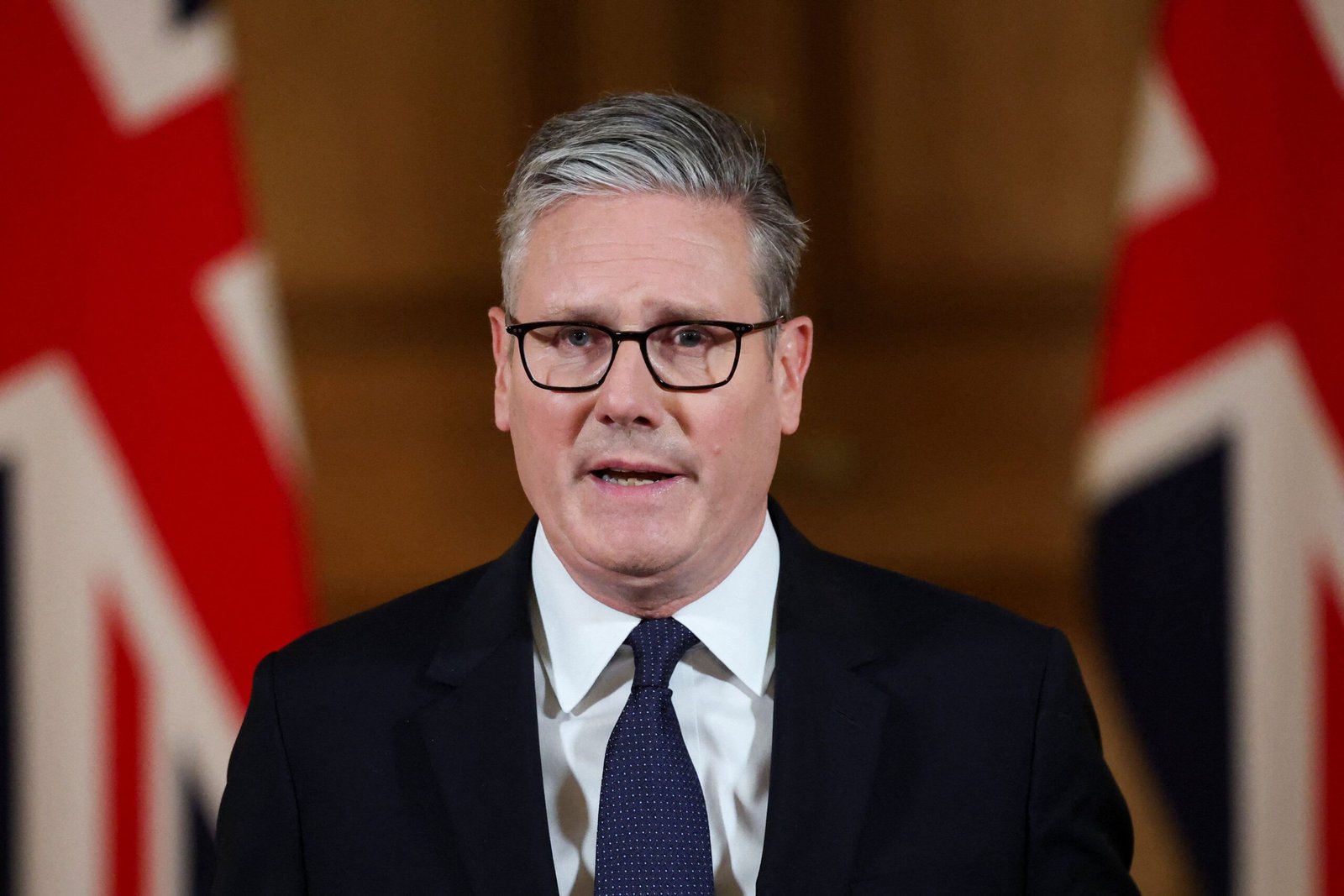
Prime Minister Keir Starmer has described digital ID cards as “an enormous opportunity” for the United Kingdom, as the government prepares to unveil its proposals amid a growing civil liberties debate. The announcement comes ahead of a conference on progressive governance, where Starmer is set to outline how the UK can address challenges such as illegal migration while delivering benefits to ordinary citizens.
The proposals for a “Brit Card” would require new legislation and are already attracting criticism from civil liberties groups concerned about privacy and state overreach. In response to the criticism, Culture Secretary Lisa Nandy emphasised that the government had “no intention of pursuing a dystopian mess.”

Speaking at the conference, Starmer framed digital ID cards as a tool for both security and convenience. “I know working people are worried about the level of illegal migration into this country. A secure border and controlled migration are reasonable demands, and this government is listening and delivering,” he said. “Digital ID is an enormous opportunity for the UK. It will make it tougher to work illegally in this country, making our borders more secure. And it will also offer ordinary citizens countless benefits, like being able to prove your identity to access key services swiftly – rather than hunting around for an old utility bill.”
Writing in the Telegraph, the prime minister argued that left-wing parties, including Labour, had historically shied away from addressing public concerns about immigration. “It is now essential to tackle every aspect of the problem of illegal immigration,” Starmer wrote, stressing that concerns about immigration can be addressed without adopting what he called Reform UK’s “toxic” approach.
Despite these assurances, civil liberties advocates have voiced strong objections. Silkie Carlo, director of Big Brother Watch, warned that the introduction of digital ID cards could create a “checkpoint society that is wholly unBritish.” Carlo said: “Digital IDs would do absolutely nothing to deter small boats but would make Britain less free, creating a domestic mass surveillance infrastructure that will likely sprawl from citizenship to benefits, tax, health, possibly even internet data and more. Incredibly sensitive information about each and every one of us would be hoarded by the state and vulnerable to cyber-attacks. Starmer has no mandate to force the population to carry digital IDs and millions of us will simply not do it. The cost to the public purse will likely run into the billions, much like Blair’s failed scheme, but the cost to our freedoms would be even more serious. He is making an enormous mistake and should drop the plans sooner rather than later.”

Political opposition has also emerged. Nigel Farage’s Reform UK described the proposals as a “cynical ploy” aimed at misleading voters into believing the government is tackling immigration, while Conservative leader Kemi Badenoch dismissed the plans as a “gimmick that will do nothing to stop the boats.”
Downing Street has been exploring digital ID proposals since June, with the Guardian reporting that the initiative could also target illegal work, rogue landlords, and cases reminiscent of the Windrush scandal. The concept, drawn from a Labour Together paper submitted to No 10’s policy unit, suggested that a secure digital ID could help prevent immigration errors and reduce the number of visa overstayers, half of whom are estimated to remain in the UK after asylum claims are rejected.
The proposed Brit Card would be free and stored securely on a person’s smartphone via a planned gov.uk Wallet app, with verification available to employers, immigration authorities, banks, and landlords through free software. Officials have indicated that the system would build on the government’s existing “One Login” infrastructure, already used by citizens to access around 50 public services, from applying for professional roles to managing legal documents.
While Starmer emphasised the potential benefits of efficiency and security, the proposals have ignited a debate over privacy, civil liberties, and the balance between government oversight and individual freedoms. The coming weeks are expected to see intensified discussion as the legislative process unfolds and the UK public considers the implications of a nationwide digital ID system.
Related News:
 MPs Warn Thousands Still Face Poverty Despite Labour’s Welfare Reform Retreat
 Peter Kyle Condemns Nigel Farage Over Reform UK’s Promise to Scrap Online Safety Act
 Green Party Faces Leadership Divide Over Direction and Strategy
 Wethersfield Controversy Deepens as Asylum Seeker Numbers Set to Surge by 50%
 Russell T Davies Warns of Declining UK Gay Rights Amid Rise of Reform UK and Trump Influence
 Norfolk Hospital Ranked Worst in England as NHS League Tables Return
 Oxford Union Condemns President-Elect’s Comments Following Charlie Kirk Shooting
 Starmer Urged to Champion Workers’ Rights Amid Low Public Awareness
 First “One In, One Out” Deportation Flight Departs Without Migrants Amid Legal Challenges
 Labour Urged to Rethink Growth Strategy as Top Economist Warns of Far-Right Surge
 Corbyn and Sultana Clash Over Membership Portal as Divisions Surface in New Leftwing Party
Zarah Sultana Seeks Legal Action After Bitter Clash with Jeremy Corbyn Over Party Membership Funds
Corbyn and Sultana Clash Over Membership Portal as Divisions Surface in New Leftwing Party
Zarah Sultana Seeks Legal Action After Bitter Clash with Jeremy Corbyn Over Party Membership Funds
 Anti-Immigration Protesters and Counter-Protesters Clash in Glasgow
 Ministers Consider Granting Mayors Oversight of Schools and Hospitals in Major Devolution Push
 Zarah Sultana Calls Off Legal Action Amid Party Feud with Jeremy Corbyn
 Lib Dems Urged to Focus on Policy Over Stunts, Survey Shows
 “Social Housing Crisis in England: Tenant Complaints Soar Amid Dangerous Living Conditions”
 Starmer’s Communications Chief Steph Driver Resigns in Latest No 10 Departure
 Ed Miliband Warns UK Government on X, Citing Elon Musk as a “Dangerous Influence”
 A Third of EU Citizens in UK Report Discrimination by Public Bodies Post-Brexit
 Campaigners Urged to Reframe Child Poverty Debate in Scotland Ahead of Elections
 Secret Report Exposes Home Office ‘Defeatism’ on Migration
 UK Health Leaders Push for Urgent Tobacco & Vape Bill
 Army Barracks to House Migrants as Hotels Phase Out
 Labour Urges Councils to Abandon Four-Day Work Week
 Rachel Reeves Admits Renting Home Without Required Licence
 Experts Question HMRC Over Possible Child Benefit Privacy Breach
 Nicola Sturgeon Urges SNP to Oppose New Oil Fields
 Boris Johnson accused of undermining BBC leadership
 Tim Davie resigns as BBC director general amid bias claims
 Second world war veterans honoured as King leads Remembrance Sunday
 ‘Reckless’ cuts to victims’ services will cost more than they save
 Tim Davie Defends BBC Amid Bias Scandal Storm
 Reeves rejects £1bn plea for NHS redundancy payouts
 Politics latest: Starmer ‘will fight any leadership coup’ as Streeting denies attempt to oust Labour PM
 PM Condemns Leaks, Vows Loyalty to Ministers and Stability
 Victims’ commissioner Baroness Newlove dies aged 63
 Crowborough Protest Over Plan to House 600 Asylum Seekers
 UK Asylum Overhaul Sparks Debate Over Human Rights and Deportations
 UK Asylum Reforms: Temporary Refugee Status and Faster Deportations
 UK and Ireland Meet to Discuss Next Steps on Troubles Legacy
 PM Shares Emotional Letter to Son on Men’s Struggles
 Kate Forbes: Motherhood Harder Than Politics
Reeves to Crack Down on Benefit Fraud While Lifting Two-Child Limit
Kate Forbes: Motherhood Harder Than Politics
Reeves to Crack Down on Benefit Fraud While Lifting Two-Child Limit
 Labour MP claims devolution bill is ‘blatant discrimination’ against Cornwall
 Planned Palestinian Flag Raising at Belfast City Hall Faces Delay Amid Legal Concerns
 “Enough is Enough”: Local MP Vows to Fight Rainham Quarry Plans
 UK Must Act with Courage and Clarity on Israel-Palestine Conflict, Says Foreign Affairs Committee Report
 The Fight for Trans Safety Is a Fight for Everyone’s Safety — MPs Must Debate This Crucial Issue
 Heartbreak in the New Forest as Shetland Ponies Vanish, Community on Edge
 Tanni Grey-Thompson Faces Abuse Over Opposition to Assisted Dying Bill
 Birmingham Bin Strike Enters Sixth Month as Negotiations Stall
 Over 40% of Private Renters Forced to Ration Energy to Afford Bills, Study Reveals
 Northern Ireland Faces Fears of Prolonged Race Riot “Permacrisis”
 Nigel Farage Unveils Controversial Immigration and Welfare Plans at Reform UK Press Conference
 Scottish Teenager’s Petition on Single-Use Plastics Gains Parliamentary Support
 White Low-Income Pupils in England Show Lowest Levels of School Engagement, Study Finds
 Ed Miliband Urges Labour to Confront Billionaire-Backed Opposition to Net Zero Goals
 Digital ID Plans Ignite Debate Over £600m Treasury Tax Boost and Privacy Concerns
 Public Trust in SNP Hits Historic Low Amid NHS Concerns
 Yvette Cooper Backs Digital ID Plan for UK Teens
 Johnson Suggests Mandelson Linked to China Spy Controversy
 Ministry of Justice fails to file £11bn in spending receipts
 Rachel Reeves signals welfare reform ahead of key budget
 Reform UK candidate fined £19,000 after using AI-generated cases to challenge election
 William Steps Up Over Prince Andrew Palace Response
 Hospice Cuts Raise Alarm Across England Amid Funding Crisis
 Green Party Surges Past Labour in Latest UK Poll
 Zarah Sultana Launches Party to Change Politics
 Children to Learn Local History in Major Curriculum Overhaul
 Prince William Plants Trees with Brazil’s Nature Heroes
 How to get help when a child goes missing – call 999 urgently
 Starmer Faces Growing Dissent as Labour MPs Weigh Leadership Challenge
 Son Reveals UK Couple in Iran Resort to Hunger Strike for Help
 Peers Flood Assisted Dying Bill with 942 Amendments
 Mother Watches in Horror as Teen Daughter Dies on Tracks
 ‘Traumatic Wait’: Northern Ireland Women Face Breast Cancer Delays
 Most Tories Expect to Support a Farage-Led Government
 Fibromyalgia Patients Struggle as NHS Fails to Provide Care
 Virgin Media Fined £23.8m Over Telecare Safety Failures