Published: 28 September ‘2025. the English Chronicle Desk
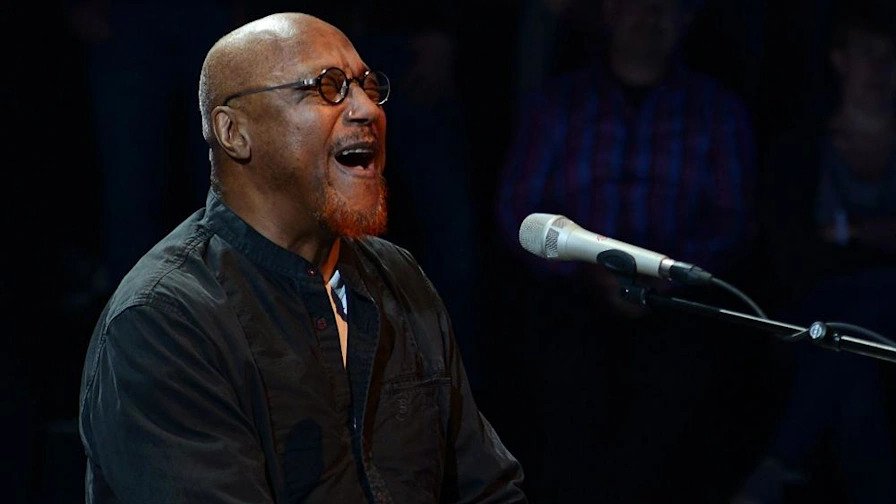
Labi Siffre, the acclaimed singer-songwriter whose song “(Something Inside) So Strong” became a global anthem against apartheid, has formally demanded that far-right activist Tommy Robinson cease using his music in political contexts. The legendary track, inspired by the struggles of apartheid-era South Africa and widely reported as Nelson Mandela’s favourite song, has now been deployed in social media posts and public rallies that Siffre considers a profound misrepresentation of its original message.
The 80-year-old artist expressed his astonishment over the appropriation, describing it as “absurd” that a song penned by a black, homosexual, atheist artist, long dedicated to fighting injustice and inequality, could be co-opted to symbolise a far-right movement. “Anybody who knows me and knows my work since 1970 will understand the irony of them using the work of a positive, progressive artist as representative of their agenda,” Siffre remarked in a rare interview.

Siffre, alongside his publisher BMG Rights Management, has issued a cease and desist order to Robinson, whose real name is Stephen Yaxley-Lennon, citing unauthorised usage and copyright infringement. “They are breaking all sorts of copyright laws,” Siffre said. “Even in an era when theft is easier than ever, it remains theft.”
The controversy emerged after Robinson used Siffre’s song during his recent “Unite the Kingdom” rally in central London, attended by more than 110,000 people. At the event, Robinson invited a former X Factor contestant to perform the song, introducing it with the claim: “I always like telling stories through music and this next song now is going to tell all of our stories of why we’re here and why we care.” Robinson had previously shared the lyrics on his social media platforms, including his X account, following legal challenges and allegations of contempt of court.
Siffre has reported receiving multiple messages from supporters of Robinson, thanking him for allegedly endorsing the movement. “I haven’t responded,” Siffre admitted, laughing. “What can you do?” The musician, however, has been clear that the song was never intended to serve political causes aligned with far-right ideologies.
Born in 1945 to a Nigerian father and a mixed-race mother, Siffre grew up in west London. He released his self-titled debut album in 1970, followed by five more solo albums in the early 1970s. His music has consistently addressed both political and personal themes, tackling issues such as war veterans, homelessness, religion, and personal identity. As an openly gay black artist in a predominantly conservative industry, Siffre’s work often reflected his own experiences of marginalisation.
Siffre achieved multiple chart successes, including three Top 40 hits, and his influence extended across generations. The band Madness famously covered his track “It Must Be Love”, while contemporary artists such as Jay-Z, Primal Scream, and Eminem have sampled his music. Yet it is “(Something Inside) So Strong,” written in 1984 after a brief self-imposed retirement, that remains emblematic of Siffre’s enduring commitment to justice and equality.
The creation of the song was sparked by Siffre viewing a documentary depicting white soldiers in South Africa firing indiscriminately at black civilians. Moved by the brutality and injustice, Siffre described sitting at his studio keyboard late one evening, striking a C chord, and spontaneously singing the opening lines of the song. “I had a tear in my eye and realised I was writing about my life as a homosexual child, youth, and man, and the battles that entailed,” he recalled.
However, Siffre emphasises that the song’s message extends beyond his own personal struggles. “When I finished the song, I knew it could speak to anyone facing a battle, whether it was a minor challenge at work or a personal conflict. Its relevance was always broader than just apartheid or my life as a gay man.” The track’s universal appeal has contributed to its long-lasting resonance, and Siffre has expressed pride that it has served as an empowering anthem for many across the world.
Released in 1987, “(Something Inside) So Strong” spent 14 weeks in the UK Top 100 and won Siffre an Ivor Novello award. The song has been covered by notable artists including Kenny Rogers and featured in campaigns by Amnesty International. In 2001, Siffre performed the song in Trafalgar Square to celebrate Nelson Mandela’s birthday, cementing its place in global cultural history as a symbol of resilience and the fight for human rights.
Despite its celebrated legacy, the use of the track by far-right groups has caused considerable concern for Siffre. While he says he does not feel personal anger, he stresses that the context of its usage is deeply inappropriate. Reflecting on his lifelong experiences with prejudice, Siffre recalled a formative moment at age six when he saw a postcard in a London window that read: “No blacks, no Irish, no dogs.” “I knew then that this meant me,” he said, illustrating that his artistic voice has always been rooted in confronting injustice.
Siffre also drew attention to the broader political context surrounding Robinson’s movement, highlighting international connections with figures such as former U.S. President Donald Trump and the MAGA movement, which, according to Siffre, were underscored by the appearance of Elon Musk via video link at the London rally. “The movement is global, and that’s what makes its appropriation of my work so concerning,” he added.
The musician joins a long list of artists who have challenged the unauthorised use of their music for political purposes. Previous high-profile disputes have included Johnny Marr of The Smiths, who publicly forbade former Prime Minister David Cameron from associating with their music, and musicians such as Beyoncé, Céline Dion, Neil Young, and the Foo Fighters, who have objected to the use of their songs at rallies and political events without consent.
Throughout his career, Siffre has maintained a commitment to using music as a tool for social progress and personal empowerment. He emphasises that the song’s adoption in far-right contexts undermines the original spirit of solidarity, resistance, and human dignity that it was intended to convey. “I’ve always wanted my work to be useful to human progress, not to promote fear, division, or hatred,” he said.
In addition to its cultural and historical significance, the incident raises broader questions about intellectual property, artistic integrity, and the responsibilities of public figures in respecting the intended meaning of creative works. Siffre’s intervention underscores the importance of authors’ rights and the ethical considerations around the use of art in political contexts, particularly in an era where social media amplifies content rapidly and often without scrutiny.

For Siffre, the fight to protect the message of his song is not simply about copyright—it is about preserving the ethos of resilience and justice that inspired it. The cease and desist order to Robinson represents both a legal and moral assertion that the song’s legacy should remain aligned with values of equality, human dignity, and resistance against oppression. In his own words, the absurdity of the song being repurposed by far-right groups only serves to highlight the stark contrast between its original intent and the ideologies now attempting to appropriate it.
Ultimately, the controversy serves as a reminder of the enduring power of music as a cultural and political force. Siffre’s work, rooted in personal struggle and global injustice, continues to resonate decades after its creation, inspiring individuals and communities worldwide. By challenging its misuse, Siffre not only protects his artistic legacy but also reaffirms the song’s role as an anthem for human rights, equality, and collective resilience against oppression.
Related News:
 British Airways suspends podcast sponsorship after controversial interview
 Amber Davies Shines on Strictly – Time to Drop the West End Debate
 Drag Queens Forced to Stop Reading ‘Dear Zoo’ to Children Amid Protests at Belfast Library
 Jack Osbourne Breaks Silence with Heartfelt Tribute Following Ozzy Osbourne’s Funeral
 Prince Charles Cinema Eyes Expansion to East London Amid Leicester Square Uncertainty
 Russell T Davies Warns of Declining UK Gay Rights Amid Rise of Reform UK and Trump Influence
 Millie Bobby Brown and Jake Bongiovi Begin Parenthood Through Adoption
 Patricia Crowther, Known as UK’s Oldest Witch, Dies Aged 97
 George and Amal Clooney Celebrate Global Human Rights Champions at Star-Studded Albies
 Jilly Cooper: The Bonkbuster Queen Who Redefined Romantic Fiction
 Celebrity Traitors First Look: A Star-Studded Highland Adventure That Hooks from the Start
 Academy Award-Winning Actress Diane Keaton Dies at 79
 Paedophile Singer Ian Watkins Dies After Prison Attack
 Strictly Celebs Starstruck as Cynthia Erivo Shines
 D’Angelo: Neo-Soul’s Radical Genius and Lasting Legacy
 Dave Ball: The Unsung Genius Behind Soft Cell’s Bold Sound
 Prunella Scales: From Fawlty Towers Icon to Beloved Canal Explorer
 Hollywood Is an Industry of Looney Tunes Pretending to Be Normal
 Oprah enjoys Meghan’s jam on English muffins
 Pop Stars Call on UK Government to Cap Resale Prices for Fans
 Princess of Wales Hosts Festive Christmas Service at Abbey
 Yungblud Pauses Tour Over Health Concerns, Apologises to Fans
 TikTok Star Jessie Yendle Mocked by KFC
 Chef Skye Gyngell, Slow Food Pioneer, Dies Aged 62
 Reggae Legend Jimmy Cliff Dies at 81
 Belfast’s Elle Vosque finishes runner-up on Drag Race UK
 Ozzy Osbourne: The Prince of Darkness Bows Out, Leaving Behind a Legacy of Metal and Myth
 The Ketamine Crisis in the UK is a Silent Epidemic Leaving Users with Lifelong Pain
 Wethersfield Controversy Deepens as Asylum Seeker Numbers Set to Surge by 50%
 Unseen Killers of the Deep Inside the UK Lab Uncovering the Silent Deaths of Sea Creatures
 Prince Harry Cleared of Bullying Allegations Amid Charity Dispute Fallout
 My Husband Won’t Stop Playing with Lego and It’s Driving Me Nuts
 Heartbreak in the New Forest as Shetland Ponies Vanish, Community on Edge
 Terence Stamp, ’60s British Film Legend and Star of Superman, Dies at 87
 Why E-Bikes and E-Scooters Are Making Streets a ‘Nightmare’ for Blind People
 London to Regulate Pedicabs: Music Turned Down, Fares Set by the Minute
 Birmingham Bin Strike Enters Sixth Month as Negotiations Stall
 Over 40% of Private Renters Forced to Ration Energy to Afford Bills, Study Reveals
 One in Three GPs in England Do Not Work in NHS, Raising Concerns Over Access to Care
 Persistent Offenders Owe Over £700m in Ulez Fines as TfL Cracks Down on Evasion
 Northern Ireland Faces Fears of Prolonged Race Riot “Permacrisis”
 Zarah Sultana Seeks Legal Action After Bitter Clash with Jeremy Corbyn Over Party Membership Funds
 Watchdog, Cornflakes and Courage: Remembering John Stapleton, a Broadcaster Who Did It All
 Scottish Teenager’s Petition on Single-Use Plastics Gains Parliamentary Support
 White Low-Income Pupils in England Show Lowest Levels of School Engagement, Study Finds
 Starmer Unveils Plan for NHS “Online Hospital” to Tackle Waiting Lists
 A Third of EU Citizens in UK Report Discrimination by Public Bodies Post-Brexit
 Marks & Spencer Staff to Work on Boxing Day for First Time in Five Years Amid Cost-Cutting Measures
 Beloved Actress Dame Patricia Routledge Dies Aged 96
 UK households brace for October benefit payments and rising energy costs amid cost-of-living pressures
 Women Challenge Meta Over Targeted Ads After Miscarriage
 £18 Prostate Cancer Test Could Save Thousands of Lives
 Pregnant Women in England Face Rising Risk of Severe Birth Injury
 One in 12 Secondary Pupils Sent to Isolation Weekly
 UK Health Leaders Push for Urgent Tobacco & Vape Bill
 Hospice Cuts Raise Alarm Across England Amid Funding Crisis
 UK Woman Loses Child Benefit After Booking Flight She Never Took
 Mass Stabbing on Doncaster to London Train Leaves Ten Injured
 Children to Learn Local History in Major Curriculum Overhaul
 The Lowry Hotel: Manchester’s Iconic Five-Star Retreat
 Prince William Plants Trees with Brazil’s Nature Heroes
 Top Christmas Books Reads: Classics to Cozy Romcoms
 Greta Thunberg Backs Student Facing UK Visa Revocation
 Pauline Collins, Beloved ‘Shirley Valentine’ Star, Dies at 85
 How to get help when a child goes missing – call 999 urgently
 ‘Reckless’ cuts to victims’ services will cost more than they save
 VAR Must Rein Its Neck In to Save Football’s Spirit
 Politics latest: Starmer ‘will fight any leadership coup’ as Streeting denies attempt to oust Labour PM
 Son Reveals UK Couple in Iran Resort to Hunger Strike for Help
 New weather warning issued with risk of flooding
 Mum Calls for New Licence Rules After Teen Road Death
 Mother Watches in Horror as Teen Daughter Dies on Tracks
 ‘Traumatic Wait’: Northern Ireland Women Face Breast Cancer Delays
 Commuters warned as yellow snow and ice alert hits Northern Ireland
 Coffins Now Too Large to Cremate Amid Rising Obesity Crisis
 Labour MP claims devolution bill is ‘blatant discrimination’ against Cornwall
 Fibromyalgia Patients Struggle as NHS Fails to Provide Care
 Search underway for British man overboard off Tenerife
 Virgin Media Fined £23.8m Over Telecare Safety Failures
 Pavarotti statue frozen in Italian ice rink sparks backlash