Published: 02 October ‘2025. The English Chronicle Desk
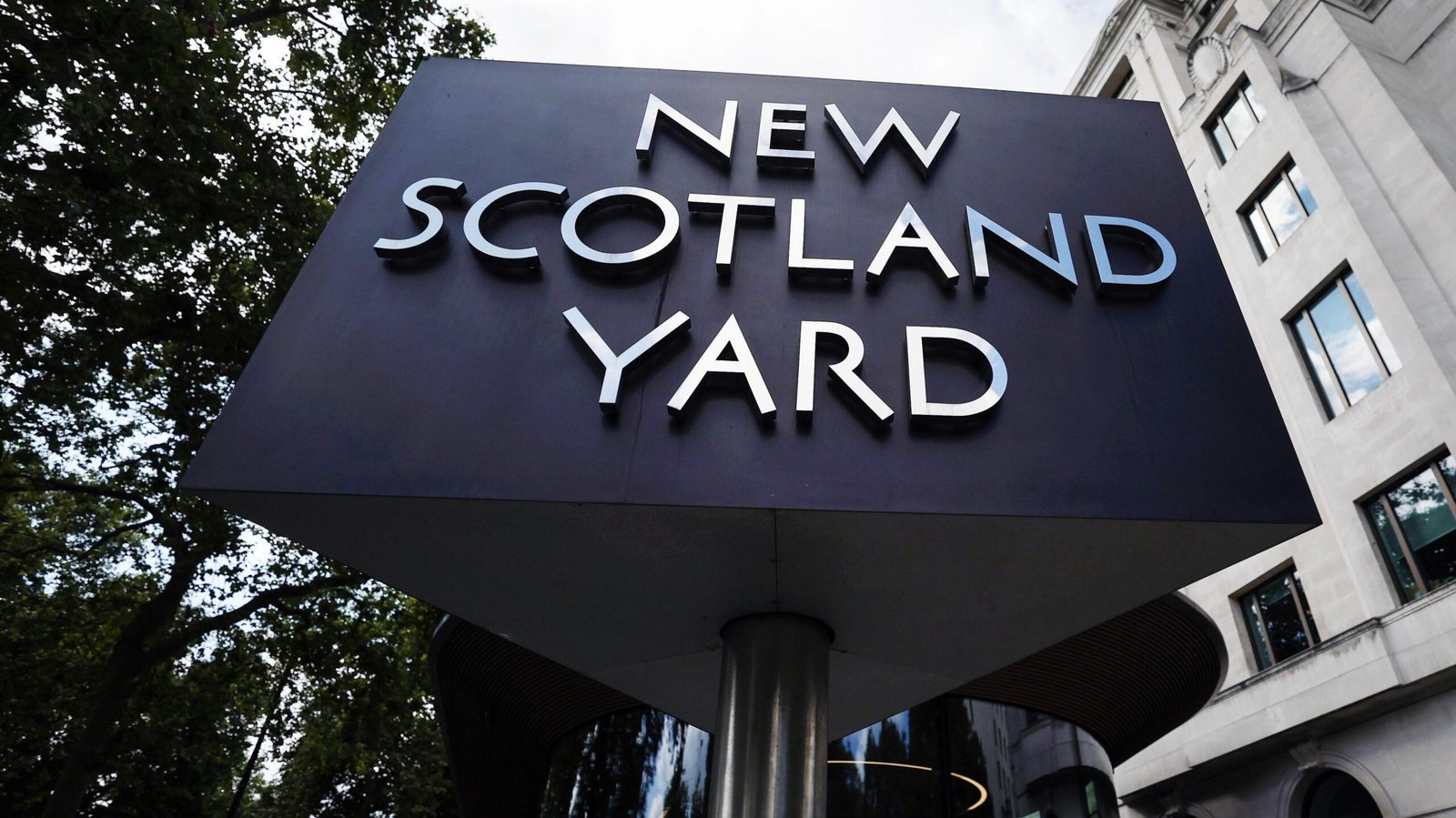
Scotland Yard has once again come under the spotlight after a BBC Panorama undercover investigation revealed alarming evidence of racism, Islamophobia, and misogyny within the Metropolitan Police Service, this time centered on Charing Cross police station. Despite previous efforts and reports aimed at reforming the culture within the Met, the documentary indicates that systemic problems persist, raising serious questions about leadership, accountability, and the implementation of long-standing recommendations.
The findings come three years after the Independent Office for Police Conduct (IOPC) conducted a comprehensive investigation into misconduct at Charing Cross station. At the time, the inquiry uncovered a toxic culture affecting not only the general public but also serving officers themselves, highlighting incidents of misogyny, racism, antisemitism, homophobia, Islamophobia, and ableism. The subsequent report included specific recommendations for the Met to address these issues, including measures to hold officers accountable and to foster a professional, inclusive environment.

In a candid interview reflecting on the new revelations, a former IOPC director for London emphasized the disheartening nature of the Panorama findings. “Three years ago, we exposed deep-rooted problems at Charing Cross. Recommendations were made, actions were taken, and yet, here we are again. Nothing has changed,” the official said. Their statement underlined the frustration shared by many within and outside the police service, noting that despite promises of reform, the culture enabling discriminatory behavior remains embedded.
The undercover investigation employed hidden cameras and audio recordings, capturing officers making offensive remarks and engaging in discriminatory behavior when they believed they were not being observed. The content of these recordings revealed casual misogyny, anti-immigrant sentiment, and Islamophobic and racist commentary. This toxic environment, the investigation suggests, is not the result of a few isolated individuals but rather indicative of structural issues within the force itself—a problem that has been likened to a “case study in failure.”
The former IOPC director stressed that the Panorama investigation is a clear reflection of far-right ideology infiltrating public services, a concern previously raised by community advocates and oversight bodies. “This isn’t about a few bad apples,” they said. “It’s about the barrel itself. Institutional racism and misogyny are still alive within the Met, and this documentary confirms the lived experiences of those affected.”
The Panorama revelations also highlighted the chilling impact on officers who wish to challenge discriminatory behavior but feel constrained by hierarchy and fear of retaliation. In one instance, a female officer, aware that offensive remarks were being made, felt unable to speak out because the perpetrator held a senior position. This underscores the systemic barriers that prevent accountability and reinforce harmful behaviors.
The documentary further stressed the importance of external oversight and critical voices in shaping meaningful reform. The former IOPC official pointed out that, following the Macpherson Report in the late 1990s—an inquiry into the police failures surrounding the murder of Stephen Lawrence—lay advisers were appointed to provide scrutiny and accountability. Over time, however, these structures have largely dissipated, leaving a gap in independent oversight that may have contributed to the re-emergence of the issues now under investigation.
Despite the Met’s current commissioner, Mark Rowley, emphasizing reform initiatives and the creation of a “new Met,” critics argue that rhetoric alone is insufficient. They highlight the disconnect between public assurances of change and the reality exposed by the Panorama investigation. The official emphasized the urgent need for leadership to engage with external stakeholders, including community groups and advocacy organizations, and to restore confidence in oversight mechanisms.
One key recommendation arising from the documentary is the necessity for the Met to repair its relationship with the National Black Police Association (NBPA), which represents Black officers and works to challenge racism and inequality within the service. Building trust and providing channels for officers to safely report misconduct are critical steps to ensure that toxic behaviors are not only identified but effectively addressed.
The Panorama investigation has renewed debate about the extent to which discriminatory behaviors are tolerated within the police service and the measures required to create meaningful cultural change. Analysts note that while procedural reforms have been implemented in recent years, including diversity training and policy updates, the persistence of prejudicial attitudes indicates that deeper structural reforms are needed. These may include more rigorous recruitment practices, continuous professional development emphasizing ethical conduct, and robust mechanisms for accountability that protect whistleblowers from retaliation.
The consequences of such a toxic environment extend beyond the force itself. Communities affected by racism, Islamophobia, and misogyny experience direct harm when law enforcement officers, who are entrusted with public safety, act in discriminatory ways. This erodes public confidence, undermines community relations, and hinders the effective delivery of justice. Advocates stress that the restoration of trust requires transparent investigations, meaningful engagement with affected communities, and consistent application of disciplinary measures.
In response to the Panorama findings, the Met has reiterated its commitment to rooting out discrimination and promoting equality, diversity, and inclusion across the service. However, critics argue that previous assurances following earlier scandals have proven insufficient, suggesting that only a sustained, independent, and transparent approach can prevent recurrence.
The implications of the Panorama report also extend to policymaking at the national level. Lawmakers, oversight bodies, and public agencies are now being called upon to evaluate whether existing frameworks for accountability and reform within the police are adequate. There is growing consensus that without external scrutiny and intervention, entrenched attitudes and behaviors will continue to compromise the integrity of the service.

Ultimately, the Panorama investigation is not only a revelation of individual misconduct but also a stark reminder of the broader cultural issues facing one of the UK’s most prominent law enforcement agencies. It underscores the need for leadership that not only speaks about change but enforces it through tangible, measurable actions, ensuring that the Metropolitan Police serves all communities equitably and justly.
The challenge ahead for the Met is immense. Reform must address not only behavior but also institutional culture, hierarchical dynamics, and accountability mechanisms. It requires a commitment from senior leadership, collaboration with external stakeholders, and a sustained effort to foster an environment in which all officers feel empowered to uphold ethical standards without fear.
As the public digests the findings from the undercover investigation, the message is clear: without substantial change, the cycle of misconduct and abuse will persist. Scotland Yard now faces both an opportunity and a test—an opportunity to implement meaningful reforms and a test of whether its leadership can translate promises of equality and justice into reality. For communities and officers alike, the stakes could not be higher.
Related News:
 Tasers Introduced in UK Prisons to Combat Rising Violence and Protect Staff
 Targeted Attack in Bury Sparks Murder Investigation as Community Awaits Justice
 Man Remanded After Children Fall Ill at Leicestershire Summer Camp in Shocking Child Cruelty Case
 Hunt Intensifies for Southport Riot Suspects as Police Release Full List of 40 Still at Large
 AI Revolutionises Grooming Gang Investigations as Police Target Cold Cases Across England and Wales
 Police Advised to Disclose Ethnicity of Suspects in High-Profile Cases
 Victim of Catfish Predator Max Hollingsbee Speaks Out: “I Will Always Be Angry He Took My Innocence”
 Two Police Officers Dismissed Following Death of Man in Custody
 Merseyside Police Helicopter Crew Cleared After Low-Altitude Pursuit of Suspect
 UK Launches Major Crackdown on Networks Profiting from Online Child Sexual Abuse
 Charlie Kirk Killing Used to Mobilise UK’s Largest Far-Right Rally in Decades
 No Evidence Found to Substantiate Alleged Rape in Oxfordshire Churchyard, Police Confirm
 UK Police to Gain New Powers to Manage Repeated Protests, Home Office Announces
 Madeleine McCann Detectives to Testify Against Woman Accused of Stalking the Family
 Afghan Man Guilty of Threatening Nigel Farage in TikTok Video
 Asylum Seeker Accused of Walsall Murder Seen Elated Post-Attack
 UK Gamer Recruited by Wagner Group Found Guilty of Arson
 Migrant Sex Offender Deported After Erroneous Prison Release
 Five More Prisoners Freed by Mistake in Essex Week
 Nearly 48,000 Zombie Knives Removed from UK Streets in a Year
 Afghan man charged with murder after west London knife attack
 Man Charged Over Cambridgeshire Train Stabbing
 Pregnant UK Teen to Be Freed from Georgian Jail
 French Taxi Driver Cleared in David Lammy Theft Case After Fare Dispute
 Just Stop Oil Protesters Convicted Amid Climate Defence Row
 Lammy ‘misinformed’ over Wandsworth prisoner releases
 Met Police Culture Makes Racial Harm ‘Inevitable’
 British Grandmother to Return Home After Death Sentence in Bali
 Bar Council urges legal aid for all domestic abuse family cases
 Judges to Decide Fate of Chief Constable Guilty of Contempt
 Victims’ commissioner Baroness Newlove dies aged 63
 ‘Fake Admiral’ Sparks Outrage at Remembrance Event
 Paralegal Fired After Exposé on Illegal Worker Scam
 Dan Wootton Rejects Catfishing Allegation in Court
 Serial Rapist and Former Cop Found Guilty Again
 Gardener Guilty of Brutal Attack on Teacher Partner
 Man Arrested Over Manchester Synagogue Terror Attack
 Twelve Prisoners Released in Error, Two Still Missing
 Northern Ireland Family of Three Shot Dead in Maguiresbridge Home Incident
 Prison System Faced Collapse Under Sunak’s Leadership, Reveals Damning Review
 Diane lost her husband to a reckless driver — and the long wait for justice was nearly just as agonizing.
 Mass Arrests in London as Protest Defies Ban on Palestine Action
 Alarming rise in abusive teen relationships in the UK sparks urgent warnings
 Inquest Finds Agency Worker Failings Led to Unlawful Death of Vulnerable 14-Year-Old
 Mother of Olivia Pratt-Korbel Issues Powerful Gun Crime Plea
 High Court Rules Against Noel Clarke in Libel Case Against Guardian Publisher
 Akinwale Arobieke Found Dead at Liverpool Home
 UK Mobile Retailers Lock Doors Amid Surge in Organised Phone Thefts
 Tanni Grey-Thompson Faces Abuse Over Opposition to Assisted Dying Bill
 Prime Suspect in Madeleine McCann Case Declines Metropolitan Police Interview Ahead of German Prison Release
 Teenager in Critical Condition Following Shooting Outside Wembley Stadium
 Mahmood Pledges Reform of Modern Slavery Laws After Court Blocks Deportation Appeal
 Migrants in UK May Need to Contribute or Face Removal, Home Secretary Signals
 Six Minutes of Terror: How Manchester Synagogue Attack Unfolded
 Stephen Lawrence’s Father Demands Justice Before Killer’s Parole
 Digital ID Plans Ignite Debate Over £600m Treasury Tax Boost and Privacy Concerns
 Cooper Unveils £4m Cyber Plan Against Russian Hackers
 Ambulance Worker Fired After Flinging Amputee from Wheelchair and Offering Bribe
 Ian Watkins Killed in Prison; Ex-Girlfriend Speaks Out
 Badenoch Warns Farage’s Grooming Gangs Plan Could Backfire
 Johnson Approved China’s London ‘Super-Embassy’ in 2018
 Mass Stabbing on Doncaster to London Train Leaves Ten Injured
 FBI Director Kash Patel Defends Girlfriend Amid Government Jet Claims
 Police Probe Four Knife Incidents Linked to Cambridgeshire Train Attack
 Newcastle United Lifts Ban on Fan Over Gender-Critical Views
 Jailed UK climate protesters face extremist-style restrictions
 King Charles to Lead Nation in Remembrance Sunday Service
 How to get help when a child goes missing – call 999 urgently
 ‘Reckless’ cuts to victims’ services will cost more than they save
 Government urges schools to ban phones to curb classroom disruption
 Pop Stars Call on UK Government to Cap Resale Prices for Fans
 Peers Flood Assisted Dying Bill with 942 Amendments
 Oklahoma Governor Grants Last-Minute Clemency to Death Row Inmate
 Rio Raid’s Death Toll Raises Questions About Gang Impact
 UK Asylum Overhaul Sparks Debate Over Human Rights and Deportations
 Mother Watches in Horror as Teen Daughter Dies on Tracks
 Charlotte Raids: 130 Arrested in Major Immigration Sweep
 Man Charged Over Attempted Murder of Senior Officer
 Peers Get Extra Time to Debate Assisted Dying Bill
 Virgin Media Fined £23.8m Over Telecare Safety Failures