Published: 09 October 2025. The English Chronicle Desk. The English Chronicle Online.
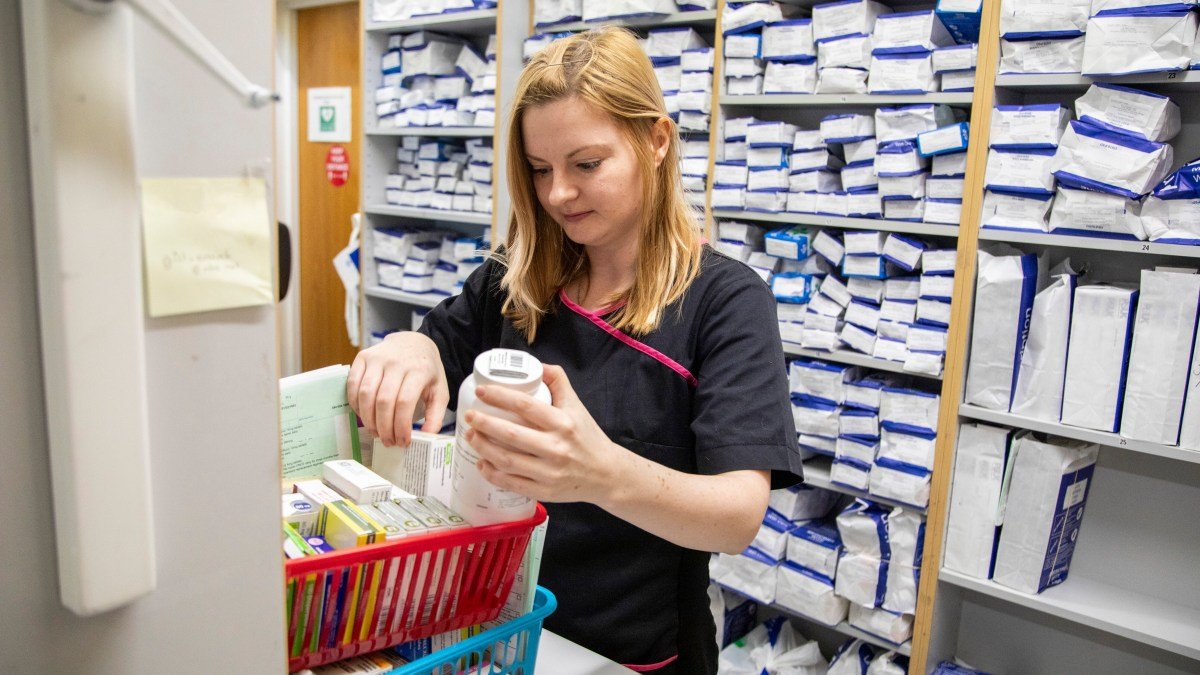
The UK government is preparing to increase the amount the NHS pays for medicines by up to 25% following weeks of intensive negotiations with pharmaceutical companies and the Donald Trump administration. The move aims to resolve a prolonged standoff over drug pricing, which has been cited as a factor in recent investment pauses by major pharma firms, including MSD (Merck in the US) and AstraZeneca.
Labour has reportedly drawn up proposals to revise the cost-effectiveness thresholds used by the National Institute for Health and Care Excellence (NICE) to assess new medicines. Currently, NICE considers treatments costing between £20,000 and £30,000 per additional year of good-quality life as good value for the NHS. Raising this threshold by 25%—unchanged since 1999—would allow more innovative and preventive treatments to be adopted.

The Association of the British Pharmaceutical Industry (ABPI) has urged urgent reform, suggesting the NICE threshold should be increased to £40,000–£50,000 and linked to inflation. Such changes would eventually require a greater share of NHS funding to be allocated to medicines.
The Department of Health and Social Care, in talks with the Treasury and Downing Street, is weighing how to finance the plan without cutting other NHS services. Health Secretary Wes Streeting proposed a deal over the summer that would save the pharmaceutical industry £1bn over three years, but the industry has argued it is set to repay £13.5bn over the same period and has requested approximately £2.5bn extra annually.
Government sources indicated that ministers are willing to spend more on medicines as treatments become increasingly innovative and preventive, citing examples such as weight-loss injections projected to save billions in obesity-related healthcare and trials for cancer-preventing vaccines.
Patient advocacy groups have voiced concerns. Just Treatment described the potential changes as “deeply troubling news for patients and the NHS,” warning that the UK risks importing the high me prices experienced in the US. Meanwhile, the NHS spent £20.6bn on medicines and medical devices in 2023-24, up from £19.2bn the previous year.
The row has also been influenced by US pressure, with Trump accusing other countries of “freeloading” on American medicine prices and threatening tariffs on pharmaceutical imports. In response, companies such as Pfizer and AstraZeneca have reduced prices in the US and started selling directly to patients to bypass intermediaries. Pfizer secured a three-year reprieve from tariffs in exchange for price cuts of up to 85%, setting a precedent for the sector.
Labour adviser Varun Chandra recently travelled to Washington, DC to negotiate with US officials and drug companies, aiming to secure an agreement that benefits the UK. A government spokesperson described the talks as part of a “landmark economic partnership” with the US, designed to support pharmaceutical exports and improve conditions for companies operating in the UK.

Opposition voices, including Liberal Democrat spokesperson Helen Morgan, criticised the government for appearing to prioritise US pressures over NHS affordability. She called on ministers to clarify costs and funding plans in Parliament, questioning the impact on patients and NHS resources.
The dispute has already had tangible consequences. Since the breakdown of the voluntary pricing scheme in late August, MSD has shelved plans for a £1bn research centre in London, while AstraZeneca and Eli Lilly have paused projects, putting nearly £2bn in UK pharma investment on hold this year alone.
The proposed increase in NHS medicine payments represents a high-stakes attempt to balance innovation, patient access, and international investment pressures, highlighting the complex interplay between domestic healthcare priorities and global pharmaceutical negotiations.
Related News:
 North Sea oil workers must lose weight or face job loss
 Anglian Water Fined £63 Million Over Sewage Scandal Amid National Outrage
 How to Exit Your Broadband Contract Without Paying Exit Fees
 UK Launches World-First Gonorrhoea Vaccine Amid Record Infection Surge
 Permission Granted for Britain’s First Vertical Rocket Launch at Shetland Spaceport
 AI Tools Used by English Councils Found to Downplay Women’s Health Issues, Raising Concerns Over Gender Bias in Care
 Breakthrough Clinical Trial Lets 12-Year-Old Boy with Rare Skin Disorder Play Football
 Government Expands Electric Car Grant Scheme, Offers Discounts on Five More Models
 Hot Tea and Coffee Found to Contain Highest Levels of Microplastics in Popular Drinks
 Expanded Access to Health Diagnostics in England Now Available Beyond Standard Hours
 Shocking Rise in Children’s Exposure to Violent Online Pornography Raises Alarm
 Ed Davey Urges Government to Block Elon Musk’s Tesla from Supplying UK Home Energy
 UK Could Generate Nearly £2bn Annually by Taxing SUVs, New Study Reveals
 Google Pledges £5bn AI Investment in UK Ahead of Trump State Visit
 Donald Trump’s UK State Visit Kicks Off Amid Major Tech Investments and Business Engagements
 Jaguar Land Rover Extends Production Halt Following Cyber-Attack
 British AI Startup Outshines Human Forecasters in Global Prediction Contest
 Ed Davey Urges UK to Attract US Cancer Scientists Amid Funding Cuts Under Trump
 Omeprazole Alert: NHS Issues Guidance on Safe Use for Heartburn and Indigestion
 UK Graduates and Healthcare Workers Face Steep Challenges as Job Market Slows
GPs in England Warn of Overload as Nationwide Online Appointment System Approaches
UK Graduates and Healthcare Workers Face Steep Challenges as Job Market Slows
GPs in England Warn of Overload as Nationwide Online Appointment System Approaches
 Royal Mail Owner Acquires Stake in Collect+ and Launches High Street Rebrand
 Jaguar Land Rover to Resume Production After Cyber-Attack, Launches Supplier Support Scheme
 Eligibility Confusion Over COVID Vaccination Leaves Pharmacies Struggling Across the UK
 Majority of UK Men Would Opt for Prostate Cancer Screening, Survey Finds
 Scientists Announce First Potentially Accurate Blood Test for Chronic Fatigue Syndrome
 Survey Shows Most GPs Rushing Appointments
 Genetic Tests May Predict Return of Blood Cancer
 UK Woman Becomes Longest Survivor of Heart-Lung Transplant
 UK Vets May Be Forced to Publish Prices After CMA Probe
 Watchdog Rules Red Tractor Ad Misled Public on Environmental Claims
 Thousands in the UK sue Johnson & Johnson over alleged talcum powder, linked to cancer
 ‘Game-Changing’ HIV Prevention Jab Set for NHS Approval
 Eurostar to launch doubledecker trains through Channel Tunnel by 2031
 Breath test could ‘revolutionise’ pancreatic cancer treatment
 How Bringing Forests Into Preschools Boosts Children’s Health
 Experts Urge Legal Right to Timely Cancer Care
 Patients to Test Health at Home to Ease NHS Winter Pressure
 NHS Takes Over Nuffield Hospital in ‘Windfall’ for London Care
 No link found between paracetamol in pregnancy and autism
 UK launches major AI drive to fight deadly superbugs
 Coffins Now Too Large to Cremate Amid Rising Obesity Crisis
 UK Taskforce Unveils Plan to Streamline Nuclear Reactor Rules
 Thinktank Urges Smaller Hospitals to End NHS ‘Permacrisis’
 NHS paediatric leave parents waiting months for answers
 Concerns Mount Over Accuracy of At-Home Health Tests as Study Calls for Stricter Regulation
 The Ketamine Crisis in the UK is a Silent Epidemic Leaving Users with Lifelong Pain
 Chancellor Rachel Reeves Pushes for Sweeping Changes to Environmental Protections to Accelerate Development
 Inflation Latest: Cost of Living Expected to Rise Again in Key Figures Released Today
 Why E-Bikes and E-Scooters Are Making Streets a ‘Nightmare’ for Blind People
 Shein UK Faces Allegations of Shifting Majority of Profits to Singapore to Reduce UK Tax
 Millions in the UK at Higher Risk of Heart Failure and Stroke Due to Air Pollution, Study Warns
 British Pilot Joins Crew Training for Year-Long Mars Simulation Mission
 Big Pharma Investment Freeze Puts UK Life Sciences Sector Under Strain
 Systemic Racism in Maternity Care Continues to Endanger Black Women in England, MPs Warn
 One in Three GPs in England Do Not Work in NHS, Raising Concerns Over Access to Care
 Persistent Offenders Owe Over £700m in Ulez Fines as TfL Cracks Down on Evasion
 Great Britain’s Energy Operator Commits to Strengthening Grid to Prevent Blackouts
 UK Government Backs Return of International Rail Travel to Kent Stations
 Wetherspoon vows to keep prices low amid soaring energy and tax costs
 Questions Remain as Rugby Legend Lewis Moody Faces Motor Neurone Disease Diagnosis
 UK House Price Growth Slows as Buyers Exercise Caution Ahead of Autumn Budget
 Kemi Badenoch Unveils ‘Golden Rule’ to Halve Spending Cuts for Deficit Reduction at Tory Conference
 Cooper Unveils £4m Cyber Plan Against Russian Hackers
 Yvette Cooper Backs Digital ID Plan for UK Teens
 Women Challenge Meta Over Targeted Ads After Miscarriage
 Pizza Hut to shut 68 sites after collapsing into administration
 Reform UK candidate fined £19,000 after using AI-generated cases to challenge election
 Harry and Meghan join global AI leaders urging superintelligence ban
 One in 12 Secondary Pupils Sent to Isolation Weekly
 Hospice Cuts Raise Alarm Across England Amid Funding Crisis
 Tony Blair think tank warns Rachel Reeves must cut taxes if manifesto broken
 New laws to bolster UK’s defences against cyber attacks on NHS, transport and energy
 Valve Opens the Door for Android Games on Steam
 Global markets drop amid tech sell-off and China slowdown
 ‘Traumatic Wait’: Northern Ireland Women Face Breast Cancer Delays
 Healthy Habits in Your 30s That Boost Life in Your 70s
 Fibromyalgia Patients Struggle as NHS Fails to Provide Care
 Virgin Media Fined £23.8m Over Telecare Safety Failures
 Rising Water Bills Lift Troubled Thames Back to Profit