Published: 14 October 2025. The English Chronicle Desk. The English Chronicle Online.
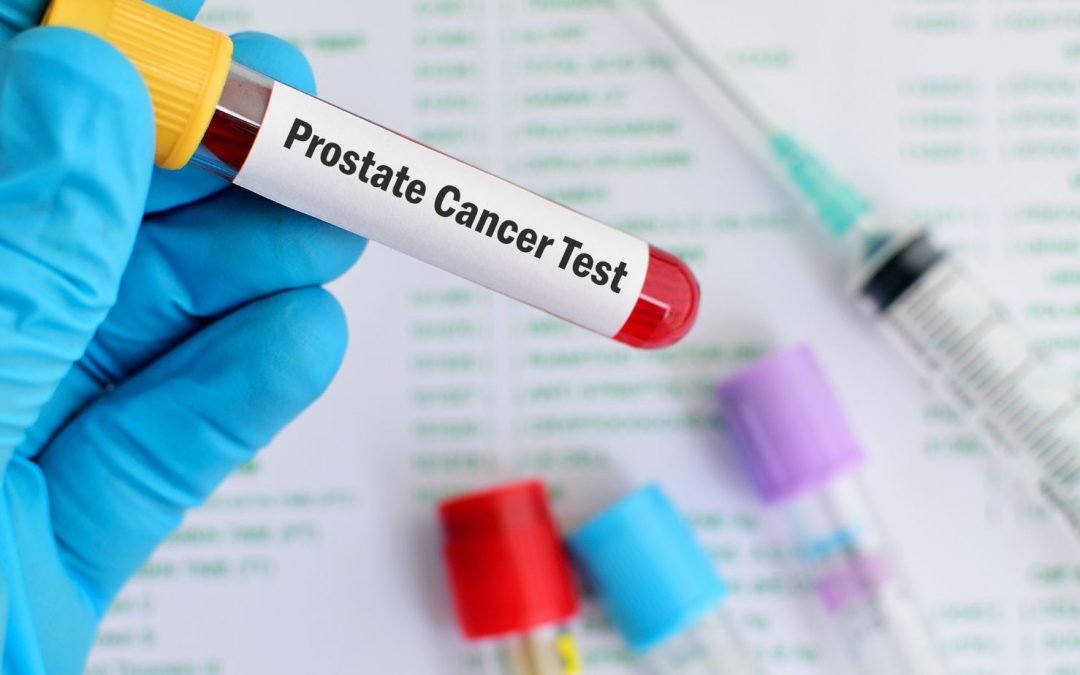
A new report suggests that targeted prostate cancer screening could save thousands of lives each year at a cost of just £18 per person, offering what experts describe as a “generational opportunity” to improve men’s health across the UK.
The findings indicate that screening men most at risk – including those who are black, have a family history of the disease, carry genes linked to prostate cancer, and are aged between 45 and 69 – could prevent thousands of deaths and add more than 1,200 years of life annually. The research, due to be presented in the House of Commons on Tuesday, also shows that expanding screening to all men aged 50 to 69 would still cost significantly less than the NHS breast cancer screening programme, which currently costs £22 per woman.
The proposal comes after long-standing debates about the effectiveness and cost of PSA (prostate-specific antigen) testing. For years, the UK National Screening Committee (UK NSC) has resisted introducing a formal screening programme, citing concerns about the reliability of PSA tests and the risk of overdiagnosis. However, recent advances in diagnostic tools, including MRI-guided testing, have strengthened the case for targeted screening by allowing clinicians to more accurately identify cases that require treatment.

Professor Calvin Bailey, chairman of the All-Party Parliamentary Group on prostate cancer, emphasised the potential impact of the proposed approach. “By targeting the men who are at highest risk, we can make the programme extremely cost-effective while saving lives that would otherwise be lost to this devastating disease,” he said. The research estimates that targeted testing would cost roughly £20,000 for every year of life saved, a figure well within the thresholds usually considered cost-effective for NHS interventions.
Former Prime Minister Rishi Sunak, who has publicly called for the introduction of targeted screening, welcomed the report’s findings. “This report makes clear that a targeted screening programme for prostate cancer is deliverable and would save lives,” Sunak said. “The screening committee should now seize this chance to make a generational impact on men’s health, deliver the preventative care our country needs, and give thousands of families more precious years together.”
The report will be officially launched at a reception in Westminster, with Sunak, Deputy Prime Minister David Lammy, and Bailey in attendance. Lammy, who has personal experience with the disease in his own family, highlighted the urgency of the issue. He revealed last year that three of his uncles and his brother had prostate cancer, and he himself faced a prostate scare before the last general election. “Because of my own ethnic profile, and because of these instances in my own family, it was a little bit hairy and a little bit scary,” he said, adding that targeted screening could provide reassurance and save lives for men facing similar risks.
Statistics underline the pressing need for action. Prostate cancer is the most common cancer in men in the UK, with approximately 67,000 new diagnoses and 12,000 deaths annually. Men of Black African or Caribbean heritage are twice as likely to develop the disease and face significantly higher mortality rates, while a family history or certain genetic factors can also sharply increase risk. Campaigners argue that the current reliance on opportunistic testing – where men must request a PSA test from their GP – leaves many at high risk without adequate protection, particularly in deprived areas where uptake is lowest and death rates are often highest.
Charities and health experts have also pointed to the evolving scientific evidence supporting screening. Modern diagnostic pathways allow for more precise use of MRI scans and biopsies, reducing the likelihood of overdiagnosis and unnecessary treatment, a central concern in previous UK NSC assessments. The report notes that a modest increase of around 23 per cent in PSA tests, MRIs, and biopsies would be sufficient to accommodate the targeted screening programme. The workforce implications are minimal, requiring only a 0.01 per cent increase in GP numbers, a 0.4 per cent increase in pathologists, and five additional MRI machines nationally.
Cost considerations further strengthen the case for action. Offering targeted checks to around 1.4 million high-risk men every five years would amount to roughly £25 million, while saving an estimated 1,254 years of life annually. Expanding the programme to include all men aged 50 to 69 would still be cheaper than the NHS breast cancer screening programme, at a projected cost of £144 million compared with £199 million for breast checks. The report describes these costs as “modest” and within reach of the NHS, especially given the potential health gains and prevention of late-stage cancer treatments, which are far more expensive and resource-intensive.
The political dimension of the debate is significant. With the UK NSC set to report next month, charities and campaigners are pressing the government to take decisive action, arguing that failure to implement a screening programme would perpetuate preventable deaths. Prostate Cancer Research and other organisations point to international examples, noting that countries such as the United States and parts of Europe have successfully integrated PSA testing into national screening strategies, particularly for high-risk populations.

Critics have historically raised concerns that screening might lead to overdiagnosis, unnecessary biopsies, and anxiety for men who test positive for PSA elevations that do not indicate aggressive cancer. However, the new report argues that advances in imaging and follow-up protocols effectively address these risks, making a targeted approach both safe and clinically beneficial.
The discussion also touches on health inequalities. Uptake of voluntary PSA testing is lowest in deprived communities, leaving men in these areas disproportionately vulnerable to late diagnoses. By proactively offering targeted screening, the programme could reduce disparities in outcomes and ensure that high-risk populations receive timely intervention. The report makes clear that targeted testing is both a clinically sound and socially responsible public health strategy.
Stakeholders emphasise that the window for implementation is narrow but achievable. With political support from figures such as Sunak, Lammy, and Bailey, alongside evidence-based backing from leading medical experts, the introduction of targeted prostate screening could mark a turning point in men’s healthcare in the UK. Advocates argue that inaction would represent a missed opportunity to prevent thousands of deaths and improve the quality of life for men and their families.
In summary, the report presents a compelling case for the NHS to adopt targeted prostate cancer screening for high-risk men. At just £18 per person, the programme promises to save lives, add years of life, and do so at a cost lower than many existing national screening initiatives. With improved diagnostics, modest workforce adjustments, and political will, experts say the intervention is feasible, affordable, and urgently needed. As the debate continues in the Commons, health campaigners hope that decision-makers will seize the opportunity to implement a screening programme that could have a profound and lasting impact on men’s health across the country.
Related News:
 The Ketamine Crisis in the UK is a Silent Epidemic Leaving Users with Lifelong Pain
 Woman Warned She Might Need Leg Amputation to Survive After Liquid Brazilian Butt Lift
 Alarming rise in abusive teen relationships in the UK sparks urgent warnings
 Breakthrough Clinical Trial Lets 12-Year-Old Boy with Rare Skin Disorder Play Football
 Over 65? Gardening Instincts Can Help You Spot Financial Fraud
 Inquest Finds Agency Worker Failings Led to Unlawful Death of Vulnerable 14-Year-Old
 Expanded Access to Health Diagnostics in England Now Available Beyond Standard Hours
 Shocking Rise in Children’s Exposure to Violent Online Pornography Raises Alarm
 Experienced Skydiver Dies by Suicide Following Relationship Breakdown
 Martha’s Rule Now Fully Implemented Across All Acute Hospitals in England
 Why E-Bikes and E-Scooters Are Making Streets a ‘Nightmare’ for Blind People
 Council Proposes Limits on Ice Cream Van Music and Parking in South Cambridgeshire
 Norfolk Hospital Ranked Worst in England as NHS League Tables Return
 Ofsted Pushes Ahead with Controversial New Inspection Regime Despite Widespread Opposition
 More Than Half of UK Births Now Involve Medical Intervention
 Hospices ‘on the Brink’ as Assisted Dying Legislation Looms
 NHS ‘Toxic Culture’ Risks Harm to Mothers and Babies, Health Leader Warns
 First Group of Children from Gaza Arrive in UK for Life-Saving NHS Treatment
 One in Three GPs in England Do Not Work in NHS, Raising Concerns Over Access to Care
 UK Doctors Guilty of Sexual Misconduct Continue Practising Amid Weak Sanctions, Research Finds
 Private Psychology Costs Surge in UK as Practitioners Turn Away Clients Amid Record Demand
NHS Urged to Revamp Prostate Cancer Treatment for Black Men Amid Rising Death Toll
Private Psychology Costs Surge in UK as Practitioners Turn Away Clients Amid Record Demand
NHS Urged to Revamp Prostate Cancer Treatment for Black Men Amid Rising Death Toll
 Heavy Drinkers Lead Growth in Non-Alcoholic and Low-Alcohol Market
 One Lap, 400 Miles, One Week: GP Sets Sights on Cornwall Perimeter Record Run
 Starmer Unveils Plan for NHS “Online Hospital” to Tackle Waiting Lists
 Tragic Death Strikes Half-Marathon in Stoke-on-Trent: Runner Dies Shortly After Crossing Finish Line
 Medical Cannabis Offers New Hope for British Women Struggling with Chronic Pain
 One in four UK residents fear a loved one drinks excessively as addiction concerns rise
 Majority of UK Men Would Opt for Prostate Cancer Screening, Survey Finds
One in Three UK Workers Call in Sick After Work Drinks as Cultural Pressures Persist, Survey Finds
Majority of UK Men Would Opt for Prostate Cancer Screening, Survey Finds
One in Three UK Workers Call in Sick After Work Drinks as Cultural Pressures Persist, Survey Finds
 NHS Facilities Staff Vote to Strike Over Pay Discrimination
 Ambulance Worker Fired After Flinging Amputee from Wheelchair and Offering Bribe
 Women Challenge Meta Over Targeted Ads After Miscarriage
 Mum’s Final Wish: Donating Her Body to Science
 UK Woman Becomes Longest Survivor of Heart-Lung Transplant
 Phillipson Warns Parents Over Poor Quality Online Advice
 Pregnant Women in England Face Rising Risk of Severe Birth Injury
 My ADHD left me drowning in debt and unable to cope
 One in 12 Secondary Pupils Sent to Isolation Weekly
 M&S and Morrisons Lead Christmas Supermarket Taste Test
 Mother dies after black market weight loss injection
 Young Woman Missed 13 Times by GPs Before Bowel Cancer Diagnosis
 UK Health Leaders Push for Urgent Tobacco & Vape Bill
 Man Trapped in Quicksand Rescued in Dramatic Coastal Rescue
 Hospice Cuts Raise Alarm Across England Amid Funding Crisis
 Morning-After Pill Now Free Across England’s Pharmacies
 Experts Warn on Home Birth Risks, Call for Skilled Midwives
 Experts Urge Legal Right to Timely Cancer Care
 NHS Takes Over Nuffield Hospital in ‘Windfall’ for London Care
 North Sea oil workers must lose weight or face job loss
 Crisis charity to become landlord amid UK housing emergency
No link found between paracetamol in pregnancy and autism
Crisis charity to become landlord amid UK housing emergency
No link found between paracetamol in pregnancy and autism
 UK Disability Pay Gap Means Millions Work for Free From Today
 Shouting Works Best to Deter Gulls, UK Study Finds
 Reeves rejects £1bn plea for NHS redundancy payouts
 NHS trust fined after woman takes life in mental health unit
 Leading doctors issue warning amid ‘bad’ flu season
 New Campaign Trains Vets to Spot Farmers’ Health Risks
 ‘Traumatic Wait’: Northern Ireland Women Face Breast Cancer Delays
 Coffins Now Too Large to Cremate Amid Rising Obesity Crisis
 David Cameron Reveals Prostate Cancer Diagnosis, Advocates Screening
 Five-Year-Old Dies After Rare Tonsil Surgery Complication
 Fibromyalgia Patients Struggle as NHS Fails to Provide Care
 “Enough is Enough”: Local MP Vows to Fight Rainham Quarry Plans
 More Patients Now Contacting GPs Online, Data Shows
 Heartbreak in the New Forest as Shetland Ponies Vanish, Community on Edge
 Birmingham Bin Strike Enters Sixth Month as Negotiations Stall
 Over 40% of Private Renters Forced to Ration Energy to Afford Bills, Study Reveals
 Systemic Racism in Maternity Care Continues to Endanger Black Women in England, MPs Warn
 Northern Ireland Faces Fears of Prolonged Race Riot “Permacrisis”
 Scottish Teenager’s Petition on Single-Use Plastics Gains Parliamentary Support
White Low-Income Pupils in England Show Lowest Levels of School Engagement, Study Finds
Scottish Teenager’s Petition on Single-Use Plastics Gains Parliamentary Support
White Low-Income Pupils in England Show Lowest Levels of School Engagement, Study Finds
 Massive London Poundland Fire Engulfs High Street
 Children to Learn Local History in Major Curriculum Overhaul
 Prince William Plants Trees with Brazil’s Nature Heroes
 How to get help when a child goes missing – call 999 urgently
 Son Reveals UK Couple in Iran Resort to Hunger Strike for Help
 Mother Watches in Horror as Teen Daughter Dies on Tracks
 Vicki Fears Losing Motability Car
 Virgin Media Fined £23.8m Over Telecare Safety Failures