Published: 17 October 2025. The English Chronicle Desk. The English Chronicle Online.
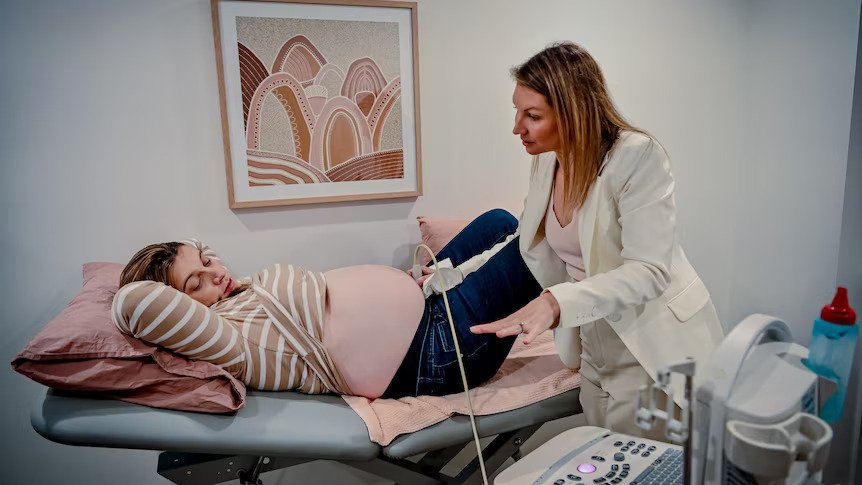
Pregnant women in England are facing a growing risk of severe injury during childbirth, according to recent NHS figures. The number of mothers experiencing third- or fourth-degree perineal tears has increased from 25 in 1,000 births in June 2020 to 29 in 1,000 in June 2025, representing a 16% rise. Such injuries can have profound and lasting effects on women’s physical and mental health, including post-traumatic stress disorder and fear of future pregnancies.
Experts link the rise in serious tears to a combination of factors, including understaffed NHS maternity units, inadequate risk assessments, and the increasing age and size of mothers. Hospitals are criticised for not consistently using recommended methods to evaluate the likelihood of perineal injuries, leaving many women at heightened risk during childbirth.

“Behind these figures are heartbreaking stories of women suffering unimaginable trauma at a moment that should be full of joy,” said Helen Morgan, the Liberal Democrat health spokesperson, who obtained the NHS data from the House of Commons library. Morgan also criticised successive governments for failing to safeguard maternal health adequately.
Almost 3% of women giving birth in England now suffer severe perineal tears, injuries that can damage the anal sphincter, causing long-term pain, incontinence, and birth trauma. The rise comes amid heightened scrutiny of NHS maternity services, prompting Health Secretary Wes Streeting to launch a national inquiry and establish a taskforce to improve care.
Poor recognition and management of severe tears contribute significantly to maternity errors, which cost the NHS over £1 billion annually. For example, University Hospitals Sussex NHS Trust agreed in August to pay £500,000 in damages to a woman who suffered lifelong complications after a fourth-degree tear was misdiagnosed at Princess Royal Hospital in Haywards Heath in 2021. The error resulted in a rectovaginal fistula, chronic pain, psychosexual difficulties, PTSD, and an inability to return to full-time work.
Third- and fourth-degree tears, known as obstetric anal sphincter injuries (OASI), affect the perineum, anal sphincter, and, in the case of fourth-degree tears, the rectum. Chloe Oliver, chief executive of the birth injury charity Mothers with Anal Sphincter Injuries in Childbirth, explained that OASI injuries are more likely during prolonged labour, first births, back-to-back babies, forceps deliveries, babies weighing over 4kg, and among mothers of Asian ethnicity. Injuries are also more common when forceps or ventouse suction devices are used.
Oliver emphasised the devastating effects of OASI, including chronic pelvic pain, urinary and faecal incontinence, difficulties with bonding and breastfeeding, psychosexual dysfunction, relationship or career breakdown, postnatal depression, anxiety, PTSD, and tokophobia—a fear of future pregnancies.
The National Maternity and Perinatal Audit report revealed that 3.29% of women giving birth vaginally in England, Scotland, and Wales in 2023 suffered some form of perineal tear. Dr Ranee Thakar, president of the Royal College of Obstetricians and Gynaecologists, noted that while most tears are minor and heal quickly, deeper tears require surgical repair and prolonged recovery.
To mitigate risk, all maternity units should implement the “OASI care bundle,” designed to assess the likelihood of severe tears. However, experts warn this protocol is not consistently followed, leaving many mothers vulnerable.

A Department of Health and Social Care spokesperson acknowledged the trauma caused by severe tears, stressing that the government has inherited a system in need of reform. They highlighted ongoing initiatives, including the national maternity investigation, taskforce, and expanded perinatal pelvic health services, aimed at reducing the incidence of perineal injuries and improving care standards across England.
As concern grows over the rising number of severe childbirth injuries, healthcare professionals, advocates, and policymakers are urging immediate action to ensure mothers can experience childbirth safely, with better risk assessment, staffing, and postnatal support. The issue has prompted wider discussions about maternity care quality, long-term health consequences, and the urgent need to prioritise maternal wellbeing across the NHS.
The NHS continues to monitor trends in perineal injuries, aiming to implement preventative measures that reduce risks for women giving birth. Awareness campaigns, training for maternity staff, and robust care protocols are being emphasised as vital steps to ensure that childbirth is safe and that mothers do not endure unnecessary trauma during one of life’s most significant moments.
Related News:
 The Ketamine Crisis in the UK is a Silent Epidemic Leaving Users with Lifelong Pain
 Woman Warned She Might Need Leg Amputation to Survive After Liquid Brazilian Butt Lift
 Alarming rise in abusive teen relationships in the UK sparks urgent warnings
 Breakthrough Clinical Trial Lets 12-Year-Old Boy with Rare Skin Disorder Play Football
 Over 65? Gardening Instincts Can Help You Spot Financial Fraud
 Inquest Finds Agency Worker Failings Led to Unlawful Death of Vulnerable 14-Year-Old
 Expanded Access to Health Diagnostics in England Now Available Beyond Standard Hours
 Shocking Rise in Children’s Exposure to Violent Online Pornography Raises Alarm
 Experienced Skydiver Dies by Suicide Following Relationship Breakdown
 Martha’s Rule Now Fully Implemented Across All Acute Hospitals in England
 Why E-Bikes and E-Scooters Are Making Streets a ‘Nightmare’ for Blind People
 Council Proposes Limits on Ice Cream Van Music and Parking in South Cambridgeshire
 Norfolk Hospital Ranked Worst in England as NHS League Tables Return
 Ofsted Pushes Ahead with Controversial New Inspection Regime Despite Widespread Opposition
 More Than Half of UK Births Now Involve Medical Intervention
 Hospices ‘on the Brink’ as Assisted Dying Legislation Looms
 NHS ‘Toxic Culture’ Risks Harm to Mothers and Babies, Health Leader Warns
 First Group of Children from Gaza Arrive in UK for Life-Saving NHS Treatment
 One in Three GPs in England Do Not Work in NHS, Raising Concerns Over Access to Care
 UK Doctors Guilty of Sexual Misconduct Continue Practising Amid Weak Sanctions, Research Finds
 Private Psychology Costs Surge in UK as Practitioners Turn Away Clients Amid Record Demand
NHS Urged to Revamp Prostate Cancer Treatment for Black Men Amid Rising Death Toll
Private Psychology Costs Surge in UK as Practitioners Turn Away Clients Amid Record Demand
NHS Urged to Revamp Prostate Cancer Treatment for Black Men Amid Rising Death Toll
 Heavy Drinkers Lead Growth in Non-Alcoholic and Low-Alcohol Market
 One Lap, 400 Miles, One Week: GP Sets Sights on Cornwall Perimeter Record Run
 Starmer Unveils Plan for NHS “Online Hospital” to Tackle Waiting Lists
 Tragic Death Strikes Half-Marathon in Stoke-on-Trent: Runner Dies Shortly After Crossing Finish Line
 Medical Cannabis Offers New Hope for British Women Struggling with Chronic Pain
 One in four UK residents fear a loved one drinks excessively as addiction concerns rise
 Majority of UK Men Would Opt for Prostate Cancer Screening, Survey Finds
One in Three UK Workers Call in Sick After Work Drinks as Cultural Pressures Persist, Survey Finds
Majority of UK Men Would Opt for Prostate Cancer Screening, Survey Finds
One in Three UK Workers Call in Sick After Work Drinks as Cultural Pressures Persist, Survey Finds
 NHS Facilities Staff Vote to Strike Over Pay Discrimination
 Ambulance Worker Fired After Flinging Amputee from Wheelchair and Offering Bribe
 Women Challenge Meta Over Targeted Ads After Miscarriage
 Mum’s Final Wish: Donating Her Body to Science
 UK Woman Becomes Longest Survivor of Heart-Lung Transplant
 Phillipson Warns Parents Over Poor Quality Online Advice
£18 Prostate Cancer Test Could Save Thousands of Lives
Phillipson Warns Parents Over Poor Quality Online Advice
£18 Prostate Cancer Test Could Save Thousands of Lives
 My ADHD left me drowning in debt and unable to cope
 One in 12 Secondary Pupils Sent to Isolation Weekly
 M&S and Morrisons Lead Christmas Supermarket Taste Test
 Mother dies after black market weight loss injection
 Young Woman Missed 13 Times by GPs Before Bowel Cancer Diagnosis
 UK Health Leaders Push for Urgent Tobacco & Vape Bill
 Man Trapped in Quicksand Rescued in Dramatic Coastal Rescue
 Hospice Cuts Raise Alarm Across England Amid Funding Crisis
 Morning-After Pill Now Free Across England’s Pharmacies
 Experts Warn on Home Birth Risks, Call for Skilled Midwives
 Experts Urge Legal Right to Timely Cancer Care
 NHS Takes Over Nuffield Hospital in ‘Windfall’ for London Care
 North Sea oil workers must lose weight or face job loss
 Crisis charity to become landlord amid UK housing emergency
 No link found between paracetamol in pregnancy and autism
 UK Disability Pay Gap Means Millions Work for Free From Today
 Shouting Works Best to Deter Gulls, UK Study Finds
 Reeves rejects £1bn plea for NHS redundancy payouts
 NHS trust fined after woman takes life in mental health unit
 Leading doctors issue warning amid ‘bad’ flu season
 New Campaign Trains Vets to Spot Farmers’ Health Risks
 ‘Traumatic Wait’: Northern Ireland Women Face Breast Cancer Delays
 Coffins Now Too Large to Cremate Amid Rising Obesity Crisis
 David Cameron Reveals Prostate Cancer Diagnosis, Advocates Screening
 Five-Year-Old Dies After Rare Tonsil Surgery Complication
 Fibromyalgia Patients Struggle as NHS Fails to Provide Care
 “Enough is Enough”: Local MP Vows to Fight Rainham Quarry Plans
 More Patients Now Contacting GPs Online, Data Shows
 Heartbreak in the New Forest as Shetland Ponies Vanish, Community on Edge
 Birmingham Bin Strike Enters Sixth Month as Negotiations Stall
 Over 40% of Private Renters Forced to Ration Energy to Afford Bills, Study Reveals
 Systemic Racism in Maternity Care Continues to Endanger Black Women in England, MPs Warn
 Northern Ireland Faces Fears of Prolonged Race Riot “Permacrisis”
 Scottish Teenager’s Petition on Single-Use Plastics Gains Parliamentary Support
White Low-Income Pupils in England Show Lowest Levels of School Engagement, Study Finds
Scottish Teenager’s Petition on Single-Use Plastics Gains Parliamentary Support
White Low-Income Pupils in England Show Lowest Levels of School Engagement, Study Finds
 Ed Miliband Warns UK Government on X, Citing Elon Musk as a “Dangerous Influence”
 Massive London Poundland Fire Engulfs High Street
 Sussexes Warn on Children’s Phone Use Echoing Princess of Wales
 Children to Learn Local History in Major Curriculum Overhaul
 Prince William Plants Trees with Brazil’s Nature Heroes
 How to get help when a child goes missing – call 999 urgently
 Son Reveals UK Couple in Iran Resort to Hunger Strike for Help
 Virgin Media Fined £23.8m Over Telecare Safety Failures