Published: 21 October 2025. The English Chronicle Desk. The English Chronicle Online.
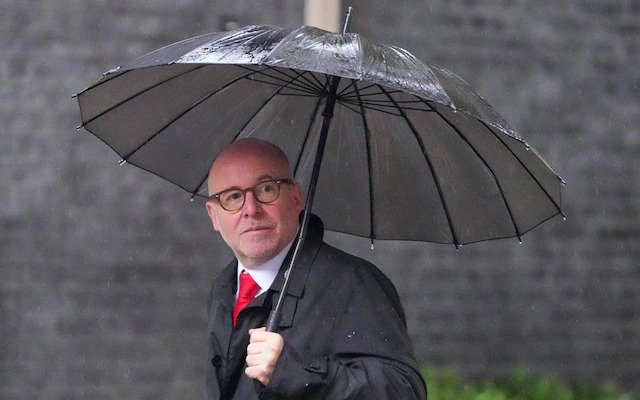
Lord Hermer, the UK Attorney General, is set to appear before Parliament next week to answer questions regarding his potential involvement in the high-profile espionage case involving Christopher Cash and Christopher Berry. The inquiry comes amid growing public scrutiny over the collapse of the case, which has been a political headache for the government.
The Joint Committee on the National Security Strategy has summoned Lord Hermer to provide evidence on whether he “intervened” in the handling of the espionage investigation, which involved allegations that Cash and Berry collected intelligence from Parliament and passed it to Chinese intelligence services between 2021 and 2023. Alongside Lord Hermer, Darren Jones, the Chancellor of the Duchy of Lancaster, has also been called to give evidence, reflecting the committee’s interest in clarifying the government’s role in the controversial collapse.

The case against Cash and Berry, both of whom deny wrongdoing, collapsed unexpectedly earlier this month, prompting immediate questions about potential political or ministerial influence. The Government’s involvement—or lack thereof—was first reported by The Telegraph, which suggested that senior officials may have been aware of the case’s fragility before it formally ended.
In a letter sent to Lord Hermer, the committee’s chairman, Matt Western, outlined a series of detailed questions regarding the Attorney General’s potential role. These include whether Hermer had been made aware of difficulties in the case before it collapsed, whether he had been consulted on the decision to discontinue proceedings, and whether it would have been appropriate for him to intervene in the decision-making process. Lord Hermer has been asked to respond to the letter by Thursday, ahead of his public appearance next week.
Although the Government has repeatedly denied that any ministers or special advisers were involved in submitting evidence for the case, the spotlight remains on Sir Keir Starmer’s administration. Downing Street has confirmed that Starmer was informed two days before the trial’s collapse that the case was at risk, but he did not intervene to provide additional evidence. This disclosure has fuelled speculation over the degree to which the Labour government may have influenced or directed the proceedings.
Further controversy has arisen over witness statements prepared by Matthew Collins, the deputy national security adviser, who submitted evidence for the prosecution. Sir Keir agreed last week to publish Collins’ three witness statements, two of which were drafted while the Labour government was in office. While ministers have insisted the statements reflected policy positions of the previous Conservative government, portions describing Labour policy have prompted accusations of political influence. Labour ministers have vehemently denied these claims, dismissing them as “baseless.”
In addition to examining Lord Hermer’s potential involvement, the committee has raised questions for Darren Jones regarding the Labour government’s broader stance on China. Specifically, Mr Western asked whether ministers consider China a “direct threat to UK national security interests,” and whether any official or special adviser instructed government officials on the type or nature of evidence to be submitted to the Crown Prosecution Service (CPS). These questions suggest that the inquiry is not solely focused on the collapse of the Cash and Berry case but also on the government’s approach to national security and international relations with China.
The appearance of two of Sir Keir’s closest political allies before the committee is likely to reignite public debate over the case, which has been closely followed by both media and political commentators. Reports first surfaced on October 3 indicating that Jonathan Powell, Starmer’s national security adviser, had chaired a meeting concerning the case shortly before it collapsed. While Downing Street denies that Powell influenced Collins’ witness statements, sources within Whitehall indicate that the meeting was convened to assess the potential “fallout” from the trial’s unexpected termination.
Concerns within the Foreign Office and Treasury reportedly influenced the handling of the espionage proceedings. Officials feared that prosecuting Cash and Berry could jeopardise the government’s ongoing efforts to “reset” diplomatic relations with China, which the Labour administration has prioritised since last year’s election. These internal dynamics have raised questions about whether national security decisions were driven by diplomatic considerations rather than purely legal or evidential factors.
The Joint Committee on the National Security Strategy is responsible for scrutinising the government’s handling of critical security issues, including espionage, intelligence, and foreign relations. The inquiry into the Cash and Berry case is expected to be thorough, with members seeking transparency regarding both procedural and political elements of the trial’s collapse. Observers have highlighted the importance of this investigation for public confidence in the rule of law and the impartiality of the UK justice system in cases involving national security.
Experts have noted that the inquiry may have broader implications for how the UK handles espionage investigations in the future. Questions about ministerial or senior official involvement, particularly in politically sensitive cases, could influence the design of internal safeguards, the role of the Attorney General, and procedures for submitting evidence in high-stakes prosecutions.
For Lord Hermer, the hearing represents a critical opportunity to clarify his position and address allegations of improper intervention. While the Government has officially denied any misconduct, the public scrutiny surrounding the case continues to grow. Legal analysts suggest that the answers provided by Hermer and Jones could either reassure or further alarm observers, depending on the clarity and completeness of their testimony.
The Cash and Berry espionage case underscores the complex interplay between law, national security, and politics. It also highlights the challenges faced by governments in balancing legal obligations with diplomatic priorities. The controversy has drawn attention from opposition parties, media outlets, and international observers, all of whom are closely monitoring how the UK addresses allegations of interference in legal proceedings.

As Lord Hermer prepares to appear before Parliament, political commentators predict intense questioning on both procedural and political fronts. The public and parliamentary members alike are keen to understand the degree to which the Labour government may have shaped or influenced the case, particularly given its potential impact on national security and international relations.
The inquiry’s outcome could have lasting consequences for government accountability, the independence of the CPS, and the credibility of espionage prosecutions in the UK. It also raises broader questions about transparency in cases involving foreign intelligence, the role of ministers in sensitive legal matters, and the mechanisms in place to prevent political interference in judicial processes.
While the investigation is still in its early stages, the upcoming appearances of Lord Hermer and Darren Jones are expected to shed light on the government’s actions and provide a clearer picture of the factors that contributed to the collapse of the Cash and Berry trial. Parliament, media, and the public will be watching closely as the inquiry unfolds over the coming weeks.
Related News:
 UK Must Act with Courage and Clarity on Israel-Palestine Conflict, Says Foreign Affairs Committee Report
 Tasers Introduced in UK Prisons to Combat Rising Violence and Protect Staff
 Wethersfield Controversy Deepens as Asylum Seeker Numbers Set to Surge by 50%
 Chancellor Faces Mounting Pressure Amid “Impossible Trilemma” Over Tax Rises
 Radioactive Leak at UK’s Nuclear Warhead Base Sparks Outcry Over Safety and Secrecy
 Mass Arrests in London as Protest Defies Ban on Palestine Action
 Mutual Inconvenience: Why Alaska Was Chosen for the Trump-Putin Summit on Ukraine
 Russell T Davies Warns of Declining UK Gay Rights Amid Rise of Reform UK and Trump Influence
 Fire Contained at Edinburgh’s Arthur’s Seat After Overnight Battle by Firefighters
 UK Government Expands ‘Deport Now, Appeal Later’ Policy to 23 Countries
 UK Heatwave Continues with Temperatures Soaring, Thunderstorms Forecast Across the Country
 Farage Accuses PM of ‘Democratic Disparity’ in House of Lords Representation
 UK Weather: Heat Alerts Extended as Temperatures Set to Reach 30°C This Weekend
 Chancellor Rachel Reeves Pushes for Sweeping Changes to Environmental Protections to Accelerate Development
 Larger Families Could Gain Thousands if Labour Ends Two-Child Benefit Cap
 Is the UK Ready to Put Boots on the Ground in Ukraine? Assessing Military Capacity and Challenges
 Palestine Action Ban Protesters Plan Tactic to Overwhelm Police at Next London Demonstration
 Police Scotland Spends £500,000 Compensating Officers Over Trump Visit
 Britain’s Migration Challenge: Rising Asylum Numbers and Hotel Pressures
 UK Rocked by Two Earthquakes in Three Hours as Tremors Strike Cumbria and Iconic Welsh Landmark
 Elon Musk Sparks New Controversy by Backing Tommy Robinson Amid Farage Feud
 Urgent Action Needed on Windrush Compensation as Survivors Speak of “Waiting to Die”
 Tanni Grey-Thompson Faces Abuse Over Opposition to Assisted Dying Bill
 Protests Expected as Israeli Arms Firms Join Global Defence Trade Fair in London
 TfL Invites RMT to Resume Talks as London Tube Strikes End
 UK Rejoining EU ‘Unlikely in My Lifetime,’ Says Starmer’s Europe Reset Negotiator
 ‘Unite the Kingdom’ Rally Sparks Fears of Far-Right Normalisation Among Minority Britons
 France Proposes Ceiling on UK Role in €150bn EU Defence Fund
 Thousands Gather in London to Protest Donald Trump’s Second UK State Visit
 Zarah Sultana Seeks Legal Action After Bitter Clash with Jeremy Corbyn Over Party Membership Funds
 Nigel Farage Unveils Controversial Immigration and Welfare Plans at Reform UK Press Conference
 Top Andy Burnham Ally Launches Fierce Critique of Starmer Ahead of Labour Conference
 Mahmood Pledges Reform of Modern Slavery Laws After Court Blocks Deportation Appeal
 It Changed My View’: Campaign Encourages Pupils in Deprived Areas to Consider University
 UK Fighter Jet Purchase Could Breach Nuclear Treaty, Warns CND
 Ed Miliband Warns UK Government on X, Citing Elon Musk as a “Dangerous Influence”
 Ed Miliband Urges Labour to Confront Billionaire-Backed Opposition to Net Zero Goals
 A Third of EU Citizens in UK Report Discrimination by Public Bodies Post-Brexit
 Senior Tories Condemn Badenoch’s Vow to Repeal Climate Change Act as Catastrophic
 Home Secretary condemns Gaza protests after Manchester synagogue attack as “un-British”
 Digital ID Plans Ignite Debate Over £600m Treasury Tax Boost and Privacy Concerns
 Robert Jenrick Reiterates Controversial Comments on Birmingham’s Integration as Backlash Grows
 Kemi Badenoch Unveils ‘Golden Rule’ to Halve Spending Cuts for Deficit Reduction at Tory Conference
 Public Trust in SNP Hits Historic Low Amid NHS Concerns
 Yvette Cooper Backs Digital ID Plan for UK Teens
 Johnson Suggests Mandelson Linked to China Spy Controversy
 UK border officers deployed to Balkans to tackle migrant smuggling
 Ministry of Justice fails to file £11bn in spending receipts
 UK MPs warn of repeat riots over online misinformation
 Rachel Reeves signals welfare reform ahead of key budget
 Reform UK candidate fined £19,000 after using AI-generated cases to challenge election
 The debate over England’s compulsory reading test for 13-year-olds
 Kosovo agrees to host Britain’s refused asylum seekers
 William Steps Up Over Prince Andrew Palace Response
 UK Health Leaders Push for Urgent Tobacco & Vape Bill
 How the Royal Navy Can’t Stop the Channel Boats
 British Woman in Iran ‘Losing Hope’ Amid Ongoing Detention
 Johnson Approved China’s London ‘Super-Embassy’ in 2018
 BBC Journalist Held and Interrogated in Vietnam
 Green Party Surges Past Labour in Latest UK Poll
 Celebrities and Charities Demand UK Government Act on Child Poverty
 Zarah Sultana Launches Party to Change Politics
 FBI Director Kash Patel Defends Girlfriend Amid Government Jet Claims
 ‘Reckless’ cuts to victims’ services will cost more than they save
 Starmer Faces Growing Dissent as Labour MPs Weigh Leadership Challenge
 Politics latest: Starmer ‘will fight any leadership coup’ as Streeting denies attempt to oust Labour PM
 New weather warning issued with risk of flooding
 Pressure Mounts on Starmer to Sack Chief of Staff Over Briefing Row
 Peers Flood Assisted Dying Bill with 942 Amendments
 England’s Special Needs Support Faces Breaking Point
 MoD warned over Excel risks before Afghan data breach
 Commuters warned as yellow snow and ice alert hits Northern Ireland
 Labour Faces Historic Decline in Wales
 PM Highlights UK Business at G20 in South Africa
 Kate Forbes: Motherhood Harder Than Politics
 Most Tories Expect to Support a Farage-Led Government
 Labour MP claims devolution bill is ‘blatant discrimination’ against Cornwall
 Millions Face Higher Taxes Under Reeves New Budget
 Peers Get Extra Time to Debate Assisted Dying Bill
 “Enough is Enough”: Local MP Vows to Fight Rainham Quarry Plans