Published: 23 October 2025. The English Chronicle Desk. The English Chronicle Online.
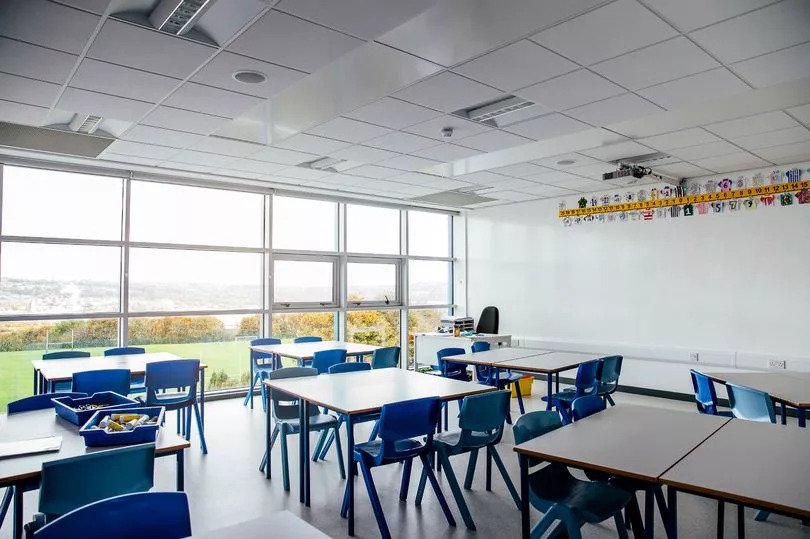
A new study has revealed that around one in 12 secondary school pupils in the UK are placed in isolation rooms at least once a week, highlighting growing concerns about behaviour management and the mental health impact of exclusionary practices. The research, conducted across multiple regions, suggests that while isolation is intended to address disruption and maintain classroom discipline, its frequent use is raising questions about its effectiveness and long-term consequences for students.
Isolation, sometimes referred to as internal exclusion, typically involves removing a pupil from normal lessons for part of the school day and placing them in a supervised room away from their peers. Schools often argue that it provides a structured space for reflection and helps prevent further disruption, but critics have warned that repeated isolation can contribute to anxiety, disengagement from learning, and a feeling of stigma among young people.

The study found that the highest rates of weekly isolation were concentrated in schools with larger student populations, though smaller schools were not immune. Teachers and school leaders cited persistent behavioural challenges, staff shortages, and limited access to pastoral support as factors driving the reliance on isolation as a disciplinary measure.
Education experts have cautioned that excessive use of isolation may exacerbate existing inequalities, as pupils with additional learning needs or social and emotional difficulties are disproportionately represented in these statistics. “While isolation can be a useful tool if applied sparingly and thoughtfully, frequent removal from lessons risks harming pupils’ academic progress and emotional wellbeing,” said Dr. Helen Cartwright, an education policy researcher. “Schools must balance discipline with support and consider alternatives that address the root causes of behavioural issues.”
Parents and advocacy groups have echoed these concerns. Some have reported that their children feel alienated or anxious about returning to class after being repeatedly isolated, while others have called for clearer guidance from the Department for Education on how and when isolation should be used. Campaigners are urging schools to invest more in early intervention, mentoring, and counselling to reduce the need for repeated exclusion.
The debate over isolation practices comes amid wider discussions about discipline and behaviour policies in UK schools. Recent government guidance has emphasised the importance of proportionate and fair disciplinary measures, encouraging schools to explore restorative approaches and ensure that pupils’ rights are respected. Nevertheless, the study indicates that a significant minority of students continue to experience weekly isolation, raising questions about consistency in policy implementation across the country.
Teachers interviewed for the study noted that while isolation can sometimes prevent immediate disruption, it does little to address underlying behavioural issues. Many advocated for a shift toward personalised support and social-emotional learning programs, which equip pupils with coping strategies, conflict resolution skills, and positive engagement in the classroom environment.
The research also highlighted variations between regions, with some schools demonstrating innovative approaches that minimise exclusion while maintaining discipline. Examples included structured mentoring, peer mediation programs, and collaborative behaviour plans involving teachers, parents, and pupils themselves. These approaches were associated with lower rates of weekly isolation and better overall pupil engagement.
Government officials have acknowledged the findings and reiterated their commitment to ensuring safe and effective learning environments. A spokesperson for the Department for Education said: “Schools must provide an environment where all pupils can learn effectively. We encourage schools to use isolation only when necessary and alongside supportive measures to help pupils understand and improve their behaviour.”

Experts argue that understanding the impact of frequent isolation is crucial for shaping future policy. Beyond academic outcomes, there are concerns about the social and emotional development of pupils who spend substantial time separated from their peers. Research has indicated that prolonged isolation can affect self-esteem, social skills, and motivation, underscoring the importance of balancing discipline with pastoral care.
While the study’s findings paint a concerning picture of routine isolation in secondary schools, they also offer opportunities for reform. By analysing the conditions under which isolation is most commonly used and promoting alternative strategies, educators and policymakers can work to reduce reliance on exclusion while maintaining classroom order and supporting student wellbeing.
As schools, parents, and policymakers digest the implications of this research, the conversation about fair, effective, and humane behaviour management in education is likely to intensify. Experts stress that solutions will require not only clear guidance and training for staff but also a cultural shift toward understanding and supporting pupils’ individual needs.
Related News:
 Ofsted Pushes Ahead with Controversial New Inspection Regime Despite Widespread Opposition
 Phillipson Warns Parents Over Poor Quality Online Advice
 No link found between paracetamol in pregnancy and autism
 The Ketamine Crisis in the UK is a Silent Epidemic Leaving Users with Lifelong Pain
 Woman Warned She Might Need Leg Amputation to Survive After Liquid Brazilian Butt Lift
 Alarming rise in abusive teen relationships in the UK sparks urgent warnings
 Learner Drivers to Face CPR and Defibrillator Questions in New Theory Tests
 Breakthrough Clinical Trial Lets 12-Year-Old Boy with Rare Skin Disorder Play Football
 Over 65? Gardening Instincts Can Help You Spot Financial Fraud
 Inquest Finds Agency Worker Failings Led to Unlawful Death of Vulnerable 14-Year-Old
 Expanded Access to Health Diagnostics in England Now Available Beyond Standard Hours
 Shocking Rise in Children’s Exposure to Violent Online Pornography Raises Alarm
 Calls Grow for a Complete Ban on Smacking as Public Opinion Shifts
 Experienced Skydiver Dies by Suicide Following Relationship Breakdown
 Martha’s Rule Now Fully Implemented Across All Acute Hospitals in England
 Why E-Bikes and E-Scooters Are Making Streets a ‘Nightmare’ for Blind People
 Council Proposes Limits on Ice Cream Van Music and Parking in South Cambridgeshire
 Norfolk Hospital Ranked Worst in England as NHS League Tables Return
 More Than Half of UK Births Now Involve Medical Intervention
 Special Needs Reforms Risk Becoming ‘Welfare Reforms Mark 2,’ Warns IFS
 Hospices ‘on the Brink’ as Assisted Dying Legislation Looms
 UK Graduates in Healthcare Report Highest Satisfaction with Degree Choices
 NHS ‘Toxic Culture’ Risks Harm to Mothers and Babies, Health Leader Warns
 First Group of Children from Gaza Arrive in UK for Life-Saving NHS Treatment
 One in Three GPs in England Do Not Work in NHS, Raising Concerns Over Access to Care
 UK Doctors Guilty of Sexual Misconduct Continue Practising Amid Weak Sanctions, Research Finds
 Private Psychology Costs Surge in UK as Practitioners Turn Away Clients Amid Record Demand
NHS Urged to Revamp Prostate Cancer Treatment for Black Men Amid Rising Death Toll
Private Psychology Costs Surge in UK as Practitioners Turn Away Clients Amid Record Demand
NHS Urged to Revamp Prostate Cancer Treatment for Black Men Amid Rising Death Toll
 Heavy Drinkers Lead Growth in Non-Alcoholic and Low-Alcohol Market
White Low-Income Pupils in England Show Lowest Levels of School Engagement, Study Finds
Heavy Drinkers Lead Growth in Non-Alcoholic and Low-Alcohol Market
White Low-Income Pupils in England Show Lowest Levels of School Engagement, Study Finds
 One Lap, 400 Miles, One Week: GP Sets Sights on Cornwall Perimeter Record Run
 Rachel Reeves Unveils Ambitious Plan to Bring a Library to Every Primary School in England
 Covid School Closures in UK Severely Disrupted Children’s Lives, Inquiry Finds
 Starmer Unveils Plan for NHS “Online Hospital” to Tackle Waiting Lists
 Tragic Death Strikes Half-Marathon in Stoke-on-Trent: Runner Dies Shortly After Crossing Finish Line
 Medical Cannabis Offers New Hope for British Women Struggling with Chronic Pain
 One in four UK residents fear a loved one drinks excessively as addiction concerns rise
 Eating International Foods Linked to Greater Tolerance, UK Study Finds
 Majority of UK Men Would Opt for Prostate Cancer Screening, Survey Finds
One in Three UK Workers Call in Sick After Work Drinks as Cultural Pressures Persist, Survey Finds
Majority of UK Men Would Opt for Prostate Cancer Screening, Survey Finds
One in Three UK Workers Call in Sick After Work Drinks as Cultural Pressures Persist, Survey Finds
 NHS Facilities Staff Vote to Strike Over Pay Discrimination
 Ambulance Worker Fired After Flinging Amputee from Wheelchair and Offering Bribe
 Women Challenge Meta Over Targeted Ads After Miscarriage
 Mum’s Final Wish: Donating Her Body to Science
 Phillipson urges UK universities to combat antisemitism
 UK Woman Becomes Longest Survivor of Heart-Lung Transplant
£18 Prostate Cancer Test Could Save Thousands of Lives
Pregnant Women in England Face Rising Risk of Severe Birth Injury
UK Woman Becomes Longest Survivor of Heart-Lung Transplant
£18 Prostate Cancer Test Could Save Thousands of Lives
Pregnant Women in England Face Rising Risk of Severe Birth Injury
 My ADHD left me drowning in debt and unable to cope
 M&S and Morrisons Lead Christmas Supermarket Taste Test
 Mother dies after black market weight loss injection
 Young Woman Missed 13 Times by GPs Before Bowel Cancer Diagnosis
 UK Health Leaders Push for Urgent Tobacco & Vape Bill
 Man Trapped in Quicksand Rescued in Dramatic Coastal Rescue
 Marie Curie Launches End-of-Life Checklist to Ease Stress
 Hospice Cuts Raise Alarm Across England Amid Funding Crisis
 Morning-After Pill Now Free Across England’s Pharmacies
 How Bringing Forests Into Preschools Boosts Children’s Health
 Children to Learn Local History in Major Curriculum Overhaul
 Experts Warn on Home Birth Risks, Call for Skilled Midwives
 Greta Thunberg Backs Student Facing UK Visa Revocation
 Experts Urge Legal Right to Timely Cancer Care
 London’s Childlessness Crisis: Schools Closing as Families Shrink
 NHS Takes Over Nuffield Hospital in ‘Windfall’ for London Care
 North Sea oil workers must lose weight or face job loss
 Crisis charity to become landlord amid UK housing emergency
 UK Disability Pay Gap Means Millions Work for Free From Today
 Shouting Works Best to Deter Gulls, UK Study Finds
 Reeves rejects £1bn plea for NHS redundancy payouts
 NHS trust fined after woman takes life in mental health unit
 Leading doctors issue warning amid ‘bad’ flu season
 New Campaign Trains Vets to Spot Farmers’ Health Risks
 UK Schools Face Staff Exodus Amid Wellbeing Crash
 ‘Traumatic Wait’: Northern Ireland Women Face Breast Cancer Delays
 Coffins Now Too Large to Cremate Amid Rising Obesity Crisis
 David Cameron Reveals Prostate Cancer Diagnosis, Advocates Screening
 Five-Year-Old Dies After Rare Tonsil Surgery Complication
 Fibromyalgia Patients Struggle as NHS Fails to Provide Care
 “Enough is Enough”: Local MP Vows to Fight Rainham Quarry Plans
 More Patients Now Contacting GPs Online, Data Shows