
Published: 25 October 2025. The English Chronicle Desk. The English Chronicle Online.
For many in the UK, the arrival of Sunday means a simple pleasure: an extra hour in bed. For others, it brings a disruption to their circadian rhythm that can take weeks to reset. At 2 a.m., clocks across the country will go back by one hour, continuing a practice that has been mandated by law for more than a century.
The idea of “daylight saving” traces back to a wealthy Kent builder, William Willett, who conceived the plan during an early summer morning ride in 1907. Willett noticed that most people still had their curtains drawn, shutting out the morning light while they slept. He proposed that moving clocks forward in spring would allow people to enjoy more daylight during their waking hours.

His pamphlet, The Waste of Daylight, argued that adjusting clocks would not only increase opportunities for recreation but also reduce household lighting costs thanks to lighter evenings. “His main argument was to increase health and wellbeing across the population, but he also pointed out economic benefits to garner approval,” explained Dr Emily Akkermans, curator of time at the Royal Observatory Greenwich.
Willett managed to gain the support of several prominent politicians, including David Lloyd George and Winston Churchill. Even Arthur Conan Doyle, the celebrated author of the Sherlock Holmes novels, endorsed the idea. Discussions in Parliament followed in 1908, but the proposal was not adopted during Willett’s lifetime.
It was only after the outbreak of the First World War that the plan gained traction. Governments sought ways to save fuel, increase productivity, and make the most of daylight hours. In 1916, Germany became the first country to implement a daylight savings scheme, followed shortly by Britain. Willett, who died of influenza in 1915, never saw his idea put into practice, yet his legacy lives on worldwide.
On Sunday, as clocks move back an hour to Greenwich Mean Time (GMT), the sun will once again pass over the prime meridian at the Royal Observatory at midday. Akkermans notes that the autumn change is generally less disruptive than the spring shift to British Summer Time. “In spring, the clock change forces us to get up an hour earlier, which makes us feel like we lose an hour. In autumn, we’re allowed to lie in an extra hour, which feels like a gain,” she explained.
In reality, she added, the change does not result in a net gain or loss of time but adjusts daylight hours to match seasonal variations. “In Greenwich, we have about 16 hours of sunlight in summer and only eight in winter. The clocks change to make the most of the varying amount of daylight hours we have throughout the year.”

Reactions to the clock changes vary. Some adjust quickly, while others experience disruptions to their sleep cycles and circadian rhythms for days or even weeks. Regardless of individual impact, the practice continues to shape daily life, balancing convenience with the natural rhythm of the seasons.
Willett’s farsighted idea, once championed by politicians and writers alike, has left a lasting imprint on modern life. As the UK enjoys an extra hour in bed this Sunday, it is worth remembering the man whose vision of longer daylight hours continues to influence millions worldwide.
Related News:
 Ofcom Launches Probe into Pornography Websites Over Compliance with New Age Verification Laws
 Breakthrough Clinical Trial Lets 12-Year-Old Boy with Rare Skin Disorder Play Football
 Expanded Access to Health Diagnostics in England Now Available Beyond Standard Hours
 Shocking Rise in Children’s Exposure to Violent Online Pornography Raises Alarm
 Britain’s Butterfly Numbers Rebound but Remain Average
 Persistent Offenders Owe Over £700m in Ulez Fines as TfL Cracks Down on Evasion
 History Will Remember Who Showed Up: Pressure Mounts on Keir Starmer to Attend Cop30 Summit
 Hackers Allegedly Steal Data of 8,000 Children from Kido Nursery Chain
 Majority of UK Men Would Opt for Prostate Cancer Screening, Survey Finds
 UK Woman Becomes Longest Survivor of Heart-Lung Transplant
 Runners’ records at risk as Garmin goes to war with Strava
 Critically Endangered Spider Rediscovered in UK After 40 Years
 Experts Urge Legal Right to Timely Cancer Care
 North Sea oil workers must lose weight or face job loss
 No link found between paracetamol in pregnancy and autism
 Coffins Now Too Large to Cremate Amid Rising Obesity Crisis
 The Ketamine Crisis in the UK is a Silent Epidemic Leaving Users with Lifelong Pain
 How to Exit Your Broadband Contract Without Paying Exit Fees
 Wethersfield Controversy Deepens as Asylum Seeker Numbers Set to Surge by 50%
 Unseen Killers of the Deep Inside the UK Lab Uncovering the Silent Deaths of Sea Creatures
 Prince Harry Cleared of Bullying Allegations Amid Charity Dispute Fallout
 Heartbreak in the New Forest as Shetland Ponies Vanish, Community on Edge
 Russell T Davies Warns of Declining UK Gay Rights Amid Rise of Reform UK and Trump Influence
 Alarming rise in abusive teen relationships in the UK sparks urgent warnings
 Human Remains Discovered in Lancashire May Be Those of Children, Police Say
 Why E-Bikes and E-Scooters Are Making Streets a ‘Nightmare’ for Blind People
 Spectacular ‘Blood Moon’ Illuminates Skies Across the Globe
 London to Regulate Pedicabs: Music Turned Down, Fares Set by the Minute
 UK Retail Sales Rise in August, but Tax Concerns Loom Over Festive Period
 Weatherwatch: From Astrology to Modern Meteorology
 Birmingham Bin Strike Enters Sixth Month as Negotiations Stall
 Over 40% of Private Renters Forced to Ration Energy to Afford Bills, Study Reveals
 Jaguar Land Rover Extends Production Halt Following Cyber-Attack
 One in Three GPs in England Do Not Work in NHS, Raising Concerns Over Access to Care
 UK Doctors Guilty of Sexual Misconduct Continue Practising Amid Weak Sanctions, Research Finds
 Northern Ireland Faces Fears of Prolonged Race Riot “Permacrisis”
 Zarah Sultana Seeks Legal Action After Bitter Clash with Jeremy Corbyn Over Party Membership Funds
 Scottish Teenager’s Petition on Single-Use Plastics Gains Parliamentary Support
 White Low-Income Pupils in England Show Lowest Levels of School Engagement, Study Finds
 Ed Miliband Warns UK Government on X, Citing Elon Musk as a “Dangerous Influence”
 A Third of EU Citizens in UK Report Discrimination by Public Bodies Post-Brexit
 Jilly Cooper: The Bonkbuster Queen Who Redefined Romantic Fiction
 Millions in the UK at Risk of Cyber-Attacks as Microsoft Ends Windows 10 Updates, Warns Which?
 Massive London Poundland Fire Engulfs High Street
 Sussexes Warn on Children’s Phone Use Echoing Princess of Wales
 Yvette Cooper Backs Digital ID Plan for UK Teens
 Son of ex-England footballer dies in tractor crash
 Reform UK candidate fined £19,000 after using AI-generated cases to challenge election
 Real living wage set to rise nearly 7% for UK workers in 2026
 Harry and Meghan join global AI leaders urging superintelligence ban
 UK Campaigners Launch Bill to Grant Legal Rights to Nature
 One in 12 Secondary Pupils Sent to Isolation Weekly
 M&S and Morrisons Lead Christmas Supermarket Taste Test
 UK Health Leaders Push for Urgent Tobacco & Vape Bill
 Hospice Cuts Raise Alarm Across England Amid Funding Crisis
 UK Woman Loses Child Benefit After Booking Flight She Never Took
 Mass Stabbing on Doncaster to London Train Leaves Ten Injured
 Children to Learn Local History in Major Curriculum Overhaul
 The Lowry Hotel: Manchester’s Iconic Five-Star Retreat
 Prince William Plants Trees with Brazil’s Nature Heroes
 Greta Thunberg Backs Student Facing UK Visa Revocation
 Jailed UK climate protesters face extremist-style restrictions
 How to get help when a child goes missing – call 999 urgently
 ‘Reckless’ cuts to victims’ services will cost more than they save
 Politics latest: Starmer ‘will fight any leadership coup’ as Streeting denies attempt to oust Labour PM
 Son Reveals UK Couple in Iran Resort to Hunger Strike for Help
 Valve Opens the Door for Android Games on Steam
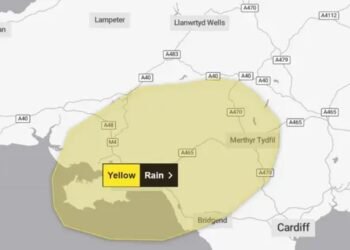 New weather warning issued with risk of flooding
Working-Class Men with Prostate Cancer Left Behind by NHS
New weather warning issued with risk of flooding
Working-Class Men with Prostate Cancer Left Behind by NHS
 Mum Calls for New Licence Rules After Teen Road Death
 £1 Breakfast Club Brings Parents Together in Sheffield
 Mother Watches in Horror as Teen Daughter Dies on Tracks
 ‘Traumatic Wait’: Northern Ireland Women Face Breast Cancer Delays
 Commuters warned as yellow snow and ice alert hits Northern Ireland
 Healthy Habits in Your 30s That Boost Life in Your 70s
 Labour MP claims devolution bill is ‘blatant discrimination’ against Cornwall
 Fibromyalgia Patients Struggle as NHS Fails to Provide Care
 Search underway for British man overboard off Tenerife
 “Enough is Enough”: Local MP Vows to Fight Rainham Quarry Plans
 Virgin Media Fined £23.8m Over Telecare Safety Failures