Published: 29 October 2025. The English Chronicle Desk. The English Chronicle Online.
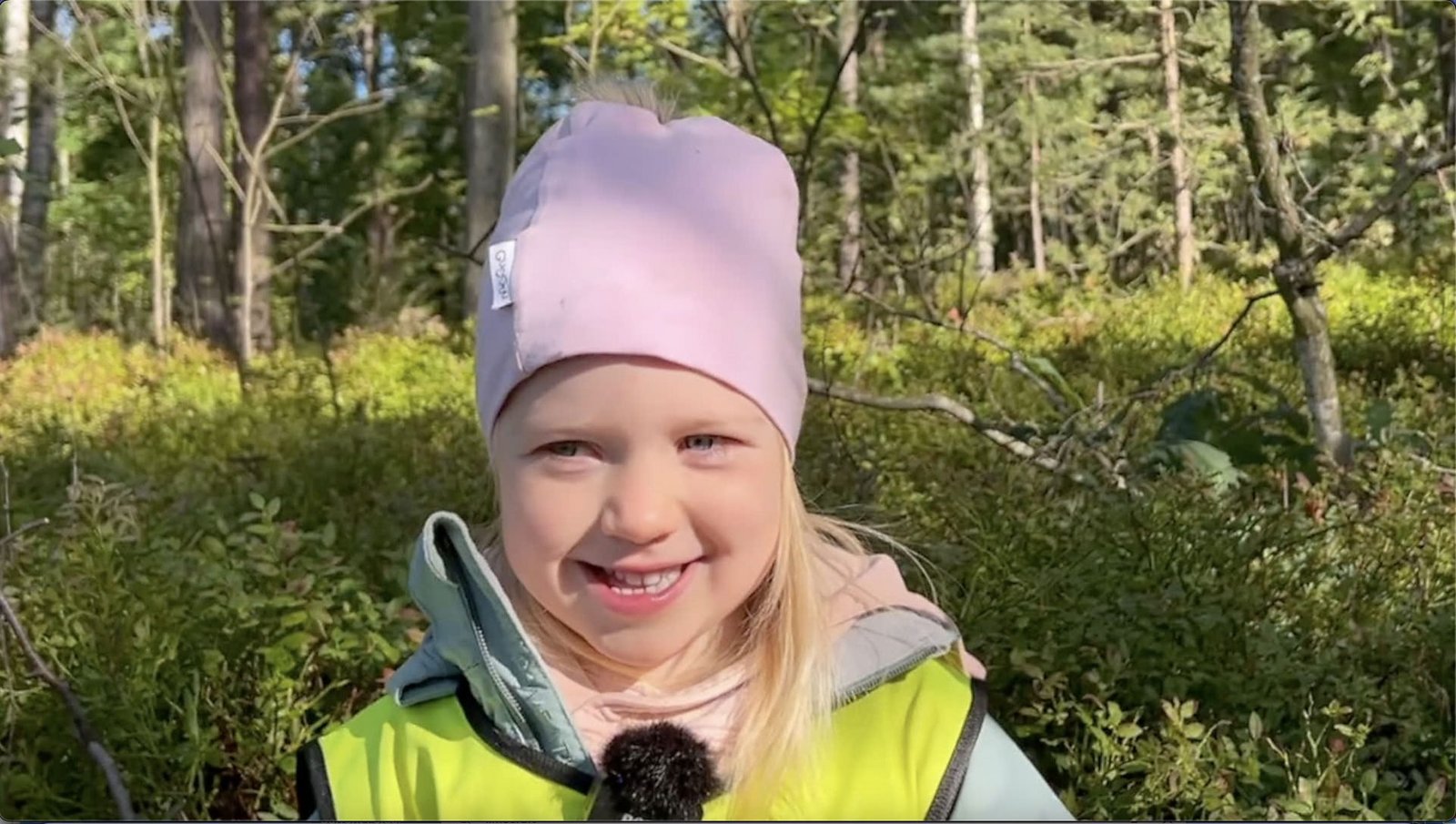
Aurora Nikula, five, enjoys a typical day at her nursery in Lahti, Finland, where she mixes sand, mud, and leaves to make imaginative “cakes.” For most kindergartens, this might raise hygiene concerns, but at Humpula daycare, children are encouraged to interact closely with the natural environment. Across Finland, 43 daycare centres have received a total of €1 million to “rewild” their outdoor spaces and expose children to diverse microbes found in soil, plants, and forests.
The initiative is part of an emerging body of research showing that human health is closely tied to the biodiversity of the environments we inhabit. Exposure to microbes from soil, plants, and forests can strengthen the body’s internal microbiome, particularly during the first 1,000 days of life when immunity and brain development are most critical.

At Humpula, the outdoor area resembles a miniature forest and allotment combined. Children forage, dig, and plant vegetables like carrots, beetroots, and courgettes in soil enriched with old leaves and forest matter. A 10-metre-square carpet of live forest floor, complete with moss and berries, has been imported to give children hands-on exposure to nature.
A two-year study including 75 children across 10 urban daycares compared “rewilded” centres with conventional asphalt and gravel yards. The results showed that children interacting with rich, biodiverse soil had fewer harmful bacteria on their skin, healthier gut microbiota, and stronger immune defenses. Within just 28 days, their T regulatory cells—which help protect against autoimmune diseases—showed measurable improvements.
Scientists emphasize that microbes in the environment transfer to humans through touch, ingestion, and even breathing. Soil, home to most of the world’s fungi, supports the microbiomes present in air, plants, and humans alike. Experts suggest that lack of early exposure to these natural microbes may contribute to allergies and autoimmune conditions.

The Finnish model is inspiring other countries. In Helsinki, a daycare is being redesigned with natural play areas, trees, rocks, and planters to replicate the benefits observed in Lahti. Research from the University of Sheffield further underscores the benefits of nature in education, showing that planting hedges around school playgrounds can significantly reduce pollution exposure and improve children’s health.
With biodiversity under threat globally, integrating natural spaces into preschools offers dual benefits: enhancing early childhood health while reconnecting children with the environment, providing a template that could shape healthier, greener futures worldwide.
Related News:
 No link found between paracetamol in pregnancy and autism
 England Curriculum Review Recommends Major Changes
 Mortgages and AI Set to Feature in English Schools
 Experts Urge Legal Right to Timely Cancer Care
 Patients to Test Health at Home to Ease NHS Winter Pressure
 London’s Childlessness Crisis: Schools Closing as Families Shrink
 North Sea oil workers must lose weight or face job loss
 Government urges schools to ban phones to curb classroom disruption
 Higgs Donates Nobel Medal to His Beloved University
 Coffins Now Too Large to Cremate Amid Rising Obesity Crisis
 Thinktank Urges Smaller Hospitals to End NHS ‘Permacrisis’
 NHS paediatric leave parents waiting months for answers
 Michele Dougherty Makes History as the UK’s First Female Astronomer Royal
 UK Launches World-First Gonorrhoea Vaccine Amid Record Infection Surge
 AI Tools Used by English Councils Found to Downplay Women’s Health Issues, Raising Concerns Over Gender Bias in Care
 Learner Drivers to Face CPR and Defibrillator Questions in New Theory Tests
 Breakthrough Clinical Trial Lets 12-Year-Old Boy with Rare Skin Disorder Play Football
 From ‘Skibidi’ to ‘Mouse Jiggler’: Cambridge Dictionary Expands with Modern Slang and Social Terms
 Shocking Rise in Children’s Exposure to Violent Online Pornography Raises Alarm
 Ofsted Pushes Ahead with Controversial New Inspection Regime Despite Widespread Opposition
 UK Graduates in Healthcare Report Highest Satisfaction with Degree Choices
 Omeprazole Alert: NHS Issues Guidance on Safe Use for Heartburn and Indigestion
 GPs in England Warn of Overload as Nationwide Online Appointment System Approaches
 Eligibility Confusion Over COVID Vaccination Leaves Pharmacies Struggling Across the UK
 Majority of UK Men Would Opt for Prostate Cancer Screening, Survey Finds
 Scientists Announce First Potentially Accurate Blood Test for Chronic Fatigue Syndrome
 NHS May Pay 25% More for Medicines Amid US Drug Talks
 Survey Shows Most GPs Rushing Appointments
 Genetic Tests May Predict Return of Blood Cancer
 UK Woman Becomes Longest Survivor of Heart-Lung Transplant
 Phillipson Warns Parents Over Poor Quality Online Advice
 UK Pupils Fear AI Is Eroding Their Learning Skills
 Thousands in the UK sue Johnson & Johnson over alleged talcum powder, linked to cancer
 ‘Game-Changing’ HIV Prevention Jab Set for NHS Approval
 One in 12 Secondary Pupils Sent to Isolation Weekly
 Mother dies after black market weight loss injection
 Six-Figure Tutors Teach Toddlers to ‘Be British’
 Hospice Cuts Raise Alarm Across England Amid Funding Crisis
 Is a two-week half-term a good deal? Some parents in England aren’t so sure
 The diet that can significantly ease symptoms of IBS
 Celebrities and Charities Demand UK Government Act on Child Poverty
 Long A&E waits causing heartbreaking suffering, charity says
 Children to Learn Local History in Major Curriculum Overhaul
 UK Water Firms Ordered to Act Over ‘Forever Chemicals’ Threat
 Experts Warn on Home Birth Risks, Call for Skilled Midwives
 Top Christmas Books Reads: Classics to Cozy Romcoms
 Greta Thunberg Backs Student Facing UK Visa Revocation
 Audio Books deals and promo codes to explore in November 2025
 Lancashire council plans to close care homes and day centres
 Britain could face worst flu season on record, NHS warns
 One of world’s last dinosaurs on sale for £3m
 NHS Takes Over Nuffield Hospital in ‘Windfall’ for London Care
 Crisis charity to become landlord amid UK housing emergency
 NHS frontline staff forced to cover gaps as managers remain scarce
 Stephen Fry backs SafeCall to protect missing children
 Northern Lights May Illuminate UK Skies Amid Strong Solar Storm
 UK Disability Pay Gap Means Millions Work for Free From Today
 NHS trust fined after woman takes life in mental health unit
 Leading doctors issue warning amid ‘bad’ flu season
 UK Centres Used Risky Heart Pump Despite Safety Fears
 UK Greenlights First Small Nuclear Plant in North Wales
 New Research Explains Severe Diabetes in Children
 Reeves Rejects £1bn NHS Payout Plea from Streeting
Working-Class Men with Prostate Cancer Left Behind by NHS
Reeves Rejects £1bn NHS Payout Plea from Streeting
Working-Class Men with Prostate Cancer Left Behind by NHS
 England’s Special Needs Support Faces Breaking Point
 From Baby Teeth to Bioengineering: The Future of Self-Healing Teeth
 UK Schools Face Staff Exodus Amid Wellbeing Crash
 UK launches major AI drive to fight deadly superbugs
 ‘Traumatic Wait’: Northern Ireland Women Face Breast Cancer Delays
 Healthy Habits in Your 30s That Boost Life in Your 70s
 Boris Johnson Oversaw Toxic No 10 Culture, Covid Inquiry Finds
 Scottish Families Take Legal Action Over School CO Leak
 Welsh Government Christmas 2020 Lockdown Criticised
 UK Taskforce Unveils Plan to Streamline Nuclear Reactor Rules
 Catherine urges end to stigma around addiction
 11 Best Supermarket Wines Chosen by Experts and Sommeliers
 Ofcom urges platforms to limit abuse and curb online ‘pile-ons’
 Fibromyalgia Patients Struggle as NHS Fails to Provide Care
 Schools urged to trial four-day week to ease pressure on teachers in England and Wales
 Oxford Names ‘Rage Bait’ Word of the Year