Published: 30 October 2025. The English Chronicle Desk. The English Chronicle Online.
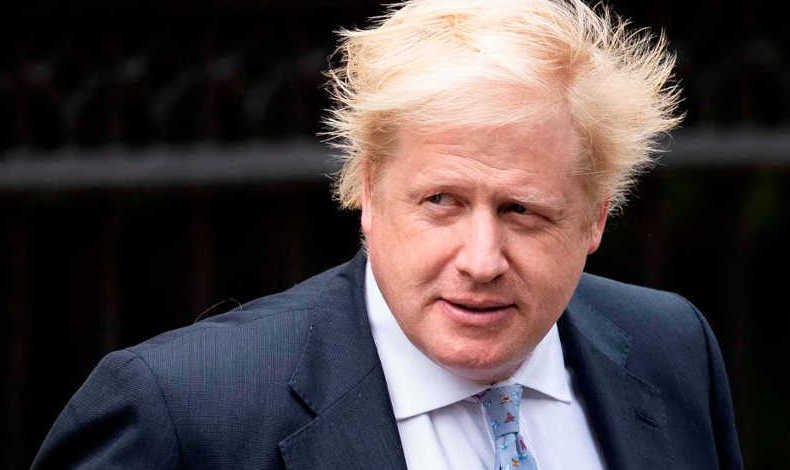
Former Prime Minister Boris Johnson has issued a stark warning to the Conservative Party, claiming that the Tories could face electoral defeat if they continue to attack environmental policies. Speaking on the Smart Society Show podcast, Johnson criticised his successor, Kemi Badenoch, for pledging to abolish Britain’s Climate Change Act if the Conservatives return to power. The former prime minister emphasised that dismissing net zero targets and other green initiatives could alienate voters and damage the party’s prospects in the next general election.
During his tenure as prime minister, Johnson actively championed ambitious climate objectives. He oversaw the 26th United Nations Climate Change Conference, Cop26, in Glasgow, where world leaders were urged to commit to legally binding reductions in carbon emissions. Johnson also advocated for renewable energy development, sought international cooperation on climate targets, and aimed to position the UK as a leader in green policy. While some within his own party criticised these initiatives as too radical or economically challenging, Johnson maintained that they were necessary steps to tackle climate change effectively.

On the podcast, Johnson described the current state of the UK energy and climate debate as “depressing,” noting that his party seemed preoccupied with attacking the green agenda. “Certainly in my party, it’s all about bashing the green agenda, and personally I don’t think we’ll get elected on that,” he said. Johnson argued that dismissing climate action as “rubbish” or politically unnecessary would not resonate with voters and could undermine the Conservatives’ credibility.
Johnson acknowledged that his government may have moved too quickly in pursuing net zero objectives. “I think we went far too fast,” he admitted, reflecting on the challenges faced in implementing sustainable energy policies amidst fluctuating energy prices and geopolitical disruptions, particularly following the war in Ukraine. Nevertheless, he insisted that he had lost none of his “zeal” for climate action. “I still fundamentally believe that it’s the right thing to do, even if you can’t get there as fast as we wanted to do,” Johnson said, reaffirming his long-term commitment to reducing the UK’s carbon footprint.
Badenoch, a self-described “net zero sceptic,” has called for the repeal of the Climate Change Act, which legally enshrines carbon budgets and the UK’s commitment to achieve net zero carbon emissions by 2050. She has also pledged to maximise North Sea oil and gas extraction and roll back environmental restrictions, marking a clear departure from Johnson’s climate agenda. Reform UK has adopted a similarly sceptical stance, opposing legally mandated net zero targets and advocating the removal of policies perceived as economically restrictive under the banner of “net stupid zero.”
Baroness May, a key figure in the original enactment of the Climate Change Act under the Tories, has criticised Badenoch’s proposals as “catastrophic” and politically motivated, accusing her of prioritising short-term votes over long-term environmental and economic sustainability. Labour, led by Sir Keir Starmer, has reaffirmed its commitment to net zero by 2050, continuing policies initiated under previous Conservative governments while introducing additional measures aimed at reducing household energy costs and promoting renewable energy.
Ed Miliband, the Net Zero Secretary, has outlined plans to reduce energy bills by £300 by 2030 while maintaining progress on decarbonisation, though rising household costs remain a challenge. Chancellor Rachel Reeves is reportedly considering removing certain green levies in her upcoming autumn Budget, which may ease the financial burden on households but also raises questions about the pace of green policy implementation.
Johnson’s intervention comes at a time of intense debate within the Conservative Party about the balance between environmental responsibility and economic pragmatism. Some party members argue that scaling back green regulations could stimulate energy production and reduce costs, while others warn that abandoning climate commitments risks voter backlash and undermines the UK’s international reputation on environmental issues. Johnson’s comments underscore the political stakes involved and highlight the potential consequences of sidelining climate policy in the run-up to the next general election.
The former prime minister also reflected on his own approach, admitting that he may have been overly ambitious in assuming that renewable energy and sustainable technologies could immediately fill the gap left by fossil fuels. The resulting energy price fluctuations, compounded by international crises, forced the UK to temporarily increase hydrocarbon use, a decision Johnson described as necessary under the circumstances. Nevertheless, he insisted that the overarching goal of net zero remains essential and achievable with careful planning and gradual implementation.
Political analysts suggest that Johnson’s remarks are likely to intensify debate within the Conservative Party, particularly as members weigh voter sentiment against environmental priorities. While public opinion increasingly favours climate action, some Tory strategists are concerned that the focus on green policies could alienate traditional Conservative voters in energy-intensive regions or those impacted by rising household costs. Johnson’s warning, therefore, represents both a cautionary message and a call to maintain consistency in policy to avoid electoral missteps.

Badenoch’s stance on climate policy has drawn attention not only from political commentators but also from environmental advocates and industry stakeholders. By proposing the repeal of established climate legislation, her position challenges the continuity of long-term environmental planning and signals a potential shift in the UK’s approach to energy, emissions, and sustainability. Johnson’s response seeks to remind both the party and the public that abandoning climate targets could have far-reaching political, social, and environmental consequences.
The debate is further complicated by the broader global context. Johnson’s efforts to secure international climate commitments during his tenure highlighted the UK’s role as a diplomatic leader on environmental issues. Any domestic reversal of these commitments could impact international perceptions and trade negotiations, particularly as nations continue to pursue cooperative strategies to combat climate change.
Ultimately, Johnson’s comments represent a clear attempt to influence the internal discourse of the Conservative Party, encouraging a pragmatic approach that balances environmental stewardship with political strategy. His assertion that bashing green policies could cost the Tories the next election underscores the enduring importance of climate issues in British politics and signals that voters are increasingly attuned to environmental leadership as a key factor in evaluating party platforms.
Related News:
 Green Party Surges Past Labour in Latest UK Poll
 Celebrities and Charities Demand UK Government Act on Child Poverty
 UK Plans ‘Forest Towns’ Between Oxford and Cambridge
 Nicola Sturgeon Urges SNP to Oppose New Oil Fields
 Boris Johnson accused of undermining BBC leadership
 Tim Davie resigns as BBC director general amid bias claims
 ‘Reckless’ cuts to victims’ services will cost more than they save
 Politics latest: Starmer ‘will fight any leadership coup’ as Streeting denies attempt to oust Labour PM
 Scottish Ministers Express Alarm Over UK Asylum Reforms
 Labour Faces Historic Decline in Wales
 MP Offers Seat to Help Burnham Challenge Starmer
 BBC to Expand Standards Panel and Create Deputy Director Role
 Most Tories Expect to Support a Farage-Led Government
 Polanski’s Rise Signals a Shift in British Political Landscape
 Katie Lam’s Rise Signals Conservative Party’s Rightward Turn on Migration
 Greens Gain Ground in London as Zack Polanski Eyes Labour’s Stronghold
 Zarah Sultana and Jeremy Corbyn Reunite Amid New Party Plans
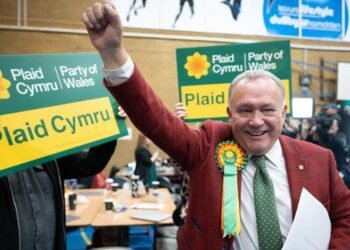 Plaid Cymru Triumphs in Caerphilly, Ending Labour Century-Long Hold
 How the Royal Navy Can’t Stop the Channel Boats
 British Woman in Iran ‘Losing Hope’ Amid Ongoing Detention
 BBC Journalist Held and Interrogated in Vietnam
 Five More Prisoners Freed by Mistake in Essex Week
 Sultana says new party is aiming to ‘run government’
 Reform Councillor Defects to Tories Over ‘Uncomfortable’ Policies
 FBI Director Kash Patel Defends Girlfriend Amid Government Jet Claims
 Phillipson urges careful review of gender recognition guidance
 Rachel Reeves Set to Break Labour Pledge and Raise Income Tax
 Prince William Plants Trees with Brazil’s Nature Heroes
 Who is Rama Duwaji? What Zohran Mamdani’s wife has said about Gaza and ICE as he’s elected NYC mayor
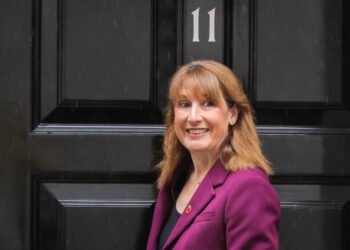 MPs Press Rachel Reeves to Hike Gambling Taxes
 Met Police Culture Makes Racial Harm ‘Inevitable’
 London’s Childlessness Crisis: Schools Closing as Families Shrink
 Eleven Arrested After Pro-Palestine Protest at Villa Match
 Labour Falls to Fourth in Poll, Faces Historic Election Loss
 Jailed UK climate protesters face extremist-style restrictions
 Remaining rebel Labour MPs have whip restored
 Cuts to home insulation funding threaten UK climate goals
 BBC director-general and news chief resign amid bias row
 Starmer Faces Growing Dissent as Labour MPs Weigh Leadership Challenge
 VAR Must Rein Its Neck In to Save Football’s Spirit
 BBC Faces Backlash as Reform UK Withdraws from Film
 Mary Earps’s Manchester United Return Faces Mixed Reception
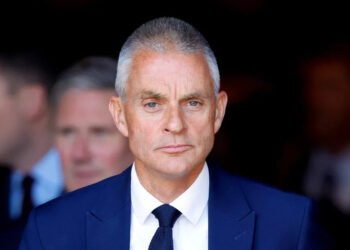 Tim Davie Defends BBC Amid Bias Scandal Storm
 Farage appointee to lead Reform youth accused of anti-British views
 Palace to reinstate hyphen in Andrew’s surname
 Donald Trump threatens BBC over edited speech
 Trump Claims Victory as Longest Shutdown Ends
 Peers Flood Assisted Dying Bill with 942 Amendments
 England’s Special Needs Support Faces Breaking Point
 MoD warned over Excel risks before Afghan data breach
 UK Unveils Fast-Track Deportation and Asylum Overhaul
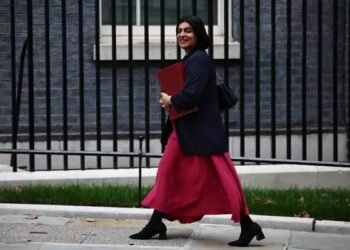 UK Asylum Overhaul Sparks Debate Over Human Rights and Deportations
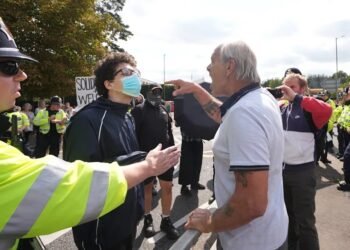 UK Asylum Reforms: Temporary Refugee Status and Faster Deportations
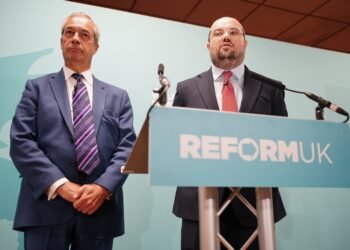 UK Candidate Moved to Safe House After Election Threats
 Mahmood Defends Tough Overhaul of UK Asylum System
 Why Russian Liberals Push Strongly Pro-Israel Narratives
 UK Warns China After MI5 Issues Espionage Alert
 Westminster Advances Legacy Bill Amid Criticism
 Minister Defends Tough New Asylum Reform Plan
 UK Net Migration Falls Sharply After ONS Revisions
 UK Vulnerable to Attack, Defence Committee Finds
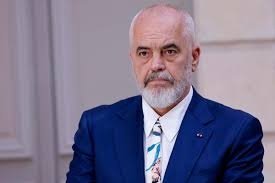 Rama Rebukes Mahmood for Targeting Albanian Families
 Russian Vessel Used Lasers on RAF Pilots, UK Claims
 PM Shares Emotional Letter to Son on Men’s Struggles
 PM Highlights UK Business at G20 in South Africa
 Kate Forbes: Motherhood Harder Than Politics
 Welsh Government Christmas 2020 Lockdown Criticised
 Mamdani’s Vision: Affordable, Democratic Socialism
 Clifftop Lodges Spark Fears Over Jurassic Coast Stability
Reeves to Crack Down on Benefit Fraud While Lifting Two-Child Limit
Clifftop Lodges Spark Fears Over Jurassic Coast Stability
Reeves to Crack Down on Benefit Fraud While Lifting Two-Child Limit
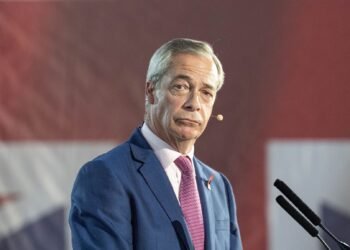 Nigel Farage Responds to Racism Claims from School Days
 Labour MP claims devolution bill is ‘blatant discrimination’ against Cornwall
 English Mayors Set to Introduce Tourist Taxes
 Ex-Classmate Accuses Farage of Dishonesty on Racism Claims
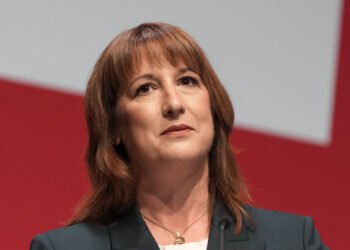 Millions Face Higher Taxes Under Reeves New Budget
 Peers Get Extra Time to Debate Assisted Dying Bill
 Planned Palestinian Flag Raising at Belfast City Hall Faces Delay Amid Legal Concerns
 Carney’s Alberta Pipeline Deal Sparks Immediate Pushback
 Government righting decades-old injustice for miners
 UK delays ruling on China embassy plan until January