Published: 07 November 2025. The English Chronicle Desk. The English Chronicle Online.
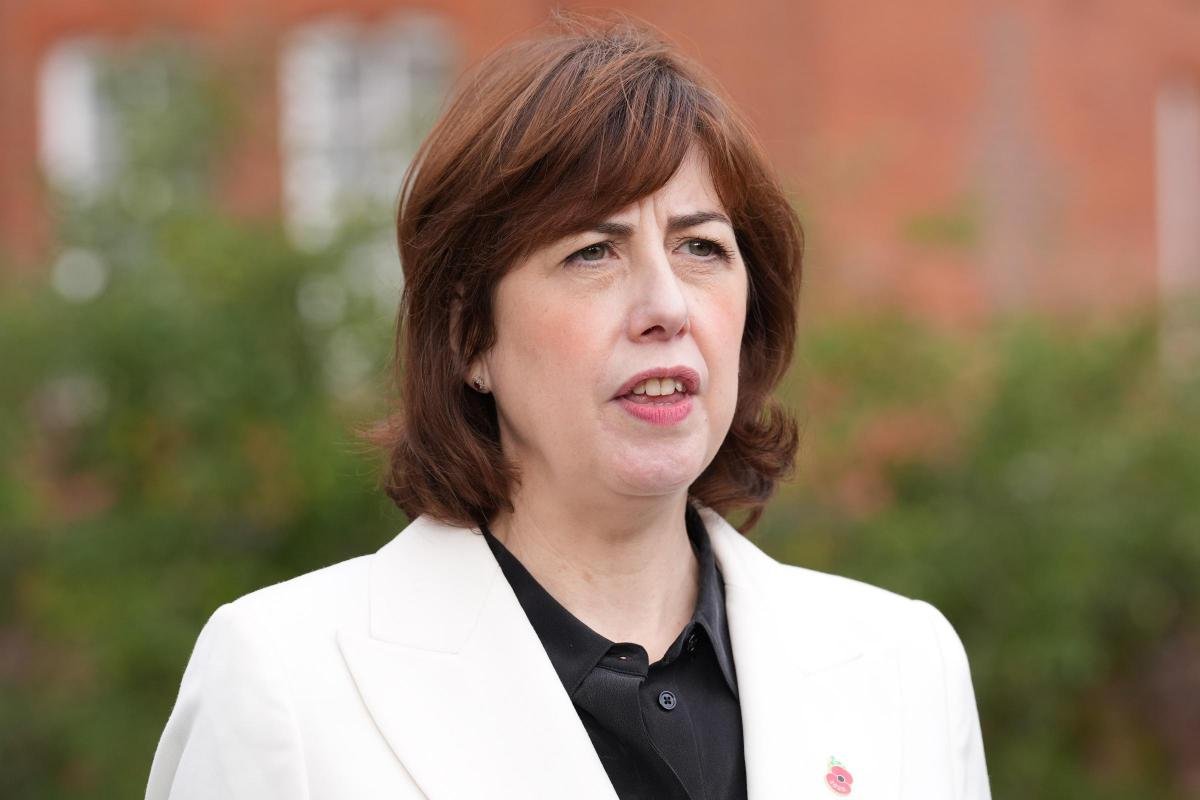
Labour’s deputy leader, Lucy Powell, has called on the party to uphold its manifesto commitment not to raise income tax, national insurance, or VAT, directly challenging the Treasury and putting pressure on Chancellor Rachel Reeves ahead of the next budget. Powell’s intervention comes amid intense speculation that the government may consider tax increases to bridge a £30 billion fiscal gap, highlighting divisions within Labour over balancing fiscal responsibility and public trust.
Speaking on BBC Radio 5 Live, Powell said it was “really important we stand by the promises we were elected on and do what we said we would do,” stressing the centrality of trust in politics. “If we’re to take the country with us, they’ve got to trust us, and that’s really important too. We should be following through on our manifesto, of course. There’s no question about that.”
Her comments underline an emerging tension within Labour, where the chancellor has been weighing options including a potential rise in income tax to boost public finances and prepare for unforeseen economic shocks. Powell also argued that the government should go further on welfare, calling for the two-child benefit cap to be lifted entirely rather than partially softened.

“This is about a budget of fairness,” she said, “with more money in people’s pockets, not less, and one with a strong Labour story about how we are rewiring the country in the interests of the many, not just the few.” Powell’s remarks are likely to cause discomfort for Reeves and party leader Keir Starmer, who in recent weeks have avoided explicitly repeating the commitment not to raise taxes.
A spokesperson for Powell later clarified that while she advocated upholding the manifesto, she would support any decisions made by Reeves and Starmer in the final budget. “As Lucy made clear in the interview, the chancellor and prime minister make decisions on the budget in the round. The context for this budget is particularly difficult, and Lucy will continue to support them on these issues,” the spokesperson said.
Meanwhile, Downing Street had no comment on Powell’s intervention. Reeves, in a speech earlier this week, had suggested that tax rises may be necessary to support public services, including the NHS, schools, and national security. “It is important that everyone – the public and politicians – understands that reality,” she said. “The less we spend on debt interest, the more we can spend on the priorities of working people … on public services essential to a decent society and a strong economy.”
Despite these statements, it remains uncertain whether Reeves will opt to raise income tax, which could generate around £7 billion, or pursue a combination of smaller tax measures. Final economic forecasts have not yet been presented to the chancellor, leaving the decision pending.
Powell’s intervention signals her willingness to challenge prevailing thinking in Downing Street. Elected deputy leader last month, she campaigned on a platform of speaking frankly and not sugar-coating her views, placing her in a unique position to question Starmer and Reeves. She previously served as leader of the House of Commons but was removed from that role during the summer reshuffle. Unlike cabinet ministers, she is not bound by collective responsibility, allowing her more freedom to publicly express dissenting opinions.
Her position reflects broader concerns among Labour MPs about the potential electoral consequences of breaking a manifesto pledge. Several backbenchers privately worry that reversing promises on taxation could erode public trust and damage the party’s credibility. “The two major reasons people are leaving us is they perceive we broke our promises and secondly because of the cost of living. This entrenches that,” one Labour MP told The English Chronicle Online.
Other MPs noted the delicate balancing act faced by the government. “Emotionally, colleagues don’t feel the same way about this as with welfare. But before Rishi [Sunak] raised national insurance in 2021, it ‘polled’ well. Not when it hit the ground. But it’s hard to go to the chancellor and say don’t do X when everything has to add up.”
Powell also reiterated the urgency of fully lifting the two-child benefit cap, citing its role in perpetuating child poverty. “Every year that passes with this policy in place, another 40,000 children are pushed into deep levels of poverty as a result of it. That’s why it is urgent we lift it in full,” she said.
Reeves is reportedly considering a partial lifting of the cap rather than scrapping it entirely. Early indications suggested that smaller measures could soften the impact, but Powell and other MPs argue that only a full removal would address the “grotesque levels” of child poverty exacerbated by the cap.
The issue of tax rises is particularly sensitive given the government’s need to fund public services while maintaining voter confidence. According to insider reports, the Office for Budget Responsibility’s downgrade in productivity forecasts created an urgent need to consider revenue-raising measures. Nevertheless, some officials believe that improving employment figures and falling debt financing costs may ease fiscal pressures, potentially allowing the government to avoid breaking its manifesto pledge on tax.
Cabinet ministers appear to be leaning towards raising income tax as a more straightforward approach than implementing numerous smaller tax measures, which could complicate the budget and its reception. However, there remains concern among some backbenchers that reversing a clear manifesto commitment could have serious political repercussions, particularly in marginal constituencies where voter trust is crucial.

Powell’s comments highlight the tension between economic pragmatism and political credibility. On one hand, the government must address the fiscal shortfall to maintain public services and economic stability. On the other, breaking a high-profile election promise risks alienating supporters and undermining Labour’s narrative of trustworthiness.
In the wider context, Labour’s debate over taxation intersects with discussions on social welfare priorities, public trust, and the party’s broader strategy for governance. Powell’s insistence on adhering to the manifesto reflects a growing desire among some MPs to maintain consistency and transparency, while others advocate flexibility to respond to changing economic circumstances.
As the budget approaches, the spotlight will remain on Reeves and Starmer, whose decisions on tax and welfare policy are likely to define the early trajectory of their government. Powell’s vocal stance adds an extra layer of scrutiny and raises questions about how internal party debates will influence policy outcomes in the coming weeks.
Related News:
 Thinktanks Urge Rachel Reeves to Reform UK Tax System
MPs Press Rachel Reeves to Hike Gambling Taxes
Thinktanks Urge Rachel Reeves to Reform UK Tax System
MPs Press Rachel Reeves to Hike Gambling Taxes
 Labour Members Push for Wealth Tax as Public Finance Crisis Deepens
 Rachel Reeves Hosts Top UK and US Financial Executives as Trump’s State Visit Begins
 Resolution Foundation Chief Urges Chancellor Reeves to Rethink Budget Before November
 Farage’s Reform UK Receives £100,000 from Design Firm with Past Tax Issues
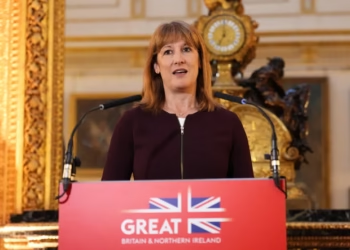 Rachel Reeves Faces Criticism Over Appearance at Gambling Industry Event Amid Tax Review
 Gatwick Secures Approval for £2.2bn Second Runway Expansion
 Kemi Badenoch Unveils ‘Golden Rule’ to Halve Spending Cuts for Deficit Reduction at Tory Conference
 Rachel Reeves urged to consider welfare cuts to boost fiscal credibility
 Rachel Reeves to lead UK trade push in Saudi Arabia amid rights debate
 Green Party Surges Past Labour in Latest UK Poll
 Celebrities and Charities Demand UK Government Act on Child Poverty
 UK Small Business Owner to Challenge L’Oréal in Tribunal
Rachel Reeves Eyes 20% Tax on Assets for UK Departures
UK Small Business Owner to Challenge L’Oréal in Tribunal
Rachel Reeves Eyes 20% Tax on Assets for UK Departures
 Trump’s UK Ambassador Urges North Sea Drilling to Strengthen US Ties
 Court Hears Challenge Over Water Bills Funding Sewage Fixes
 Millions of Brits Adjust Lifestyle to Afford Essentials
 Rachel Reeves Set to Break Labour Pledge and Raise Income Tax
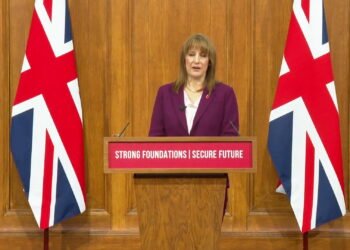 Tony Blair think tank warns Rachel Reeves must cut taxes if manifesto broken
 Labour Falls to Fourth in Poll, Faces Historic Election Loss
 Cuts to home insulation funding threaten UK climate goals
 Warning as Britons prepare to spend £4 billion this Black Friday
 Troubled drinks giant Diageo names former Tesco boss to lead turnaround push
 Millionaires group urge Reeves to introduce wealth tax to ‘lift kids out of poverty’
 Global markets drop amid tech sell-off and China slowdown
 PM Highlights UK Business at G20 in South Africa
 UK Government Borrowing Higher Than Expected
Reeves to Crack Down on Benefit Fraud While Lifting Two-Child Limit
UK Government Borrowing Higher Than Expected
Reeves to Crack Down on Benefit Fraud While Lifting Two-Child Limit
 Minister Denies Budget Leaks Have Harmed UK Economy
Budget 2025: Reeves Drops Economic Growth Reference
Minister Denies Budget Leaks Have Harmed UK Economy
Budget 2025: Reeves Drops Economic Growth Reference
 Expanded Version – Black Friday Shoppers Warned Over ‘Dud Deals’
 Government righting decades-old injustice for miners
 Black Friday Footfall Falls as UK Shoppers Hold Back Amid Economic Concerns
 Starmer Says Labour’s Economic Plan Needs Years to Deliver
 Rising Water Bills Lift Troubled Thames Back to Profit
 Chancellor Faces Mounting Pressure Amid “Impossible Trilemma” Over Tax Rises
 Larger Families Could Gain Thousands if Labour Ends Two-Child Benefit Cap
 Inflation Latest: Cost of Living Expected to Rise Again in Key Figures Released Today
 Retail Sales See Uptick Amid Errors and Delays as ONS Faces Scrutiny
 UK House Prices Hit Record £299,331 as Market Shows Steady Growth
Shein UK Faces Allegations of Shifting Majority of Profits to Singapore to Reduce UK Tax
UK House Prices Hit Record £299,331 as Market Shows Steady Growth
Shein UK Faces Allegations of Shifting Majority of Profits to Singapore to Reduce UK Tax
 UK Retail Sales Rise in August, but Tax Concerns Loom Over Festive Period
 UK Labour Market Shows Signs of Cooling as Wage Growth Slows and Redundancies Rise
 UK Wage Growth Remains High, But Cost of Living Pressures Bite
 Dagenham Left in Limbo After Smithfield and Billingsgate Market Relocation Cancelled
 UK households brace for October benefit payments and rising energy costs amid cost-of-living pressures
 Delivery Apps Could Double the Cost of Your Groceries, Warns Consumer Watchdog
 Ministry of Justice fails to file £11bn in spending receipts
 Real living wage set to rise nearly 7% for UK workers in 2026
 British Woman in Iran ‘Losing Hope’ Amid Ongoing Detention
 BBC Journalist Held and Interrogated in Vietnam
 FBI Director Kash Patel Defends Girlfriend Amid Government Jet Claims
 French Taxi Driver Cleared in David Lammy Theft Case After Fare Dispute
 M&S Profits More Than Halve After Cyber-Attack
 Boris Johnson accused of undermining BBC leadership
 ‘Reckless’ cuts to victims’ services will cost more than they save
 Starmer Faces Growing Dissent as Labour MPs Weigh Leadership Challenge
 Farage appointee to lead Reform youth accused of anti-British views
 Politics latest: Starmer ‘will fight any leadership coup’ as Streeting denies attempt to oust Labour PM
 Peers Flood Assisted Dying Bill with 942 Amendments
 England’s Special Needs Support Faces Breaking Point
 MoD warned over Excel risks before Afghan data breach
 UK Asylum Overhaul Sparks Debate Over Human Rights and Deportations
 UK Candidate Moved to Safe House After Election Threats
 Mahmood Defends Tough Overhaul of UK Asylum System
 UK Warns China After MI5 Issues Espionage Alert
 UK Vulnerable to Attack, Defence Committee Finds
 Labour Faces Historic Decline in Wales
 Rama Rebukes Mahmood for Targeting Albanian Families
 Mossmorran Plant Closure Hits Cowdenbeath Hard
 Kate Forbes: Motherhood Harder Than Politics
 Welsh Government Christmas 2020 Lockdown Criticised
 Most Tories Expect to Support a Farage-Led Government
 Steel billionaire Lakshmi Mittal reportedly leaves UK
 Labour MP claims devolution bill is ‘blatant discrimination’ against Cornwall
 Millions Face Higher Taxes Under Reeves New Budget
 Peers Get Extra Time to Debate Assisted Dying Bill
 Planned Palestinian Flag Raising at Belfast City Hall Faces Delay Amid Legal Concerns
 India’s Labour Law Overhaul Sparks Fierce Debate