Published: 08 November 2025. The English Chronicle Desk. The English Chronicle Online.
Thousands of offshore oil and gas workers in the North Sea have been warned that they risk losing their jobs unless they reduce their weight within the next year, according to the industry’s trade body. The new policy, introduced for safety reasons, affects those weighing more than 124.7 kilograms (19.5 stone) fully clothed and aims to ensure that personnel can be safely rescued in emergencies.
Offshore Energies UK, the sector’s trade association, stated that approximately 2,500 workers are currently above the weight threshold. A further 2,500 employees, while below the official limit, may also require support to maintain safe working standards. Overall, the policy could impact around 5,000 individuals employed on rigs and platforms across the North Sea.

Graham Skinner, Health and Safety Manager at Offshore Energies UK, explained that the policy is necessary to guarantee the effectiveness of the offshore emergency response system. Speaking on BBC Radio Scotland’s Good Morning Scotland, he said, “Our population in general is getting heavier, and that is reflected in the offshore population.”
He emphasised that the measure is a safety requirement rather than a punitive one. “We have been addressing this over the years, but unfortunately weight has continued to rise,” Skinner said. “It increases year on year and it begins to create some challenges across all the safety systems we have in place offshore to bring workers home if the worst happens, whether it’s illness or injury.”
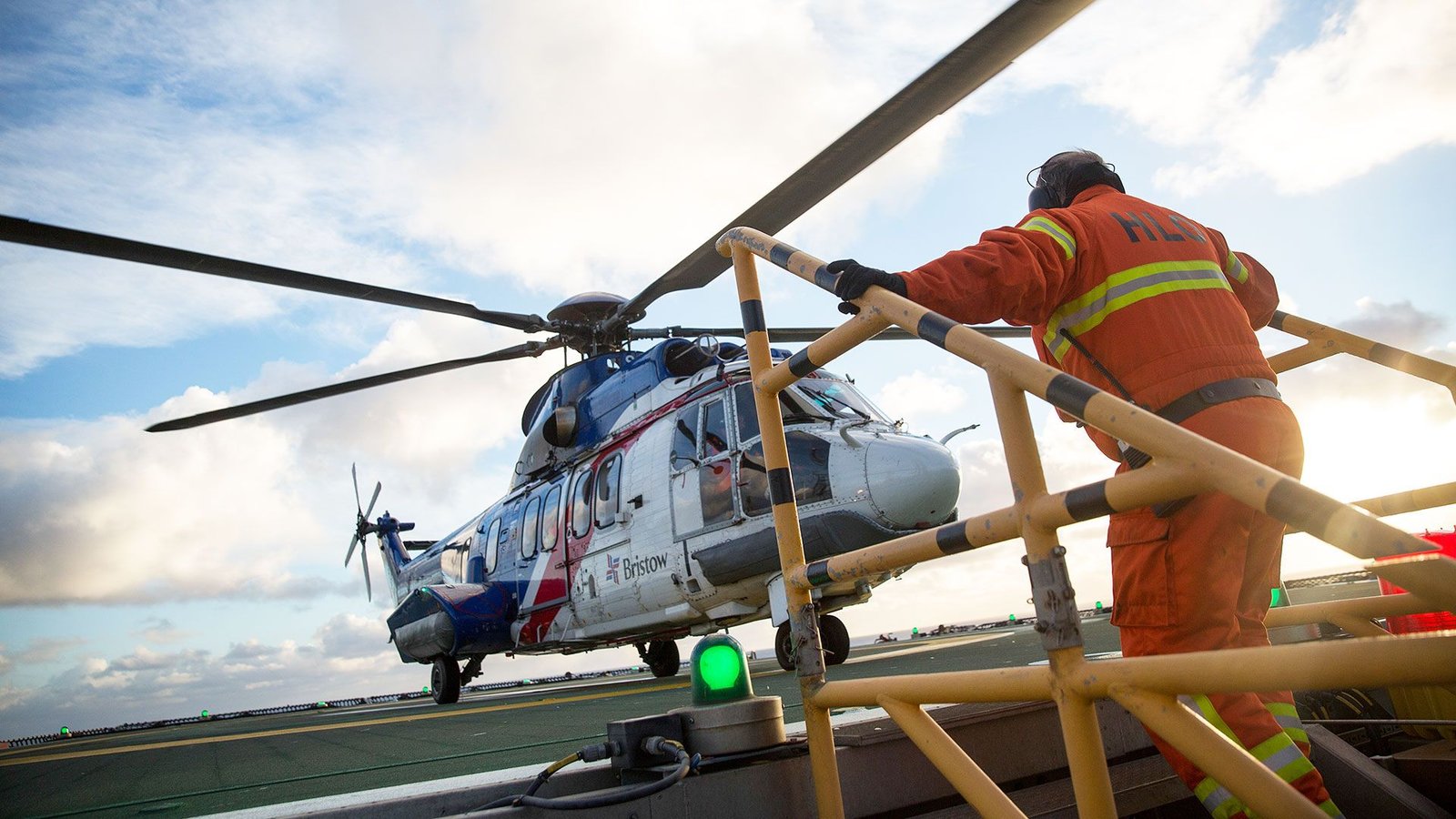
The critical concern, Skinner noted, is the ability of rescue helicopters to lift workers safely in the event of an emergency. Offshore operations rely on helicopters and winches to evacuate personnel, and exceeding weight limits could jeopardise not only the individual’s safety but also the effectiveness of emergency protocols for the entire crew.
“The lifeboats, stretchers, and helicopter rescue systems have been tested extensively, and we’ve really discovered a weight limit is the only solution available to us,” he added. He also highlighted that the industry has spent the past two and a half years exploring alternative safety solutions, but the limits imposed by equipment and operational safety standards leave no viable alternatives to a weight-based requirement.
Skinner said the industry is committed to supporting employees affected by the new policy. “Those people will be really supported by the offshore community and their employers during that time,” he said. Employers are expected to provide guidance, access to health and fitness programmes, and other resources to help staff reach the required weight targets within the next 12 months.
The trade body stressed that the initiative is part of a broader effort to maintain safety standards in one of the most hazardous working environments in the UK. Offshore oil and gas work involves heavy machinery, confined spaces, and remote locations, where rapid emergency response is essential. Adherence to weight limits is considered critical to the safe evacuation of workers during incidents such as medical emergencies, accidents, or equipment failures.
While some critics have expressed concern that the policy may be viewed as discriminatory or overly strict, proponents argue that the measure is grounded in occupational health and safety requirements rather than personal choice. They emphasise that employee safety, including the ability to be evacuated in life-threatening situations, must remain the priority.
Skinner also noted that the policy may have wider implications for the workforce, including a focus on overall health and wellness. “There are a further 2,500 offshore workers who are below the weight limit but might need some additional support and weight management,” he said. “We want to ensure that everyone is supported to remain healthy and safe while performing their duties offshore.”
The safety policy is expected to be implemented gradually, allowing affected workers adequate time to meet the required standards. Industry representatives have also said that they will provide monitoring and review mechanisms to ensure that the approach is fair and effective.
According to Offshore Energies UK, the decision to introduce the weight limit followed extensive consultations across the sector, involving rig operators, union representatives, and safety experts. “We have been working really hard over the past two and a half years to ensure that the safety of offshore workers is maintained,” Skinner said. “This is not about singling anyone out, but about creating a safe environment for everyone working offshore.”
The policy reflects broader trends in occupational safety, where physical capability can be a determining factor in employee eligibility for certain high-risk roles. It also highlights the ongoing challenges posed by an ageing and increasingly overweight workforce in physically demanding sectors.

Industry analysts suggest that while the policy may initially be met with resistance, it could have long-term benefits for both worker safety and operational efficiency. Maintaining a fit and healthy workforce is essential in offshore operations, where emergencies must be managed quickly and efficiently to prevent fatalities and serious injuries.
In conclusion, the North Sea oil and gas industry is taking a proactive approach to worker safety by introducing a mandatory weight limit for offshore personnel. While the policy affects thousands of employees, the trade body has emphasised that support, guidance, and resources will be provided to help staff meet the required standards. The measure reflects the sector’s commitment to maintaining the highest safety protocols in one of the UK’s most challenging and high-risk work environments.
Related News:
 Experts Urge Legal Right to Timely Cancer Care
 NHS Takes Over Nuffield Hospital in ‘Windfall’ for London Care
 No link found between paracetamol in pregnancy and autism
 Coffins Now Too Large to Cremate Amid Rising Obesity Crisis
 Breakthrough Clinical Trial Lets 12-Year-Old Boy with Rare Skin Disorder Play Football
 Expanded Access to Health Diagnostics in England Now Available Beyond Standard Hours
 Shocking Rise in Children’s Exposure to Violent Online Pornography Raises Alarm
 Majority of UK Men Would Opt for Prostate Cancer Screening, Survey Finds
 NHS May Pay 25% More for Medicines Amid US Drug Talks
 UK Woman Becomes Longest Survivor of Heart-Lung Transplant
 Mother dies after black market weight loss injection
 Young Woman Missed 13 Times by GPs Before Bowel Cancer Diagnosis
 Derby Bounce Centre to Close Amid Car Park Dispute
 P.Louise Christmas Event Cancelled in Manchester
 Hospice Cuts Raise Alarm Across England Amid Funding Crisis
 How Bringing Forests Into Preschools Boosts Children’s Health
 Critically Endangered Spider Rediscovered in UK After 40 Years
 150-Year-Old Arctic Beer to Be Reborn in Scotland
 Experts Warn on Home Birth Risks, Call for Skilled Midwives
 Court Hears Challenge Over Water Bills Funding Sewage Fixes
 Oprah enjoys Meghan’s jam on English muffins
 Patients to Test Health at Home to Ease NHS Winter Pressure
 Crisis charity to become landlord amid UK housing emergency
 NHS frontline staff forced to cover gaps as managers remain scarce
 UK Disability Pay Gap Means Millions Work for Free From Today
 Shouting Works Best to Deter Gulls, UK Study Finds
 Reeves rejects £1bn plea for NHS redundancy payouts
 UK toy market enjoys bumper year as ‘kidults’ fuel demand
 NHS trust fined after woman takes life in mental health unit
 Leading doctors issue warning amid ‘bad’ flu season
 New Research Explains Severe Diabetes in Children
Working-Class Men with Prostate Cancer Left Behind by NHS
New Research Explains Severe Diabetes in Children
Working-Class Men with Prostate Cancer Left Behind by NHS
 New Campaign Trains Vets to Spot Farmers’ Health Risks
 ‘Traumatic Wait’: Northern Ireland Women Face Breast Cancer Delays
 Healthy Habits in Your 30s That Boost Life in Your 70s
 UK Energy Bills to Rise Slightly in January
 UK Taskforce Unveils Plan to Streamline Nuclear Reactor Rules
 Thinktank Urges Smaller Hospitals to End NHS ‘Permacrisis’
 David Cameron Reveals Prostate Cancer Diagnosis, Advocates Screening
 NHS paediatric leave parents waiting months for answers
 Five-Year-Old Dies After Rare Tonsil Surgery Complication
 Fibromyalgia Patients Struggle as NHS Fails to Provide Care
 Virgin Media Fined £23.8m Over Telecare Safety Failures
 More Patients Now Contacting GPs Online, Data Shows
 The Ketamine Crisis in the UK is a Silent Epidemic Leaving Users with Lifelong Pain
 How to Exit Your Broadband Contract Without Paying Exit Fees
 Alarming rise in abusive teen relationships in the UK sparks urgent warnings
 Why E-Bikes and E-Scooters Are Making Streets a ‘Nightmare’ for Blind People
 UK Retail Sales Rise in August, but Tax Concerns Loom Over Festive Period
 Jaguar Land Rover Extends Production Halt Following Cyber-Attack
 One in Three GPs in England Do Not Work in NHS, Raising Concerns Over Access to Care
 Persistent Offenders Owe Over £700m in Ulez Fines as TfL Cracks Down on Evasion
 UK Doctors Guilty of Sexual Misconduct Continue Practising Amid Weak Sanctions, Research Finds
 Real living wage set to rise nearly 7% for UK workers in 2026
 M&S and Morrisons Lead Christmas Supermarket Taste Test
 Peterborough Mosques Tighten Security After Attack
 Reeves Faces Setback as Labour May Miss Homes Target
 Virgin Trains Moves Closer to Challenging Eurostar Monopoly
 Trump’s UK Ambassador Urges North Sea Drilling to Strengthen US Ties
 Children to Learn Local History in Major Curriculum Overhaul
 UK Bans Fake Numbers: Scammers Lose Their Trick
 Prince William Plants Trees with Brazil’s Nature Heroes
 M&S Profits More Than Halve After Cyber-Attack
 Kent village told to remove flags before Christmas lights go up
 Earl of Yarmouth Faces £1.3m Legal Bill Over Family Estate
 How to get help when a child goes missing – call 999 urgently
 ‘Reckless’ cuts to victims’ services will cost more than they save
 New laws to bolster UK’s defences against cyber attacks on NHS, transport and energy
 Politics latest: Starmer ‘will fight any leadership coup’ as Streeting denies attempt to oust Labour PM
 Son Reveals UK Couple in Iran Resort to Hunger Strike for Help
 Global markets drop amid tech sell-off and China slowdown
 Mum Calls for New Licence Rules After Teen Road Death
 Mother Watches in Horror as Teen Daughter Dies on Tracks
 Commuters warned as yellow snow and ice alert hits Northern Ireland
 Mossmorran Plant Closure Hits Cowdenbeath Hard
 Labour MP claims devolution bill is ‘blatant discrimination’ against Cornwall
 Vicki Fears Losing Motability Car
 Delhi’s Toxic Air Crisis Leaves Children Sick and Vulnerable
 Search underway for British man overboard off Tenerife
 Rising Water Bills Lift Troubled Thames Back to Profit