Published: 10 November 2025. The English Chronicle Desk. The English Chronicle Online.
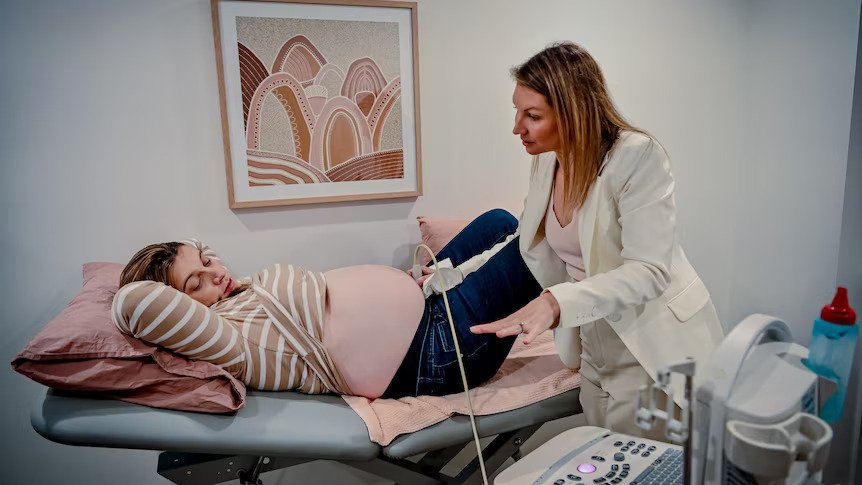
A comprehensive review of existing research has found no convincing evidence that paracetamol use during pregnancy increases the risk of children developing autism or attention deficit hyperactivity disorder (ADHD). The findings provide reassurance to expecting mothers and healthcare professionals amid recent public concern fueled by controversial statements from political leaders in the United States.
The review, published in the British Medical Journal on Monday, analysed previously published scientific reviews assessing the relationship between maternal paracetamol use and neurodevelopmental outcomes in children. The researchers conducted an umbrella review, synthesising data from nine systematic reviews encompassing 40 observational studies. Their conclusion was unequivocal: the quality of the studies ranged from “low to critically low,” and any apparent link between paracetamol use and autism or ADHD was more likely explained by family genetics and other confounding factors rather than the medication itself.

The timing of the review’s publication was particularly relevant. In September, then-U.S. President Donald Trump urged pregnant women to limit or avoid paracetamol, also known as acetaminophen or Tylenol, claiming that it contributed to rising rates of autism. His remarks prompted confusion and anxiety among pregnant women, with the president urging them to “fight like hell” to avoid using the common painkiller. Experts have repeatedly emphasised that such statements lacked scientific basis and risked spreading misinformation.
Prof Shakila Thangaratinam, consultant obstetrician and senior author of the review at the University of Liverpool, stressed that the findings should reassure women who might have felt guilty for taking paracetamol during pregnancy. “Women should know that the existing evidence does not really support a link between paracetamol and autism and ADHD,” she said. “If pregnant women need to take paracetamol for fever or pain then we would say please do, particularly because high fever in pregnancy could be dangerous to the unborn baby.” She added that alternative painkillers, such as ibuprofen, are generally not recommended during pregnancy.
The researchers meticulously examined nine systematic reviews, each assessing the potential association between paracetamol use and neurodevelopmental conditions. While all nine reported at least a possible link, seven of them cautioned against overinterpreting the findings, noting that they did not adequately account for other contributing factors such as family genetics or maternal health conditions. Only one review included studies that properly considered these confounding elements.
One of the pivotal studies included in the analysis focused on 2.4 million children in Sweden. It initially observed slightly higher rates of autism, ADHD, and intellectual disabilities among children whose mothers had taken paracetamol during pregnancy. However, when researchers compared siblings who were exposed to the drug with those who were not, the differences disappeared. This strongly indicated that the mother’s genetic background, pre-existing health conditions, or shared environmental factors were more likely responsible for the observed outcomes rather than the use of paracetamol itself.
“If there’s a family history of autism and ADHD, either in the parents or the siblings, then it is likely that that is the reason a child is diagnosed rather than something the mother took in pregnancy,” Thangaratinam explained. She added that the review helps prevent the undue stress and guilt that mothers may feel, noting, “They might have a child that is autistic with ADHD and we really don’t want them to think it’s because of something they did in pregnancy. That’s a terrible feeling for a mother to have.”
Prof Dimitrios Siassakos, honorary consultant in obstetrics at University College London, echoed these sentiments, emphasising that paracetamol remains the safest and most reliable medication for managing fever and pain during pregnancy. “Paracetamol is the safest medication to use in pregnancy, and has been used by the majority of pregnant women globally for several decades without any impact on autism and ADHD,” he said. He added that untreated fever or inflammation poses a far greater risk to fetal and neonatal brain development than paracetamol use, highlighting that high maternal temperature can negatively affect pregnancy outcomes.
The umbrella review underscores the importance of using high-quality, evidence-based information when making healthcare decisions during pregnancy. Experts involved in the study emphasised that misinformation can have tangible consequences, such as discouraging women from managing fever or pain, which can be dangerous for both mother and child.
While autism and ADHD prevalence has risen in recent decades, most researchers agree that this trend is primarily attributable to greater awareness, improved diagnostic practices, and broader criteria used by clinicians, rather than environmental or medicinal causes. The findings from the British Medical Journal review add another layer of reassurance, confirming that paracetamol, when used appropriately under medical guidance, does not contribute to the risk of these conditions.

Healthcare professionals continue to advocate for evidence-based guidance, urging pregnant women to consult with their doctors about any medications. Paracetamol remains the standard recommendation for managing pain and fever safely throughout pregnancy, reinforcing its critical role in maternal and fetal health.
In conclusion, the review offers clarity amid public concern, affirming that pregnant women should not feel culpable for using paracetamol when necessary. The strongest risk factors for neurodevelopmental conditions remain genetic and environmental, not the occasional use of a well-established painkiller. As the medical community continues to provide guidance grounded in robust scientific evidence, expectant mothers can confidently manage common pregnancy-related ailments without fear of inadvertently harming their children’s long-term health.
Related News:
 How Bringing Forests Into Preschools Boosts Children’s Health
 Mortgages and AI Set to Feature in English Schools
 Experts Urge Legal Right to Timely Cancer Care
 North Sea oil workers must lose weight or face job loss
 Shouting Works Best to Deter Gulls, UK Study Finds
 Coffins Now Too Large to Cremate Amid Rising Obesity Crisis
 Breakthrough Clinical Trial Lets 12-Year-Old Boy with Rare Skin Disorder Play Football
 Expanded Access to Health Diagnostics in England Now Available Beyond Standard Hours
 Shocking Rise in Children’s Exposure to Violent Online Pornography Raises Alarm
 Ofsted Pushes Ahead with Controversial New Inspection Regime Despite Widespread Opposition
 Majority of UK Men Would Opt for Prostate Cancer Screening, Survey Finds
 UK Woman Becomes Longest Survivor of Heart-Lung Transplant
 Phillipson Warns Parents Over Poor Quality Online Advice
 One in 12 Secondary Pupils Sent to Isolation Weekly
 Mother dies after black market weight loss injection
 Young Woman Missed 13 Times by GPs Before Bowel Cancer Diagnosis
 Hospice Cuts Raise Alarm Across England Amid Funding Crisis
 Critically Endangered Spider Rediscovered in UK After 40 Years
 The diet that can significantly ease symptoms of IBS
 Children to Learn Local History in Major Curriculum Overhaul
 Experts Warn on Home Birth Risks, Call for Skilled Midwives
 England Curriculum Review Recommends Major Changes
 Greta Thunberg Backs Student Facing UK Visa Revocation
 Patients to Test Health at Home to Ease NHS Winter Pressure
 London’s Childlessness Crisis: Schools Closing as Families Shrink
 NHS Takes Over Nuffield Hospital in ‘Windfall’ for London Care
 Crisis charity to become landlord amid UK housing emergency
 Government urges schools to ban phones to curb classroom disruption
 NHS frontline staff forced to cover gaps as managers remain scarce
 UK Disability Pay Gap Means Millions Work for Free From Today
 Reeves rejects £1bn plea for NHS redundancy payouts
 NHS trust fined after woman takes life in mental health unit
 Leading doctors issue warning amid ‘bad’ flu season
 New Research Explains Severe Diabetes in Children
Working-Class Men with Prostate Cancer Left Behind by NHS
New Research Explains Severe Diabetes in Children
Working-Class Men with Prostate Cancer Left Behind by NHS
 Higgs Donates Nobel Medal to His Beloved University
 New AI tool could cut wasted efforts in organ transplants
 New Campaign Trains Vets to Spot Farmers’ Health Risks
 From Baby Teeth to Bioengineering: The Future of Self-Healing Teeth
 UK Schools Face Staff Exodus Amid Wellbeing Crash
 ‘Traumatic Wait’: Northern Ireland Women Face Breast Cancer Delays
 Healthy Habits in Your 30s That Boost Life in Your 70s
 Thinktank Urges Smaller Hospitals to End NHS ‘Permacrisis’
 David Cameron Reveals Prostate Cancer Diagnosis, Advocates Screening
 NHS paediatric leave parents waiting months for answers
 Five-Year-Old Dies After Rare Tonsil Surgery Complication
 Fibromyalgia Patients Struggle as NHS Fails to Provide Care
 More Patients Now Contacting GPs Online, Data Shows
 The Ketamine Crisis in the UK is a Silent Epidemic Leaving Users with Lifelong Pain
 Alarming rise in abusive teen relationships in the UK sparks urgent warnings
 Calls Grow for a Complete Ban on Smacking as Public Opinion Shifts
 Why E-Bikes and E-Scooters Are Making Streets a ‘Nightmare’ for Blind People
 UK Graduates in Healthcare Report Highest Satisfaction with Degree Choices
 One in Three GPs in England Do Not Work in NHS, Raising Concerns Over Access to Care
 Persistent Offenders Owe Over £700m in Ulez Fines as TfL Cracks Down on Evasion
 UK Doctors Guilty of Sexual Misconduct Continue Practising Amid Weak Sanctions, Research Finds
White Low-Income Pupils in England Show Lowest Levels of School Engagement, Study Finds
UK Doctors Guilty of Sexual Misconduct Continue Practising Amid Weak Sanctions, Research Finds
White Low-Income Pupils in England Show Lowest Levels of School Engagement, Study Finds
 M&S and Morrisons Lead Christmas Supermarket Taste Test
 Peterborough Mosques Tighten Security After Attack
 UK Woman Loses Child Benefit After Booking Flight She Never Took
 The Lowry Hotel: Manchester’s Iconic Five-Star Retreat
 UK Bans Fake Numbers: Scammers Lose Their Trick
 Prince William Plants Trees with Brazil’s Nature Heroes
 Kent village told to remove flags before Christmas lights go up
 How to get help when a child goes missing – call 999 urgently
 ‘Reckless’ cuts to victims’ services will cost more than they save
 Politics latest: Starmer ‘will fight any leadership coup’ as Streeting denies attempt to oust Labour PM
 Son Reveals UK Couple in Iran Resort to Hunger Strike for Help
 Valve Opens the Door for Android Games on Steam
 England’s Special Needs Support Faces Breaking Point
 Mum Calls for New Licence Rules After Teen Road Death
 Mother Watches in Horror as Teen Daughter Dies on Tracks
 Commuters warned as yellow snow and ice alert hits Northern Ireland
 Scottish Families Take Legal Action Over School CO Leak
 Labour MP claims devolution bill is ‘blatant discrimination’ against Cornwall
 Vicki Fears Losing Motability Car
 Delhi’s Toxic Air Crisis Leaves Children Sick and Vulnerable
 Search underway for British man overboard off Tenerife
 “Enough is Enough”: Local MP Vows to Fight Rainham Quarry Plans
 Virgin Media Fined £23.8m Over Telecare Safety Failures