Published: 12 November 2025. The English Chronicle Desk. The English Chronicle Online
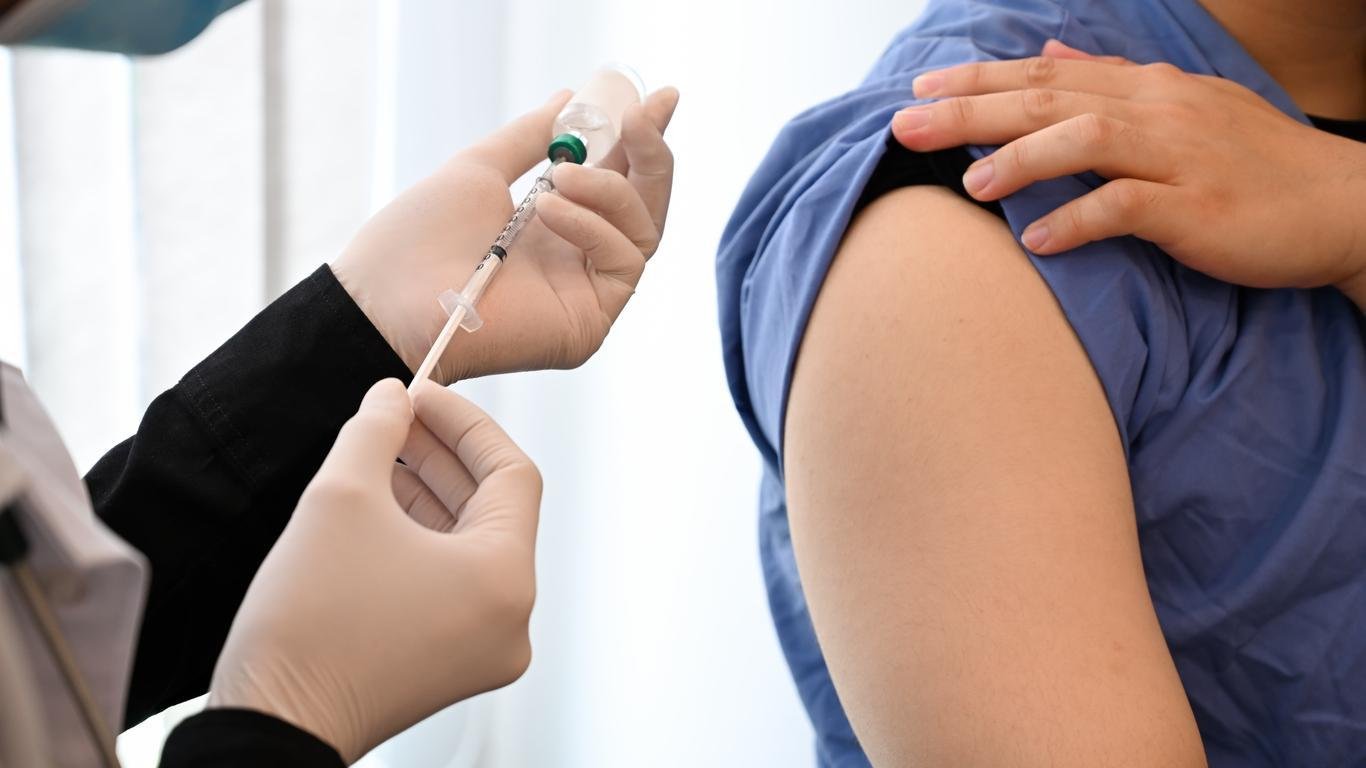
Leading children’s doctors across the UK are urgently urging parents to ensure their children receive the flu nasal spray this winter, as evidence points to what could be a particularly severe flu season. Health officials are stressing that even previously healthy children are at risk of developing serious complications from influenza, highlighting the importance of early vaccination to protect both young people and those around them.
The Royal College of Paediatrics and Child Health (RCPCH) has been vocal in its warnings this week, emphasising that the flu virus is already circulating widely and at higher rates than seen at this point last year. Dr Helen Stewart, officer for health improvement at the RCPCH, told the PA news agency that the early surge is a cause for concern. “This year it’s looking like a particularly bad season – rates of flu are much higher at this point than they were at this point last year,” she said. “And we know that there’s been some changes to the flu virus circulating, which means that people might be more susceptible to infection.”

The UK Health Security Agency (UKHSA) has confirmed that this year’s flu vaccine provides “strong protection” for children, with early data suggesting that it is currently 70 to 75 per cent effective at preventing hospital attendance among children aged two to 17. For adults, the vaccine offers 30 to 40 per cent effectiveness in preventing hospital visits. This comes as health leaders report that a “drifted” influenza A(H3N2) strain, known as subclade K, is now dominant in England. Experts have warned that the early emergence of this strain has contributed to hospital activity reaching levels normally only seen in December.
Dr Stewart highlighted the real risks that flu poses to children. “No parent wants to have to take their child to hospital and be sat in a busy waiting room for ages, and the more young people that we can protect and prevent from having to do that, the better,” she said. She further warned that influenza is not limited to the elderly or those with chronic health conditions. “Unfortunately, it’s not just the elderly and people with chronic, long-term health conditions that get flu; it can make previously very fit and well children very, very poorly. Thousands of kids need to go to hospital because they have flu every year.”
She explained that flu can lead to severe complications, including pneumonia and sepsis. “The main complications that we see are pneumonia, so a severe chest infection needing breathing support, and that can tip over into sepsis and very extreme cases. I’ve seen some very, very sick children going to intensive care with flu,” she said. Her warning comes at a time when hospitals are already preparing for increased winter pressures, with bed occupancy rising and emergency departments seeing an influx of respiratory cases.
The RCPCH has also highlighted the challenges parents face in ensuring their children receive the vaccine. In many schools, parental consent is required for the flu nasal spray to be administered. Dr Stewart admitted that even pro-vaccination parents can easily miss the consent deadline, citing her own experience from last year. “Embarrassingly, that happened to me last year. I missed the email. As someone who is extremely pro-vaccination, I missed the email. So it’s really easy for busy parents to miss that consent.”
Most children in the UK are eligible for the flu vaccine through school-based immunisation programmes or through their general practitioner. The RCPCH has produced a detailed information sheet aimed at parents, addressing common concerns about the vaccine and explaining the risks associated with influenza infection. The information is designed to provide clear guidance and encourage uptake of the vaccine as early in the season as possible.
Dr Andrew Whittamore, clinical lead at Asthma and Lung UK, stressed the importance of vaccinating children with pre-existing conditions, particularly those with respiratory illnesses like asthma. “It’s vital that families take steps to protect their children from flu, particularly if they have lung conditions like asthma,” he said. “We strongly advise parents to ensure their children get their flu jabs as soon as possible, as well as any other recommended winter vaccines.”
Experts have also noted that vaccinating children can have wider community benefits, helping to protect elderly relatives and vulnerable populations. Dr Stewart explained: “It’s not just about protecting the child – a young child getting vaccinated could protect their elderly relatives that they come into contact with. Children do die every year from flu, so it is definitely not just a bad cold. Vaccination is crucial in preventing severe illness and hospitalisations.”
Speaking on the efficacy of the 2025/26 flu vaccine, Dr Jamie Lopez Bernal, consultant epidemiologist for immunisation at UKHSA, described the results as reassuring. “These results provide important evidence that this season’s flu vaccines currently offer significant protection to both children and adults, despite concerns about the new subclade,” he said. “We continue to monitor the situation closely and urge everyone to get vaccinated to reduce the impact of this early and severe flu season.”

Healthcare professionals are particularly concerned about the early onset of influenza cases, which has put pressure on hospital services and primary care providers. Increases in admissions for young children are already being reported, and health authorities are urging parents to be vigilant for symptoms, which can include fever, cough, fatigue, and body aches. Early recognition and prompt medical attention are essential to prevent complications and reduce the burden on healthcare services.
The combined messages from the RCPCH, UKHSA, and other medical organisations underline the urgency of vaccination. While flu can often be perceived as a minor illness, these experts emphasise that it has the potential to be life-threatening, especially for children, older adults, and those with underlying health conditions. By ensuring widespread vaccine uptake, authorities hope to reduce severe cases and hospital admissions, thereby protecting both individual families and the wider healthcare system.
In conclusion, as the UK faces what may be one of the more challenging flu seasons in recent years, health professionals are urging all eligible children to receive the flu nasal spray promptly. The early data on vaccine effectiveness, combined with the rising prevalence of a drifted influenza strain, makes vaccination not only a personal safeguard but also a key public health measure. Parents are encouraged to check for communications from schools and healthcare providers and ensure their children are protected, helping to mitigate the risks of serious illness during the winter months.
Related News:
 Mother dies after black market weight loss injection
 Young Woman Missed 13 Times by GPs Before Bowel Cancer Diagnosis
 Experts Warn on Home Birth Risks, Call for Skilled Midwives
 Alarming rise in abusive teen relationships in the UK sparks urgent warnings
 UK Doctors Guilty of Sexual Misconduct Continue Practising Amid Weak Sanctions, Research Finds
 Majority of UK Men Would Opt for Prostate Cancer Screening, Survey Finds
 Ambulance Worker Fired After Flinging Amputee from Wheelchair and Offering Bribe
 Peterborough Mosques Tighten Security After Attack
 Hospice Cuts Raise Alarm Across England Amid Funding Crisis
 Nearly 48,000 Zombie Knives Removed from UK Streets in a Year
 Prince Andrew Stripped of Title: Giuffre Family Hails Historic Moment
 Metal Detectors at Stations ‘Would Make Life Impossible,’ Says Minister
 Experts Urge Legal Right to Timely Cancer Care
 British Grandmother to Return Home After Death Sentence in Bali
 NHS Takes Over Nuffield Hospital in ‘Windfall’ for London Care
 Jailed UK climate protesters face extremist-style restrictions
 Boris Johnson accused of undermining BBC leadership
 North Sea oil workers must lose weight or face job loss
 Crisis charity to become landlord amid UK housing emergency
 No link found between paracetamol in pregnancy and autism
 Bar Council urges legal aid for all domestic abuse family cases
 Second world war veterans honoured as King leads Remembrance Sunday
 How to get help when a child goes missing – call 999 urgently
 ‘Reckless’ cuts to victims’ services will cost more than they save
 UK Disability Pay Gap Means Millions Work for Free From Today
 Judges to Decide Fate of Chief Constable Guilty of Contempt
 Shouting Works Best to Deter Gulls, UK Study Finds
 Reeves rejects £1bn plea for NHS redundancy payouts
 NHS trust fined after woman takes life in mental health unit
 How age progression images help trace missing people
 UK Centres Used Risky Heart Pump Despite Safety Fears
 New Campaign Trains Vets to Spot Farmers’ Health Risks
 Mum Calls for New Licence Rules After Teen Road Death
 Mother Watches in Horror as Teen Daughter Dies on Tracks
 ‘Traumatic Wait’: Northern Ireland Women Face Breast Cancer Delays
 Podcaster Faces Abuse Charges Over Controlling Behaviour
 Coffins Now Too Large to Cremate Amid Rising Obesity Crisis
 David Cameron Reveals Prostate Cancer Diagnosis, Advocates Screening
 Inside the Helpline Protecting Missing Children in the UK
 DWP to Reassess Hundreds of Thousands in Carer Allowance Scandal
 Inquiry Opens Into Disgraced Surgeon Eljamel Scandal
 Sudanese Family Vows to Stay After Racist Graffiti
 Five-Year-Old Dies After Rare Tonsil Surgery Complication
 Fibromyalgia Patients Struggle as NHS Fails to Provide Care
 More Patients Now Contacting GPs Online, Data Shows
 The Ketamine Crisis in the UK is a Silent Epidemic Leaving Users with Lifelong Pain
 Shocking Rise in Children’s Exposure to Violent Online Pornography Raises Alarm
 Why E-Bikes and E-Scooters Are Making Streets a ‘Nightmare’ for Blind People
 Systemic Racism in Maternity Care Continues to Endanger Black Women in England, MPs Warn
 One in Three GPs in England Do Not Work in NHS, Raising Concerns Over Access to Care
 Northern Ireland Faces Fears of Prolonged Race Riot “Permacrisis”
 Zarah Sultana Seeks Legal Action After Bitter Clash with Jeremy Corbyn Over Party Membership Funds
 Massive London Poundland Fire Engulfs High Street
 One in 12 Secondary Pupils Sent to Isolation Weekly
 M&S and Morrisons Lead Christmas Supermarket Taste Test
 UK Woman Loses Child Benefit After Booking Flight She Never Took
 Mass Stabbing on Doncaster to London Train Leaves Ten Injured
 Children to Learn Local History in Major Curriculum Overhaul
 French Taxi Driver Cleared in David Lammy Theft Case After Fare Dispute
 The Lowry Hotel: Manchester’s Iconic Five-Star Retreat
 UK Bans Fake Numbers: Scammers Lose Their Trick
 Prince William Plants Trees with Brazil’s Nature Heroes
 Just Stop Oil Protesters Convicted Amid Climate Defence Row
 Kent village told to remove flags before Christmas lights go up
 Patients to Test Health at Home to Ease NHS Winter Pressure
 Son Reveals UK Couple in Iran Resort to Hunger Strike for Help
 Working-Class Men with Prostate Cancer Left Behind by NHS
 Agency Workers Vote to Join Picket Lines Amid Dispute
 Commuters warned as yellow snow and ice alert hits Northern Ireland
 Healthy Habits in Your 30s That Boost Life in Your 70s
 Serial Rapist and Former Cop Found Guilty Again
 Most Tories Expect to Support a Farage-Led Government
 Labour MP claims devolution bill is ‘blatant discrimination’ against Cornwall
 Vicki Fears Losing Motability Car
 Delhi’s Toxic Air Crisis Leaves Children Sick and Vulnerable
 Search underway for British man overboard off Tenerife
 “Enough is Enough”: Local MP Vows to Fight Rainham Quarry Plans
 Virgin Media Fined £23.8m Over Telecare Safety Failures
 Ministers to back regulation of England’s funeral industry
 Prince George Helps Father at London Homelessness Charity