Published: 14 November 2025. The English Chronicle Desk. The English Chronicle Online.
The world’s first permanent outdoor theme park dedicated entirely to the Pokémon universe is set to open in Japan next year, giving fans of all ages a rare chance to step directly into the vibrant world of the iconic franchise. The announcement marks a major milestone for The Pokémon Company as it continues to expand its global presence and deepen its connection with generations of enthusiasts who grew up capturing, trading, and battling Pokémon across games, television series, films, and trading card collections.
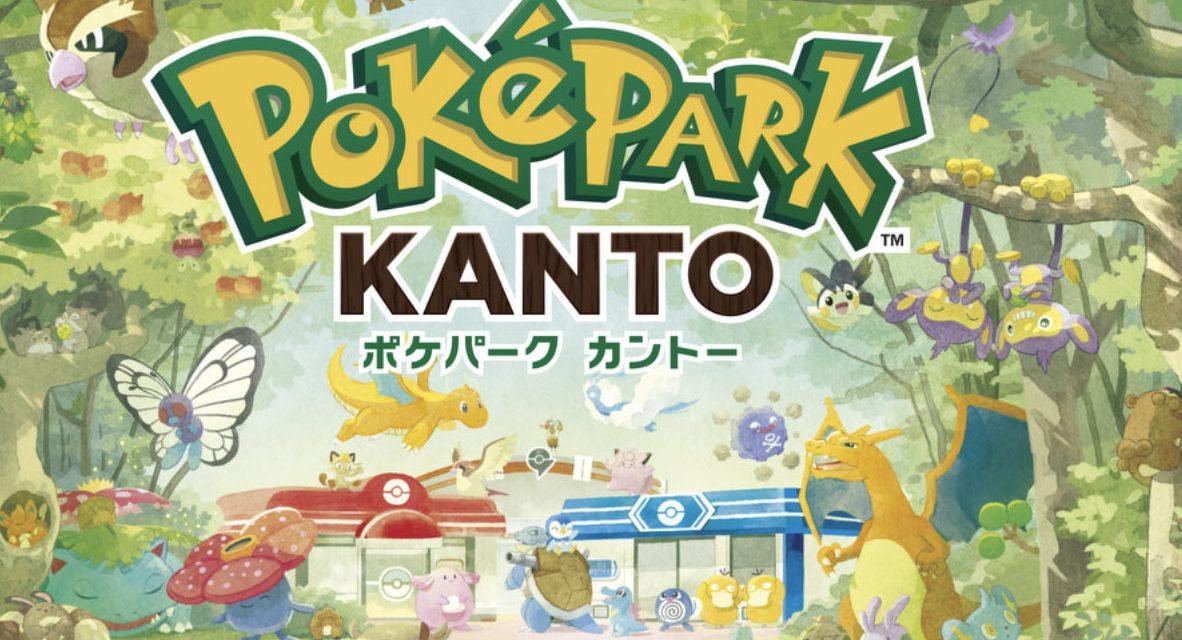
The new park, officially named PokéPark Kanto, will open within Yomiuriland, one of Tokyo’s longstanding amusement destinations located in the scenic Tama hills west of the city centre. According to details published on The Pokémon Company’s official website, the outdoor park will span roughly 26,000 square metres of forested landscape and small-town themed environments, combining imaginative world-building with natural terrain to create an immersive experience unlike anything fans have seen before.

The decision to name the park after the fictional “Kanto” region is far from incidental. Kanto was the setting of the first pair of Pokémon games released in Japan in 1996—Pokémon Red and Pokémon Green—and its geography was itself inspired by the real-life Kantō region surrounding Tokyo. By grounding the park in both virtual and real-world history, developers are tapping into the nostalgia that has long fuelled the franchise’s enduring popularity.
For weeks, speculation had circulated online after The Pokémon Company released a brief promotional video teasing hand-drawn concept art, a whimsical illustrated map, and a short trailer showcasing fragments of the planned environment. These early glimpses included animated woodland scenes and village-style structures that mirror the spirit of the original games. On Thursday, the company confirmed the project in full, revealing the park’s layout and the attractions that will welcome guests once the gates open.
Visitors will begin their journey at the Pokémon Research Lab, a gateway modelled after the places where trainers traditionally receive their first companion Pokémon. From there, guests will enter the park’s two primary zones: Pokémon Forest and Sedge Town. Each section has been designed to feel like a living chapter of the Pokémon world, blending interactive elements, performance arts, and hands-on engagement suitable for both children and adults.
Pokémon Forest is set to be a highlight for families, featuring an expansive woodland trail populated by more than 600 Pokémon placed carefully within the natural terrain. Many of the figures are built at a scale that will allow children to sit on or “ride” them, creating a tactile connection that echoes the playful sense of discovery at the heart of the series. The trail has been crafted to encourage exploration, with hidden creatures, environmental storytelling, and scenic pathways that bring to life the journeying spirit familiar to fans of the games and animated series.
Sedge Town, by contrast, will offer a more structured environment—a walkable settlement animated by themed performances, interactive displays, and character appearances. The town will also house a fully realised Pokémon Center, the franchise’s famous in-world medical hub where trainers recover their Pokémon. Though no battling mechanics have been announced, the Pokémon Center will provide themed retail spaces, special events, and likely serve as one of the main photo spots within the park.
In promotional materials, The Pokémon Company describes PokéPark Kanto as “a Pokémon-packed Trainer’s Area, where Pokémon Trainers can embark on the unforgettable adventure through forest and town alike.” The language suggests an experience that blends narrative immersion with the open exploration fans have long associated with the games.
To manage the anticipated surge of interest, especially among international visitors, ticketing will begin through a lottery and pre-sale system starting 21 November 2025. Two primary ticket categories have been announced: the Trainer’s Pass and the Ace Trainer’s Pass. Both passes will grant access to the main zones of the park, but the premium Ace Trainer option includes extra benefits such as priority entry, reserved seating for live shows, and exclusive merchandise available only to top-tier ticket holders. Such tiered offerings reflect the enormous global fanbase and the expectation of high demand during the park’s initial months of operation.
Pokémon’s cultural legacy is impossible to overstate. Since its debut nearly three decades ago, the franchise has evolved into one of the most recognisable entertainment properties in the world. What began as a pair of Game Boy titles in the mid-1990s grew swiftly into a multi-platform phenomenon spanning video games, animated series, blockbuster movies, trading cards, toys, fashion collaborations, and global events. Few other franchises have maintained the same degree of multi-generational appeal, drawing in audiences that range from young children to adults in their thirties and forties who grew up with the original games.

This new theme park is not Pokémon’s first venture into real-world environments—but it is the franchise’s first permanent one. Earlier attempts include temporary PokéParks that opened in Nagoya in 2005 and in Taiwan in 2006. Those short-lived attractions drew sizable crowds but closed after only a few months, leaving fans worldwide wishing for a long-term destination. The creation of PokéPark Kanto appears to be a direct response to that demand, offering a fixture designed to endure and evolve alongside future generations of fans.
For Japan, the opening of PokéPark Kanto is poised to become one of the country’s major tourism events of 2026. Both domestic and international visitors have already taken to social media platforms such as X (formerly Twitter), Instagram, and TikTok to express their excitement and share speculation about what creatures and characters might appear within the park. Fan forums have also been buzzing with theories about whether the park will expand into other Pokémon regions in the future, from Johto and Sinnoh to newer settings introduced in modern games.
For now, however, PokéPark Kanto stands as a bold, celebratory return to where it all began—a tribute to the region, the characters, and the stories that sparked a cultural revolution. As anticipation builds toward its opening next year, the park is poised not only to entertain but also to reignite the sense of adventure that has defined Pokémon for nearly thirty years.
Related News:
 A New Wrestling Revolution: Fox Nation Teams with Hulk Hogan and Eric Bischoff for Groundbreaking League
 India and US Collaborate to Launch Groundbreaking Satellite for Earth Observation
 Unseen Killers of the Deep Inside the UK Lab Uncovering the Silent Deaths of Sea Creatures
 Gen Z Embraces the Big, Bold ‘Fake’ Indian Wedding Party Trend
 Terence Stamp, ’60s British Film Legend and Star of Superman, Dies at 87
 Kneecap Pushes Forward with European Tour Despite Hungary Ban and Canceled Gigs
 British AI Startup Outshines Human Forecasters in Global Prediction Contest
 History Will Remember Who Showed Up: Pressure Mounts on Keir Starmer to Attend Cop30 Summit
 UK Fighter Jet Purchase Could Breach Nuclear Treaty, Warns CND
 Google at 27: The Untold Story of Ruth Kedar, the Woman Behind the Iconic Logo
 Russia repeatedly targets UK military satellites, warns Space Command chief
 Cooper Unveils £4m Cyber Plan Against Russian Hackers
 Fabio Wardley stuns Joseph Parker to earn Usyk title shot
 Experts Warn Russia’s Burevestnik Missile Could Destabilise Arms Control
 Top Christmas Books Reads: Classics to Cozy Romcoms
 I’m a Celebrity 2025 line-up revealed: Osbourne joins
 Britain deploys RAF specialists to assist Belgium with drone threats
 Night after night, Belgium is on high alert.
 Valve Opens the Door for Android Games on Steam
 Hitler’s DNA Confirms He Truly Had Only One Testicle
 Ukraine to Get 100 French Rafale Jets in Historic Deal
 Poll Reveals China Leads World in Trusting AI Technology
 Australia to Ban Social Media for Kids Under-16 Starting December
 Miss Mexico Wins Miss Universe After Walkout Drama
 Ozzy Osbourne: The Prince of Darkness Bows Out, Leaving Behind a Legacy of Metal and Myth
 UK Must Act with Courage and Clarity on Israel-Palestine Conflict, Says Foreign Affairs Committee Report
 Northern Ireland Family of Three Shot Dead in Maguiresbridge Home Incident
 Tottenham Takes On Newcastle
 Radioactive Leak at UK’s Nuclear Warhead Base Sparks Outcry Over Safety and Secrecy
 Mutual Inconvenience: Why Alaska Was Chosen for the Trump-Putin Summit on Ukraine
 China’s crackdown on civil servant perks sparks economic concerns
 Hong Kong Summons UK and Australian Envoys Following Asylum Grants to Democracy Activists
 Is the UK Ready to Put Boots on the Ground in Ukraine? Assessing Military Capacity and Challenges
 Shein UK Faces Allegations of Shifting Majority of Profits to Singapore to Reduce UK Tax
 Spectacular ‘Blood Moon’ Illuminates Skies Across the Globe
 British Pilot Joins Crew Training for Year-Long Mars Simulation Mission
 Big Pharma Investment Freeze Puts UK Life Sciences Sector Under Strain
 Jaguar Land Rover Extends Production Halt Following Cyber-Attack
 Persistent Offenders Owe Over £700m in Ulez Fines as TfL Cracks Down on Evasion
 Channel Crossings Surge: Over 1,000 People Arrive in the UK in Small Boats in a Single Day
 Widow of Charlie Kirk Forgives Killer at Emotional Memorial Service
 Public Executions in Gaza City Captured on Video Amid Ongoing Conflict
 Macron Phones Trump Over Traffic Jam in New York
 Comey Indictment Deepens Fears of Political Retribution Under Trump
 Yvette Cooper Signals Global Momentum Towards Gaza Peace Deal Amid Humanitarian Crisis
 “It Was Very Tough, But I Love Life”: Former Israeli Hostage Rebuilds Life After Family Killed by Hamas
 Chaos at Ibrox as Martin’s Rangers Era Comes to an End
 Arsenal Showcase Depth and Flexibility as Arteta Eyes Title Challenge
 Nobel Prize Honours Pioneers Behind Materials That Could Heal the Planet
 Public Trust in SNP Hits Historic Low Amid NHS Concerns
 Paedophile Singer Ian Watkins Dies After Prison Attack
 Strictly Celebs Starstruck as Cynthia Erivo Shines
 Trump Claims Modi Has Agreed to Halt Russian Oil Imports Amid Heightened US Pressure
 UK Campaigners Launch Bill to Grant Legal Rights to Nature
 Russia’s Latest Push to Win US Favors Shows Deep Desperation
 Virgin Trains Moves Closer to Challenging Eurostar Monopoly
 Kate Winslet to Narrate Film Highlighting King’s Environmental Mission
 UK Bans Fake Numbers: Scammers Lose Their Trick
 Vibe coding’ named Collins dictionary’s word of the year
 Patients to Test Health at Home to Ease NHS Winter Pressure
 BBC to Apologise Over Edited Trump Speech Amid Backlash
 Palace May Restore Hyphen to Andrew Mountbatten-Windsor’s Name
 From Lego to Pokémon: How Adults Are Driving UK Toy Market Growth
 Northern Lights may illuminate UK skies this week
 Trump Urges Herzog to Grant Netanyahu Full Pardon
 Indian authorities demolish Kashmir home linked to Red Fort blast
 Trump Deploys DHS to Charlotte in Major Arrest Operation
 Orban Says Ukraine Has ‘No Chance’ as EU Support Continues
 Google Chief Urges Caution: Don’t Trust AI Blindly
 Israeli Strike Kills 13 Near Palestinian Camp in Lebanon
 Haiti Qualifies for World Cup Despite Coach Never Visiting Country
 Healthy Habits in Your 30s That Boost Life in Your 70s
 Pentagon Officials in Ukraine to Discuss War End
 Vietnam Battles Deadly Floods as Rains Continue
 Venezuela Threatens Nobel Winner Machado with Fugitive Status
 Coffins Now Too Large to Cremate Amid Rising Obesity Crisis
 Two National Guard Soldiers Critically Injured Near White House
 Southern Lebanon reels as Israeli strikes shatter communities
 Sri Lanka Floods Leave 56 Dead, Dozens Missing
 Pavarotti statue frozen in Italian ice rink sparks backlash