Published: 17 November 2025 Monday. The English Chronicle Desk. The English Chronicle Online
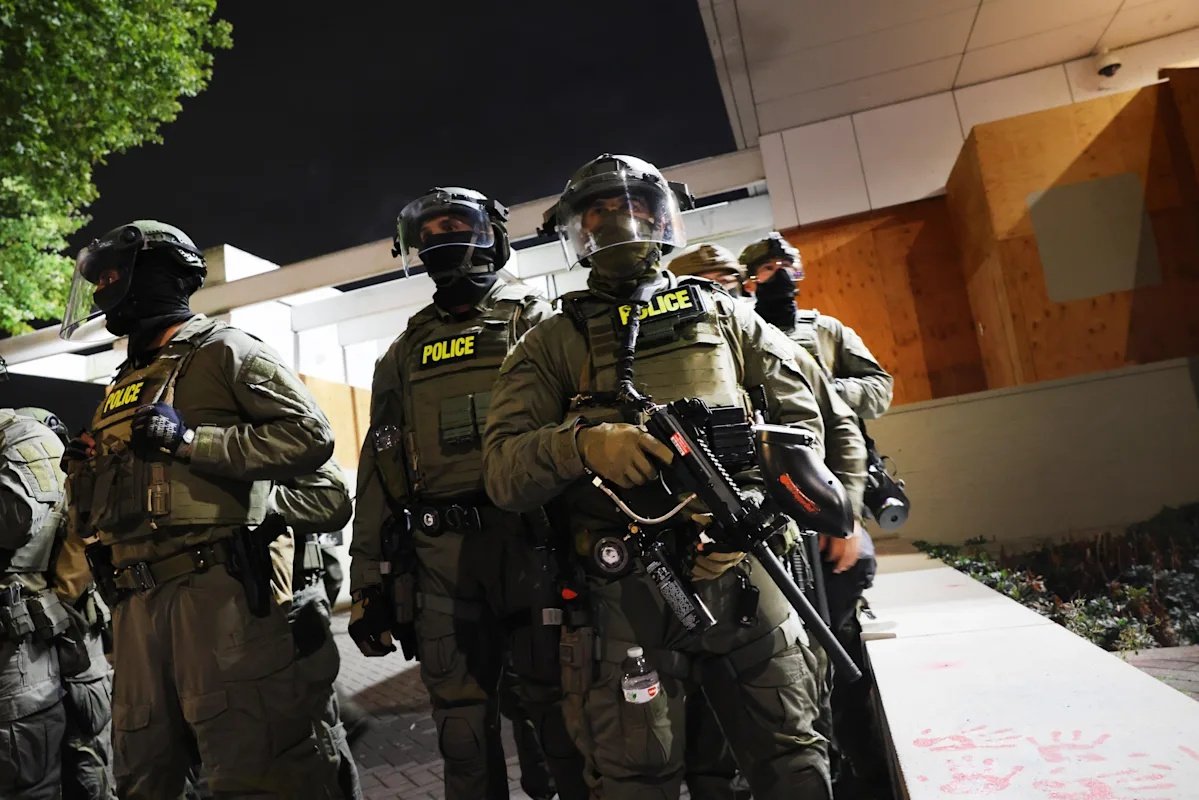
Federal immigration authorities have launched a sweeping operation in Charlotte, North Carolina, as part of President Donald Trump’s aggressive efforts to curb illegal immigration across major U.S. cities. Dubbed “Operation Charlotte’s Web,” the campaign saw nearly 100 arrests in the Charlotte area on Saturday, targeting individuals described by the Department of Homeland Security (DHS) as “criminal illegal aliens.” The initiative reflects the administration’s broader commitment to a nationwide crackdown on undocumented immigrants, a cornerstone of Trump’s policy agenda since his return to office.
The operation drew swift attention and criticism from local officials. Mayor Vi Lyles, alongside city representatives, released a joint statement condemning the federal action, stating that the raids were causing “unnecessary fear and uncertainty” in communities throughout Charlotte. The mayor expressed concern over the chilling effect on residents, particularly among immigrant populations, and highlighted the potential for such actions to disrupt social cohesion and trust in local governance.
According to DHS, Operation Charlotte’s Web is part of a series of enforcement measures targeting cities across the country, including previous operations in Washington D.C., Los Angeles, and Chicago. The agency has framed these efforts as critical to public safety, asserting that removing “criminal illegal aliens” protects American citizens and prevents threats to local communities. Tricia McLaughlin, DHS Assistant Secretary, emphasized that the operation represents a surge in federal enforcement resources dedicated to the Charlotte area, stating, “We are surging DHS law enforcement to Charlotte to ensure Americans are safe and public safety threats are removed.”

The arrests reportedly included a range of cases, from individuals with prior criminal records to those released from custody due to local policies perceived as sympathetic to undocumented residents. The DHS cited North Carolina’s handling of nearly 1,400 Immigration and Customs Enforcement (ICE) detainees, many of whom were released under state or local guidelines, as a key motivation for federal intervention. Officials assert that the operation seeks to address gaps in enforcement created by these policies, although critics argue that such measures blur the line between criminal accountability and targeting vulnerable populations.
The Charlotte operation also highlighted the human dimension of federal immigration enforcement. Reports emerged of local church members, who were performing yard work at a community church in east Charlotte, fleeing into nearby woods when agents arrived. One individual was detained, while witnesses described the sudden appearance of federal authorities as terrifying. A 15-year-old witness told The Charlotte Observer, “We thought church was safe and nothing [was] gonna happen.” These incidents underscore the anxiety and confusion that often accompany large-scale federal immigration operations, particularly in communities with high concentrations of immigrants.
Charlotte is not designated as a sanctuary city—municipalities that adopt policies limiting cooperation with federal immigration authorities—but it holds the status of a “certified welcoming city.” This designation signals the city’s commitment to inclusive policies for immigrant residents, fostering integration and support services rather than punitive measures. Local leaders have emphasized that the federal crackdown contrasts sharply with Charlotte’s approach to immigration, which seeks to balance public safety with community trust and legal protections.

The political context of the raids is unmistakable. Since assuming office, Trump has repeatedly promised to execute the “largest deportation program” in U.S. history, vowing to deploy federal law enforcement resources to cities perceived as failing to comply with immigration mandates. The administration has framed the operation as a response to what it describes as a “failure” of local officials to uphold federal immigration law, with DHS citing sanctuary policies and local leniency as justification for intervention.
Trump’s approach has ignited debate across the political spectrum. Supporters argue that decisive federal action is necessary to maintain law and order, deter illegal immigration, and ensure that individuals with criminal histories are held accountable. Critics, however, argue that the operations risk undermining civil liberties, sowing fear in immigrant communities, and straining relations between federal and local authorities. In Charlotte, where approximately 17% of the population is foreign-born, these concerns have taken on heightened urgency, raising questions about the social and economic impact of mass enforcement actions.
The legal landscape further complicates the picture. Federal authorities emphasize that the operation targets individuals with documented criminal records or outstanding immigration violations. Yet the scope of enforcement has raised questions about due process, legal representation, and the rights of those caught in the raids. DHS noted that a “number of organisations” are standing ready to assist individuals seeking legal guidance on immigration matters, highlighting the critical role of legal aid in mitigating the impact of mass enforcement actions.
The Charlotte raids also occur amid a broader national strategy. Trump administration officials have indicated that New Orleans may be the next city to face a similar operation, with up to 200 federal agents expected to be deployed. The continuity of these enforcement campaigns reflects a deliberate strategy to apply pressure across multiple urban centers, demonstrating the administration’s commitment to strict immigration enforcement and signaling to both supporters and critics the seriousness of its approach.

The deployment of federal agents has sparked intense discussion about the balance between local autonomy and federal authority. Democratic lawmakers, including U.S. Representative Alma Adams, have expressed “extreme concern” about the operations, emphasizing the potential for overreach and the need for careful oversight. Adams highlighted the risks posed to community cohesion, public trust, and individual safety, arguing that federal enforcement should be balanced with respect for local governance and community norms.
Operation Charlotte’s Web is also part of a broader narrative regarding Trump’s focus on high-profile immigration initiatives. Previous operations in cities like Los Angeles and Chicago have drawn criticism for perceived heavy-handedness and excessive use of force, raising concerns about the potential human and social costs of aggressive federal action. These precedents provide important context for understanding the Charlotte operation, particularly as local officials and community leaders weigh the implications for residents and public institutions.
As federal authorities continue the operation, uncertainty remains regarding its duration and ultimate impact. DHS has not disclosed a timeline for the completion of raids in Charlotte, and past operations suggest that enforcement actions may be extended over weeks or months. The combination of arrests, community fear, and political controversy ensures that Operation Charlotte’s Web will remain a focal point of national attention, influencing debates over immigration policy, civil liberties, and the proper role of federal intervention in local affairs.
For residents of Charlotte, the raids underscore the complex intersection of law enforcement, politics, and community life. Families, local leaders, and community organisations face the dual challenge of responding to federal enforcement while maintaining social cohesion and supporting immigrant populations. The human stories emerging from the operation—the fears of churchgoers, the concerns of parents, and the anxiety of young people witnessing arrests—highlight the real-world consequences of high-level policy decisions made in Washington.
Ultimately, the Charlotte operation illustrates the contentious, high-stakes nature of immigration enforcement in the United States. It reflects a federal strategy aimed at demonstrating political resolve, enforcing laws on the books, and addressing perceived gaps in local compliance. At the same time, it raises profound questions about civil liberties, community trust, and the social implications of aggressive federal intervention. As Charlotte navigates the aftermath of Operation Charlotte’s Web, the city’s experience will likely serve as a case study in the challenges and consequences of modern immigration policy in an increasingly polarized political environment.
Related News:
 China-critical UK academics face ‘extremely heavy’ pressure from Beijing
 US Justice Department Files Lawsuit Against California Over Partisan Voting Maps
 Congress Approves Release of Epstein Files, Trump Expected to Sign
 Texas Governor Faces Lawsuit From CAIR
 Chinese & Japanese Boats Clash Near Disputed Islands
 Putin Meets US Envoy Amid Key Ukraine Peace Talks
 Trump Administration Dismisses 17 Immigration Judges, Sparking Debate Over Judicial Independence
 Ministers Accused of Defamation Over Palestine Action Ban and Mass Arrests
 Father’s Tip Leads to Arrest in Charlie Kirk Murder Case
 Jailed Georgian Opposition Leaders Warn UK of Iranian Links to Ruling Party
 UK Extradition Law Change Sparks Fears Among Hong Kong Dissidents
 British Woman in Iran ‘Losing Hope’ Amid Ongoing Detention
 Johnson Approved China’s London ‘Super-Embassy’ in 2018
 BBC Journalist Held and Interrogated in Vietnam
 Experts Question HMRC Over Possible Child Benefit Privacy Breach
 UK University Suspends Human Rights Research Following Pressure from China
 Phillipson urges careful review of gender recognition guidance
 French Taxi Driver Cleared in David Lammy Theft Case After Fare Dispute
UK University Faces Counter-Terror Probe Over China Pressure
French Taxi Driver Cleared in David Lammy Theft Case After Fare Dispute
UK University Faces Counter-Terror Probe Over China Pressure
 Abigail Spanberger Elected Virginia’s First Female Governor
 Mikie Sherrill Elected New Jersey’s Governor in Key Win
 Just Stop Oil Protesters Convicted Amid Climate Defence Row
 British military receives first Ajax armoured vehicles – eight years late
 Met Police Culture Makes Racial Harm ‘Inevitable’
 British Grandmother to Return Home After Death Sentence in Bali
 Remaining rebel Labour MPs have whip restored
 BBC to Apologise Over Edited Trump Speech Amid Backlash
 Tim Davie resigns as BBC director general amid bias claims
 Britain deploys RAF specialists to assist Belgium with drone threats
 BBC director-general and news chief resign amid bias row
 Night after night, Belgium is on high alert.
 Palace to reinstate hyphen in Andrew’s surname
 Ukraine-Russia war latest: Putin’s troops exploit bad weather to force Kyiv withdrawal from multiple towns
 Trump Claims Victory as Longest Shutdown Ends
 New Epstein Files Spark Political Clash in Washington
 Hamas Fighters in Gaza Tunnels Stall Ceasefire Progress
 Ukraine Energy Corruption Scandal Hits Zelensky’s Inner Circle
 Trump Urges Herzog to Grant Netanyahu Full Pardon
 Major Rent Reform Ends No-Fault Evictions in England
 Peers Flood Assisted Dying Bill with 942 Amendments
 Oklahoma Governor Grants Last-Minute Clemency to Death Row Inmate
 Berlin Reintroduces Military Service Amid Rising Security Concerns
 UK Unveils Fast-Track Deportation and Asylum Overhaul
 Greene Pushes Epstein Files Amid Trump Fallout
 Former President Backs Public Release of Epstein Records
 UK Asylum Overhaul Sparks Debate Over Human Rights and Deportations
 UK Asylum Reforms: Temporary Refugee Status and Faster Deportations
 Mahmood Defends Tough Overhaul of UK Asylum System
 Scottish Ministers Express Alarm Over UK Asylum Reforms
 UN Security Council Approves Trump’s Gaza Peace Plan
 South African Detained After Neo-Nazi Rally in Australia
 Why Russian Liberals Push Strongly Pro-Israel Narratives
 Ex-Harvard President Faces Fallout Following Epstein Correspondence
 Westminster Advances Legacy Bill Amid Criticism
 Minister Defends Tough New Asylum Reform Plan
 UK Net Migration Falls Sharply After ONS Revisions
 Federal Court Blocks Texas Republican Maps Over Racial Bias
 Only One Republican Opposes Mass Release of Epstein Files
 Rama Rebukes Mahmood for Targeting Albanian Families
 Russian Vessel Used Lasers on RAF Pilots, UK Claims
 Teens ‘Ran Amok’ at Ex-MP’s Covid Testing Firm
 Senedd Suspends Politician Over Offensive Racial Slur
 Pentagon Officials in Ukraine to Discuss War End
 Trump Signs Bill Releasing Justice Department Files on Epstein
 Turkey to Host COP31 After Breakthrough Deal with Australia
 US Military Team Visits Kyiv Amid War Talks
 WhatsApp Messages Expose Nathan Gill’s Bribery
 Venezuela Threatens Nobel Winner Machado with Fugitive Status
 Mamdani’s Vision: Affordable, Democratic Socialism
 Trump Envoy to Discuss Ukraine Peace at Kremlin
 Peers Get Extra Time to Debate Assisted Dying Bill
 Pope Leo XIV Begins Historic Trip to Turkey and Lebanon
 India’s Labour Law Overhaul Sparks Fierce Debate
 Video shows Israeli troops kill Palestinians after surrender
Trump to Recheck Green Cards from 19 Nations After DC Attack
Video shows Israeli troops kill Palestinians after surrender
Trump to Recheck Green Cards from 19 Nations After DC Attack
 Carney’s Alberta Pipeline Deal Sparks Immediate Pushback
 Kremlin Talks With US Yield No Ukraine Peace Breakthrough
 Indonesia to Repatriate Two Dutch Drug Convicts
 US Defence Chief on Drug Boat Strike: “Did Not See Survivors”
 Franklin Turtle, Sabrina Carpenter Slam US Social Media Use