Published: 18 November 2025 Tuesday . The English Chronicle Desk. The English Chronicle Online
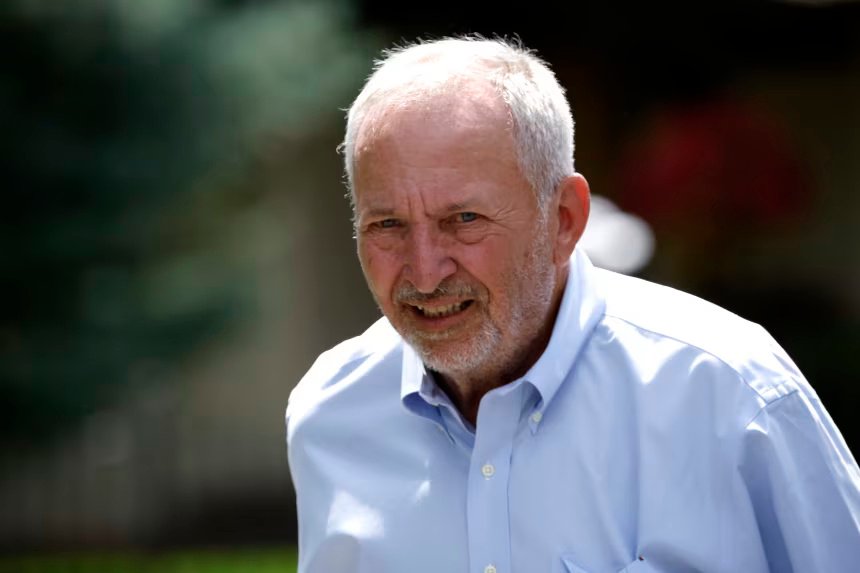
Former Harvard president and US Treasury Secretary Larry Summers has announced that he will step back from public commitments following the release of his email correspondence with disgraced financier Jeffrey Epstein. Summers expressed deep regret over his actions, stating that he was “deeply ashamed” and accepted full responsibility for continuing communications with Epstein.
“I am deeply ashamed of my actions and recognise the pain they have caused,” Summers said in a statement to CBS News. “I take full responsibility for my misguided decision to continue communicating with Mr Epstein.”
The email disclosures, released by the US House Oversight Committee last week, reveal that Summers, who also served as director of the National Economic Council under President Barack Obama, remained in contact with Epstein until the day before the financier’s 2019 arrest on charges of sex trafficking minors.
The development comes as the US Department of Justice announced it would investigate Epstein’s relationships with several prominent figures, including former President Bill Clinton, at the urging of President Donald Trump. Trump also requested probes into Summers, LinkedIn co-founder Reid Hoffman, and banks including JP Morgan and Chase. While Trump’s name appears in some of the released emails, the records do not indicate any wrongdoing on his part.

In social media posts, Trump described Epstein as “a Democrat” and stated that the responsibility for his crimes lay with the Democratic Party, not him. Clinton has consistently denied knowledge of Epstein’s illegal activities.
Summers, who was president of Harvard from 2001 to 2006 and is currently a professor at the university, indicated that his decision to step back from public engagements is part of a broader effort to “rebuild trust and repair relationships with the people closest to me.” He confirmed that he would continue to fulfill his teaching obligations while limiting his public appearances.
The Center for American Progress, where Summers served as a senior fellow, also announced that he was no longer affiliated with the organization. Summers remains a member of the board of OpenAI, which he joined in 2023 after a failed attempt to remove CEO Sam Altman. Representatives from both OpenAI and Summers have yet to confirm whether he will remain on the board.
The released emails illustrate a pattern of frequent meetings between Summers and Epstein, including dinners where Epstein attempted to introduce Summers to influential figures globally. One email in July 2018 suggested a potential meeting with the “president [sic] of United Nations, interesting person for you.” In another email, following Trump’s 2016 election, Summers advised Epstein to “spend zero effort on anything about me with Trump,” citing concerns about conflict of interest and the political climate.

Summers had previously expressed deep remorse over communicating with Epstein after his 2008 conviction for soliciting an underage prostitute. He has consistently maintained that he was unaware of Epstein’s criminal activities prior to the 2019 arrest.
The Wall Street Journal reported that Trump was mentioned in over 1,600 of the 2,324 released email threads, though he neither sent nor received the messages. The emails also refer to interactions with multiple high-profile figures, highlighting Epstein’s extensive network and his attempts to connect prominent individuals across politics, academia, and business.
This latest revelation has further intensified scrutiny over the associations between Epstein and well-known public figures, raising questions about judgment and accountability. Summers’ decision to step back is seen by some as a move to protect his professional reputation and to allow time for reflection and repair of relationships strained by the controversy.
The broader implications of the released emails are expected to be significant, as Congress considers releasing all files related to Epstein. The disclosure is part of ongoing investigations into the financier’s ties to influential political and financial figures, and the Department of Justice has indicated that it will examine these connections closely.
As public attention remains focused on the fallout from the emails, Summers has emphasized a desire to prioritize personal accountability and professional responsibility. “While continuing to fulfill my teaching duties, I will be stepping back from public commitments as one part of my broader effort,” he said.
Summers’ actions underscore the enduring repercussions of maintaining associations with individuals involved in criminal conduct, particularly for figures in positions of influence. The developments also highlight ongoing efforts by Congress and the justice system to investigate and understand Epstein’s network and the relationships cultivated during his lifetime.
Related News:
 Pregnant UK Teen to Be Freed from Georgian Jail
 Just Stop Oil Protesters Convicted Amid Climate Defence Row
 China-critical UK academics face ‘extremely heavy’ pressure from Beijing
 British Grandmother to Return Home After Death Sentence in Bali
 US Justice Department Files Lawsuit Against California Over Partisan Voting Maps
 Oklahoma Governor Grants Last-Minute Clemency to Death Row Inmate
 Bataclan Anniversary: France Remembers but Jihadist Danger Lingers
 Trump Deploys DHS to Charlotte in Major Arrest Operation
 Congress Approves Release of Epstein Files, Trump Expected to Sign
 Teens ‘Ran Amok’ at Ex-MP’s Covid Testing Firm
 Texas Governor Faces Lawsuit From CAIR
 Tokyo court rules Japan’s same-sex marriage ban constitutional
 Chinese & Japanese Boats Clash Near Disputed Islands
 Putin Meets US Envoy Amid Key Ukraine Peace Talks
 Indonesia to Repatriate Two Dutch Drug Convicts
 US Defence Chief on Drug Boat Strike: “Did Not See Survivors”
 Trump Administration Dismisses 17 Immigration Judges, Sparking Debate Over Judicial Independence
 Northern Ireland Family of Three Shot Dead in Maguiresbridge Home Incident
 Badenoch Warns Farage’s Grooming Gangs Plan Could Backfire
 British Woman in Iran ‘Losing Hope’ Amid Ongoing Detention
 Johnson Approved China’s London ‘Super-Embassy’ in 2018
 BBC Journalist Held and Interrogated in Vietnam
 UK University Suspends Human Rights Research Following Pressure from China
 Police Probe Four Knife Incidents Linked to Cambridgeshire Train Attack
 French Taxi Driver Cleared in David Lammy Theft Case After Fare Dispute
 Top Christmas Books Reads: Classics to Cozy Romcoms
 World Whisky Tour: 9 Global Gems
 Tension and Turmoil at Aston Villa v Maccabi Match
 Newcastle United Lifts Ban on Fan Over Gender-Critical Views
 BBC to Apologise Over Edited Trump Speech Amid Backlash
 King Charles to Lead Nation in Remembrance Sunday Service
 Lando Norris Dominates Brazil GP to Strengthen F1 Title Bid
 Britain deploys RAF specialists to assist Belgium with drone threats
 Government urges schools to ban phones to curb classroom disruption
 Palace May Restore Hyphen to Andrew Mountbatten-Windsor’s Name
 US Senate Passes Funding Bill to End Historic Shutdown
 Suicide Bombing at Islamabad Court Kills 12, Injures Dozens
 Seven Conditions That Automatically Qualify You for a Free Bus Pass
 Ukraine-Russia war latest: Putin’s troops exploit bad weather to force Kyiv withdrawal from multiple towns
 Pop Stars Call on UK Government to Cap Resale Prices for Fans
 Algeria Pardons French-Algerian Novelist Sansal After Year in Jail
 Trump Urges Herzog to Grant Netanyahu Full Pardon
 Hitler’s DNA Confirms He Truly Had Only One Testicle
 Major Rent Reform Ends No-Fault Evictions in England
 Peers Flood Assisted Dying Bill with 942 Amendments
 Rio Raid’s Death Toll Raises Questions About Gang Impact
 Israel Confirms Returned Hostage as Meny Godard
 Greene Pushes Epstein Files Amid Trump Fallout
 December Run-Off in Chile as Election Produces No Winner
 UK Asylum Overhaul Sparks Debate Over Human Rights and Deportations
 Zelenskyy Signs Fighter Jet Deal Amid Russian Drone Attacks
 Orban Says Ukraine Has ‘No Chance’ as EU Support Continues
 Canada Passes Carney’s First Budget in Tight Parliamentary Vote
 Charlotte Raids: 130 Arrested in Major Immigration Sweep
 Eminem Takes Legal Aim at Australian ‘Swim Shady’ Brand
 Israeli Strike Kills 13 Near Palestinian Camp in Lebanon
 Zelensky Meets US Envoy in Turkey to Push Ukraine Peace Talks
 Federal Court Blocks Texas Republican Maps Over Racial Bias
 Haiti Qualifies for World Cup Despite Coach Never Visiting Country
 Rama Rebukes Mahmood for Targeting Albanian Families
 Serial Rapist and Former Cop Found Guilty Again
 Man Charged Over Attempted Murder of Senior Officer
 Two Officers Injured After Van Deliberately Rams Patrol Car
 Pentagon Officials in Ukraine to Discuss War End
 Vietnam Battles Deadly Floods as Rains Continue
 Venezuela Threatens Nobel Winner Machado with Fugitive Status
 At Least Three Dead in Bangladesh Earthquake
 Barcelona Returns to Camp Nou vs Athletic Bilbao
 Israel Confirms Hamas Returned Dror Or’s Body
 Trump Envoy to Discuss Ukraine Peace at Kremlin
 Peers Get Extra Time to Debate Assisted Dying Bill
 Two National Guard Soldiers Critically Injured Near White House
 Residents Face £3.6m Bill for Unsafe Kirkby Flats
 Southern Lebanon reels as Israeli strikes shatter communities
 Mbappe Scores 4 as Real Madrid Edge Olympiakos
 Man City Lose, Champions League Risk
 Sri Lanka Floods Leave 56 Dead, Dozens Missing
 India’s Labour Law Overhaul Sparks Fierce Debate
 Video shows Israeli troops kill Palestinians after surrender
 Virgin Media Fined £23.8m Over Telecare Safety Failures