Published: 20November 2025 Thursday . The English Chronicle Desk. The English Chronicle Online
A former government minister and his business partners are facing serious allegations of misconduct related to a coronavirus testing company, with testimony in court describing chaotic conditions and unsafe practices. At Bradford Crown Court, teenage employees were described as having “run amok” at RT Diagnostics, a firm established during the pandemic by former Labour MP Shahid Malik and pharmacist and ex-Halifax councillor Faisal Shoukat. Both men, alongside four co-defendants, are accused of fraudulent trading and creating a public nuisance, while Malik and Shoukat also face money laundering allegations.
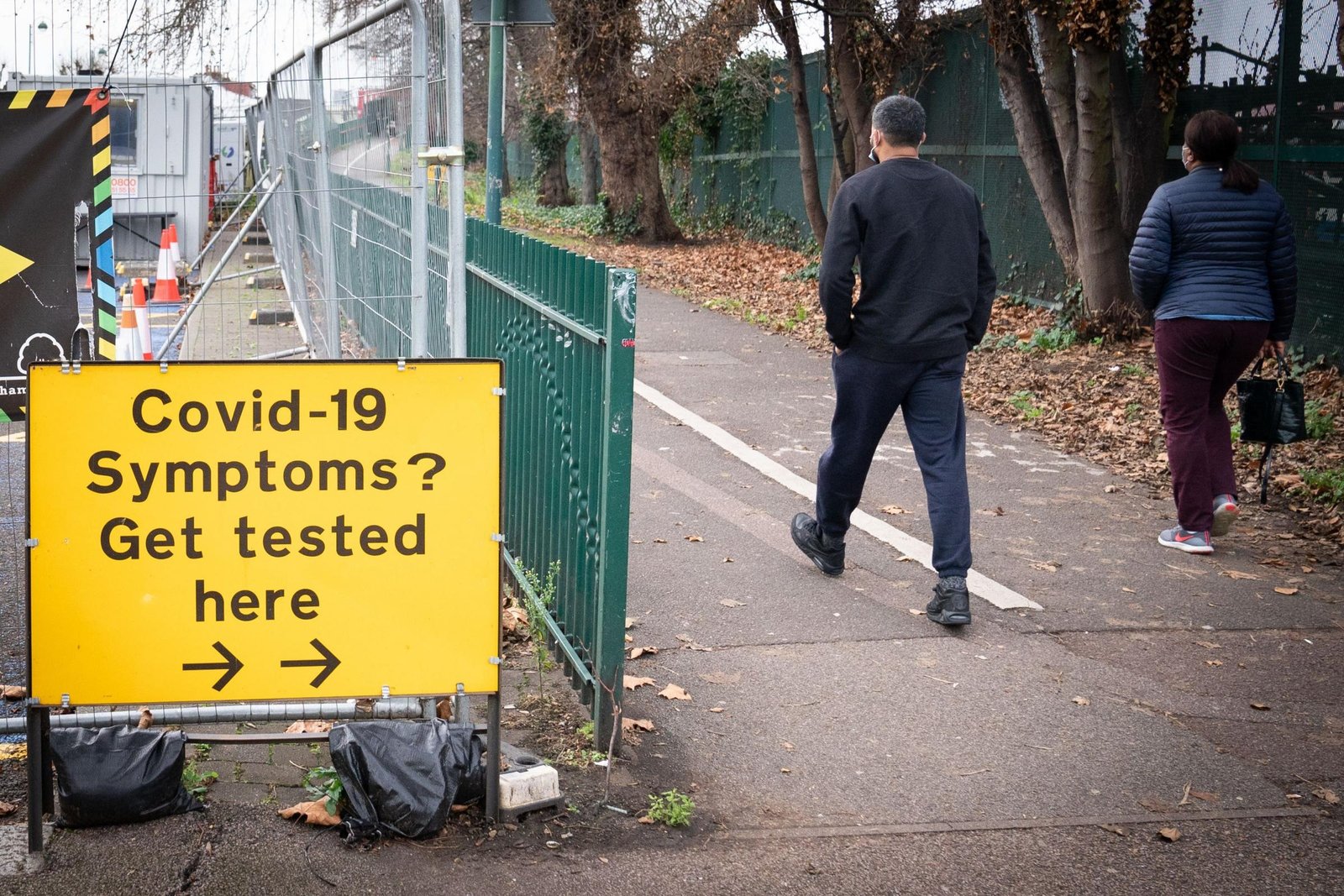
The trial has brought to light disturbing accounts from former employees of RT Diagnostics, which operated in Halifax during the height of the UK’s Covid testing drive. Prosecutors claim the company generated £6.67 million in just three weeks in March 2021, exploiting the government’s rapid expansion of the test and trace system. The business has been described in court as a “cash cow,” and authorities contend that it was set up primarily to benefit its founders financially rather than to provide a reliable public health service.
Shahid Malik, 57, who represented Dewsbury as a Labour MP from 2005 to 2010 and served as both justice minister and communities minister, is alleged to have been the central figure driving the company’s operations. Faisal Shoukat, 37, a pharmacist and former councillor, is accused of collaborating with Malik in the day-to-day management of the firm. The other defendants—Lynn Connell, 64; Dewsbury East councillor Paul Moore, 56; and Dr Alexander Zarneh, 70—face charges of fraudulent trading and causing a public nuisance alongside the two main figures. All defendants deny the allegations brought against them.

The evidence presented to the court has painted a picture of a workplace in disarray. Amber Morley, an administrator at RT Diagnostics between June and July 2021, told jurors that the firm’s premises on Lister Lane, off Francis Street, resembled a “building site.” According to Morley, staff were not consistently provided with or required to wear personal protective equipment, a concerning detail given the company’s involvement in Covid testing. She described the relentless pressure on employees, noting that the phones constantly rang with complaints and that the email inbox at one point contained more than 1,000 unread messages. Many of these communications were from customers frustrated at either missing test results or incomplete sample kits.
Morley also recounted guidance allegedly given by management to staff handling anxious clients. Employees were reportedly instructed that if a customer called after 24 hours without receiving results, they could tell them their test was negative, even though it had not necessarily been processed. She described a situation in which untested samples were left in boxes in one room, leading some employees to refuse entry due to hygiene concerns. While it was never officially confirmed, she said these samples appeared to have been used, creating an environment that staff found “disgusting.” After complaints were made, the untested samples were reportedly relocated, but Morley said only a few staff members raised concerns about the unsafe conditions.
Another former employee, Jennifer Duncan, who worked as a packing supervisor, explained how the company relied heavily on underage staff during the period in question. She said the number of people she supervised increased from nine to twenty over a short period, most of whom were between 16 and 18 years old. Duncan testified that the influx of younger employees contributed to the disorder at the workplace, with many failing to follow instructions and “running amok.” The strain on management caused her to resign from her supervisory role, as she found it stressful to control a group of inexperienced and unruly teenagers.
Duncan also addressed the handling of untested sample kits, explaining that the sheer volume of tests being processed and returned created an overwhelming backlog. She said the company may have had good intentions, but its operations could not cope with the demand. As a result, numerous test kits remained unprocessed in boxes, a situation that she believed reflected poor planning rather than malicious intent. Nevertheless, the evidence highlighted the risks posed to the public and to employees in a setting that was meant to provide accurate Covid testing during a critical period of the pandemic.
The court heard that RT Diagnostics operated at a frenetic pace, with staff struggling to keep up with the unprecedented demand for testing. Employees reported feeling unsupported and overworked, managing large numbers of complaints from the public while attempting to process thousands of test kits daily. The trial also examined how leadership decisions, including the employment of large numbers of teenagers and inexperienced staff, exacerbated operational failures and safety risks. Witness testimony underscored that the chaotic environment extended across multiple areas of the business, affecting administration, sample processing, and customer service alike.
Prosecutors contend that the defendants knowingly exploited the UK government’s testing programme for personal gain, leveraging RT Diagnostics’ rapid growth to generate significant profit. They allege that the firm failed to maintain essential quality controls, putting both staff and the public at risk. By contrast, the defence maintains that the company sought to meet the overwhelming demand for tests and that operational issues arose from the unprecedented scale and speed of the testing programme, rather than deliberate misconduct.

The trial has revealed a combination of mismanagement, staff shortages, and high-pressure circumstances that contributed to the breakdown of workplace discipline. Witnesses described the scene as chaotic and unsafe, highlighting both the stress placed on employees and the difficulty in maintaining effective quality control under such conditions. Testimonies from former staff members provide a detailed picture of the day-to-day challenges faced at RT Diagnostics, from handling overflowing emails and calls to supervising inexperienced teenagers tasked with critical Covid testing responsibilities.
As the court proceedings continue, the evidence presented will be crucial in determining whether the defendants are guilty of fraudulent trading, money laundering, and causing a public nuisance. The trial is expected to examine whether the company’s rapid financial gains were achieved through deliberate misconduct or were a byproduct of managing an unusually high volume of Covid testing during the pandemic.
The allegations have attracted significant public interest, not only because of the high-profile nature of the defendants but also due to the broader context of the UK’s pandemic response. RT Diagnostics was part of the nationwide effort to increase testing capacity, and the case raises questions about oversight, accountability, and the risks associated with rapidly scaling public health services. Observers have noted that the trial may have implications for future regulation of private companies involved in critical health services, particularly those working under urgent government contracts during emergency situations.
While the trial continues, the defendants have maintained their innocence, and the court will carefully consider all witness testimony and documentary evidence before reaching a verdict. The proceedings serve as a reminder of the challenges faced by both government agencies and private contractors in responding to public health emergencies, and they highlight the potential consequences when operational standards are not rigorously maintained.
For the local community and former employees, the case represents a search for accountability. Employees who witnessed unsafe conditions, mismanagement, and mishandled test kits have been candid in describing the environment, providing the court with firsthand accounts of how the company operated under extreme pressure. These testimonies underscore the tension between profit motives, public service obligations, and the practical realities of managing a rapidly expanding enterprise during a pandemic.
As Bradford Crown Court hears further evidence, the trial continues to unfold with multiple complex issues at stake. From allegations of fraudulent practices to questions about workplace safety and operational competence, the case presents a detailed examination of the responsibilities and legal obligations of companies operating in critical sectors. The outcome will have lasting implications for all involved and may shape expectations for private-sector involvement in public health initiatives in the future.
Related News:
 Pregnant UK Teen to Be Freed from Georgian Jail
 Just Stop Oil Protesters Convicted Amid Climate Defence Row
 British Grandmother to Return Home After Death Sentence in Bali
 Oklahoma Governor Grants Last-Minute Clemency to Death Row Inmate
 Tragedy Hits Manhattan as Police Officer Among Four Dead in Midtown Office Shooting
 Northern Ireland Family of Three Shot Dead in Maguiresbridge Home Incident
 A Fugitive’s Double Life Uncovered: My Interview with Nicholas Rossi, Scotland’s Notorious Escapee Facing Utah Rape Trial
 Failed New Mexico Candidate Sentenced to 80 Years for Drive-By Shootings at Lawmakers’ Homes
 Father’s Tip Leads to Arrest in Charlie Kirk Murder Case
 Charlie Kirk Killing Used to Mobilise UK’s Largest Far-Right Rally in Decades
 UK Gamer Recruited by Wagner Group Found Guilty of Arson
 Badenoch Warns Farage’s Grooming Gangs Plan Could Backfire
 Five More Prisoners Freed by Mistake in Essex Week
 Nearly 48,000 Zombie Knives Removed from UK Streets in a Year
 Afghan man charged with murder after west London knife attack
 Trump Speaks on Prince Andrew’s Royal Scandal Fallout
 Man Charged Over Cambridgeshire Train Stabbing
 Police Probe Four Knife Incidents Linked to Cambridgeshire Train Attack
 French Taxi Driver Cleared in David Lammy Theft Case After Fare Dispute
 Lammy ‘misinformed’ over Wandsworth prisoner releases
 China-critical UK academics face ‘extremely heavy’ pressure from Beijing
 Prison sentencing reforms expected to raise crime by up to 6%, police warn
 Met Police Culture Makes Racial Harm ‘Inevitable’
 Bar Council urges legal aid for all domestic abuse family cases
 Shook the ground under my feet: Panic as car blast hits near Delhi’s Red Fort
 Judges to Decide Fate of Chief Constable Guilty of Contempt
 New Epstein Files Spark Political Clash in Washington
 Sydney Pair Accused of Running Multimillion-Dollar Scam
 South Korea’s Jeju Island Faces Rising Tide of Illicit Drugs
 Ukraine Energy Corruption Scandal Hits Zelensky’s Inner Circle
 US Justice Department Files Lawsuit Against California Over Partisan Voting Maps
 Bataclan Anniversary: France Remembers but Jihadist Danger Lingers
 Rio Raid’s Death Toll Raises Questions About Gang Impact
 Israel Confirms Returned Hostage as Meny Godard
 ‘Fake Admiral’ Sparks Outrage at Remembrance Event
 Trump Deploys DHS to Charlotte in Major Arrest Operation
 Delhi Car Bomb Arrest: Suspect Linked to Deadly Attack
 Paralegal Fired After Exposé on Illegal Worker Scam
 Dan Wootton Rejects Catfishing Allegation in Court
 Charlotte Raids: 130 Arrested in Major Immigration Sweep
 South African Detained After Neo-Nazi Rally in Australia
 Convicted Killer Challenges Vegemite Ban Behind Bars
 Ex-Harvard President Faces Fallout Following Epstein Correspondence
 Congress Approves Release of Epstein Files, Trump Expected to Sign
 Newport Man Left Injured After Electric Bike Collision
 Serial Rapist and Former Cop Found Guilty Again
 Man Charged Over Attempted Murder of Senior Officer
 Two Officers Injured After Van Deliberately Rams Patrol Car
 Man Denies Stealing Bronze Age Gold from Museum
 Trump Slams Democrats With ‘Seditious’ Death Claim
 WhatsApp Messages Expose Nathan Gill’s Bribery
 South African Women Call Purple Protest Over Gender Violence
 Venezuela Threatens Nobel Winner Machado with Fugitive Status
 Texas Governor Faces Lawsuit From CAIR
 Gardener Guilty of Brutal Attack on Teacher Partner
 Runaway Driver Caught by DNA Evidence
 Trump Envoy to Discuss Ukraine Peace at Kremlin
 Twenty-Four Nigerian Schoolgirls Freed After Abduction
 Two National Guard Soldiers Critically Injured Near White House
 Southern Lebanon reels as Israeli strikes shatter communities
 Video shows Israeli troops kill Palestinians after surrender
 Man Arrested Over Manchester Synagogue Terror Attack
 Rare shark attack kills woman, injures man at remote NSW beach
 Tokyo court rules Japan’s same-sex marriage ban constitutional
 Chinese & Japanese Boats Clash Near Disputed Islands
 Putin Meets US Envoy Amid Key Ukraine Peace Talks
 Twelve Prisoners Released in Error, Two Still Missing
 Man Swallows $19K Fabergé Egg Pendant in Theft
 Indonesia to Repatriate Two Dutch Drug Convicts
 US Defence Chief on Drug Boat Strike: “Did Not See Survivors”
 Targeted Attack in Bury Sparks Murder Investigation as Community Awaits Justice
 Merseyside Police Helicopter Crew Cleared After Low-Altitude Pursuit of Suspect
 No Evidence Found to Substantiate Alleged Rape in Oxfordshire Churchyard, Police Confirm
 UK Bans Fake Numbers: Scammers Lose Their Trick
 BBC to Apologise Over Edited Trump Speech Amid Backlash
 Britain deploys RAF specialists to assist Belgium with drone threats
 Greene Pushes Epstein Files Amid Trump Fallout
 Zelenskyy Signs Fighter Jet Deal Amid Russian Drone Attacks
 Shadow Fleet at Sea: Europe’s Battle Against Illicit Oil Shipping
 Virgin Media Fined £23.8m Over Telecare Safety Failures