Published: 21 November 2025 Friday. The English Chronicle Desk. The English Chronicle Online
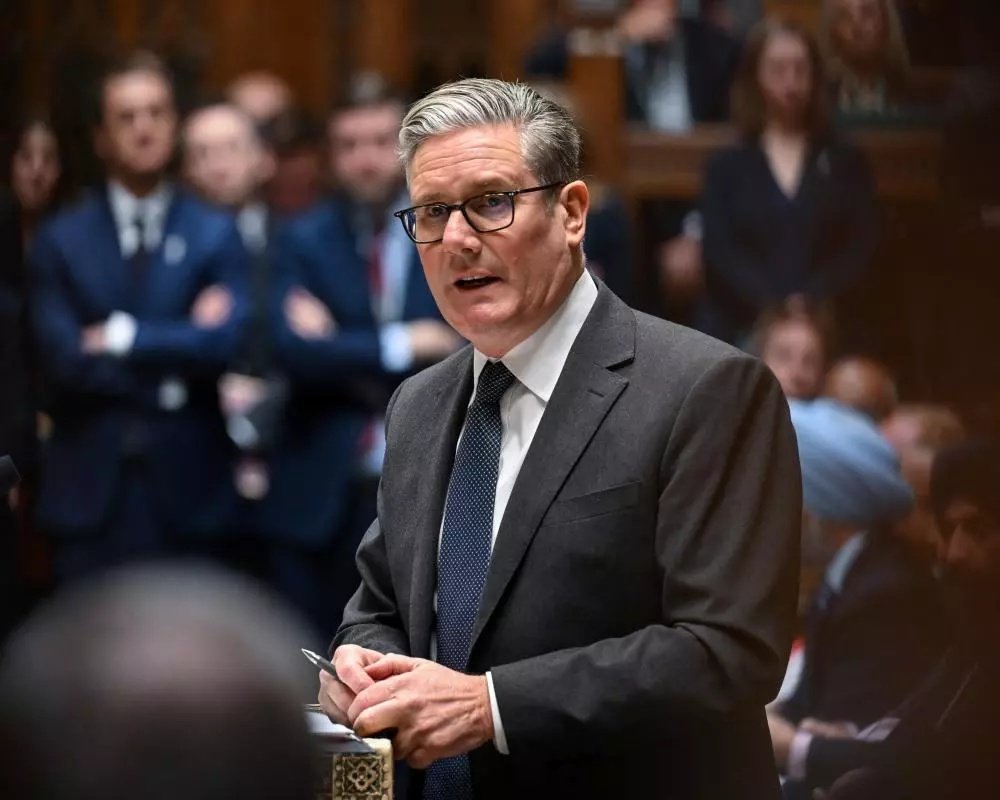
UK Prime Minister Sir Keir Starmer has defended his decision to attend the G20 summit in Johannesburg, South Africa, emphasizing the importance of promoting British business interests abroad even as former US President Donald Trump boycotts the event. The gathering, which brings together the world’s 20 largest economies, has attracted global attention not only for its discussions on trade, climate, and development but also for the absence of the United States delegation, following Trump’s widely criticized claims of white persecution in South Africa. Starmer, often referred to by critics as “never here Keir” for his frequent international travel, has sought to reframe the narrative by highlighting the tangible benefits of UK engagement overseas, particularly for businesses seeking strategic partnerships and investment opportunities across Africa.
During his visit, Starmer is scheduled to tour a Johannesburg depot showcasing trains manufactured in Derby, underlining the UK’s commitment to exporting technology and expertise. He will also announce a new deal in which Crossrail International, a UK government-owned consultancy, will provide strategic advice and operational support to South Africa’s railway network. Similar agreements have been signed with Vietnam, demonstrating the UK’s growing role as a provider of infrastructure consultancy services in emerging markets. Downing Street officials argue that Africa presents “unparalleled future opportunities” for British businesses, given that half of the continent’s population is under the age of 20, and projections indicate that more than a quarter of the world’s population will reside in Africa by 2050. Starmer’s emphasis on face-to-face engagement reflects a broader strategy to secure long-term economic partnerships that will benefit both the UK and its partner nations.
The prime minister acknowledged the implications of Trump’s absence but maintained that the UK must continue to engage directly with partner countries to secure practical agreements. “I will focus on the deals we can do, the business we can do, with our partner countries and make sure that the work we do internationally is impacting directly at home,” he told reporters while en route to Johannesburg. Starmer stressed that building international partnerships translates into domestic benefits, including job creation and economic growth, reinforcing the government’s position that global diplomacy and domestic prosperity are closely intertwined. “If you want to deal with the cost of living and make people better off with good, secure jobs, investment from G20 partners and allies is really important,” he added, signaling that the summit’s outcomes have direct relevance to everyday citizens.

Trump’s decision to skip the summit has stirred controversy, with the former president calling the G20 a “total disgrace” and reiterating claims that white Afrikaners in South Africa are being persecuted. His administration has offered refugee status to white South Africans, giving them priority over other ethnic groups—a policy widely criticized and uncorroborated by independent observers. South African President Cyril Ramaphosa dismissed Trump’s boycott, asserting that it represented “their loss” and reinforcing the principle that “boycott politics doesn’t work.” South Africa’s government has consistently stated that claims of a white genocide are “widely discredited and unsupported by reliable evidence,” with no political party, including those representing Afrikaners, substantiating such allegations. Starmer’s attendance, therefore, underscores the UK’s commitment to engaging constructively with Africa based on economic opportunities and mutual respect, rather than partisan or unverified claims.
The G20 summit provides a platform for Starmer to position the UK as an ambassador for international business, showcasing how British expertise and investment can support infrastructure development and economic modernization in partner nations. The rail agreement with South Africa exemplifies the type of initiatives Starmer is promoting, leveraging UK technological know-how while fostering sustainable growth abroad. Crossrail International’s role as a government-owned consultancy highlights the UK’s willingness to provide advisory services, project management, and strategic guidance, extending the country’s influence in high-value sectors such as transport, logistics, and infrastructure planning. These deals are framed as mutually beneficial, emphasizing economic diplomacy as a tool to generate both foreign investment and domestic prosperity.

Starmer’s trip also highlights the broader demographic and economic potential of Africa. With a young, rapidly growing population, the continent represents a significant future market for British goods, services, and expertise. Analysts note that early engagement by the UK can strengthen commercial ties, support industrial growth, and enhance bilateral cooperation in sectors ranging from transport and energy to healthcare and education. In addition to the immediate economic benefits, Starmer’s diplomacy signals the UK’s strategic interest in fostering long-term relationships with emerging economies, positioning the nation as a reliable partner in global development while countering the influence of other major powers that are also investing heavily across the continent.
Despite criticism from some quarters regarding the frequency of his international trips, Starmer has argued that his presence at events like the G20 is essential for advancing British economic and strategic interests. By meeting leaders and industry stakeholders directly, the prime minister seeks to secure agreements that would be difficult to negotiate remotely, particularly in complex sectors such as infrastructure and energy. His focus on practical outcomes rather than ceremonial attendance reflects a pragmatic approach to international engagement, designed to yield tangible benefits for UK businesses, workers, and taxpayers. Starmer’s emphasis on connecting diplomacy with domestic priorities underscores a central theme of his administration: that global partnerships can deliver real-world advantages at home.
The prime minister’s visit also comes at a time when geopolitical tensions and trade dynamics are shifting rapidly. The G20 provides a unique forum for dialogue on global economic governance, climate change, and investment strategies, allowing the UK to demonstrate leadership and influence within multilateral frameworks. Starmer’s interactions with African leaders, business representatives, and international counterparts aim to reinforce the UK’s reputation as a partner of choice, committed to ethical investment, technology transfer, and sustainable development. By focusing on these priorities, the prime minister seeks to align British diplomacy with long-term economic strategy, ensuring that the UK remains competitive in a rapidly evolving global landscape.
While Trump’s boycott has drawn media attention, Starmer’s approach emphasizes continuity, engagement, and results. He has signaled that the absence of a US delegation will not hinder the UK’s ability to pursue meaningful agreements or to act as an effective advocate for business opportunities abroad. The prime minister’s message is clear: the UK will continue to engage constructively, building relationships based on shared interests, economic cooperation, and mutual benefit. By attending the summit, Starmer reinforces the idea that international diplomacy is not merely symbolic but a vital instrument for securing growth, creating jobs, and promoting national prosperity.

Throughout his visit, Starmer will showcase how British technology, engineering, and consultancy services can address real-world challenges in partner countries. The rail projects in South Africa and Vietnam exemplify this strategy, highlighting the UK’s ability to export expertise, improve infrastructure, and support economic development. These initiatives serve as tangible proof that international engagement, when coupled with strategic planning and investment, can deliver measurable results, benefiting both the host nations and the UK itself. Starmer’s focus on practical, results-driven diplomacy demonstrates a commitment to ensuring that the UK remains a proactive and influential player on the global stage.
In conclusion, Starmer’s attendance at the G20 summit in Johannesburg represents a calculated effort to advance UK interests abroad, despite the absence of Trump and heightened media scrutiny. By promoting trade, infrastructure development, and strategic partnerships, the prime minister seeks to demonstrate the benefits of direct engagement with international partners. His visit underscores the importance of combining diplomacy with economic strategy, highlighting how global cooperation can translate into domestic prosperity. Through initiatives like Crossrail International’s consultancy agreements, Starmer aims to ensure that the UK remains competitive, forward-looking, and capable of seizing opportunities in a rapidly changing world. The G20 summit, therefore, is not just a gathering of the world’s largest economies—it is a platform for the UK to showcase leadership, drive growth, and solidify its role as a trusted global partner.
Related News:
 Trump’s UK Ambassador Urges North Sea Drilling to Strengthen US Ties
 Rachel Reeves Set to Break Labour Pledge and Raise Income Tax
 Thinktanks Urge Rachel Reeves to Reform UK Tax System
MPs Press Rachel Reeves to Hike Gambling Taxes
Thinktanks Urge Rachel Reeves to Reform UK Tax System
MPs Press Rachel Reeves to Hike Gambling Taxes
 Cuts to home insulation funding threaten UK climate goals
 Starmer Says Labour’s Economic Plan Needs Years to Deliver
 Rachel Reeves Hosts Top UK and US Financial Executives as Trump’s State Visit Begins
 Farage’s Reform UK Receives £100,000 from Design Firm with Past Tax Issues
 Rachel Reeves Faces Criticism Over Appearance at Gambling Industry Event Amid Tax Review
 King Charles Earns Over £1 Million from Duchy Land Linked to Scrapped HS2 Project
 Gatwick Secures Approval for £2.2bn Second Runway Expansion
 Labour to Unveil Ambitious Plan for 12 New Towns to Tackle England’s Housing Crisis
 Kemi Badenoch Unveils ‘Golden Rule’ to Halve Spending Cuts for Deficit Reduction at Tory Conference
 Rachel Reeves urged to consider welfare cuts to boost fiscal credibility
 Tories Push to Dilute Labour’s Workers’ Rights Bill
 Rachel Reeves to lead UK trade push in Saudi Arabia amid rights debate
 Wales May Introduce Four-Day Work Week After Elections
 Green Party Surges Past Labour in Latest UK Poll
 Celebrities and Charities Demand UK Government Act on Child Poverty
 UK Small Business Owner to Challenge L’Oréal in Tribunal
 Court Hears Challenge Over Water Bills Funding Sewage Fixes
 Company linked to Michelle Mone owes £39m in tax
 Tony Blair think tank warns Rachel Reeves must cut taxes if manifesto broken
 Labour Urged to Honour Tax Pledges Ahead of Budget
 Labour Falls to Fourth in Poll, Faces Historic Election Loss
 Warning as Britons prepare to spend £4 billion this Black Friday
 Troubled drinks giant Diageo names former Tesco boss to lead turnaround push
 Millionaires group urge Reeves to introduce wealth tax to ‘lift kids out of poverty’
 Reeves’s Tax U-Turn Triggers Fresh Jitters in UK Markets
 Global markets drop amid tech sell-off and China slowdown
 Mossmorran Plant Closure Hits Cowdenbeath Hard
 UK Government Borrowing Higher Than Expected
Reeves to Crack Down on Benefit Fraud While Lifting Two-Child Limit
UK Government Borrowing Higher Than Expected
Reeves to Crack Down on Benefit Fraud While Lifting Two-Child Limit
 Minister Denies Budget Leaks Have Harmed UK Economy
Budget 2025: Reeves Drops Economic Growth Reference
Minister Denies Budget Leaks Have Harmed UK Economy
Budget 2025: Reeves Drops Economic Growth Reference
 Expanded Version – Black Friday Shoppers Warned Over ‘Dud Deals’
 English Mayors Set to Introduce Tourist Taxes
 India’s Labour Law Overhaul Sparks Fierce Debate
 Carney’s Alberta Pipeline Deal Sparks Immediate Pushback
 Black Friday Footfall Falls as UK Shoppers Hold Back Amid Economic Concerns
 Rising Water Bills Lift Troubled Thames Back to Profit
 Modi’s London Visit Seals Historic UK-India Trade Pact Amid Global Tensions
 Chancellor Faces Mounting Pressure Amid “Impossible Trilemma” Over Tax Rises
 Chancellor Rachel Reeves Pushes for Sweeping Changes to Environmental Protections to Accelerate Development
 Larger Families Could Gain Thousands if Labour Ends Two-Child Benefit Cap
 Inflation Latest: Cost of Living Expected to Rise Again in Key Figures Released Today
 Retail Sales See Uptick Amid Errors and Delays as ONS Faces Scrutiny
 UK House Prices Hit Record £299,331 as Market Shows Steady Growth
Shein UK Faces Allegations of Shifting Majority of Profits to Singapore to Reduce UK Tax
UK House Prices Hit Record £299,331 as Market Shows Steady Growth
Shein UK Faces Allegations of Shifting Majority of Profits to Singapore to Reduce UK Tax
 UK Retail Sales Rise in August, but Tax Concerns Loom Over Festive Period
 UK Labour Market Shows Signs of Cooling as Wage Growth Slows and Redundancies Rise
 Vodafone Franchisees Sound Alarm: Mental Health Toll of Commission Cuts Revealed Years Before £120m Court Battle
 UK Government Backs Return of International Rail Travel to Kent Stations
 Marks & Spencer Staff to Work on Boxing Day for First Time in Five Years Amid Cost-Cutting Measures
 Senior Tories Condemn Badenoch’s Vow to Repeal Climate Change Act as Catastrophic
 Real living wage set to rise nearly 7% for UK workers in 2026
Reeves Faces Setback as Labour May Miss Homes Target
Real living wage set to rise nearly 7% for UK workers in 2026
Reeves Faces Setback as Labour May Miss Homes Target
 Virgin Trains Moves Closer to Challenging Eurostar Monopoly
 FBI Director Kash Patel Defends Girlfriend Amid Government Jet Claims
 Ryanair Chief UK Economy ‘Doomed’ Under Labour
 French Taxi Driver Cleared in David Lammy Theft Case After Fare Dispute
 M&S Profits More Than Halve After Cyber-Attack
 ‘Reckless’ cuts to victims’ services will cost more than they save
 Starmer Faces Growing Dissent as Labour MPs Weigh Leadership Challenge
 Reeves rejects £1bn plea for NHS redundancy payouts
 Politics latest: Starmer ‘will fight any leadership coup’ as Streeting denies attempt to oust Labour PM
 Skims Eyes Global Expansion After Reaching $5 Billion Value
 PM Condemns Leaks, Vows Loyalty to Ministers and Stability
 Major Rent Reform Ends No-Fault Evictions in England
 Peers Flood Assisted Dying Bill with 942 Amendments
 England’s Special Needs Support Faces Breaking Point
 Canada Passes Carney’s First Budget in Tight Parliamentary Vote
 Kate Forbes: Motherhood Harder Than Politics
 Most Tories Expect to Support a Farage-Led Government
 Steel billionaire Lakshmi Mittal reportedly leaves UK
 Labour MP claims devolution bill is ‘blatant discrimination’ against Cornwall
 Millions Face Higher Taxes Under Reeves New Budget
 Peers Get Extra Time to Debate Assisted Dying Bill
 Virgin Media Fined £23.8m Over Telecare Safety Failures
 Tesla Warns UK That Weak EV Rules Could Threaten Sales