Published: 21 November 2025 Friday. The English Chronicle Desk. The English Chronicle Online
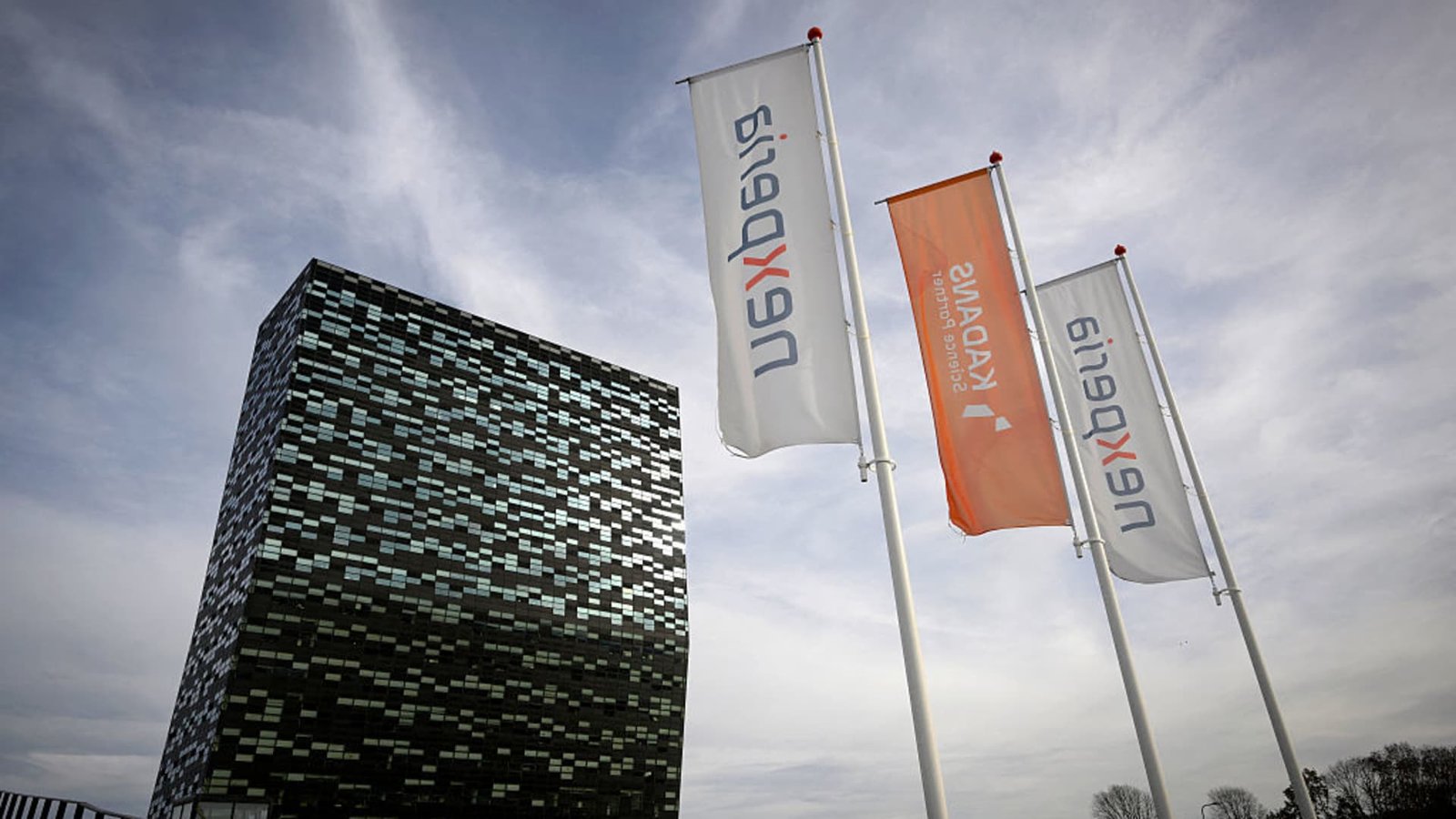
The Netherlands has suspended its bid to effectively take control of chipmaker Nexperia, signaling a breakthrough in a tense standoff with China that had disrupted global automotive supply chains. The decision comes after “constructive” discussions between Dutch and Chinese officials and consultations with European and international partners, raising hopes for a more stable and cooperative framework for critical technology governance.
Dutch Economic Affairs Minister Vincent Karremans announced on Wednesday that the government had suspended an order that had prevented Nexperia from making major corporate decisions without governmental approval. In a statement, Karremans said, “We are positive about the measures already taken by the Chinese authorities to ensure the supply of chips to Europe and the rest of the world. We see this as a show of goodwill. We will continue to engage in constructive dialogue with the Chinese authorities in the period ahead.”
China’s Ministry of Commerce welcomed the announcement, calling it a “first step” toward resolving the issue. However, it urged the Netherlands to fully revoke the order, arguing that it was the “root cause” of previous supply chain disruptions. Chinese officials also criticized a Dutch court ruling last month that forced out Nexperia’s Chinese CEO, Zhang Xuezheng, citing alleged mismanagement, describing the ruling as “erroneous.” Despite the suspension of the Dutch order, the court decision—which placed almost all voting rights of Nexperia shares under an independent administrator—remains in effect.

Economics experts have framed the episode as indicative of Europe’s ongoing challenge in managing China’s participation in critical global supply chains. Jo Van Biesebroeck, a professor of economics at KU Leuven, described Europe’s strategy as “a work in progress.” He told Al Jazeera, “The Nexperia action was triggered by specific actions, and the main worry now seems to be diminished with the personnel change at Nexperia. The Dutch government made clear how far it is willing to go, and it seems like China has met them halfway.”
Nexperia, a semiconductor manufacturer owned by Jiaxing-based Wingtech, became the focal point of international concern in late September when the Dutch government assumed effective control of the company. Authorities cited the need to secure chip supplies amid fears that CEO Zhang might relocate manufacturing operations and intellectual property to China. This move closely followed warnings from the United States that Nexperia could be added to its list of sanctioned companies unless the CEO was replaced, though Dutch officials insist that their decision was based on domestic economic considerations rather than pressure from Washington.
Beijing condemned the Dutch intervention under the Cold War-era Goods Availability Act as an act of “improper interference” in corporate affairs. In response, China temporarily blocked exports of certain Nexperia products manufactured on its soil, contributing to disruptions in automotive production. Japanese automakers Honda and Nissan were forced to reduce output, while Germany’s Mercedes-Benz announced short-term measures to secure chip supplies.
The suspension of the Dutch takeover order comes in the context of broader efforts to stabilize international semiconductor supply chains. Chinese authorities had lifted export restrictions on Nexperia earlier this month as part of a trade truce agreed upon by US President Donald Trump and Chinese leader Xi Jinping in South Korea. The recent suspension by the Netherlands signals a mutual willingness to resolve disputes through diplomacy rather than unilateral action, a development welcomed by industry stakeholders.

Experts note that semiconductors are at the heart of global economic and technological competition. From automotive manufacturing to consumer electronics, chips are essential components of modern economies, making supply disruptions a serious concern. The Nexperia case underscores the geopolitical sensitivity of critical technology firms operating in a globalized market. As Van Biesebroeck observes, “Europe must carefully balance national security concerns, industrial competitiveness, and international trade obligations. The Nexperia episode illustrates how quickly a corporate governance issue can become a matter of international diplomacy.”
The Dutch government’s intervention and subsequent suspension reflect a delicate balancing act. Authorities sought to safeguard domestic and European chip supplies without escalating tensions with China or jeopardizing trade relations. Meanwhile, China’s call for a complete revocation of the order demonstrates Beijing’s insistence on protecting the interests of its corporate nationals and maintaining its role as a key player in global technology supply chains.
The episode has highlighted vulnerabilities in the global semiconductor ecosystem. Automotive supply chains, in particular, have proven susceptible to disruptions arising from geopolitical conflicts, corporate governance disputes, and regulatory interventions. Companies such as Honda, Nissan, and Mercedes-Benz have been forced to implement contingency plans to maintain production, reflecting the critical importance of semiconductors in high-tech manufacturing and international trade.

The Nexperia case also offers insights into Europe’s evolving strategy toward China. As governments seek to ensure access to essential technology while managing political and economic risks, diplomatic engagement becomes as crucial as regulatory oversight. The Dutch decision to suspend the order suggests a pragmatic approach: maintaining leverage over critical supply chains while fostering cooperation to prevent further disruptions.
Looking ahead, the suspension opens the door for continued dialogue between Dutch and Chinese authorities, with European and global partners closely monitoring developments. While the court ruling on Nexperia’s corporate governance remains in effect, the suspension represents a tentative step toward normalizing relations and stabilizing chip supply. Stakeholders in the automotive and technology sectors are optimistic that the combination of regulatory oversight and diplomatic engagement will mitigate future disruptions.
In summary, the Netherlands’ suspension of its takeover order for Nexperia marks a significant step in resolving tensions with China. By combining regulatory action with constructive dialogue, both countries appear committed to ensuring a steady flow of critical semiconductors to Europe and beyond. The episode underscores the intricate interplay between national security, corporate governance, and global trade, offering valuable lessons for policymakers navigating the increasingly interconnected and politically sensitive world of high-tech supply chains.
Related News:
 Aston Martin cuts £300m investment as Trump tariffs and weak China demand hit profits.
 Troubled drinks giant Diageo names former Tesco boss to lead turnaround push
 Prada buys Versace for $1.38bn, expanding luxury fashion empire
 UK Small Business Owner to Challenge L’Oréal in Tribunal
 Ryanair Chief UK Economy ‘Doomed’ Under Labour
 US private equity set to acquire UK online retailer Very Group
 Taylor Wimpey Sales Drop Amid Budget Uncertainty
 Skims Eyes Global Expansion After Reaching $5 Billion Value
 Global markets drop amid tech sell-off and China slowdown
 Nvidia Soars as Blockbuster Earnings Silence AI Bubble Fears
 Mossmorran Plant Closure Hits Cowdenbeath Hard
 Black Friday Footfall Falls as UK Shoppers Hold Back Amid Economic Concerns
 Rising Water Bills Lift Troubled Thames Back to Profit
 UK Jobs Market Faces Strain as Employers Cut Bonuses and Hiring Amid Economic Slowdown
 Shein UK Faces Allegations of Shifting Majority of Profits to Singapore to Reduce UK Tax
 Merck Abandons £1bn London Research Hub and Cuts 125 Jobs in Blow to UK Life Sciences
Business Rates Hike Could Threaten Hundreds of UK Retailers, Putting 100,000 Jobs at Risk
Merck Abandons £1bn London Research Hub and Cuts 125 Jobs in Blow to UK Life Sciences
Business Rates Hike Could Threaten Hundreds of UK Retailers, Putting 100,000 Jobs at Risk
 Rachel Reeves Hosts Top UK and US Financial Executives as Trump’s State Visit Begins
 UK Inflation Holds Steady at 3.8% as Rising Fuel Costs Offset Falling Air Fares
 UK Borrowing Surges to £18bn in August, Exceeding Forecasts
 Vodafone Franchisees Sound Alarm: Mental Health Toll of Commission Cuts Revealed Years Before £120m Court Battle
 GSK Chief Executive Emma Walmsley to Step Down After Eight Years at the Helm
 AstraZeneca to List on New York Stock Exchange While Retaining London Ties
 Richard Desmond Begins High Court Battle Over National Lottery Licence
 UK inflation update: New rate expected as Budget approaches
 Co-op Urged Staff to Promote Vapes After Cyber-Attack Hit Sales
 Rachel Reeves to lead UK trade push in Saudi Arabia amid rights debate
 Virgin Trains Moves Closer to Challenging Eurostar Monopoly
 Wales May Introduce Four-Day Work Week After Elections
 Nvidia Secures Major AI Chip Deals with South Korean Tech Giants
 Trump’s UK Ambassador Urges North Sea Drilling to Strengthen US Ties
 Court Hears Challenge Over Water Bills Funding Sewage Fixes
 ABF May Split Primark from Food Division Amid Tough Market
 Rachel Reeves Set to Break Labour Pledge and Raise Income Tax
 UPS Cargo Plane Crash in Kentucky Kills Seven
 Thinktanks Urge Rachel Reeves to Reform UK Tax System
 Gopichand Hinduja, UK’s Wealthiest Business Leader, Dies
 M&S Profits More Than Halve After Cyber-Attack
 Tony Blair think tank warns Rachel Reeves must cut taxes if manifesto broken
MPs Press Rachel Reeves to Hike Gambling Taxes
Tony Blair think tank warns Rachel Reeves must cut taxes if manifesto broken
MPs Press Rachel Reeves to Hike Gambling Taxes
 Cuts to home insulation funding threaten UK climate goals
 Warning as Britons prepare to spend £4 billion this Black Friday
 US Strikes Last Penny After 230 Years of Production
 Reeves’s Tax U-Turn Triggers Fresh Jitters in UK Markets
 Japan Tourism Stocks Slide Amid China-Taiwan Row
 UK Rejects Funding to Save Mossmorran Plant
 PM Highlights UK Business at G20 in South Africa
 Eurotunnel Investment Halted as UK Rates Soar
 UK Energy Bills to Rise Slightly in January
 UK Government Borrowing Higher Than Expected
 Minister Denies Budget Leaks Have Harmed UK Economy
Budget 2025: Reeves Drops Economic Growth Reference
Minister Denies Budget Leaks Have Harmed UK Economy
Budget 2025: Reeves Drops Economic Growth Reference
 Expanded Version – Black Friday Shoppers Warned Over ‘Dud Deals’
 Asahi says 1.5 million customers’ data potentially leaked in cyber-attack
 India’s Labour Law Overhaul Sparks Fierce Debate
 Carney’s Alberta Pipeline Deal Sparks Immediate Pushback
 EU reviews Apple Ads and Maps under strict digital rules
 Huawei, ZTE secure 5G deals in Vietnam amid US tensions
 Starmer Says Labour’s Economic Plan Needs Years to Deliver
 UK Inflation Climbs to 3.6% as Food and Fuel Prices Squeeze Households
 Modi’s London Visit Seals Historic UK-India Trade Pact Amid Global Tensions
 China’s crackdown on civil servant perks sparks economic concerns
Inflation Latest: Cost of Living Expected to Rise Again in Key Figures Released Today
Retail Sales See Uptick Amid Errors and Delays as ONS Faces Scrutiny
China’s crackdown on civil servant perks sparks economic concerns
Inflation Latest: Cost of Living Expected to Rise Again in Key Figures Released Today
Retail Sales See Uptick Amid Errors and Delays as ONS Faces Scrutiny
 UK Retail Sales Rise in August, but Tax Concerns Loom Over Festive Period
 Big Pharma Investment Freeze Puts UK Life Sciences Sector Under Strain
 UK Labour Market Shows Signs of Cooling as Wage Growth Slows and Redundancies Rise
 UK Government Backs Return of International Rail Travel to Kent Stations
 Kemi Badenoch Unveils ‘Golden Rule’ to Halve Spending Cuts for Deficit Reduction at Tory Conference
 Pizza Hut to shut 68 sites after collapsing into administration
 Real living wage set to rise nearly 7% for UK workers in 2026
 Reeves Faces Setback as Labour May Miss Homes Target
 Green Party Surges Past Labour in Latest UK Poll
 Celebrities and Charities Demand UK Government Act on Child Poverty
 Earl of Yarmouth Faces £1.3m Legal Bill Over Family Estate
 Millionaires group urge Reeves to introduce wealth tax to ‘lift kids out of poverty’
 From Lego to Pokémon: How Adults Are Driving UK Toy Market Growth
 New laws to bolster UK’s defences against cyber attacks on NHS, transport and energy
 Canada Passes Carney’s First Budget in Tight Parliamentary Vote
 Virgin Media Fined £23.8m Over Telecare Safety Failures