Published: 24 November 2025. The English Chronicle Desk. The English Chronicle Online.
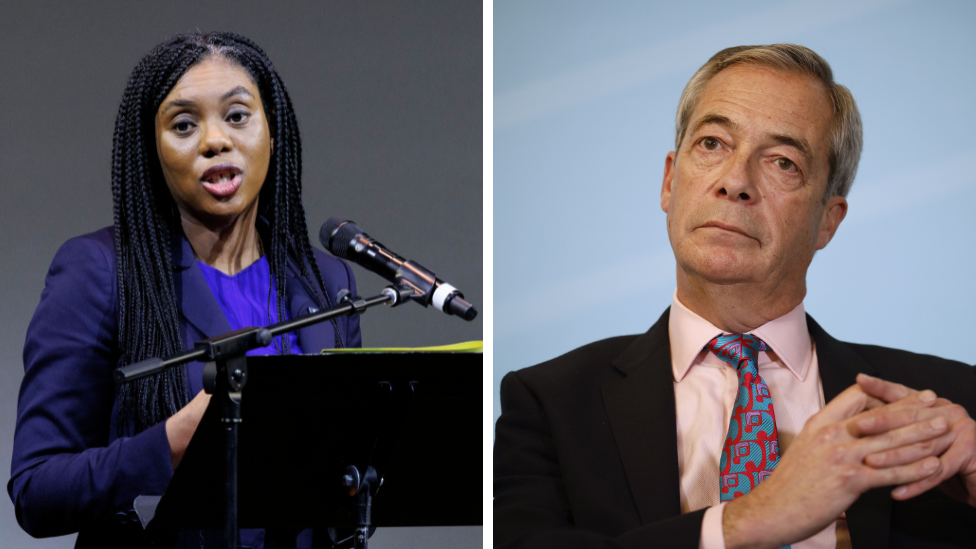
A majority of Conservative Party members believe their party will need to prop up a government led by Nigel Farage’s Reform UK after the next general election, according to a new survey conducted by ConHome. The results highlight the deep uncertainty within the Tory rank-and-file as the party faces internal divisions and the prospect of being significantly weakened at the ballot box.
The survey of 590 Conservative members found that 53.9 per cent of respondents believe it is either “highly likely” (15.8 per cent) or “likely” (38.1 per cent) that Farage could become prime minister following the next election. Only a minority dismissed the possibility, suggesting that the political landscape may shift dramatically in the coming years.
When asked what kind of arrangement might be necessary to sustain a Farage-led government, 24.4 per cent favoured a formal coalition with the Conservatives, while 45 per cent believed a confidence-and-supply arrangement between the Tories and Reform UK would be sufficient. Combined, nearly seven out of ten Tory members think their party will be called upon to support Farage in order to maintain stability in Westminster. The remainder largely assumed that Farage could secure a majority independently.

The findings echo ongoing debates within the party about potential strategic alliances. Some senior figures, including former cabinet minister Sir Jacob Rees-Mogg, have indicated that cooperation with Reform UK might be pragmatic, even if controversial. Rees-Mogg has previously called for the two parties to coordinate policies to avoid splitting the vote in key constituencies, though he remains a member of the Conservative Party.
Polling data also suggest that the Conservative Party is facing an existential challenge. Internal surveys circulating among party headquarters indicate that, under current conditions and with Kemi Badenoch as leader, the Tories could win as few as 14 seats if a general election were called immediately. Such figures underscore the gravity of the situation and the potential need to consider alliances or support agreements to remain politically relevant.
Despite the survey’s implications, Badenoch has publicly rejected the idea of any deal with Reform UK. She has emphasised her commitment to defending the party’s policies and warned against compromise with Farage, whose platform she has repeatedly criticised. Reform UK, meanwhile, has rejected collaboration with the Conservatives, framing itself as a distinct alternative and accusing the party of failing to address key voter concerns.
Zia Yusuf, a prominent ally of Farage, dismissed the notion of a Conservative-Reform agreement. Speaking to The Telegraph, he said: “The Tory party is dead. As is being proven in elections around the country, a vote for the Tories is a wasted vote. They will be annihilated again in May and cease to be a national party. Anyone who wants secure borders, the deportation of illegal immigrants, and to keep out the radical left must vote Reform.”
The survey also found that two-thirds of respondents expect more high-profile defections from the Conservative Party before the next election. Recent political shifts provide evidence of this trend, with MP Danny Kruger leaving to join Reform UK, along with former ministers Sir Jake Berry, Dame Andrea Jenkyns, and Nadine Dorries, among others. Observers suggest that if defections continue, the Conservatives could struggle to present a unified message to the electorate, further undermining their chances in contested seats.
Political analysts warn that the implications of the survey go beyond party politics and reflect a wider transformation in the UK’s political landscape. The growth of Reform UK, driven by Nigel Farage’s continued prominence in public life and his party’s focus on immigration, economic reform, and skepticism toward the European Union, has attracted voters who feel disenfranchised by the traditional parties. If the Tories are forced into a support arrangement with Farage, it could alter policy priorities and redefine government strategy.
Some members of the Conservative Party remain divided on how to respond to the rise of Reform UK. While a section sees strategic cooperation as essential to prevent further losses, others perceive it as a betrayal of the party’s core principles and voter base. This internal tension mirrors debates about the party’s direction, leadership choices, and the need to reconnect with grassroots supporters amid declining electoral fortunes.
The survey comes at a politically sensitive moment, with Labour under Keir Starmer attempting to consolidate support and the Liberal Democrats seeking to expand their influence in key constituencies. The fragmentation of the right-of-centre vote raises questions about governance stability and whether new alignments could emerge in Westminster. Political commentators suggest that, if the Tories are weakened to the extent the polls indicate, Farage’s Reform UK could become a kingmaker in future coalition scenarios.
Meanwhile, voters themselves are responding to political uncertainty with caution. Opinion polls indicate that public confidence in traditional parties is declining, with many expressing dissatisfaction over leadership disputes, policy inconsistency, and perceived inability to address pressing issues such as the economy, healthcare, and immigration. Reform UK has positioned itself as an alternative, targeting voter segments disillusioned with the Conservatives’ perceived decline.
Historically, Conservative-Reform cooperation would have been unthinkable, reflecting decades of distinct ideological identity. Yet, the survey suggests a pragmatic reassessment is taking place within the party’s grassroots, recognising that political survival may necessitate compromises previously considered impossible. Should these attitudes persist, they could influence candidate selection, policy negotiation, and election strategy in the run-up to the next general election.
For Kemi Badenoch, the challenge will be balancing party cohesion against the perceived electoral necessity of collaboration or support arrangements with Reform UK. Her public stance against cooperation signals determination to preserve the Conservative brand, but ongoing defections and internal pressure suggest that maintaining control over the party’s direction may be increasingly difficult.
In the broader context, the survey underscores the fragility of the Conservative Party at a time when the UK’s political landscape is undergoing rapid transformation. With reformist movements gaining momentum, traditional party loyalties being tested, and leadership credibility questioned, the next general election could herald profound changes in governance and policy priorities.
While the survey’s results are indicative rather than predictive, they reveal significant concerns among the Conservative membership. Members appear to recognise the reality of a political environment where the Tories may no longer dominate on their own, and strategic decisions regarding alliances or support agreements may be inevitable.
If the party fails to address these challenges, it risks further erosion of its parliamentary representation, loss of voter confidence, and diminished influence in shaping policy. Political observers note that the coming months will be critical in determining whether Badenoch can unite the party, respond to defections, and negotiate a viable position in a fragmented electoral landscape.
The implications of the survey extend beyond internal party politics. They raise important questions about governance stability, potential coalition arrangements, and the ability of elected officials to deliver policy in a highly fragmented environment. For voters, the findings highlight the need to closely monitor party dynamics and electoral outcomes, as shifts in support may have profound consequences for national decision-making.

As the UK prepares for its next election, the interplay between Conservative Party strategy, Reform UK ambitions, and voter sentiment will be pivotal. The survey suggests that grassroots members are increasingly aware of the complexities facing their party and may be willing to accept compromises to ensure political relevance. How leadership responds to these pressures will shape the trajectory of the party, and potentially, the government itself.
While the full impact of Nigel Farage’s Reform UK remains to be seen, the survey indicates that many Conservative members are preparing for a political reality in which their party may need to cooperate with a rival to maintain influence. With defections continuing, voter loyalty uncertain, and election outcomes increasingly unpredictable, the coming months are likely to test the Conservative Party’s adaptability, strategy, and resilience.
The survey’s findings are a stark reminder that traditional political allegiances in the UK are evolving rapidly. The question of whether the Tories will help facilitate a Farage government may soon move from speculation to political necessity, reflecting broader shifts in voter behaviour, party identity, and the dynamics of parliamentary governance.
Related News:
 Boris Johnson accused of undermining BBC leadership
 ‘Reckless’ cuts to victims’ services will cost more than they save
 Zarah Sultana and Jeremy Corbyn Reunite Amid New Party Plans
 It’s time to come clean on the China spy case
Boris Johnson: Tories Risk Election Loss if They ‘Bash the Green Agenda’
It’s time to come clean on the China spy case
Boris Johnson: Tories Risk Election Loss if They ‘Bash the Green Agenda’
 UK Anti-Islamophobia Head Reports Being Refused Service Over Faith
 Green Party Surges Past Labour in Latest UK Poll
 Celebrities and Charities Demand UK Government Act on Child Poverty
 Reform Councillor Defects to Tories Over ‘Uncomfortable’ Policies
 FBI Director Kash Patel Defends Girlfriend Amid Government Jet Claims
 French Taxi Driver Cleared in David Lammy Theft Case After Fare Dispute
 Company linked to Michelle Mone owes £39m in tax
 Met Police Culture Makes Racial Harm ‘Inevitable’
 Eleven Arrested After Pro-Palestine Protest at Villa Match
 Remaining rebel Labour MPs have whip restored
 Tim Davie resigns as BBC director general amid bias claims
 Second world war veterans honoured as King leads Remembrance Sunday
 BBC Faces Backlash as Reform UK Withdraws from Film
 Wes Streeting Denies Leadership Plot Against Starmer
 British state supplied victims to ‘worst sex offender in history’
 Politics latest: Starmer ‘will fight any leadership coup’ as Streeting denies attempt to oust Labour PM
 UK Candidate Moved to Safe House After Election Threats
 Scottish Ministers Express Alarm Over UK Asylum Reforms
 Labour Faces Historic Decline in Wales
 MP Offers Seat to Help Burnham Challenge Starmer
 BBC to Expand Standards Panel and Create Deputy Director Role
 BBC Chairman Faces Scrutiny Over Bias Claims
 Ex-Classmate Accuses Farage of Dishonesty on Racism Claims
 Ex-Brexit MEP Rejects Claim of Pro-Russia Payments
 Kent Reform Councillors Criticised Over Political Staff Spending
 Tasers Introduced in UK Prisons to Combat Rising Violence and Protect Staff
 Mass Arrests in London as Protest Defies Ban on Palestine Action
 Polanski’s Rise Signals a Shift in British Political Landscape
 Urgent Action Needed on Windrush Compensation as Survivors Speak of “Waiting to Die”
 Zarah Sultana Seeks Legal Action After Bitter Clash with Jeremy Corbyn Over Party Membership Funds
 Jailed Georgian Opposition Leaders Warn UK of Iranian Links to Ruling Party
 Kosovo agrees to host Britain’s refused asylum seekers
 Sex offenders to lose parental rights for children born of rape
 How the Royal Navy Can’t Stop the Channel Boats
 Peterborough Mosques Tighten Security After Attack
 British Woman in Iran ‘Losing Hope’ Amid Ongoing Detention
 BBC Journalist Held and Interrogated in Vietnam
 Trump’s UK Ambassador Urges North Sea Drilling to Strengthen US Ties
 UK Bans Fake Numbers: Scammers Lose Their Trick
 Just Stop Oil Protesters Convicted Amid Climate Defence Row
 London’s Childlessness Crisis: Schools Closing as Families Shrink
 Jailed UK climate protesters face extremist-style restrictions
 How to get help when a child goes missing – call 999 urgently
 Millionaires group urge Reeves to introduce wealth tax to ‘lift kids out of poverty’
 Starmer Faces Growing Dissent as Labour MPs Weigh Leadership Challenge
 VAR Must Rein Its Neck In to Save Football’s Spirit
 Mary Earps’s Manchester United Return Faces Mixed Reception
 Reeves rejects £1bn plea for NHS redundancy payouts
 PM Condemns Leaks, Vows Loyalty to Ministers and Stability
 Major Rent Reform Ends No-Fault Evictions in England
 Peers Flood Assisted Dying Bill with 942 Amendments
 England’s Special Needs Support Faces Breaking Point
 MoD warned over Excel risks before Afghan data breach
 Greene Pushes Epstein Files Amid Trump Fallout
 UK Asylum Overhaul Sparks Debate Over Human Rights and Deportations
 Criminal Gangs Pose as Truckers to Hijack UK Supply Chains
 Mum Calls for New Licence Rules After Teen Road Death
 Mother Watches in Horror as Teen Daughter Dies on Tracks
 UK Warns China After MI5 Issues Espionage Alert
 Serial Rapist and Former Cop Found Guilty Again
 PM Highlights UK Business at G20 in South Africa
 Kate Forbes: Motherhood Harder Than Politics
 Venezuela Threatens Nobel Winner Machado with Fugitive Status
 Inside the Helpline Protecting Missing Children in the UK
 Carer’s Allowance Chaos Draws Parallels With Post Office Scandal
 Labour MP claims devolution bill is ‘blatant discrimination’ against Cornwall
 Trump Envoy to Discuss Ukraine Peace at Kremlin
 Millions Face Higher Taxes Under Reeves New Budget
 Peers Get Extra Time to Debate Assisted Dying Bill
 Planned Palestinian Flag Raising at Belfast City Hall Faces Delay Amid Legal Concerns
 Video shows Israeli troops kill Palestinians after surrender
 Government righting decades-old injustice for miners
 Jordan Bardella: France’s Young Presidential Contender
 UK delays ruling on China embassy plan until January
 Culture secretary to review Telegraph takeover by Daily Mail owner