Published: 16th July ‘2025 | The English Chronicle Desk
In a sweeping move that has ignited controversy across legal and political circles, the Trump administration has terminated 17 immigration court judges across ten states, casting uncertainty over the future of the U.S. immigration judiciary. The abrupt dismissals have drawn sharp criticism from advocacy groups, legal experts, and some lawmakers, who argue that the decision undermines judicial independence and could further exacerbate the already strained immigration court system.
The judges, whose identities have not been officially disclosed, were reportedly removed without prior notice, leaving many cases in limbo and raising questions about the administration’s motives. While the Department of Justice (DOJ), which oversees the Executive Office for Immigration Review (EOIR), has cited performance evaluations and operational restructuring as reasons for the dismissals, critics contend that the move appears politically motivated, particularly given the administration’s hardline stance on immigration enforcement.
The immigration court system, already burdened by a backlog of over 1.5 million cases, faces heightened scrutiny as the sudden removal of nearly two dozen judges threatens to slow proceedings even further. Advocates for immigrants’ rights warn that the dismissals could lead to prolonged detentions for asylum seekers and other vulnerable populations, many of whom already endure years-long waits for hearings.
“This is an alarming assault on the integrity of the immigration courts,” said a senior attorney with the American Immigration Lawyers Association (AILA). “Judges must be free to make decisions based on the law, not political pressure. Removing experienced adjudicators only deepens the crisis in a system that is supposed to deliver fair and timely justice.”
The DOJ, however, maintains that the restructuring is necessary to improve efficiency and accountability. In a brief statement, a department spokesperson emphasized that immigration judges serve at the discretion of the Attorney General and that the administration is committed to ensuring that the courts operate “effectively and in accordance with the rule of law.”
Legal scholars have noted that unlike federal judges, immigration judges are considered employees of the DOJ rather than independent members of the judiciary, leaving them vulnerable to political influence. This structural flaw, long criticized by reform advocates, has come under renewed scrutiny following the mass dismissals.
The Biden administration had previously taken steps to reinforce judicial independence by proposing the creation of an independent immigration court system, but legislative efforts stalled in Congress. Now, with the Trump administration’s latest actions, calls for structural reforms have grown louder.
As the fallout from the dismissals continues, the affected courts—spread across states with high immigrant populations, including California, Texas, and New York—are scrambling to reassign cases. The long-term implications remain unclear, but one thing is certain: the already overburdened immigration judiciary now faces an even steeper climb toward delivering justice for those who seek it.
For now, the nation watches as the debate over judicial independence, immigration policy, and the rule of law unfolds—one dismissal at a time.
Related News:
 US Justice Department Files Lawsuit Against California Over Partisan Voting Maps
 Congress Approves Release of Epstein Files, Trump Expected to Sign
 Texas Governor Faces Lawsuit From CAIR
 Chinese & Japanese Boats Clash Near Disputed Islands
 Putin Meets US Envoy Amid Key Ukraine Peace Talks
 Kinnock’s Rebuke Echoes Loudly as Corbyn Allies Launch Left-Wing Breakaway: “A Gift to Farage”
 Tories in Turmoil as Sir Jake Berry’s Defection to Reform Sparks Fears of Further Exodus
 Starmer Seeks to Regain Momentum with Summer ‘Refresh’ Amid Political Pressures and Party Fractures
 “I Feel English”: Young Migrant’s Dream of Britain Amid Political Pressure Over Channel Crossings
 UK and Norway Forge Stronger Ties Through Joint Sanctions and Enhanced Defence Cooperation
 Nation Mourns as Former Nigerian President Muhammadu Buhari Passes Away in London
 WHO Condemns Israeli Attacks on Gaza Facilities as Humanitarian Crisis Deepens
 Lammy Condemns Israel’s Targeting of Starving Palestinians: Sanctions Threatened Amid Global Outrage
 Tragedy Hits Manhattan as Police Officer Among Four Dead in Midtown Office Shooting
 Northern Ireland Family of Three Shot Dead in Maguiresbridge Home Incident
 Netanyahu Announces Plan to Take Over Gaza City, Escalating Conflict Further
 Prominent Al Jazeera Journalist Anas al-Sharif Among Five Reporters Killed in Israeli Airstrike on Gaza
 Ministers Accused of Defamation Over Palestine Action Ban and Mass Arrests
 Father’s Tip Leads to Arrest in Charlie Kirk Murder Case
 Charlie Kirk Killing Used to Mobilise UK’s Largest Far-Right Rally in Decades
 Commons Speaker Warns UK Parliament Vulnerable to Foreign Espionage After China-Linked Case Dropped
 Denmark Investigates Professional Drone Incursions Across Multiple Airports, No Evidence of Russian Involvement
 Sir Sadiq Khan Accuses Trump of Racism and Islamophobia Following UN Remarks
 Tony Blair Considered for Leadership Role in Transitional Gaza Authority
 Trump Seeks Breakthrough in Israel-Gaza Peace Talks
 Jailed Georgian Opposition Leaders Warn UK of Iranian Links to Ruling Party
 Japan’s First Female Governing-Party Leader Emerges Amid Ultra-Conservative Politics
 Misinformation and Political Pressure Force Weston-super-Mare to Abandon Refugee Sanctuary Plan
 UK Police to Gain New Powers to Manage Repeated Protests, Home Office Announces
 Trump Hails Gaza War’s End, Pushes for Middle East Peace
 UK Extradition Law Change Sparks Fears Among Hong Kong Dissidents
 Shabana Mahmood Warns Border Failings Are Eroding Trust in States
 Johnson Approved China’s London ‘Super-Embassy’ in 2018
 Mikie Sherrill Elected New Jersey’s Governor in Key Win
 China-critical UK academics face ‘extremely heavy’ pressure from Beijing
 Britain deploys RAF specialists to assist Belgium with drone threats
 Hannibal Gaddafi Freed After Nearly a Decade in Lebanon
 Trump Urges Herzog to Grant Netanyahu Full Pardon
 Bataclan Anniversary: France Remembers but Jihadist Danger Lingers
 Trump Deploys DHS to Charlotte in Major Arrest Operation
 December Run-Off in Chile as Election Produces No Winner
 UK Asylum Reforms: Temporary Refugee Status and Faster Deportations
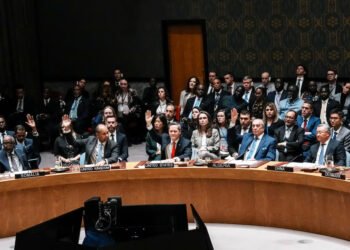 UN Security Council Approves Trump’s Gaza Peace Plan
 South African Detained After Neo-Nazi Rally in Australia
 Minister Defends Tough New Asylum Reform Plan
 UK Net Migration Falls Sharply After ONS Revisions
 Only One Republican Opposes Mass Release of Epstein Files
 Shadow Fleet at Sea: Europe’s Battle Against Illicit Oil Shipping
 Rapper Nicki Minaj Highlights Threats to Christians in Nigeria
 Rama Rebukes Mahmood for Targeting Albanian Families
 Russian Vessel Used Lasers on RAF Pilots, UK Claims
 Senedd Suspends Politician Over Offensive Racial Slur
 Pentagon Officials in Ukraine to Discuss War End
 Trump Slams Democrats With ‘Seditious’ Death Claim
 WhatsApp Messages Expose Nathan Gill’s Bribery
 India’s COP30 Delay Raises Global Climate Concerns
 Venezuela Threatens Nobel Winner Machado with Fugitive Status
 Trump Envoy to Discuss Ukraine Peace at Kremlin
 Peers Get Extra Time to Debate Assisted Dying Bill
 Pope Leo XIV Begins Historic Trip to Turkey and Lebanon
 Georgians Defy Government Crackdown After Year of Protests
 Putin Intensifies Territorial Demands Before US Talks
 US National Guard Member Killed in DC Shooting
 India’s Labour Law Overhaul Sparks Fierce Debate
 Video shows Israeli troops kill Palestinians after surrender
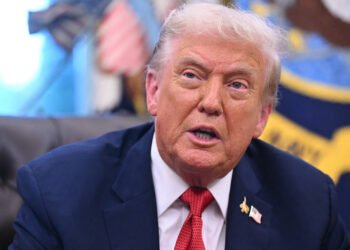 Trump to Recheck Green Cards from 19 Nations After DC Attack
 ICC to Rule on Duterte’s Provisional Release
 Trump to pause migration from ‘third-world countries’
 Kremlin Talks With US Yield No Ukraine Peace Breakthrough
 Indonesia to Repatriate Two Dutch Drug Convicts
 Trump Threatens 100% Tariff on Nations Importing Russian Oil Amid India Standoff Over Ukraine War
 Costa Blanca Holiday Horror as Food Poisoning Outbreak Hits Four-Star Hotel
 Conservative Influencer Charlie Kirk Fatally Shot During University Debate
 Mahmood Pledges Reform of Modern Slavery Laws After Court Blocks Deportation Appeal
 Arsenal Showcase Depth and Flexibility as Arteta Eyes Title Challenge
 Digital ID Plans Ignite Debate Over £600m Treasury Tax Boost and Privacy Concerns
 Public Trust in SNP Hits Historic Low Amid NHS Concerns
 Orban Says Ukraine Has ‘No Chance’ as EU Support Continues
 Serial Rapist and Former Cop Found Guilty Again
 Two National Guard Soldiers Critically Injured Near White House