Published: 27 November 2025 Thursday. The English Chronicle Desk. The English Chronicle Online.
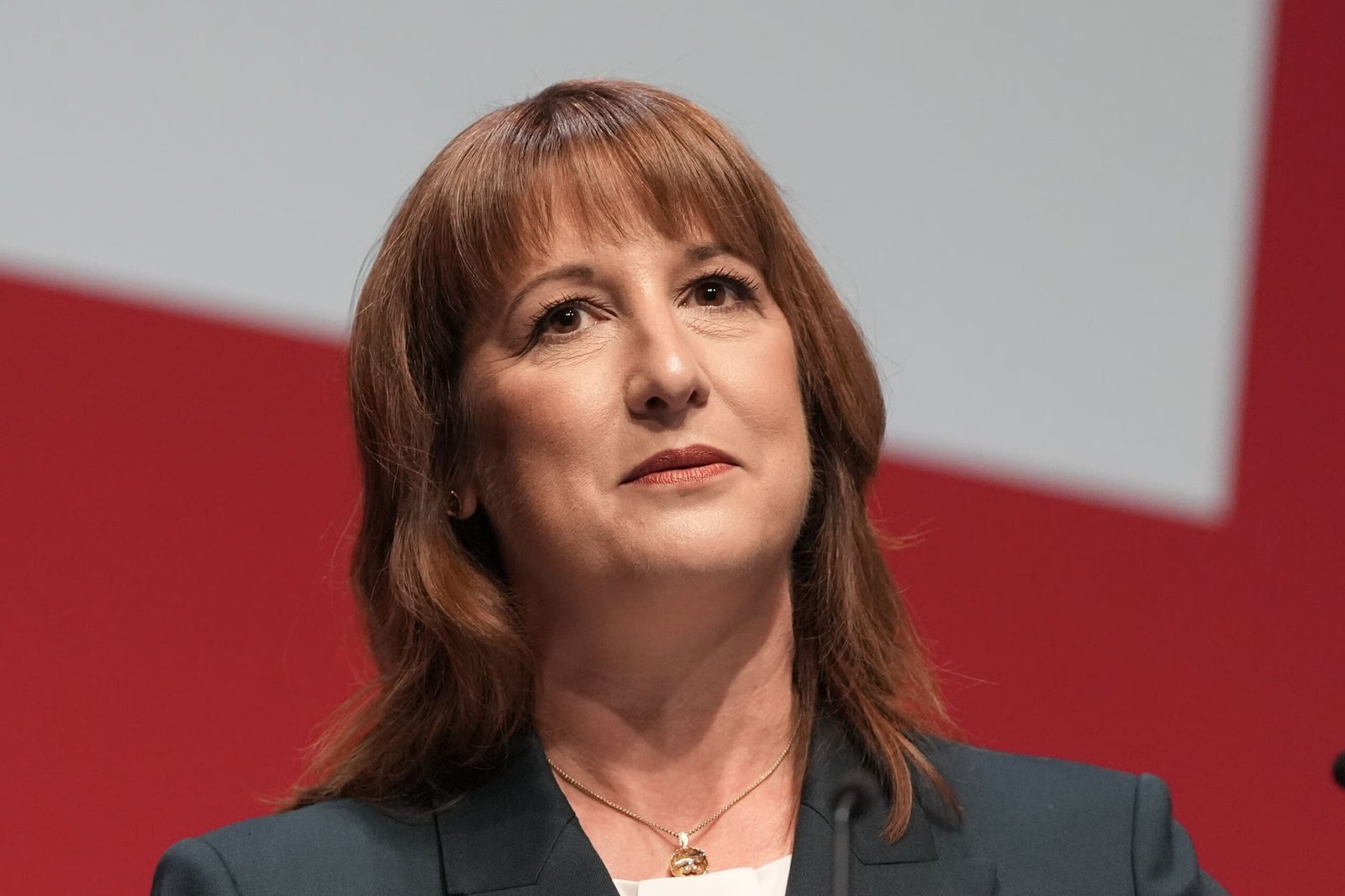
In one of the most closely watched Budgets in recent years, Chancellor Rachel Reeves has announced a sweeping package of tax measures worth £26bn, insisting that the burden will fall mainly on those “with the broadest shoulders”. As Britain continues to grapple with rising living costs and a slowing economy, Reeves argued that the measures are essential to stabilise the nation’s finances, protect public services, and steer the country away from what she described as “the chaos Labour inherited”.
The centrepiece of the Budget is a decision to extend the freeze on income tax and National Insurance thresholds for an additional three years, pushing the deadline to April 2031 for England, Wales and Northern Ireland. This move, which economists widely interpret as a “stealth tax”, is expected to pull millions more people into higher tax bands as their incomes rise while thresholds remain static. The Office for Budget Responsibility (OBR) estimates that almost one in four taxpayers will be paying at the higher rate by early 2031, a dramatic shift from today’s tax landscape.
Reeves acknowledged the financial strain this decision may cause for working households. Speaking to MPs in the House of Commons, she noted that maintaining the thresholds was “a decision that will affect working people”, adding that it would be disingenuous to pretend otherwise. However, she emphasised that the freeze was a necessary component of a broader strategy to avoid both reckless borrowing and a return to austerity. “I am asking everyone to make a contribution,” she said, “but I can keep that contribution as low as possible because I will make further reforms to our tax system today to make it fairer.”

Among the most notable of these reforms is a new annual charge on high-value properties worth more than £2m. The charge, which will take effect from April 2028, begins at £2,500 for homes valued at just over £2m but climbs to £7,500 for properties worth £5m or more. The levy, added on top of council tax, is expected to significantly increase the tax burden on wealthier households, particularly those in London and the South East, where property values remain substantially higher than the rest of the UK.
Reeves argued that this measure, along with new taxes on savings and investments, demonstrates Labour’s commitment to ensuring that the richest contribute more. She also announced a new duty on online betting, raising it from 15% to 25%, a move that will impact gambling firms and heavy online bettors alike. A tax on electric vehicles—3p per mile for fully electric models and 1.5p for plug-in hybrids—is also set to be introduced, a decision that has already attracted scrutiny from climate campaigners who see the policy as contradictory to the government’s environmental goals.
The Budget also introduces a significant change to salary sacrifice pension schemes, capping the National Insurance-exempt contribution at £2,000 per year. Reeves justified this change by claiming that the current system disproportionately benefits higher earners who can afford to divert large portions of their salary into pensions, effectively reducing their tax liability.
Notably, Reeves made the politically sensitive decision to scrap the controversial two-child benefit cap, a policy long criticised by charities and campaigners for pushing low-income families deeper into poverty. Removing the cap was a key Labour promise, though critics have questioning how the government will balance increased welfare spending with its plans for fiscal discipline.
The chancellor insisted that the government had honoured its manifesto commitment not to increase VAT, the main rate of income tax, or National Insurance contributions. She reiterated that the new measures targeted structural loopholes rather than the incomes of ordinary workers, stating that without such reforms, Labour would have been forced to introduce far harsher tax increases.

Despite Reeves’ reassurances, the Conservatives immediately attacked the Budget. Senior Tory MPs argued that Labour had broken its promise not to return to the public for more tax revenue. Shadow Chancellor James Cartlidge accused Reeves of a “betrayal of trust”, calling on her to resign and describing the Budget as a “blunt assault on aspiration, entrepreneurship and ordinary family finances”. He also warned that the accumulation of small, targeted tax rises risked burdening consumers and businesses in unpredictable ways.
Reeves rejected this criticism, maintaining that her approach was rooted in fairness and necessity. The chancellor positioned the Budget as a course correction after what she described as years of “mismanagement and instability” under Conservative leadership, which she said had left public services underfunded and key infrastructure projects delayed or abandoned.
A dramatic moment unfolded minutes before Reeves delivered her Budget speech when the OBR accidentally published key projections on its website. Reeves learned of the leak shortly before stepping into the chamber and expressed her frustration, calling the incident “deeply disappointing and a serious error on their part”. The OBR has since apologised, blaming the incident on a “technical error” and announcing an internal investigation into how the confidential forecast was mistakenly made public.
According to the OBR’s projections, the UK’s tax burden will rise to 38% of national income by 2030–31, the highest level since records began. The watchdog also reported that economic growth is expected to slow in the coming years, a warning that underscores the seriousness of the government’s fiscal challenges. Despite this, Reeves insisted that her Budget charts a responsible path forward, arguing that abandoning fiscal discipline now would jeopardise long-term stability.

Reeves framed the Budget as a critical step toward rebuilding trust in government, restoring confidence in public institutions, and laying a foundation for sustainable growth. She highlighted investments in public services and initiatives targeting the cost of living, including energy support measures, expanded childcare offerings and further commitments to affordable housing.
The chancellor closed her speech by declaring that there would be no return to austerity under Labour and no irresponsible spending that could destabilise the economy. She argued that her Budget represented a balance between fairness and fiscal responsibility, calling it “a Budget for fair taxes, strong public services, and a stable economy”.
While the political debate over the Budget is sure to intensify in the coming weeks, one thing is clear: the financial landscape for millions of people across the UK is about to shift significantly. Whether Reeves’ strategy will succeed in delivering economic resilience without overburdening ordinary families remains to be seen, but the decisions made in this Budget will shape the country’s fiscal course for years to come.
Related News:
 Out of reach: stalled newbuilds leave Labour’s social housing targets in tatters
 Who is Rama Duwaji? What Zohran Mamdani’s wife has said about Gaza and ICE as he’s elected NYC mayor
 PM Condemns Leaks, Vows Loyalty to Ministers and Stability
 UK Asylum Reforms: Temporary Refugee Status and Faster Deportations
 Minister Defends Tough New Asylum Reform Plan
 UK Net Migration Falls Sharply After ONS Revisions
 UK Vulnerable to Attack, Defence Committee Finds
 Rama Rebukes Mahmood for Targeting Albanian Families
 Russian Vessel Used Lasers on RAF Pilots, UK Claims
 MP Offers Seat to Help Burnham Challenge Starmer
 English Mayors Set to Introduce Tourist Taxes
 Ex-Classmate Accuses Farage of Dishonesty on Racism Claims
 Peers Get Extra Time to Debate Assisted Dying Bill
 Planned Palestinian Flag Raising at Belfast City Hall Faces Delay Amid Legal Concerns
 UK Military Chiefs Warn Funding Gap Threatens Defence
 Ex-Brexit MEP Rejects Claim of Pro-Russia Payments
 Labour U-turn: Unfair Dismissal Rights Delayed Six Months
 Government righting decades-old injustice for miners
 Army Barracks to House Migrants as Hotels Phase Out
 British Woman in Iran ‘Losing Hope’ Amid Ongoing Detention
 Hospice Cuts Raise Alarm Across England Amid Funding Crisis
 BBC Journalist Held and Interrogated in Vietnam
 Green Party Surges Past Labour in Latest UK Poll
 Celebrities and Charities Demand UK Government Act on Child Poverty
 Zarah Sultana Launches Party to Change Politics
 Dyche Criticises Corner Decision as Forest Draw with United
 Trump’s UK Ambassador Urges North Sea Drilling to Strengthen US Ties
 FBI Director Kash Patel Defends Girlfriend Amid Government Jet Claims
 French Taxi Driver Cleared in David Lammy Theft Case After Fare Dispute
 MPs Press Rachel Reeves to Hike Gambling Taxes
 Boris Johnson accused of undermining BBC leadership
 Britain deploys RAF specialists to assist Belgium with drone threats
 ‘Reckless’ cuts to victims’ services will cost more than they save
 Millionaires group urge Reeves to introduce wealth tax to ‘lift kids out of poverty’
 Starmer Faces Growing Dissent as Labour MPs Weigh Leadership Challenge
 Shouting Works Best to Deter Gulls, UK Study Finds
 Mary Earps’s Manchester United Return Faces Mixed Reception
 Sam Kerr Stars in Chelsea Return with Champions League Double
 This kid is something else: Alex Scott’s rise to England call-up
 Reeves rejects £1bn plea for NHS redundancy payouts
 Farage appointee to lead Reform youth accused of anti-British views
 Politics latest: Starmer ‘will fight any leadership coup’ as Streeting denies attempt to oust Labour PM
 Son Reveals UK Couple in Iran Resort to Hunger Strike for Help
 Pressure Mounts on Starmer to Sack Chief of Staff Over Briefing Row
 Major Rent Reform Ends No-Fault Evictions in England
 Peers Flood Assisted Dying Bill with 942 Amendments
 England’s Special Needs Support Faces Breaking Point
 US Justice Department Files Lawsuit Against California Over Partisan Voting Maps
 Former Lion Heskey Warns of Shortage of England Strikers
 MoD warned over Excel risks before Afghan data breach
 December Run-Off in Chile as Election Produces No Winner
 UK Asylum Overhaul Sparks Debate Over Human Rights and Deportations
 UK Candidate Moved to Safe House After Election Threats
 Mahmood Defends Tough Overhaul of UK Asylum System
 Stroke Patient Mistaken for Drunk, Care Delayed
 Mother Watches in Horror as Teen Daughter Dies on Tracks
 South African Detained After Neo-Nazi Rally in Australia
 UK Warns China After MI5 Issues Espionage Alert
 Van Dwellers Face Eviction After Park Misuse Sparks Outcry
 Shadow Fleet at Sea: Europe’s Battle Against Illicit Oil Shipping
 Commuters warned as yellow snow and ice alert hits Northern Ireland
 Labour Faces Historic Decline in Wales
 Serial Rapist and Former Cop Found Guilty Again
 Pentagon Officials in Ukraine to Discuss War End
 PM Highlights UK Business at G20 in South Africa
 Kate Forbes: Motherhood Harder Than Politics
 Welsh Government Christmas 2020 Lockdown Criticised
 Venezuela Threatens Nobel Winner Machado with Fugitive Status
 Most Tories Expect to Support a Farage-Led Government
 Labour MP claims devolution bill is ‘blatant discrimination’ against Cornwall
 Trump Envoy to Discuss Ukraine Peace at Kremlin
 Pope Leo XIV Begins Historic Trip to Turkey and Lebanon
 India’s Labour Law Overhaul Sparks Fierce Debate
 Video shows Israeli troops kill Palestinians after surrender
 Machynlleth High Street Left Without Christmas Lights
 Second homes curbs quashed in Gwynedd legal ruling
 Jordan Bardella: France’s Young Presidential Contender
 Search underway for British man overboard off Tenerife
 Chinese & Japanese Boats Clash Near Disputed Islands
 UK delays ruling on China embassy plan until January