Published: 03 December 2025. The English Chronicle Desk. The English Chronicle Online
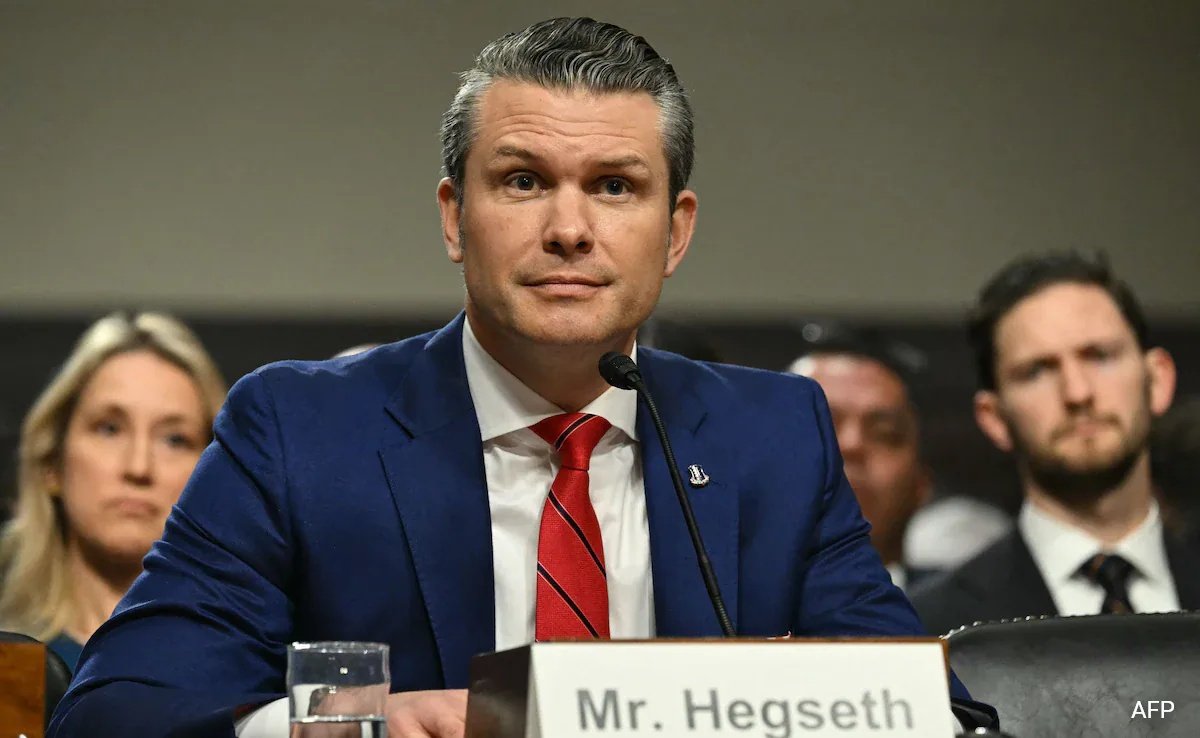
US Defence Secretary Pete Hegseth has stated that he did not personally see survivors before a follow-up strike on an alleged drug boat in the Caribbean on 2 September, which left two survivors dead. The incident has raised serious questions about whether US forces may have violated laws governing armed conflict.
During a White House cabinet meeting, Hegseth explained that he observed the initial strike “live” but quickly moved to another meeting. “I did not personally see survivors. That thing was on fire and it exploded… you can’t see anything. This is called the fog of war,” he said, adding that he later learned Admiral Frank Bradley authorised the second strike. Hegseth defended Bradley, describing his decision as “correct.” President Trump also defended Bradley while noting that he was not aware of the follow-up strike, emphasising the administration’s goal of targeting drug trafficking boats.

The 2 September strike is part of a wider US campaign, which has reportedly killed more than 80 people in maritime operations across the Caribbean and Eastern Pacific since early September. While the Trump administration frames these strikes as necessary to protect American lives from illicit drugs, both Democratic and Republican lawmakers have expressed concern over the legality of the actions. The Senate Armed Services Committee has promised “vigorous oversight” to determine the circumstances surrounding the strike.
International law, including the Geneva Convention, prohibits intentionally targeting wounded combatants, requiring that they be captured and given medical aid. Several experts consulted by the BBC have questioned whether the follow-up strike adhered to these legal obligations. Admiral Bradley, now commander of US Special Operations Command, is expected to testify before Capitol Hill lawmakers this week.

Since the incident, the US has significantly expanded its military presence in the Caribbean and Eastern Pacific, with President Trump indicating an intention to extend strikes to land-based drug targets. The 2 September strike underscores ongoing tensions between operational military priorities, the “fog of war,” and adherence to international humanitarian law.
The event has prompted intense scrutiny both domestically and internationally, highlighting the complex ethical, legal, and strategic challenges posed by US counter-narcotics operations in the region. Questions about accountability and oversight remain at the forefront of debate as US forces continue these high-risk operations.
Related News:
 Pregnant UK Teen to Be Freed from Georgian Jail
 Just Stop Oil Protesters Convicted Amid Climate Defence Row
 China-critical UK academics face ‘extremely heavy’ pressure from Beijing
 British Grandmother to Return Home After Death Sentence in Bali
 US Justice Department Files Lawsuit Against California Over Partisan Voting Maps
 Oklahoma Governor Grants Last-Minute Clemency to Death Row Inmate
 Bataclan Anniversary: France Remembers but Jihadist Danger Lingers
 Trump Deploys DHS to Charlotte in Major Arrest Operation
 Ex-Harvard President Faces Fallout Following Epstein Correspondence
 Congress Approves Release of Epstein Files, Trump Expected to Sign
 Teens ‘Ran Amok’ at Ex-MP’s Covid Testing Firm
 Texas Governor Faces Lawsuit From CAIR
 Two National Guard Soldiers Critically Injured Near White House
 Putin Intensifies Territorial Demands Before US Talks
 US National Guard Member Killed in DC Shooting
 Trump to Recheck Green Cards from 19 Nations After DC Attack
 Trump to pause migration from ‘third-world countries’
 Tokyo court rules Japan’s same-sex marriage ban constitutional
 Chinese & Japanese Boats Clash Near Disputed Islands
 Putin Meets US Envoy Amid Key Ukraine Peace Talks
 Indonesia to Repatriate Two Dutch Drug Convicts
 Trump Administration Dismisses 17 Immigration Judges, Sparking Debate Over Judicial Independence
 Northern Ireland Family of Three Shot Dead in Maguiresbridge Home Incident
 Badenoch Warns Farage’s Grooming Gangs Plan Could Backfire
 British Woman in Iran ‘Losing Hope’ Amid Ongoing Detention
 Johnson Approved China’s London ‘Super-Embassy’ in 2018
 BBC Journalist Held and Interrogated in Vietnam
 UK University Suspends Human Rights Research Following Pressure from China
 Police Probe Four Knife Incidents Linked to Cambridgeshire Train Attack
 French Taxi Driver Cleared in David Lammy Theft Case After Fare Dispute
 Top Christmas Books Reads: Classics to Cozy Romcoms
 World Whisky Tour: 9 Global Gems
 Tension and Turmoil at Aston Villa v Maccabi Match
 BBC to Apologise Over Edited Trump Speech Amid Backlash
 King Charles to Lead Nation in Remembrance Sunday Service
 Lando Norris Dominates Brazil GP to Strengthen F1 Title Bid
 Britain deploys RAF specialists to assist Belgium with drone threats
 Palace May Restore Hyphen to Andrew Mountbatten-Windsor’s Name
 US Senate Passes Funding Bill to End Historic Shutdown
 Suicide Bombing at Islamabad Court Kills 12, Injures Dozens
 Pop Stars Call on UK Government to Cap Resale Prices for Fans
 Algeria Pardons French-Algerian Novelist Sansal After Year in Jail
 Trump Urges Herzog to Grant Netanyahu Full Pardon
 Hitler’s DNA Confirms He Truly Had Only One Testicle
 Major Rent Reform Ends No-Fault Evictions in England
 Peers Flood Assisted Dying Bill with 942 Amendments
 Rio Raid’s Death Toll Raises Questions About Gang Impact
 Greene Pushes Epstein Files Amid Trump Fallout
 December Run-Off in Chile as Election Produces No Winner
 Zelenskyy Signs Fighter Jet Deal Amid Russian Drone Attacks
 Orban Says Ukraine Has ‘No Chance’ as EU Support Continues
 Canada Passes Carney’s First Budget in Tight Parliamentary Vote
 Charlotte Raids: 130 Arrested in Major Immigration Sweep
 Eminem Takes Legal Aim at Australian ‘Swim Shady’ Brand
 Israeli Strike Kills 13 Near Palestinian Camp in Lebanon
 Zelensky Meets US Envoy in Turkey to Push Ukraine Peace Talks
 Shadow Fleet at Sea: Europe’s Battle Against Illicit Oil Shipping
 Tiny Curacao Makes History as Smallest Nation to Reach World Cup
 Haiti Qualifies for World Cup Despite Coach Never Visiting Country
 Deadly Russian Strikes Hit Western Ukraine, 20 Killed in Ternopil
 Serial Rapist and Former Cop Found Guilty Again
 Man Charged Over Attempted Murder of Senior Officer
 Man Denies Stealing Bronze Age Gold from Museum
 Pentagon Officials in Ukraine to Discuss War End
 Ukraine Peace Plan: Zelensky Ready for Dialogue
 Vietnam Battles Deadly Floods as Rains Continue
 Venezuela Threatens Nobel Winner Machado with Fugitive Status
 At Least Three Dead in Bangladesh Earthquake
 Royal Navy Shadows Russian Warships Entering the Channel
 Runaway Driver Caught by DNA Evidence
 Israel Confirms Hamas Returned Dror Or’s Body
 Peers Get Extra Time to Debate Assisted Dying Bill
 US Suspends Afghan Immigration After White House Shooting
 Georgians Defy Government Crackdown After Year of Protests
 Southern Lebanon reels as Israeli strikes shatter communities
 Mbappe Scores 4 as Real Madrid Edge Olympiakos
 Sri Lanka Floods Leave 56 Dead, Dozens Missing
 India’s Labour Law Overhaul Sparks Fierce Debate
 ICC to Rule on Duterte’s Provisional Release
 Virgin Media Fined £23.8m Over Telecare Safety Failures