Published: 09 December 2025. The English Chronicle Desk. The English Chronicle Online.
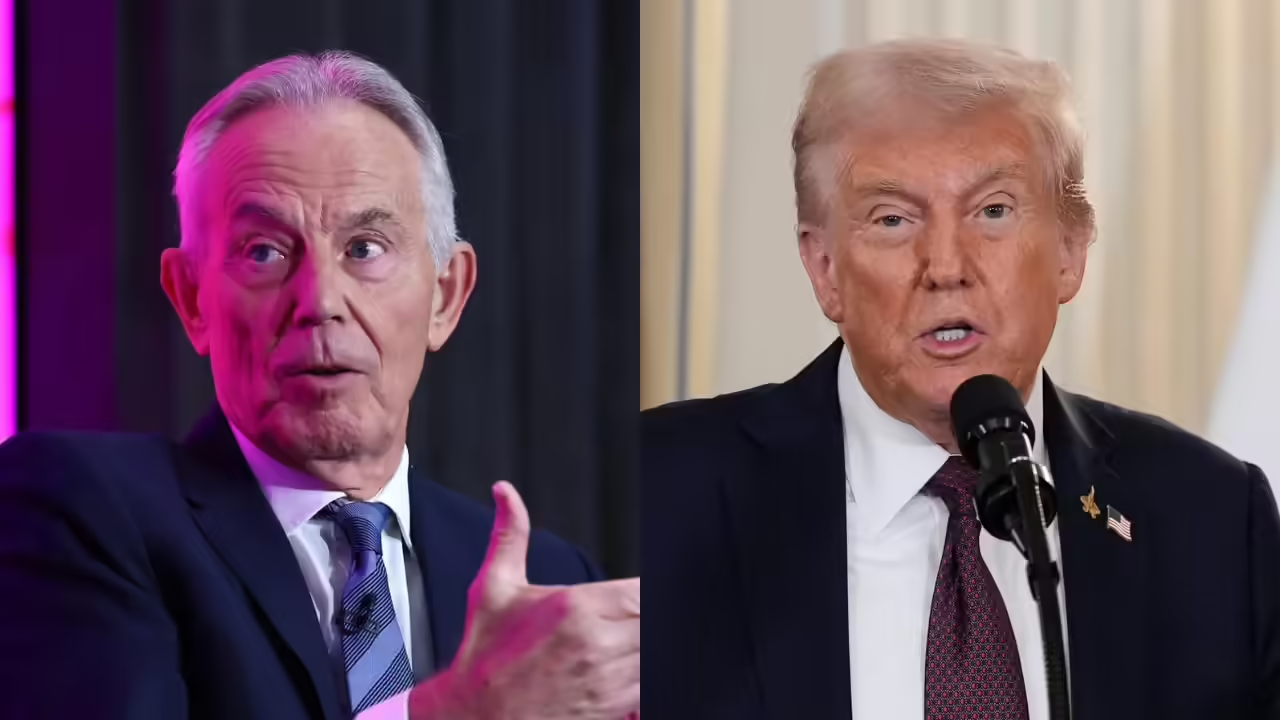
Tony Blair will not hold a position on Donald Trump’s proposed Gaza peace council after significant objections arose. The former UK prime minister had reportedly been considered for a key role in the initiative, which Trump intends to chair personally.
According to the Financial Times, Blair’s inclusion was quietly withdrawn following resistance from several Arab and Muslim nations. While he had previously been seen as a potential mediator, diplomatic sources suggested that political sensitivities ultimately outweighed his experience.
Blair had reportedly been lobbying behind the scenes for influence over Gaza’s interim administration, drawing on a plan shaped partly by his Tony Blair Institute for Global Change in collaboration with Jared Kushner. The plan had attracted scrutiny and debate over its viability.
Supporters cited Blair’s pivotal role in Northern Ireland peace negotiations, presenting him as an experienced mediator capable of stabilising conflict zones. Critics countered that his tenure as the Quartet’s Middle East envoy had yielded limited progress and lacked lasting results.
Many Arab leaders remained deeply wary due to Blair’s association with the 2003 US-led invasion of Iraq, which continues to fuel distrust in the region. This historical context appears to have strongly influenced the decision to exclude him from the board.
Blair had initially been the only publicly named candidate when Trump unveiled his 20-point Gaza peace proposal in September, praising him as a “very good man” for the task. However, his controversial reputation continued to shadow potential participation.

The proposed plan faced criticism for leaving Palestinian statehood timelines unclear and suggesting Gaza operate under a legal framework separate from the West Bank. Analysts argued this risked fragmenting Palestine further rather than promoting a unified polity.
Trump acknowledged Blair’s contentious profile in October, stating, “I’ve always liked Tony, but I want to find out that he’s an acceptable choice to everybody.” This remark highlighted the sensitivity surrounding international approval for the initiative.
Despite the withdrawal, Blair reportedly met with Israeli Prime Minister Benjamin Netanyahu in late November, discussing elements of the proposed administration for Gaza, according to the Times of Israel. These meetings, though discreet, indicated continued involvement at a less prominent level.
A source told the Financial Times that Blair could still have a role in an alternative capacity, suggesting flexibility in the administration’s structure. “The Americans like him and the Israelis like him,” the source explained, hinting at potential advisory input without board membership.
Blair’s office has not publicly commented on his removal, but an ally confirmed that he would not participate on the board. The executive committee is expected to consist of current world leaders, with a smaller inner board managing decisions.
Observers suggest this development reflects broader challenges in Trump’s Gaza strategy, which has seen repeated Israeli strikes on the coastal strip. The White House continues to face difficulty securing commitments from other nations for the proposed peacekeeping operations.
This episode underscores both the complexity of Middle East diplomacy and the reputational risks tied to Blair’s long-standing political history. While he remains a figure respected by some international actors, his past involvement in Iraq and mixed record in Middle East negotiations continues to shape perceptions.
The shifting dynamics around Blair’s potential participation illustrate the intricate balancing act in international peace initiatives, where diplomatic sensitivities and historical controversies often outweigh prior achievements. Analysts also emphasise the broader implications for US-led mediation, noting that any progress in Gaza will require consensus among diverse and sometimes opposing stakeholders.
In conclusion, Tony Blair’s exclusion from the board of peace highlights the enduring influence of political history on contemporary diplomacy. Although he may remain involved behind the scenes, the development signals the challenges of assembling internationally acceptable peace structures in a deeply divided region.
Related News:
 Kinnock’s Rebuke Echoes Loudly as Corbyn Allies Launch Left-Wing Breakaway: “A Gift to Farage”
 UK and Norway Forge Stronger Ties Through Joint Sanctions and Enhanced Defence Cooperation
 Trump Administration Dismisses 17 Immigration Judges, Sparking Debate Over Judicial Independence
 Lammy Condemns Israel’s Targeting of Starving Palestinians: Sanctions Threatened Amid Global Outrage
 Tony Blair Pressured to Repay Thousands for Designer Clothing Discounts, Reveals Newly Declassified Records
 Modi’s London Visit Seals Historic UK-India Trade Pact Amid Global Tensions
 UK Must Act with Courage and Clarity on Israel-Palestine Conflict, Says Foreign Affairs Committee Report
 Philippine Supreme Court Halts Impeachment of Sara Duterte, Fuelling 2028 Election Speculation
 New Missile, New Balance: US Precision Strike Weapons Redefine Taiwan’s Defence Horizon
 Trump Threatens 100% Tariff on Nations Importing Russian Oil Amid India Standoff Over Ukraine War
 MPs Call on UK Government to Delay Biometric Visa Checks for Gaza Students Amid Humanitarian Crisis
 Netanyahu Announces Plan to Take Over Gaza City, Escalating Conflict Further
 Radioactive Leak at UK’s Nuclear Warhead Base Sparks Outcry Over Safety and Secrecy
 Lammy and Vance Meet in Britain to Advance US-Brokered Ukraine Peace Talks
 Mutual Inconvenience: Why Alaska Was Chosen for the Trump-Putin Summit on Ukraine
 Prominent Al Jazeera Journalist Anas al-Sharif Among Five Reporters Killed in Israeli Airstrike on Gaza
 Hong Kong Summons UK and Australian Envoys Following Asylum Grants to Democracy Activists
 Is the UK Ready to Put Boots on the Ground in Ukraine? Assessing Military Capacity and Challenges
 Ukraine-Russia War Latest: Trump Suggests Putin Avoiding Zelensky Summit Due to ‘Personal Dislike’
 Protests Expected as Israeli Arms Firms Join Global Defence Trade Fair in London
 Trump Appears Sidelined as Israel’s Unprecedented Strikes Hit Qatar
 Meeting Between Keir Starmer and Israeli President Marked by Tense Exchanges Over Gaza Aid
 Conservative Influencer Charlie Kirk Fatally Shot During University Debate
 UK Imposes 100 New Sanctions Targeting Russia’s Revenues and Military Supplies
 Thousands Gather in London to Protest Donald Trump’s Second UK State Visit
Trump Urges UK to “Call Out the Military” to Secure Borders Amid State Visit
Thousands Gather in London to Protest Donald Trump’s Second UK State Visit
Trump Urges UK to “Call Out the Military” to Secure Borders Amid State Visit
 Channel Crossings Surge: Over 1,000 People Arrive in the UK in Small Boats in a Single Day
 Widow of Charlie Kirk Forgives Killer at Emotional Memorial Service
Trump’s UN Speech Criticises London and UK Policies, Draws Far-Right Attention
Widow of Charlie Kirk Forgives Killer at Emotional Memorial Service
Trump’s UN Speech Criticises London and UK Policies, Draws Far-Right Attention
 Denmark Investigates Professional Drone Incursions Across Multiple Airports, No Evidence of Russian Involvement
 Sir Sadiq Khan Accuses Trump of Racism and Islamophobia Following UN Remarks
 UK Fighter Jet Purchase Could Breach Nuclear Treaty, Warns CND
 Yvette Cooper Signals Global Momentum Towards Gaza Peace Deal Amid Humanitarian Crisis
 A Third of EU Citizens in UK Report Discrimination by Public Bodies Post-Brexit
 Jailed Georgian Opposition Leaders Warn UK of Iranian Links to Ruling Party
 Russia repeatedly targets UK military satellites, warns Space Command chief
 Pro-Palestine March to Proceed in London Despite Calls to Cancel After Manchester Attack
 Misinformation and Political Pressure Force Weston-super-Mare to Abandon Refugee Sanctuary Plan
 UK Universities Warn Students Ahead of 7 October Pro-Palestine Protests
 Public Trust in SNP Hits Historic Low Amid NHS Concerns
 Johnson Suggests Mandelson Linked to China Spy Controversy
 Witness statements reveal the CPS China spy row collapse in the UK
 Nigel Farage Calls Vladimir Putin ‘A Very Bad Dude’
 Rachel Reeves signals welfare reform ahead of key budget
 Kosovo agrees to host Britain’s refused asylum seekers
 Ireland Votes as Two Women Compete for Presidency
 Russia’s Latest Push to Win US Favors Shows Deep Desperation
 Rachel Reeves to lead UK trade push in Saudi Arabia amid rights debate
 Experts Warn Russia’s Burevestnik Missile Could Destabilise Arms Control
 British Woman in Iran ‘Losing Hope’ Amid Ongoing Detention
 Johnson Approved China’s London ‘Super-Embassy’ in 2018
 BBC Journalist Held and Interrogated in Vietnam
 UK University Suspends Human Rights Research Following Pressure from China
 UK University Faces Counter-Terror Probe Over China Pressure
China-critical UK academics face ‘extremely heavy’ pressure from Beijing
UK University Faces Counter-Terror Probe Over China Pressure
China-critical UK academics face ‘extremely heavy’ pressure from Beijing
 BBC to Apologise Over Edited Trump Speech Amid Backlash
 Britain deploys RAF specialists to assist Belgium with drone threats
 Ukraine-Russia war latest: Putin’s troops exploit bad weather to force Kyiv withdrawal from multiple towns
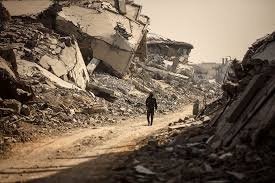 Hamas Fighters in Gaza Tunnels Stall Ceasefire Progress
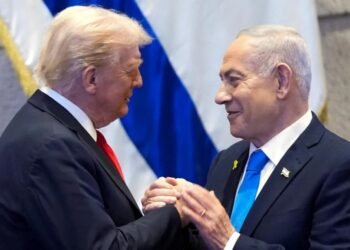 Trump Urges Herzog to Grant Netanyahu Full Pardon
 New review urges UK to repatriate Shamima Begum, others from Syria
 US Justice Department Files Lawsuit Against California Over Partisan Voting Maps
 Indian authorities demolish Kashmir home linked to Red Fort blast
 Greene Pushes Epstein Files Amid Trump Fallout
 Trump Deploys DHS to Charlotte in Major Arrest Operation
 December Run-Off in Chile as Election Produces No Winner
 Canada Passes Carney’s First Budget in Tight Parliamentary Vote
 Shadow Fleet at Sea: Europe’s Battle Against Illicit Oil Shipping
 Rama Rebukes Mahmood for Targeting Albanian Families
 Russian Vessel Used Lasers on RAF Pilots, UK Claims
 Pentagon Officials in Ukraine to Discuss War End
 India’s COP30 Delay Raises Global Climate Concerns
 Venezuela Threatens Nobel Winner Machado with Fugitive Status
 Trump Envoy to Discuss Ukraine Peace at Kremlin
 Georgians Defy Government Crackdown After Year of Protests
 India’s Labour Law Overhaul Sparks Fierce Debate
 Video shows Israeli troops kill Palestinians after surrender
 Chinese & Japanese Boats Clash Near Disputed Islands
 EU plans $105bn Ukraine aid using frozen Russian assets
 Global campaign launched to free Palestinian leader Barghouti