Published: 11 December 2025. The English Chronicle Desk. The English Chronicle Online.
Conservative governments spent £325 million on 67 free schools that subsequently failed or vanished entirely, highlighting fundamental flaws in policy decisions over the past decade. This expenditure forms part of a broader £10 billion investment committed between 2014–15 and 2023–24 to create new school buildings, significantly outweighing the £6.8 billion spent on refurbishing existing schools, a discrepancy critics argue left numerous school facilities in a state of decay across England.

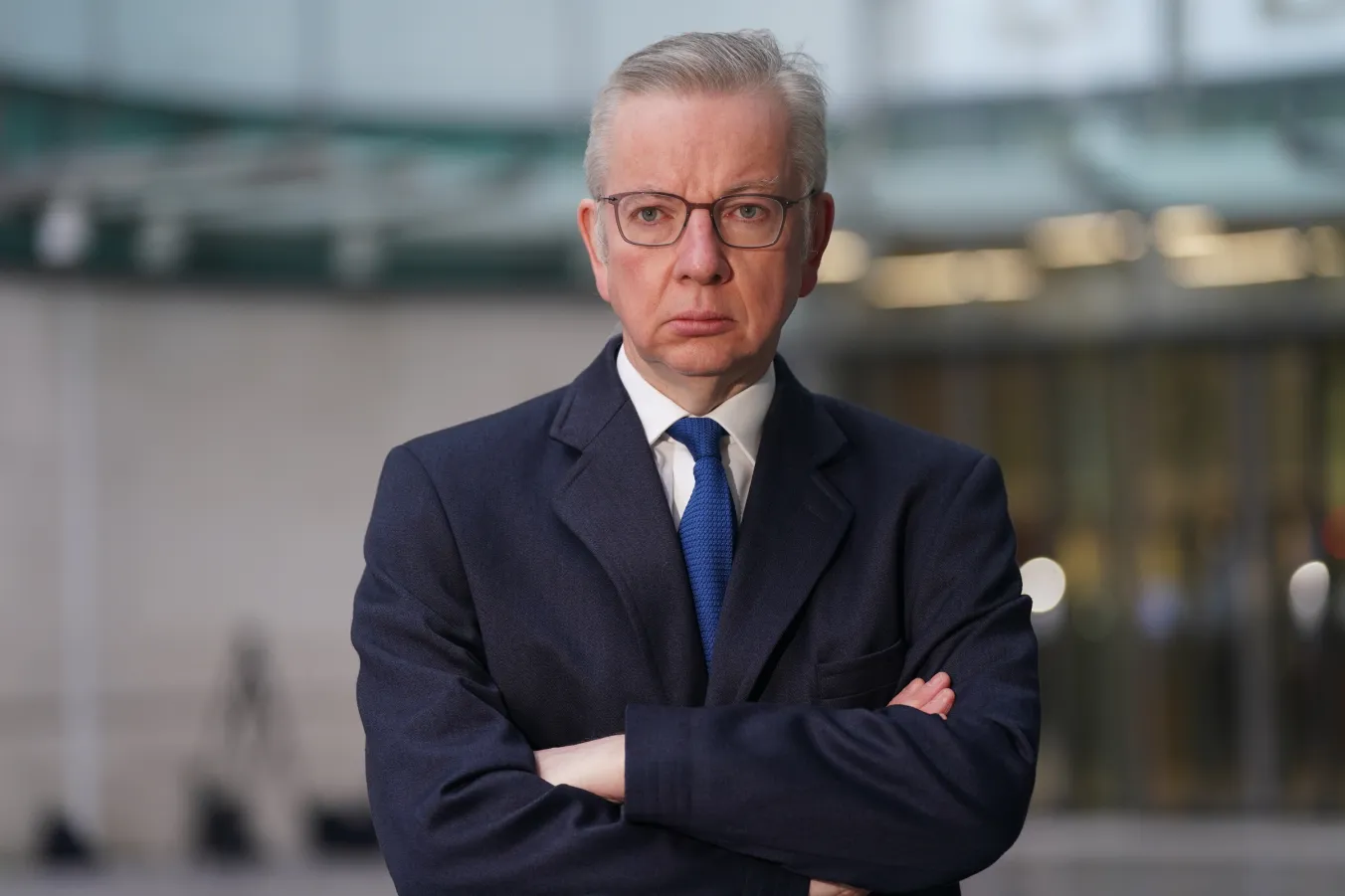
The free schools initiative was introduced by Michael Gove as education secretary in 2010, allowing groups and organisations to bid for central government funding to open new schools. While several schools such as the Michaela Community School in inner London achieved success and garnered recognition for innovation, dozens of others became “ghost schools,” either never opening or ultimately absorbed by existing institutions and academy trusts.
Department for Education (DfE) data obtained through a freedom of information request reveals that £325 million in capital funding supported 67 centrally delivered free schools that later disappeared, confirming prior warnings from the National Audit Office that up to 50 percent of new free school places created between 2015 and 2021 risked remaining surplus in local communities.
A government source described these figures as representing “the worst excesses of Tory free schools dogma,” stating that the Conservatives had prioritised unnecessary new schools over the urgent need to rebuild crumbling school buildings and expand provision for special educational needs. The source added that the Labour government is now committed to reforms that ensure previously neglected children receive an inclusive education, broadening opportunities and improving outcomes.
One stark example of wasted investment is the Waterside Primary Academy in Nottingham. Constructed at £11.5 million to offer 210 places, the school was never opened due to insufficient local demand. Instead, the building is being repurposed as a satellite facility for Rosehill Special School, expanding access for children with special educational needs and disabilities (SEND).
Regional data reveals further disparities. In London, £55 million was spent on eight free schools that either closed or were rebrokered—transferred to alternative academy trusts—while the West Midlands lost £16 million across two failed projects. Meanwhile, the region still listed 57 existing schools under the rebuilding programme, underscoring ongoing imbalances between new school creation and necessary refurbishment.
Despite these failures, proponents of the programme emphasise its successes. Meg Powell-Chandler, director of the New Schools Network, argued that free schools have injected new energy into England’s education system, fostering innovation and improving outcomes. She highlighted that free schools now outperform other non-selective state schools across measures from phonics checks to A-level results, enhancing choice and opportunities for hundreds of thousands of pupils.
Powell-Chandler urged the government to proceed with the 44 mainstream projects still approved under the programme, alongside special and alternative provision schools intended to deliver high-quality specialist places for disadvantaged children. However, planning for these schools was paused in October of last year by Shadow Education Secretary Bridget Phillipson while the government conducted a value-for-money evaluation. A decision on their future is expected imminently, leaving the sector in a state of uncertainty.
The debate over free schools reflects broader tensions in England’s education strategy, balancing innovation against practical necessity. While some argue that introducing choice and competition can drive standards, critics maintain that neglecting existing infrastructure and misjudging demand risks wasting taxpayer funds and exacerbating inequality. The £325 million spent on failed projects serves as a cautionary tale, emphasising the importance of careful planning and local consultation when designing education policies that profoundly affect children’s futures.

As Labour implements reforms targeting previously underserved communities, attention is increasingly turning toward sustainable investments that address foundational inequalities. Ensuring adequate special school provision, refurbishing decaying facilities, and making targeted investments where demand is demonstrably high are emerging as key priorities, signalling a strategic shift away from ideologically driven initiatives.
Ultimately, the lessons from the free schools programme underline the need for evidence-based education planning. Failure to align investment with actual demand can result in both wasted resources and missed opportunities to improve children’s life chances. The challenge for policymakers is now to reconcile innovation with practicality, ensuring that every pound spent contributes directly to high-quality, accessible education for all pupils.
Related News:
 China-Backed Confucius Institutes at UK Universities Face Uncertainty Under New Free Speech Rules
 University of Edinburgh Lecturers Launch Five-Day Strike Amid £140m Budget Cuts
 It Changed My View’: Campaign Encourages Pupils in Deprived Areas to Consider University
 UK Universities Warn Students Ahead of 7 October Pro-Palestine Protests
 Oxford Union president-elect ousted following Charlie Kirk scandal
 The debate over England’s compulsory reading test for 13-year-olds
 Bridget Phillipson Vows to Confront Unions Over Reading Tests
 UK University Suspends Human Rights Research Following Pressure from China
 UK University Faces Counter-Terror Probe Over China Pressure
China-critical UK academics face ‘extremely heavy’ pressure from Beijing
UK University Faces Counter-Terror Probe Over China Pressure
China-critical UK academics face ‘extremely heavy’ pressure from Beijing
 Labour immigration crackdown could cost UK £4.4bn
 England’s Special Needs Support Faces Breaking Point
 UK Must Act with Courage and Clarity on Israel-Palestine Conflict, Says Foreign Affairs Committee Report
 The Fight for Trans Safety Is a Fight for Everyone’s Safety — MPs Must Debate This Crucial Issue
 Brian Cox Slams Donald Trump’s Remarks on Scottish Independence and Voices Support for Kevin Spacey’s Return to Acting
 Chancellor Faces Mounting Pressure Amid “Impossible Trilemma” Over Tax Rises
 Princess of Wales Launches Animated Video Series to Support Early Childhood Development
 Radioactive Leak at UK’s Nuclear Warhead Base Sparks Outcry Over Safety and Secrecy
 Mutual Inconvenience: Why Alaska Was Chosen for the Trump-Putin Summit on Ukraine
 Chancellor Rachel Reeves Pushes for Sweeping Changes to Environmental Protections to Accelerate Development
 Hong Kong Summons UK and Australian Envoys Following Asylum Grants to Democracy Activists
 Is the UK Ready to Put Boots on the Ground in Ukraine? Assessing Military Capacity and Challenges
 Education Leaders Call for End to Compulsory GCSE Resits in English and Maths
 Police Scotland Spends £500,000 Compensating Officers Over Trump Visit
 Britain’s Migration Challenge: Rising Asylum Numbers and Hotel Pressures
 Elon Musk Sparks New Controversy by Backing Tommy Robinson Amid Farage Feud
 Rylan Clark Criticizes UK Immigration Policies on This Morning, Sparking Public Debate
 Farage Blasts Essex Council Over St George’s Flag Controversy, Calls Message ‘Unbelievable
 Thousands of New School Nursery Places to Be Rolled Out Across England
 Urgent Action Needed on Windrush Compensation as Survivors Speak of “Waiting to Die”
 Tanni Grey-Thompson Faces Abuse Over Opposition to Assisted Dying Bill
 TfL Invites RMT to Resume Talks as London Tube Strikes End
 Channel Crossings Surge: Over 1,000 People Arrive in the UK in Small Boats in a Single Day
 Widow of Charlie Kirk Forgives Killer at Emotional Memorial Service
 Nigel Farage Unveils Controversial Immigration and Welfare Plans at Reform UK Press Conference
 White Low-Income Pupils in England Show Lowest Levels of School Engagement, Study Finds
 Yvette Cooper Signals Global Momentum Towards Gaza Peace Deal Amid Humanitarian Crisis
 Ed Miliband Warns UK Government on X, Citing Elon Musk as a “Dangerous Influence”
 Digital ID Plans Ignite Debate Over £600m Treasury Tax Boost and Privacy Concerns
 Kemi Badenoch Unveils ‘Golden Rule’ to Halve Spending Cuts for Deficit Reduction at Tory Conference
 Public Trust in SNP Hits Historic Low Amid NHS Concerns
 Johnson Suggests Mandelson Linked to China Spy Controversy
 UK border officers deployed to Balkans to tackle migrant smuggling
 Ministry of Justice fails to file £11bn in spending receipts
 UK MPs warn of repeat riots over online misinformation
 Rachel Reeves signals welfare reform ahead of key budget
 New V-Level qualification to transform post-16 education
 Reform UK candidate fined £19,000 after using AI-generated cases to challenge election
 William Steps Up Over Prince Andrew Palace Response
 Russia’s Latest Push to Win US Favors Shows Deep Desperation
 Army Barracks to House Migrants as Hotels Phase Out
 Green Party Surges Past Labour in Latest UK Poll
 Army Officers Orders to Cut Ties with Men-Only Clubs
 Trump’s UK Ambassador Urges North Sea Drilling to Strengthen US Ties
 Children to Learn Local History in Major Curriculum Overhaul
 French Taxi Driver Cleared in David Lammy Theft Case After Fare Dispute
BBC to Apologise Over Edited Trump Speech Amid Backlash
French Taxi Driver Cleared in David Lammy Theft Case After Fare Dispute
BBC to Apologise Over Edited Trump Speech Amid Backlash
 Britain deploys RAF specialists to assist Belgium with drone threats
 Millionaires group urge Reeves to introduce wealth tax to ‘lift kids out of poverty’
 Reeves rejects £1bn plea for NHS redundancy payouts
 PM Condemns Leaks, Vows Loyalty to Ministers and Stability
 Trump Urges Herzog to Grant Netanyahu Full Pardon
 Phillipson Accused of Appeasing Unions by Diluting EBacc
 Major Rent Reform Ends No-Fault Evictions in England
 Senator John Fetterman Hospitalized After Fall from Heart Flare-Up, Keeps Sense of Humor
 Indian authorities demolish Kashmir home linked to Red Fort blast
 Greene Pushes Epstein Files Amid Trump Fallout
 December Run-Off in Chile as Election Produces No Winner
 Canada Passes Carney’s First Budget in Tight Parliamentary Vote
 Shadow Fleet at Sea: Europe’s Battle Against Illicit Oil Shipping
 India’s COP30 Delay Raises Global Climate Concerns
 Georgians Defy Government Crackdown After Year of Protests
 US National Guard Member Killed in DC Shooting
 ICC to Rule on Duterte’s Provisional Release
 Starmer Says Labour’s Economic Plan Needs Years to Deliver
 England delays four mayoral elections amid criticism
 Graduate Surge Boosts Maths and Science Teacher Recruitment
 Met officers ordered to declare Freemason links
 Culture secretary to review Telegraph takeover by Daily Mail owner
 Reform Candidate Sparks Fury Over Loyalty Comments