Published: 02 January 2026. The English Chronicle Desk. The English Chronicle Online.
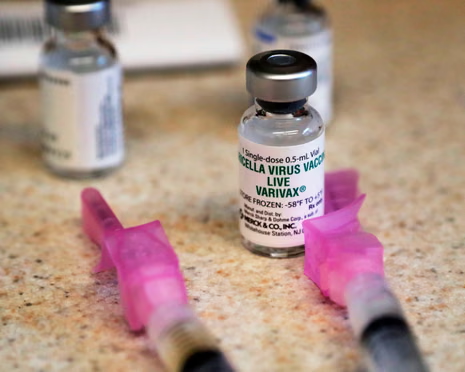
The UK government has announced that children will now receive the chickenpox vaccine alongside their routine MMR jab. This combined MMRV vaccine, incorporating protection against chickenpox, will be offered to infants at 12 and 18 months, marking a significant development in childhood immunisation. Integrating the chickenpox vaccine into standard NHS schedules ensures that young children are protected from varicella without needing private appointments, offering families peace of mind. Experts have welcomed the rollout of the chickenpox vaccine, highlighting its potential to reduce hospital admissions and prevent serious complications.
For decades, the MMR jab, protecting against measles, mumps, and rubella, has formed a cornerstone of the NHS immunisation programme. The introduction of the MMRV vaccine aligns the UK with countries including the US, Canada, Germany, and Australia, where combined immunisation with the chickenpox vaccine has successfully lowered infection rates. Officials emphasise that integrating the chickenpox vaccine within the MMR framework will simplify appointments, improve uptake, and provide broader protection to children.

Dr Claire Fuller, NHS England’s joint medical director, described the rollout as “hugely positive,” noting the health benefits and reassurance offered to parents. She stressed that chickenpox, though often mild, can result in severe complications, including pneumonia, fits, or hospitalisation. With half of children contracting the virus by age four, vaccination will prevent thousands of unnecessary illnesses, reduce absences from nursery and school, and alleviate parental stress.
Previously, parents seeking chickenpox protection for their children had to pay privately, typically around £150, or qualify for NHS vaccination if their child had close contact with vulnerable individuals. The new MMRV programme removes this financial barrier, extending free protection to all eligible infants. Health Secretary Wes Streeting highlighted that the change represents a historic milestone, emphasising the broader societal benefits. “Today, the NHS is formally protecting children against chickenpox, reducing disruption to families and avoiding preventable illness,” Streeting said.
The decision to introduce chickenpox vaccination faced careful consideration due to its potential link with shingles later in life. Following chickenpox, the virus remains dormant in nerve cells, occasionally reactivating as shingles. Experts had been cautious, concerned that widespread vaccination could reduce natural exposure, weakening adult immunity. Helen Bedford, professor of children’s health at University College London, explained that the existing shingles vaccination programme for older adults and international evidence of MMRV safety provided reassurance for adopting this approach.
The MMRV vaccine was recommended by the Joint Committee on Vaccination and Immunisation, which advises ministers on vaccination policy. The switch is projected to save the NHS approximately £15 million annually in avoided GP visits and hospital treatments, while families are estimated to save £24 million in lost income and productivity. Scotland’s Health Secretary, Neil Gray, described the rollout as a “major step forward,” emphasising the long-term benefits of reduced chickenpox prevalence and stronger childhood immunity across generations.
Healthcare providers have started scheduling appointments, with the first doses being administered at GP surgeries this week. The combined MMRV jab ensures children are immunised efficiently, reducing the need for multiple visits and protecting them from common childhood illnesses simultaneously. Public health officials expect a swift uptake, particularly in light of parental support and widespread awareness campaigns highlighting the vaccine’s safety and efficacy.
While chickenpox is typically mild, characterised by itchy spots and a rash lasting up to two weeks, vaccination offers crucial protection against rare but serious complications. Infected children are advised to remain home until scabs form, but vaccination will dramatically lower transmission rates, safeguarding both individual children and the wider community. Experts emphasise that MMRV vaccination is evidence-based, drawing from international experience where the chickenpox vaccine has decreased infections, hospital admissions, and associated healthcare burdens.
The NHS rollout represents the first time the chickenpox vaccine is included in the UK’s routine immunisation programme. This change reflects decades of research, evolving public health strategies, and a commitment to protecting children from preventable diseases. Families are encouraged to book appointments promptly, ensuring timely protection for infants against chickenpox and reinforcing the success of the broader immunisation programme. By integrating chickenpox vaccination into the MMR schedule, the UK strengthens its public health infrastructure while alleviating the societal and economic burden of childhood illness.

As the UK joins other leading nations in adopting the MMRV vaccine, public health authorities remain focused on monitoring outcomes, ensuring safety, and providing clear guidance to parents. The chickenpox vaccine rollout is expected to reshape childhood immunisation in the UK, preventing illness, reducing school absences, and creating long-term benefits for future generations. Experts anticipate that regular MMRV vaccination will soon become the norm, normalising chickenpox prevention alongside established immunisations against measles, mumps, and rubella.
The move also demonstrates the NHS’s ability to respond to evolving evidence, balancing childhood protection with adult health considerations. Public confidence in vaccination programmes remains high, supported by transparent guidance, international experience, and rigorous monitoring. As the first MMRV doses are administered, parents, healthcare professionals, and policymakers alike will watch closely, marking the beginning of a new era in child health protection across the UK.
Related News:
 Mother dies after black market weight loss injection
 Young Woman Missed 13 Times by GPs Before Bowel Cancer Diagnosis
 Hospice Cuts Raise Alarm Across England Amid Funding Crisis
 How Bringing Forests Into Preschools Boosts Children’s Health
 The diet that can significantly ease symptoms of IBS
 Celebrities and Charities Demand UK Government Act on Child Poverty
 Long A&E waits causing heartbreaking suffering, charity says
 Experts Warn on Home Birth Risks, Call for Skilled Midwives
 Lancashire council plans to close care homes and day centres
 Britain could face worst flu season on record, NHS warns
 Experts Urge Legal Right to Timely Cancer Care
 Patients to Test Health at Home to Ease NHS Winter Pressure
 London’s Childlessness Crisis: Schools Closing as Families Shrink
 NHS Takes Over Nuffield Hospital in ‘Windfall’ for London Care
 North Sea oil workers must lose weight or face job loss
 Crisis charity to become landlord amid UK housing emergency
 No link found between paracetamol in pregnancy and autism
 UK Disability Pay Gap Means Millions Work for Free From Today
 Shouting Works Best to Deter Gulls, UK Study Finds
 Reeves rejects £1bn plea for NHS redundancy payouts
 NHS trust fined after woman takes life in mental health unit
 Leading doctors issue warning amid ‘bad’ flu season
 UK Centres Used Risky Heart Pump Despite Safety Fears
 Reeves Rejects £1bn NHS Payout Plea from Streeting
 New Campaign Trains Vets to Spot Farmers’ Health Risks
 Stroke Patient Mistaken for Drunk, Care Delayed
 ‘Traumatic Wait’: Northern Ireland Women Face Breast Cancer Delays
 Boris Johnson Oversaw Toxic No 10 Culture, Covid Inquiry Finds
 Welsh Government Christmas 2020 Lockdown Criticised
 Coffins Now Too Large to Cremate Amid Rising Obesity Crisis
 Thinktank Urges Smaller Hospitals to End NHS ‘Permacrisis’
 David Cameron Reveals Prostate Cancer Diagnosis, Advocates Screening
 NHS paediatric leave parents waiting months for answers
 Catherine urges end to stigma around addiction
 11 Best Supermarket Wines Chosen by Experts and Sommeliers
 Inquiry Opens Into Disgraced Surgeon Eljamel Scandal
 Five-Year-Old Dies After Rare Tonsil Surgery Complication
 Fibromyalgia Patients Struggle as NHS Fails to Provide Care
 More Patients Now Contacting GPs Online, Data Shows
 Streeting launches review into mental health and ADHD diagnoses
 Flu cases in Scotland more than double in a week
 People in England’s Poorest Areas Face Higher Lung Health Emergencies
 MND Patients Die Waiting for Home Adaptations in England
 Minor A&E Visits Surge Across England as Hospitals Face Pressure
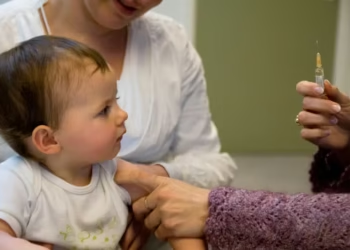 Children to Receive Home Vaccines as England Acts
 Concerns Mount Over Accuracy of At-Home Health Tests as Study Calls for Stricter Regulation
 The Ketamine Crisis in the UK is a Silent Epidemic Leaving Users with Lifelong Pain
 Why E-Bikes and E-Scooters Are Making Streets a ‘Nightmare’ for Blind People
 Systemic Racism in Maternity Care Continues to Endanger Black Women in England, MPs Warn
 One in Three GPs in England Do Not Work in NHS, Raising Concerns Over Access to Care
 Questions Remain as Rugby Legend Lewis Moody Faces Motor Neurone Disease Diagnosis
 M&S and Morrisons Lead Christmas Supermarket Taste Test
 New Prostate Cancer Drug Set to Halve Death Risk in England
 Peterborough Mosques Tighten Security After Attack
 Reeves Faces Setback as Labour May Miss Homes Target
 Kate Winslet to Narrate Film Highlighting King’s Environmental Mission
 Trump’s UK Ambassador Urges North Sea Drilling to Strengthen US Ties
 French Taxi Driver Cleared in David Lammy Theft Case After Fare Dispute
 UK Bans Fake Numbers: Scammers Lose Their Trick
 M&S Profits More Than Halve After Cyber-Attack
 Kent village told to remove flags before Christmas lights go up
 Palace May Restore Hyphen to Andrew Mountbatten-Windsor’s Name
 Millionaires group urge Reeves to introduce wealth tax to ‘lift kids out of poverty’
 Northern Lights may illuminate UK skies this week
 PM Condemns Leaks, Vows Loyalty to Ministers and Stability
 Major Rent Reform Ends No-Fault Evictions in England
 Senator John Fetterman Hospitalized After Fall from Heart Flare-Up, Keeps Sense of Humor
 New AI tool could cut wasted efforts in organ transplants
 Criminal Gangs Pose as Truckers to Hijack UK Supply Chains
 Van Dwellers Face Eviction After Park Misuse Sparks Outcry
 Royal Navy Shadows Russian Warships Entering the Channel
 Inside the Helpline Protecting Missing Children in the UK
 Boots Showstopper Beauty Bundle Outshines Many Advent Calendars This Holiday Season
 Labour’s ‘blinkered’ drive to build risks pushing wildlife to point of no return, nature experts warn
 PlayStation PS5 Deals Hit Lowest Prices Ahead of Black Friday
 Starmer Says Labour’s Economic Plan Needs Years to Deliver
 UK unemployment rises to four-year high of 5.1% before budget
 Wiltshire Police Use Lasso to Catch Rampaging Village Goat
 Damien Martyn in Induced Coma After Meningitis Diagnosis
 Childhood Hypertension Sparks Urgent UK Testing Calls