Published: 24th July ‘2025
The English Chronicle Desk
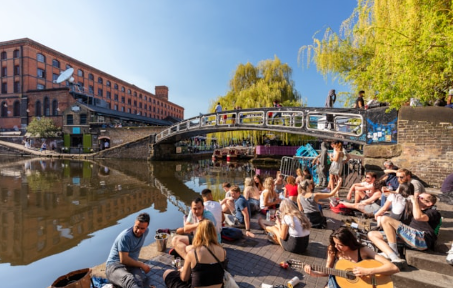
The city of London has erupted into a vibrant epicentre of culture, music, sport, and celebration as it experiences its most dynamic and tourist-heavy summer since before the global pandemic. Visitors from across the globe have poured into the capital over the past few weeks, creating a buzz that has reinvigorated the city’s streets, boosted its economy, and reminded the world of London’s enduring magnetic charm. With landmark events such as the Taylor Swift Eras Tour, the build-up to Notting Hill Carnival, and a packed schedule of Premier League pre-season matches, London has once again positioned itself as a leading global destination at the height of the summer season.
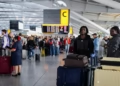
According to official figures released by VisitBritain and corroborated by aviation data from Heathrow and Gatwick, the volume of inbound travellers to the UK capital has reached near-record levels, with July visitor numbers expected to surpass four million by the end of the month. Both airports have reported near-capacity operations, with Heathrow handling more than 270,000 passengers daily during the third week of July alone. Hotel bookings in central London are exceeding 90 percent occupancy, and hospitality providers, local tour operators, and cultural venues are witnessing a surge in demand not seen in over half a decade.
 A significant driver of this resurgence is the arrival of the global pop phenomenon Taylor Swift, whose Eras Tour has taken London by storm. Multiple sold-out performances at Wembley Stadium have drawn hundreds of thousands of fans, many of whom travelled internationally, contributing to a tourism spend that industry insiders estimate to be in the hundreds of millions. Restaurants, retail outlets, and public transport systems in the vicinity of concert venues have been operating at full capacity, with Transport for London confirming elevated usage levels on the Jubilee and Bakerloo lines during event days.
Parallel to this musical spectacle, the vibrant multicultural heart of west London is preparing for the return of the Notting Hill Carnival — a celebration of Caribbean heritage and one of the largest street festivals in the world. Organisers report that preparation is in its final stages, with floats, sound systems, and community groups rehearsing and decorating in anticipation of what is expected to be the most attended carnival since 2019. The economic ripple effect of the carnival stretches far beyond Portobello Road, stimulating trade for food vendors, costume makers, independent businesses, and tourism-linked enterprises across the capital.
Meanwhile, football fans have added another layer to the city’s energy. Premier League clubs such as Chelsea, Arsenal, Tottenham, and West Ham have hosted international friendlies and fan events, drawing supporters not only from around the UK but from across Europe, Asia, and North America. Stadium tours, fan zones, merchandise outlets, and sports bars are brimming with activity, as excitement builds ahead of the 2025/26 football season. The Premier League’s global appeal continues to act as a powerful tourist magnet, with football tourism now forming a substantial component of London’s visitor economy.
Arts institutions, museums, and historical sites have also benefited from this cultural crescendo. The British Museum, Tate Modern, and Buckingham Palace have all reported exceptionally high attendance figures, while theatreland in the West End is enjoying renewed popularity with sell-out shows and standing ovations becoming nightly norms once again. London’s culinary scene, long a draw for international palates, has flourished amid the influx, with Michelin-starred restaurants and street food markets alike serving a global audience.
While the tourism boom has delivered much-needed revenue and revitalisation following years of pandemic-induced uncertainty, it has not been without strain. Transport systems are facing congestion, and local residents in high-footfall areas have expressed concerns about crowding, noise, and litter. However, city officials and event organisers have largely succeeded in managing logistics and ensuring that public services are operating smoothly. Enhanced police presence, volunteer support groups, and multilingual visitor services have helped maintain order and accessibility for the millions of guests.

This summer’s resurgence is a testament not only to London’s cultural wealth and international appeal but also to its resilience. After years of global disconnection and domestic turbulence, the city’s streets, parks, venues, and markets are alive with colour, sound, and celebration. As London welcomes the world with open arms and a packed calendar, it sends a clear message: the capital is back, open for all, and once again leading the way as one of the world’s most electrifying destinations.
For those who walk its historic avenues this summer, London is not simply a city — it is an experience.
Related News:
 UK Economy Defies Expectations with Stronger-than-Predicted Growth in Second Quarter
 How to Exit Your Broadband Contract Without Paying Exit Fees
 Man Remanded After Children Fall Ill at Leicestershire Summer Camp in Shocking Child Cruelty Case
 Unseen Killers of the Deep Inside the UK Lab Uncovering the Silent Deaths of Sea Creatures
 Diane lost her husband to a reckless driver — and the long wait for justice was nearly just as agonizing.
 Mass Arrests in London as Protest Defies Ban on Palestine Action
 UK Government Expands ‘Deport Now, Appeal Later’ Policy to 23 Countries
 Cats Develop Dementia Similarly to Humans, Study Finds
 UK Heatwave Continues with Temperatures Soaring, Thunderstorms Forecast Across the Country
 Manchester Airport Faces Delays After EasyJet Planes’ Wings ‘Clip’ on Runway
 Access to Iconic Cornish Beach Cut Off by National Trust Amid Safety Concerns
 Where Is Prince William and Kate Middleton’s New House? Inside the Historic Lodge Set to Become Their ‘Forever Home’
 Larger Families Could Gain Thousands if Labour Ends Two-Child Benefit Cap
 Drunken Passenger Sexually Assaults Woman on Jet2 Flight from Manchester to Tenerife
 Palestine Action Ban Protesters Plan Tactic to Overwhelm Police at Next London Demonstration
 High Court Rules Against Noel Clarke in Libel Case Against Guardian Publisher
 Desperate Plea to ‘End This Tide of Misery’ as Children Struggle in the English Channel
 Grimsby Stun Manchester United in Dramatic Penalty Shootout
 Rachel Reeves’s Budget Advisor Proposes Sweeping Tax Hikes: What Could Hit Households Next
 Why E-Bikes and E-Scooters Are Making Streets a ‘Nightmare’ for Blind People
 Retail Sales See Uptick Amid Errors and Delays as ONS Faces Scrutiny
 Millions in the UK at Higher Risk of Heart Failure and Stroke Due to Air Pollution, Study Warns
 UK Launches Major Crackdown on Networks Profiting from Online Child Sexual Abuse
 UK Rejoining EU ‘Unlikely in My Lifetime,’ Says Starmer’s Europe Reset Negotiator
 Prime Suspect in Madeleine McCann Case Declines Metropolitan Police Interview Ahead of German Prison Release
 ‘Unite the Kingdom’ Rally Sparks Fears of Far-Right Normalisation Among Minority Britons
 Growing Crisis in UK Schools: One in Three Parents Seek Special Needs Assessments
 Thousands Gather in London to Protest Donald Trump’s Second UK State Visit
 Zarah Sultana Seeks Legal Action After Bitter Clash with Jeremy Corbyn Over Party Membership Funds
 Watchdog, Cornflakes and Courage: Remembering John Stapleton, a Broadcaster Who Did It All
 Top Andy Burnham Ally Launches Fierce Critique of Starmer Ahead of Labour Conference
 Mahmood Pledges Reform of Modern Slavery Laws After Court Blocks Deportation Appeal
 UK Government Backs Return of International Rail Travel to Kent Stations
 Arsenal VS Newcastle Hearts with Dramatic Late Turnaround at St James’ Park
 Ed Miliband Urges Labour to Confront Billionaire-Backed Opposition to Net Zero Goals
 A Third of EU Citizens in UK Report Discrimination by Public Bodies Post-Brexit
 Wetherspoon vows to keep prices low amid soaring energy and tax costs
 Teacher Permanently Banned After Slapping Pupil Over Classroom Incident
 Jilly Cooper: The Bonkbuster Queen Who Redefined Romantic Fiction
 Digital ID Plans Ignite Debate Over £600m Treasury Tax Boost and Privacy Concerns
 Millions in the UK at Risk of Cyber-Attacks as Microsoft Ends Windows 10 Updates, Warns Which?
 Public Trust in SNP Hits Historic Low Amid NHS Concerns
 Yvette Cooper Backs Digital ID Plan for UK Teens
 Strictly Celebs Starstruck as Cynthia Erivo Shines
 Ian Watkins Killed in Prison; Ex-Girlfriend Speaks Out
 Johnson Suggests Mandelson Linked to China Spy Controversy
 Ministry of Justice fails to file £11bn in spending receipts
 Rachel Reeves signals welfare reform ahead of key budget
 Pizza Hut to shut 68 sites after collapsing into administration
 Reform UK candidate fined £19,000 after using AI-generated cases to challenge election
 Harry and Meghan join global AI leaders urging superintelligence ban
 One in 12 Secondary Pupils Sent to Isolation Weekly
 William Steps Up Over Prince Andrew Palace Response
 Manchester United triumph as Mbeumo brace seals thrilling win
 Hospice Cuts Raise Alarm Across England Amid Funding Crisis
 UK Woman Loses Child Benefit After Booking Flight She Never Took
 Green Party Surges Past Labour in Latest UK Poll
 Zarah Sultana Launches Party to Change Politics
 Mass Stabbing on Doncaster to London Train Leaves Ten Injured
 Children to Learn Local History in Major Curriculum Overhaul
 Granit Xhaka Rescue Earns Everton Draw at Sunderland
 Prince William Plants Trees with Brazil’s Nature Heroes
 Just Stop Oil Protesters Convicted Amid Climate Defence Row
 King Charles to Lead Nation in Remembrance Sunday Service
 How to get help when a child goes missing – call 999 urgently
 Starmer Faces Growing Dissent as Labour MPs Weigh Leadership Challenge
 Son Reveals UK Couple in Iran Resort to Hunger Strike for Help
 Valve Opens the Door for Android Games on Steam
 Peers Flood Assisted Dying Bill with 942 Amendments
 Former Lion Heskey Warns of Shortage of England Strikers
 Mother Watches in Horror as Teen Daughter Dies on Tracks
 ‘Traumatic Wait’: Northern Ireland Women Face Breast Cancer Delays
 Serial Rapist and Former Cop Found Guilty Again
 Most Tories Expect to Support a Farage-Led Government
 Bill Murray Terrified Wes Anderson but Became His Closest Collaborator
 Karen Carney Stuns on Blackpool Week, Deserves Strictly Final
 Fibromyalgia Patients Struggle as NHS Fails to Provide Care
 Virgin Media Fined £23.8m Over Telecare Safety Failures
 Christmas Code-Crackers: GCHQ Unveils Annual Festive Puzzle Card
 Online Child Sexual Abuse Soars 26% as Police Demand Tech Action