Published: 11 January 2026 | The English Chronicle Desk | The English Chronicle Online
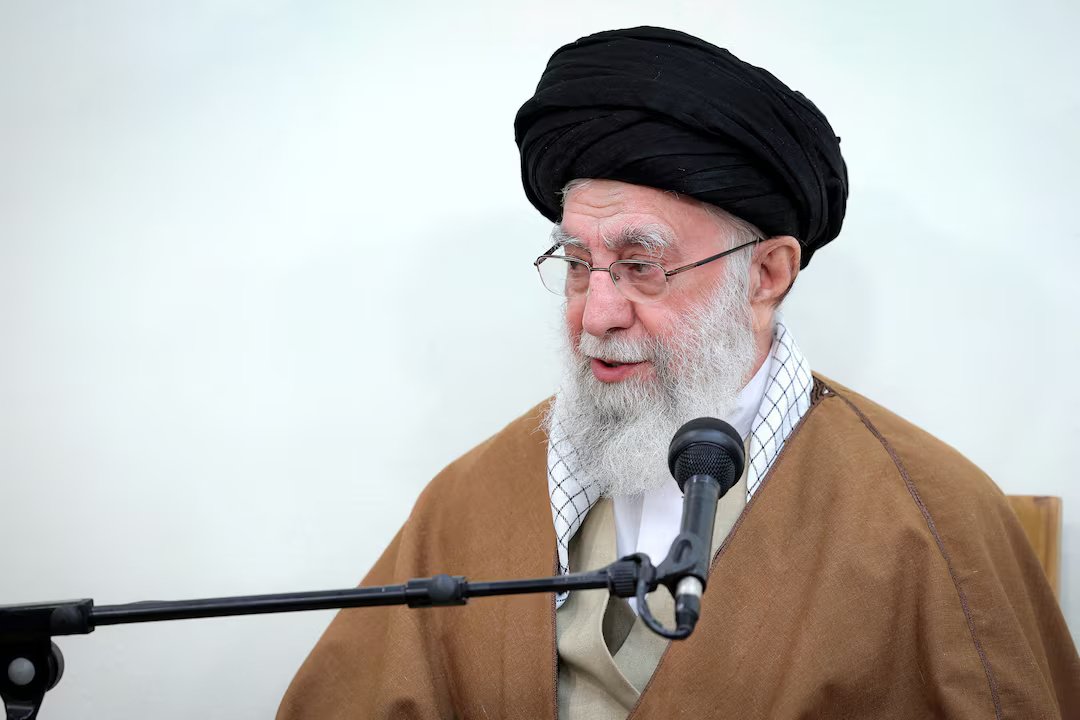
Iran’s Supreme Leader, Ayatollah Ali Khamenei, has branded anti-government protesters as “troublemakers” attempting to please US President Donald Trump, as unrest across the country enters its 13th day. The demonstrations, sparked by economic hardship, have grown into the largest in years, with calls for the end of the Islamic Republic and, in some quarters, the restoration of the monarchy. Human rights groups report at least 48 protesters and 14 security personnel have died, while more than 2,200 people have been arrested.
Khamenei’s televised address on Friday warned that the Islamic Republic, which came to power through the “blood of several hundred thousand honourable people,” would not yield to those seeking to destabilise the nation. He doubled down later in the day, promising that Iran “will not shirk from dealing with destructive elements,” echoing statements from the Supreme National Security Council calling for “no leniency” against protesters.

The unrest has prompted international responses. The Iranian UN ambassador blamed the US for inciting “violent subversive acts and widespread vandalism.” In contrast, Trump stated the US was closely monitoring the situation and that Iran was “in big trouble,” without indicating any deployment of troops. Reza Pahlavi, son of Iran’s last shah, urged Trump to be prepared to intervene to support the demonstrators.
Protests have been recorded across the country, with verified footage from 67 locations showing citizens chanting slogans such as “death to the dictator” and engaging in acts of civil disobedience. Video evidence shows fires set at public buildings in Isfahan, overturned cars in Tehran, and large crowds gathering after weekly prayers in Zahedan.

Iran has imposed a near-total internet blackout, severely limiting communications, online payments, and access to information. Human rights groups warn that the shutdown increases the risk of intensified violence and potential mass casualties. Observers say residents are stockpiling supplies amid uncertainty, while relatives outside Iran struggle to confirm the safety of family members.
International leaders have expressed concern. The UK, Germany, and France condemned the killings and stressed that authorities must protect citizens’ rights to peaceful assembly. The UN also highlighted governments’ responsibility to uphold the right to protest safely.
The protests follow previous unrest, including the 2022 demonstrations after the death of Mahsa Amini in custody, when over 550 people were killed and 20,000 detained. Current demonstrations reflect growing anger over inflation, currency collapse, and broader socio-political grievances, presenting one of the most significant challenges to Iran’s leadership in years.
Related News:
 Thousands Protest ICE in New York Against Trump Deportation Campaign
 Judge halts deportation of Yemeni refugees in US
 Activists allege abuse after Gaza flotilla seizure
 Afghan Families Left in Limbo Face Risk of Deportation
 Trump Announces 3-Day Russia–Ukraine Ceasefire Deal
 Former ICC prosecutor condemns US sanctions
 Ukraine Creates Long-Range Strike Command
 Dreyfus Statue Finally Gets Permanent Paris Home
 Taliban global ties grow as rights fears mount
 Israeli Strike in Southern Lebanon Kills Seven
 Five Years of Taliban Rule Leave Afghanistan in Crisis
 BBC to Apologise Over Edited Trump Speech Amid Backlash
 Britain deploys RAF specialists to assist Belgium with drone threats
 US Justice Department Files Lawsuit Against California Over Partisan Voting Maps
 Greene Pushes Epstein Files Amid Trump Fallout
 Trump Deploys DHS to Charlotte in Major Arrest Operation
 December Run-Off in Chile as Election Produces No Winner
 Canada Passes Carney’s First Budget in Tight Parliamentary Vote
 Shadow Fleet at Sea: Europe’s Battle Against Illicit Oil Shipping
 Pentagon Officials in Ukraine to Discuss War End
 Venezuela Threatens Nobel Winner Machado with Fugitive Status
 Georgians Defy Government Crackdown After Year of Protests
 EU plans $105bn Ukraine aid using frozen Russian assets
 Global campaign launched to free Palestinian leader Barghouti
 Trump Policies Boost China’s Global Rise, Survey Finds
 Iran unrest slows under brutal crackdown and global tensions
 Thousands Protest ICE Operations in Nationwide US Day of Action
 Epstein Files Reveal Trump Officials’ Emails with Financier
 Starmer Condemns ‘Depraved’ Russian Strikes on Ukraine
 Herzog visit sparks protests across Australian cities
 Sydney Protest Escalates and Elderly Woman Suffers Severe Injury
 Tarique Rahman’s Rise Toward Bangladesh’s Top Job
 Glass Cliff Debate After Ley’s Ouster
 AFP Reviews Pauline Hanson Comments
 Duterte ICC Hearing Begins Amid Defiance
 Trump Tariffs Threat Spark UK and EU Alarm
 Australian Women in Syrian Camp Offer Separation Deal
 Difficult Grace Tame Label Ignites Fury and Debate Down Under
 The Dangerous Rise of Remigration Across Modern Europe
 Trump’s Marathon Speech Fails to Mask a Growing National Disconnect
 US to offer passport services in West Bank settlements
 Health Funding Row Rocks US‑Africa Relations
 New UK-EU Reset Faces Criticism from Parliament
 Cuba charges six exiles for terrorism after speedboat raid
 Mojtaba Khamenei Chosen as Iran’s New Supreme Leader
 Iran Defiance Grows Amid US-Israel War Pressure
 US Strikes on Iran Set for Most Intense Day Yet
 Iran Nuclear Stockpile Sparks US Special Forces Debate
 China’s Ethnic Unity Law Set to Reshape Minority Schools
 Moscow Internet Blackouts Raise Censorship Fears
 Republicans Rebuke FCC Threat Over Iran War Coverage
 Oil Prices Surge as IEA Weighs Emergency Release
 Danish Election Deadlock Shakes Frederiksen’s Grip
 Trump to Visit China in May After Iran War Delay
 Pope Rebukes Leaders for War as Middle East Tensions Rise
 Trump to Deploy “God Squad” Over Gulf Wildlife Protections
 Army Probes Apache Flyover at Kid Rock’s Nashville Estate
 A Global Voice For Justice: Stephen Lewis Dies At Age 88
 Italian Town Buys Mussolini Villa to Keep Away Fascist Fans
 Report Says Pezzullo Acted ‘Recklessly’ in Dealings
 Trump Employs Nixon’s Madman Theory Amid Iran Crisis
 Trump Voices Frustration Over Nato Role in Iran Conflict
 Hungary election: Orbán faces biggest test amid scandal
 Suspected Plot Targets Pipeline Before Hungary Vote
 Capitalism ‘Suicidal’, Warns Petro at Climate Summit
 Trump approval plunges amid Iran war fears
 Ohio’s Battle for Trust: Democrats Vying to Flip the Buckeye State
 US ‘Narco Boat’ Strikes Draw Global Outcry
 US Awaits Iran Reply on New Ceasefire Proposal
 Immigration Judges Fear Pressure in Trump Era
 US green card applicants must apply from abroad, DHS says
 Discontent grows around Putin amid war strain
 Starmer Leadership Under Pressure After Setbacks
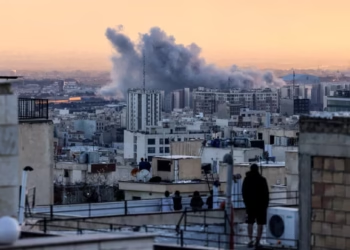 House Curbs Trump’s War Powers in Rare Rebellion
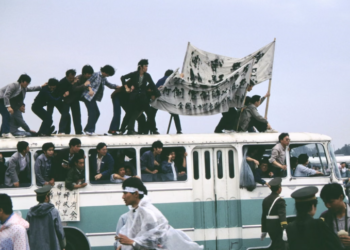 Preserving the Fragile Memories of Tiananmen Square
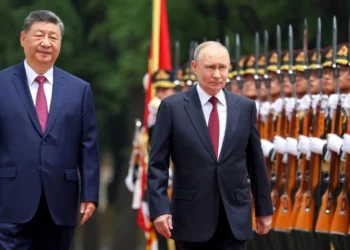 Germany Summons Chinese Envoy Over Russian Troop Training
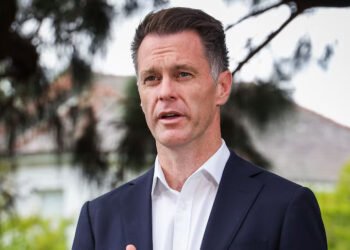 New South Wales Premier Chris Minns Signals Tough Road Ahead for Labor
 Le Pen to Run for President Despite Embezzlement Conviction
 Le Pen’s Popularity Holds Despite Conviction
 Houthis Strike Saudi Arabia as Middle East Tensions Rise