Published: 12 January 2026. The English Chronicle Desk. The English Chronicle Online.
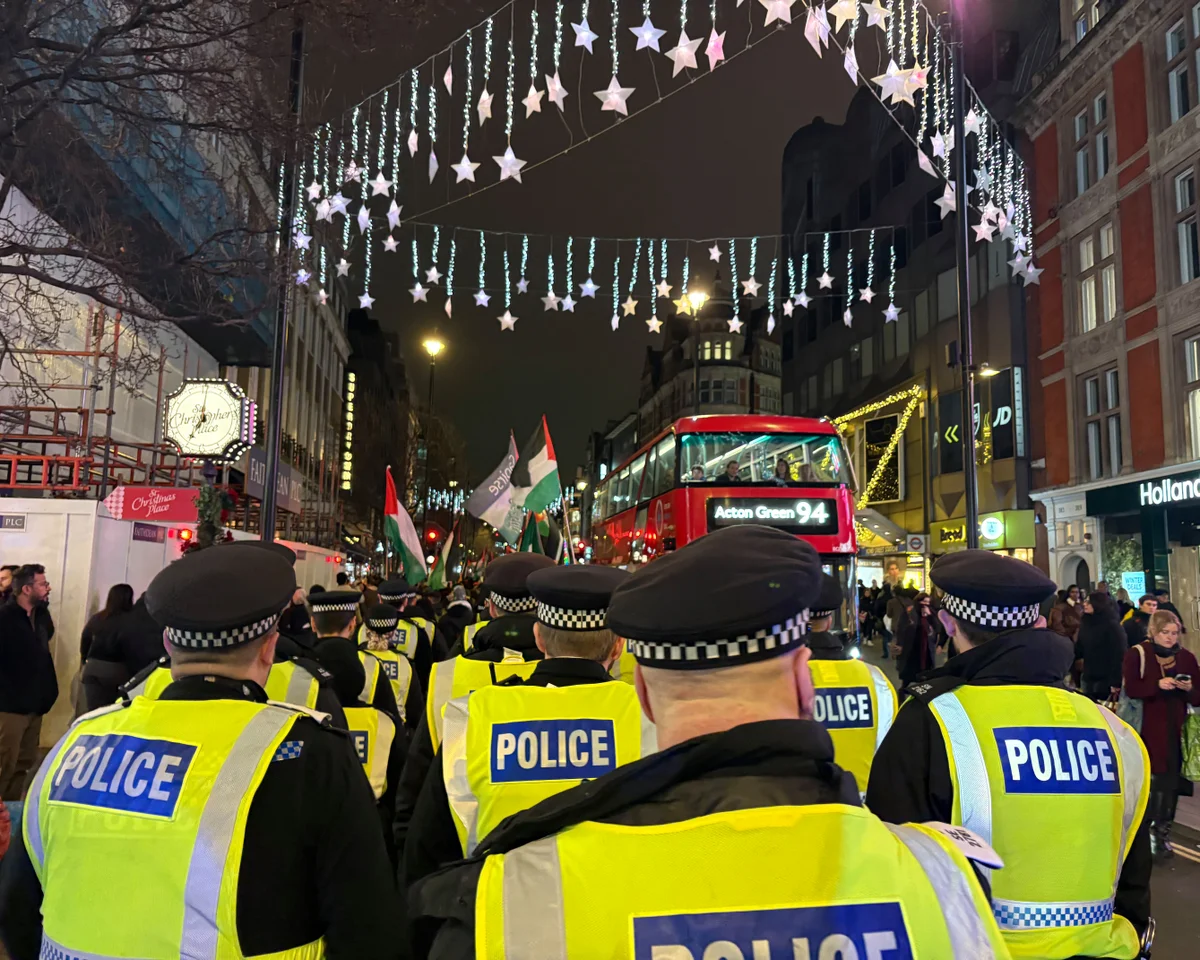
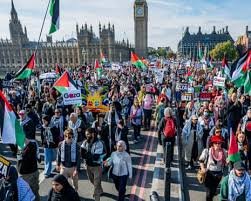
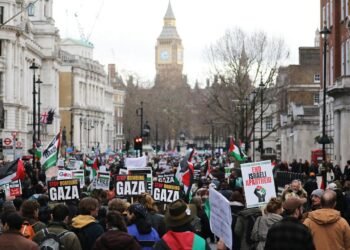
Civil society groups have strongly condemned the government’s plans to introduce anti-protest powers, warning that these proposals threaten the democratic right to assemble and express dissent. More than 40 organisations, including the TUC, Amnesty International UK, Greenpeace, Liberty, and the Palestine Solidarity Campaign, have united to challenge amendments in the crime and policing bill, which would require police to consider the cumulative impact of repeated protests when imposing restrictions. Campaigners argue that this measure represents a dangerous expansion of police authority.
In their joint statement, the groups emphasised that the bill’s wording leaves the definition of “area” vague, meaning police could impose conditions on protests without regard for whether demonstrations share the same purpose or involve the same participants. The organisations warned that the new powers could inadvertently block unrelated marches, potentially restricting anti-racist, climate, or LGBTQ+ protests because of previous demonstrations in the same location. They described these proposals as a draconian attempt to curb freedoms traditionally protected in the UK.

The government has defended the proposal, arguing that repeated large-scale demonstrations, particularly regarding Gaza, have caused concern for local communities, including Jewish residents, following a deadly attack on a Manchester synagogue. Home Secretary Shabana Mahmood stated that the changes aim to reduce repeated disruptions while still allowing peaceful protest. However, critics insist that the government’s focus on policing rather than addressing the issues behind protests risks undermining public trust and democratic accountability.
Ben Jamal, director of the Palestine Solidarity Campaign, condemned the move, arguing that successive governments have consistently responded to public demonstrations with repression instead of engaging with the underlying concerns. He highlighted that protests, especially those supported by widespread public opinion, remain a critical channel for expressing political and social dissent. Jamal insisted that undermining the right to protest could set a dangerous precedent for civil liberties in the UK.
The joint statement, also signed by faith organisations, climate justice groups, trade unions, charities, and NGOs, stressed the historical significance of sustained activism. Campaigns such as the suffragette movement, the civil rights movement, and the anti-apartheid struggle relied on repeated, cumulative demonstrations to achieve change. Liberty’s policy and campaigns officer, Lyle Barker, stated that introducing new anti-protest powers before reviewing existing legislation risks eroding essential human rights protections.
Paul Nowak, general secretary of the TUC, echoed these concerns, noting that restrictions on protest are particularly alarming given the rising influence of far-right movements in the UK and globally. He emphasised that defending democratic norms and basic human rights requires vigilance, especially when legislative proposals threaten long-established freedoms.
Civil society groups have urged the government to abandon the proposed measures entirely, warning that the changes could undermine the UK’s reputation for democratic accountability. They highlighted that limiting the right to protest risks silencing communities advocating for social justice, climate action, and international human rights, including movements expressing solidarity with Palestine. The groups emphasised that any attempt to curtail these rights could face widespread opposition and legal challenges.
The Home Office responded by reiterating that peaceful demonstrations remain protected under UK law and that the proposed powers aim only to prevent repeated disruption, not to suppress lawful protest. Officials stated that communities deserve protection from repeated disturbances while maintaining the fundamental democratic right to demonstrate. Critics, however, argue that such reassurances fail to address the broader consequences of expanding police authority and restricting political expression.

Observers warn that if passed, the anti-protest powers could create a chilling effect on activism across the country, limiting the ability of civil society groups to hold the government accountable. The debate highlights a fundamental tension between maintaining public order and protecting democratic freedoms. Campaigners insist that any legislative changes must be carefully scrutinised to ensure that they do not erode civil liberties or undermine the UK’s democratic tradition.
The discussion over anti-protest powers also intersects with wider questions about the government’s approach to public dissent and its responsibilities under international human rights standards. Legal experts note that excessive restrictions on demonstrations could conflict with the UK’s commitments to international conventions protecting freedom of expression and assembly. Civil society groups argue that these measures could disproportionately impact grassroots movements and marginalised communities advocating for justice and equality.
As scrutiny continues, campaigners are calling on Parliament to prioritise democratic principles and reject measures that could curtail protest rights. The coalition of organisations emphasises that meaningful change historically emerges through repeated, sustained activism, and any attempt to limit this process undermines fundamental democratic engagement. The issue is expected to remain a point of contention in political debates, public discourse, and legal analyses in the coming months.
Related News:
 Mansfield condemns refusal to meet hunger strikers
 Grief, Fear and Fury: Mothers Unite to End Israeli-Palestinian Violence
 Protest Rights Under Threat Across England and Wales
 Gambia Supreme Court Hears Case to Overturn FGM Ban
 Iran Leader Blames Protesters, Says They Serve Trump
 Iran Death Toll Crisis Exposed: Bodies, Mass Graves, and Concealment
 Calls Grow for King Charles to Apologise for Crown’s Role in Slavery
 Files Link Andrew to Epstein Dinner After Prison Release
 Thousands Protest ICE in New York Against Trump Deportation Campaign
 Australian Women in Syrian Camp Offer Separation Deal
 Hero Rescuer Saves Baby from Icy Chicago Lake
 Brazilian Politician Brothers Sentenced for Marielle Murder
 Anthony Albanese Must Uphold Rights for All Australians
 Woman Executed in Somalia Sparks Debate on Justice System
 Uganda Crackdown: Two Women Arrested for Public Kissing
 UK Activism Faces New Threats From Growing Repression
 Tribunal Rules Burgertory Founder’s Chant Incited Hatred
 Hong Kong Bookstore Arrests Spark New Freedom Concerns
 Police Seek Immunity in Indigenous Custody Death Case
 Manila Transport Crisis: Fuel Costs Hit Breaking Point
 UN Warns Israeli Death Penalty Bill Could Be a War Crime
 UK Activist Leaders Convicted Over Protest Violations
 Spain Faces Backlash Over Xenophobic Chants in Egypt Draw
 A Global Voice For Justice: Stephen Lewis Dies At Age 88
 Artist Sues in Paris Over Israeli Strike Killing Parents
 Death, displacement and military duties: children plunged into crisis
 ICE Detains Soldier’s Bride Days After Louisiana Wedding
 Queensland Youth Justice Debate: The Data Behind the Law
 Gaza Child Arrives in UK for Life-Changing Care
 Brisbane Rideshare Driver Faces Serious Assault Charges
 Tragedy in the Channel as Four Lives Lost in Boat Sinking
 Asylum Seekers Bound in Restraints During Removal Flights
 Kyiv and Odesa Mourn After Deadly Wave of Russian Strikes
 France Urges Release of Elderly Widow Held by ICE
 Charity Sector Sounds Alarm Over Proposed Regulatory Powers
 Queensland Protests Challenge New Speech Laws
 Trump Weighs Sending Afghan Allies to the Congo
 Prominent Voices Challenge Palestine Action Ban
 Aid Crisis Grows as Hormuz War Disrupts Supply
 Police Suspect Help in Missing Alice Springs Girl Case
 Australian Activists Detained as Gaza Aid Flotilla Intercepted
 Standoff Over Syria: Australia Defies Trump Repatriation Plea
 Judge halts deportation of Yemeni refugees in US
 Activists allege abuse after Gaza flotilla seizure
 Asylum deal sparks fears over Syria deportations
 UK may ban protests amid rising antisemitism fears
 Alice Springs Murder Case: Justice Begins for Little Baby
 Afghan Families Left in Limbo Face Risk of Deportation
 Three Australian Women Detained Over Islamic State Links
 Australia Faces Rising Tide of Modern Antisemitism
 Security Failures and the Road to the Bondi Inquiry
 Immigration Judges Fear Pressure in Trump Era
 Mexico’s Missing: State Complicity in a Growing Crisis
 Human Rights Barrister Wins Appeal Over Contempt Charge
 Nobel Laureates Demand Release of Activist Narges Mohammadi
 London Prisoner Forced to Crawl Due to Lack of Care
 Plea for Mercy: The Battle to Bring Ahmed al-Doush Home
 Farage Faces Backlash Over Support for Preacher
 Court Upholds Landmark Win for Transgender Rights
 The Hidden Cost of Separation for Refugee Families
 Taliban Codifies Strict New Marriage and Divorce Legislation
 Israeli Strikes in Lebanon Kill 10 Amid Ceasefire Strain
 US green card applicants must apply from abroad, DHS says
 China mine blast death toll rises to 90
 Victim says non-custodial rape sentence ‘rock in my face’
 Former ICC prosecutor condemns US sanctions
 Preserving the Fragile Memories of Tiananmen Square
 Silenced Stitches: The Cost of Memory in Hong Kong
 Vision Lost Amid the Rubble of Modern Conflict
 Controversial London Property Show Sparks Legal Fury
 UK Watchdog Launches Major Privacy Inquiry Over NHS Bedroom Cameras
 US Supreme Court Rejects Trump Attack on Birthright Law
 UK Charity Funds Illegal Hebron Settlement Expansion
 Unflinching Witness: Doctors Document Gaza’s Medical Crisis
 Evidence of Abuse: New Photo Sparks Global Outrage
 Ukraine Creates Long-Range Strike Command
 Dreyfus Statue Finally Gets Permanent Paris Home
 Asylum Seekers Struggle as Hotel Closures Cause Chaos
 Florida Executes One of Its Oldest Death Row Prisoners
 Israeli Strike in Southern Lebanon Kills Seven