Published: 13 January 2026. The English Chronicle Desk. The English Chronicle Online.
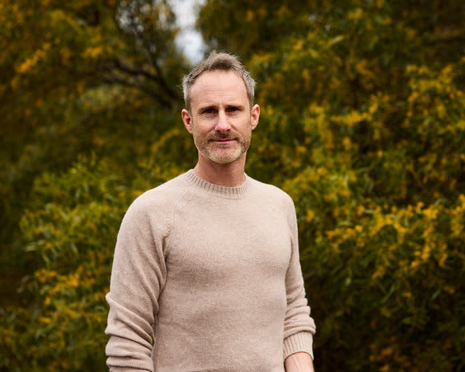
Australian author Craig Silvey has been charged with possessing and distributing child exploitation material. The focus keyword “Silvey charge” appears immediately in reports of his arrest, marking a serious legal development in Fremantle, Western Australia. Detectives executed a search warrant at Silvey’s home on Monday, 12 January, discovering evidence suggesting he was actively communicating with other offenders online. Authorities confirmed that Silvey, 43, was promptly arrested and his electronic devices were seized for further forensic examination.
Silvey appeared before Fremantle Magistrates Court on Tuesday, 13 January, facing charges of possession and distribution of child exploitation material. The court granted him bail, WA Today reported, while emphasising that the investigation remains active. Law enforcement officials urged members of the public to provide any relevant information to assist ongoing inquiries.
Known internationally for his novels Jasper Jones and Runt, Silvey has earned accolades including twice being named among the Sydney Morning Herald’s best young Australian novelists. His works, including the award-winning Honeybee, are widely incorporated into Australian school curricula and reading lists, making this case particularly high profile. Critics and educators alike have expressed shock at the allegations, given his longstanding reputation in the literary community.

WA police confirmed that the search revealed evidence of Silvey engaging with other offenders on multiple digital platforms. Investigators emphasised that child exploitation material was recovered from devices seized during the raid, intensifying the seriousness of the Silvey charge. Legal experts note that the possession and distribution of such material carry severe penalties under Australian law, reflecting broader efforts to combat online child exploitation nationwide.
Community reactions have ranged from disbelief to outrage, as Silvey has been a visible figure in Australian literature for over two decades. Authors, educators, and literary institutions have responded cautiously, reiterating the presumption of innocence while acknowledging the gravity of the Silvey charge. Media analysts suggest that the case will draw significant scrutiny, given Silvey’s previous prominence and his engagement with youth literature in educational settings.
Silvey’s career trajectory included early acclaim as a young adult author, with Jasper Jones adapted into a feature film and achieving both critical and commercial success. His storytelling often explored themes of adolescence, morality, and social challenges, and his books have been celebrated for their nuanced portrayals of youth experiences. The contrast between his public literary contributions and the Silvey charge now facing him has intensified media coverage and public interest.
Authorities have also highlighted the ongoing nature of the investigation, with WA police requesting that anyone with knowledge of related activities come forward. They stressed that online child exploitation remains a priority crime, with law enforcement agencies committed to tracking and prosecuting offenders. Investigators are continuing to analyse digital evidence, social media interactions, and online communications connected to Silvey’s devices.
While legal proceedings continue, Australian literary communities are beginning to evaluate the implications of these allegations. Publishers, festival organisers, and schools have expressed concern over potential associations, and some are reviewing Silvey’s participation in public literary events. Experts on media ethics note that the case underscores tensions between public perception, artistic achievement, and criminal accountability.
The court’s decision to grant bail does not diminish the seriousness of the charges. Legal commentators emphasise that possession and distribution of child exploitation material can result in lengthy custodial sentences and mandatory reporting obligations. Police have reiterated their appeal for community cooperation, stating that public tips can be critical in preventing further offences and assisting victims.
As investigations proceed, Silvey’s case has reignited conversations about safeguarding in education and literature, highlighting the responsibility of public figures who engage with young audiences. Educational authorities are considering guidance for schools regarding the inclusion of works by authors facing criminal investigations, balancing literary merit against potential reputational risks.

This development represents a stark reminder of the continuing challenges posed by online exploitation networks. Law enforcement agencies are increasingly focusing on digital monitoring, forensic analysis, and cross-agency collaboration to disrupt these networks. The Silvey charge illustrates the complexity of investigating high-profile offenders and the importance of public vigilance in reporting suspicious activities.
The Fremantle Magistrates Court is expected to hear further proceedings, with legal teams preparing for upcoming hearings. Analysts anticipate that the case will attract national attention due to Silvey’s literary prominence and previous engagement with young audiences. Meanwhile, authorities emphasise that the investigation’s integrity must be preserved, ensuring a thorough and impartial legal process.
The ongoing case also sheds light on broader social issues, including online safety, the protection of minors, and accountability for individuals with public influence. Educational institutions, literary organisations, and law enforcement agencies alike are carefully monitoring developments, recognising the potential implications for community trust and safeguarding policies.
As of this report, Craig Silvey remains on bail, with the investigation continuing. WA police continue to encourage anyone with relevant information to contact authorities promptly, reinforcing their commitment to tackling child exploitation. Public awareness, vigilance, and legal accountability remain critical as the case progresses through the judicial system.
Related News:
 Racist Attack on Imam Sparks Melbourne Police Action
 Peterborough Mosques Tighten Security After Attack
 Badenoch Warns Farage’s Grooming Gangs Plan Could Backfire
 Five More Prisoners Freed by Mistake in Essex Week
 Afghan man charged with murder after west London knife attack
 FBI Director Kash Patel Defends Girlfriend Amid Government Jet Claims
 Trump Speaks on Prince Andrew’s Royal Scandal Fallout
 Police Probe Four Knife Incidents Linked to Cambridgeshire Train Attack
 Experts Warn on Home Birth Risks, Call for Skilled Midwives
 French Taxi Driver Cleared in David Lammy Theft Case After Fare Dispute
 UK University Faces Counter-Terror Probe Over China Pressure
 UK Bans Fake Numbers: Scammers Lose Their Trick
 Just Stop Oil Protesters Convicted Amid Climate Defence Row
 Met Police Culture Makes Racial Harm ‘Inevitable’
 British Grandmother to Return Home After Death Sentence in Bali
 Jailed UK climate protesters face extremist-style restrictions
 Boris Johnson accused of undermining BBC leadership
 Remaining rebel Labour MPs have whip restored
 How to get help when a child goes missing – call 999 urgently
 ‘Reckless’ cuts to victims’ services will cost more than they save
 BBC’s Tim Davie to Address Staff Amid Trump $1bn Threat
 BBC Faces Backlash as Reform UK Withdraws from Film
 Madeleine McCann Suspect Forced into Woodland Hideout After Release
 Ukraine-Russia war latest: Putin’s troops exploit bad weather to force Kyiv withdrawal from multiple towns
 Leading doctors issue warning amid ‘bad’ flu season
 South Korea’s Jeju Island Faces Rising Tide of Illicit Drugs
 ‘Fever Pitch’ Screaming: Red Flags Before Sara Sharif’s Death
 Met Police Clarifies Scale of Grooming Gang Cases
 Oklahoma Governor Grants Last-Minute Clemency to Death Row Inmate
 US Pushes Global Effort to Stop Arms Flow to Sudan RSF Forces
 Rio Raid’s Death Toll Raises Questions About Gang Impact
 Israel Confirms Returned Hostage as Meny Godard
 Greene Pushes Epstein Files Amid Trump Fallout
 Delhi Car Bomb Arrest: Suspect Linked to Deadly Attack
 Jurors Visit Beach Where Queensland Murder Victim Found
 New Evidence Emerges in Haditha Family Killings
 Criminal Gangs Pose as Truckers to Hijack UK Supply Chains
 Mum Calls for New Licence Rules After Teen Road Death
 UK Candidate Moved to Safe House After Election Threats
 Paralegal Fired After Exposé on Illegal Worker Scam
 Mother Watches in Horror as Teen Daughter Dies on Tracks
 Agency Workers Vote to Join Picket Lines Amid Dispute
 Charlotte Raids: 130 Arrested in Major Immigration Sweep
 South African Detained After Neo-Nazi Rally in Australia
 Convicted Killer Challenges Vegemite Ban Behind Bars
 The Lasting Legacy of Seven: Crime, Morality, and Urban Decay
 Newport Man Left Injured After Electric Bike Collision
 Deadly Russian Strikes Hit Western Ukraine, 20 Killed in Ternopil
 Serial Rapist and Former Cop Found Guilty Again
 Man Charged Over Attempted Murder of Senior Officer
 Two Officers Injured After Van Deliberately Rams Patrol Car
 Man Denies Stealing Bronze Age Gold from Museum
 Ex-Harvard President Pauses Teaching Over Epstein Emails
 Ex-Olympian Snowboarder Now Drug Kingpin Charged with Murder
 Trump Signs Bill Releasing Justice Department Files on Epstein
 WhatsApp Messages Expose Nathan Gill’s Bribery
 Venezuela Threatens Nobel Winner Machado with Fugitive Status
 Police Name Woman Who Died in Swindon as Murder Probe Continues
 Inside the Helpline Protecting Missing Children in the UK
 Most Tories Expect to Support a Farage-Led Government
 Swindon Counsellor Dies; Teen Arrested and Released
 Carer’s Allowance Chaos Draws Parallels With Post Office Scandal
 DWP to Reassess Hundreds of Thousands in Carer Allowance Scandal
 Runaway Driver Caught by DNA Evidence
 Trump Envoy to Discuss Ukraine Peace at Kremlin
 Twenty-Four Nigerian Schoolgirls Freed After Abduction
 Sudanese Family Vows to Stay After Racist Graffiti
 Two National Guard Soldiers Critically Injured Near White House
 Southern Lebanon reels as Israeli strikes shatter communities
 Video shows Israeli troops kill Palestinians after surrender
 Jordan Bardella: France’s Young Presidential Contender
 Rare shark attack kills woman, injures man at remote NSW beach
 Russell Brand Faces New Sexual Offence Charges Including Rape
 American Mother Extradited From UK to U.S. on Murder Charges
 Teen Misidentified in Yorkshire Crash Sparks Family’s Ordeal
 UK Targets in New York Bomb Threat Hoax: Man Jailed
 Portland Shooting: Federal Agents Open Fire Near Hospital
 Adelaide Festival Sparks Widespread Controversy Among Writers
 PM pushes urgent hate speech and gun laws after Bondi terror attack
 Hanson and Joyce Use Rinehart Jet to Tour Flooded Queensland