Published: 16 January 2026. The English Chronicle Desk. The English Chronicle Online.
In a remarkable political gesture, María Corina Machado presented her Nobel medal to Donald Trump during a private meeting at the White House. Machado Nobel recognition was cited within the first hundred words, highlighting her extraordinary opposition work in Venezuela against Nicolás Maduro. This surprising act occurred nearly two weeks after US forces captured Maduro, leaving Machado’s movement unexpectedly sidelined in its quest for leadership recognition. Machado told reporters she intended her medal to symbolise appreciation for Trump’s actions, framing it as a personal gift reflecting the shared aspirations of freedom between Venezuela and the United States.
The Venezuelan opposition leader, who won last year’s Nobel peace prize for her resolute stance against Maduro’s authoritarian government, explained that this gesture honoured Trump’s decisive actions on behalf of Venezuelan citizens. Speaking outside the White House, she described the moment as historic, comparing her presentation to the symbolic gifts exchanged between Marquis de Lafayette and Simón Bolívar in the 19th century. Machado Nobel emphasis underscores her hope to strengthen ties between the countries through political symbolism, even as the official Nobel organisers reiterated that the title of laureate cannot be transferred.

Photographs from the White House showed Trump holding Machado’s gold medal, framed with a note reading: “Presented as a personal symbol of gratitude on behalf of the Venezuelan people in recognition of President Trump’s principled and decisive action to secure a free Venezuela.” Hours later, Trump posted on Truth Social that the presentation represented a “wonderful gesture of mutual respect,” amplifying the media attention surrounding the symbolic exchange. Analysts suggest the unusual move reflects Machado’s effort to regain political visibility after her faction was overshadowed by the elevation of Maduro’s vice-president, Delcy Rodríguez, to acting leadership in Caracas.
Earlier, hopes had circulated among opposition supporters that Trump would recognise Machado as Venezuela’s new leader following Maduro’s removal. Instead, he backed Rodríguez, leaving Machado’s plans for influence in the country uncertain. Despite this, Machado Nobel recognition provided her with a platform to communicate her political ideals to both the US administration and her supporters. She explained to reporters that presenting the medal was intended to signal unity and brotherhood in the fight against tyranny, reiterating the historical significance of symbolic awards in fostering international solidarity.
The White House maintained that Trump’s decision regarding leadership support in Venezuela was based on practical assessments of stability and security. Press secretary Karoline Leavitt emphasised that the president’s position had not changed, noting that evaluations were grounded in intelligence reports and consultations with national security advisors. Machado Nobel symbolism was thus limited to personal recognition, rather than altering US policy toward Venezuela’s interim government.
Historical precedents exist for Nobel laureates divesting themselves of awards, but none appear as politically motivated as Machado’s act. Ernest Hemingway, for example, entrusted his 1954 literature medal to a Cuban church, while Dmitry Muratov auctioned his in 2022 to aid Ukrainian children. Machado Nobel presentation stands apart because it explicitly tied a symbolic gesture to a specific political objective, illustrating the merging of international recognition and strategic messaging in modern geopolitics.
Trump’s handling of Maduro’s removal further complicated opposition expectations. While he praised Machado as “a very nice woman,” he asserted she lacked the necessary support to govern effectively. Conversely, he publicly endorsed Rodríguez, describing her willingness to implement US-backed policies as vital to Venezuelan reconstruction. Machado Nobel presentation thus became a tool to assert her continued relevance, despite her limited influence in the immediate post-Maduro landscape.
Leavitt added that the US administration remains committed to long-term elections in Venezuela but emphasised the need to stabilise the country first. She noted ongoing communication between US officials and members of the interim government, who reportedly met Washington’s demands, including the recent release of five US citizens from Venezuelan detention. Machado Nobel symbolism, while not influencing governance directly, serves to maintain international attention on her movement and its objectives.
Rodríguez addressed the national assembly, condemning the US intervention and criticising Trump’s actions as crossing a “red line” in bilateral relations. She declared readiness to travel to Washington for diplomatic discussions, asserting Venezuela’s right to maintain relations with multiple global powers, including the US. Machado Nobel gesture, though symbolic, contrasts with Rodríguez’s pragmatic approach to diplomacy, demonstrating the differing strategies within Venezuelan politics following Maduro’s ousting.
The public reaction has been mixed. Supporters praised Machado’s courage, noting that the Nobel medal symbolises her commitment to democratic principles. Critics, however, questioned the political utility of giving the award to Trump, suggesting it may do little to advance her leadership ambitions. Machado Nobel emphasis reflects the ongoing tension between personal symbolism and tangible political influence in high-stakes international environments.

As Venezuela navigates post-Maduro challenges, Machado’s act underscores how symbolic gestures can intersect with realpolitik, attracting global attention while shaping narratives about legitimacy, leadership, and international alliances. Political analysts anticipate that Machado Nobel presentation may influence public perception abroad, even as domestic leadership dynamics continue to favour the interim administration headed by Rodríguez. The event demonstrates the power of symbolic acts in international relations, highlighting how personal awards can become tools for strategic communication and diplomatic signalling.
Observers also note that Machado’s bold move exemplifies the growing use of high-profile recognitions in political theatre. By presenting the Nobel medal to a US president, she leveraged her international standing to make a statement about values, freedom, and US-Venezuelan collaboration. Machado Nobel strategy reflects a sophisticated understanding of media, symbolism, and political messaging, illustrating the enduring importance of personal narrative in shaping international discourse.
In conclusion, while the Nobel medal remains officially Machado’s, its presentation to Trump has captured global attention, demonstrating how symbolic gestures intersect with geopolitical developments. Machado Nobel act underscores her ongoing influence in Venezuelan opposition politics, even as the country adjusts to leadership transitions following Maduro’s capture. Observers will continue to watch how such symbolic strategies affect both domestic power dynamics and international perceptions of Venezuelan governance.
Related News:
 Thousands Protest ICE Operations in Nationwide US Day of Action
 Epstein Files Reveal Trump Officials’ Emails with Financier
 Thousands Protest ICE in New York Against Trump Deportation Campaign
 Trump orders US troop pullout from Germany
 Indiana Republicans Defy Trump in Key Vote Test
 Tensions Emerge in Netanyahu-Trump Alliance
 Former ICC prosecutor condemns US sanctions
 Houthis Strike Saudi Arabia as Middle East Tensions Rise
 Putin Intensifies Territorial Demands Before US Talks
 Trump to Recheck Green Cards from 19 Nations After DC Attack
 Shock US Raid: Maduro Pleads Not Guilty in Manhattan Court
 Trump Escalates Minnesota Immigration Surge Amid Rising Tensions
 Greenland Faces Pivotal Summit Over Arctic Power Struggle
 Trump Threatens Strong Action If Iran Executes Protesters
 Machado Trump medal gesture reshapes Venezuela power struggle
 Iran unrest slows under brutal crackdown and global tensions
 US Considers Asylum for British Jews Amid Rising Antisemitism
 EU Says US Ties Have Suffered ‘Big Blow’ After Greenland Crisis
 Russia Strikes Kyiv and Kharkiv as Peace Talks Enter Day Two
 Trump Praises ‘Terrific’ Petro After White House Talks
 Clinton Testimony Erupts in Fiery Exchange
 Trump Faces Questions Over Iran Conflict Plan
 UK Prepares Aircraft Carrier for Middle East Crisis
 Pete Hegseth Iran War Remarks Spark Alarm
 Yvette Cooper: UK Must Follow Principles, Not US Pressure
 Trump’s Harsh Rhetoric on Iran Sparks Global Alarm
 Michigan Battleground: Middle East Crisis Stirs US Senate Race
 Trump Signals Hope for New Iran Talks as Ceasefire Fades
 Trump Faces Crisis as Iran Reopens Hormuz Tensions
 GOP Senator Criticizes Trump’s Feud With Pope Leo XIV
 Charles Faces Trump Test in High-Stakes US Visit
 UK Stands Firm on Falklands Amid US Rift
 Investigation Into Anti-Trump Motives After Gala Shooting
 US Calls Australia Media Law “Foreign Extortion”
 USS Gerald R Ford Ends Record Naval Deployment
 Oil Prices Surge Above $120 Amid Iran Blockade Fears
 US Court Ruling Reshapes Voting Rights Landscape
 US states redraw maps after voting rights ruling
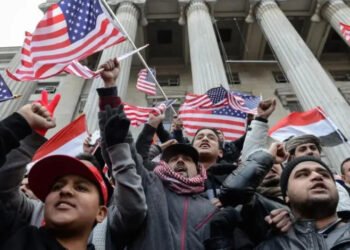 Judge halts deportation of Yemeni refugees in US
 Activists allege abuse after Gaza flotilla seizure
 Trump likens US Navy actions to ‘pirates’
 Global order shifts amid Trump-era turmoil
 Trump approval plunges amid Iran war fears
 Giuliani hospitalised in critical condition
 Ohio’s Battle for Trust: Democrats Vying to Flip the Buckeye State
 Trump Threatens UN Budget Cuts as US Pushes ‘Trade Over Aid’ Agenda
 Trump warns Iran as Middle East tensions surge again
 Australia pushes Pacific security pact amid China tension
 US ‘Narco Boat’ Strikes Draw Global Outcry
 US Court Restores Abortion Pill Access Temporarily
 Ohio Primaries Set Stage for Crucial Midterms
 Afghan Families Left in Limbo Face Risk of Deportation
 Middle East Crisis Escalates as Oil Routes Shake Markets
 US Awaits Iran Reply on New Ceasefire Proposal
 Putin Declares Russia Victory at Scaled Victory Day Parade
 Fear and Betrayal: The Chilling Case of Kouri Richins
 US judge dismisses Kilmar Abrego Garcia indictment
 Tulsi Gabbard exits after turbulent intelligence tenure
 Hormuz Talks Near Critical Stage
 Trump’s Revenge Drive Deepens GOP Divide
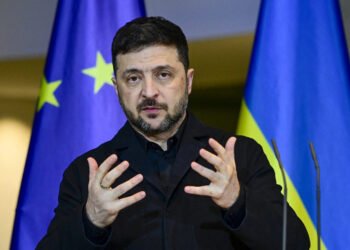 Zelenskyy warns over Oreshnik threat as Kyiv hit
 Discontent grows around Putin amid war strain
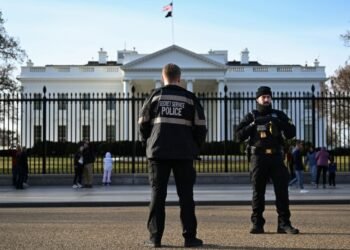 Gunman Killed After White House Security Shootout
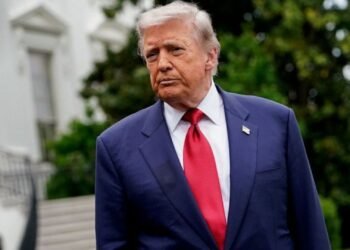 Trump Claims Iran Peace Deal Near Completion
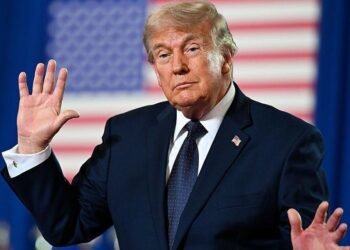 Trump Weighs Retreat from Controversial $1.8bn Slush Fund
 US Midterm Primaries: Democrats Target Key Republican Seats
 House Curbs Trump’s War Powers in Rare Rebellion
 Trump’s Iran Legacy Hangs on Tehran Deal
 Trump’s Mount Rushmore Speech: A Divisive Anniversary
 Mystery Grows Over Mitch McConnell’s Health
 Senate Halts Defense Bill Over Iran Clashes
 House Democrats Divided Over Israel Military Funding Bid
 Trump Jokes, Jabs and Press Tensions at WHCA Dinner
 Taliban global ties grow as rights fears mount
 Seoul proposes historic peace talks to replace Korean War armistice
 Is America Ready for an AOC Presidential Run?
 Trump dismisses concerns over 250-day carrier deployment
 Farage Shuns Truss as US Right-Wing Roadshow Hits London
 Italian Town Buys Mussolini Villa to Keep Away Fascist Fans
 Trump and Tehran Find Common Ground in Landmark Ceasefire