Published: 21 January 2026. The English Chronicle Desk. The English Chronicle Online.
Australia’s federal opposition entered a volatile period as the Coalition crisis intensified following an unprecedented collective resignation by the Nationals’ entire frontbench. The dramatic move exposed deep fractures within the conservative alliance and raised serious questions about leadership, unity, and electoral readiness. The unfolding Coalition crisis centres on a bitter dispute over Labor’s newly passed hate speech laws, legislation introduced after the Bondi massacre and framed by the government as essential to counter extremism and violence.
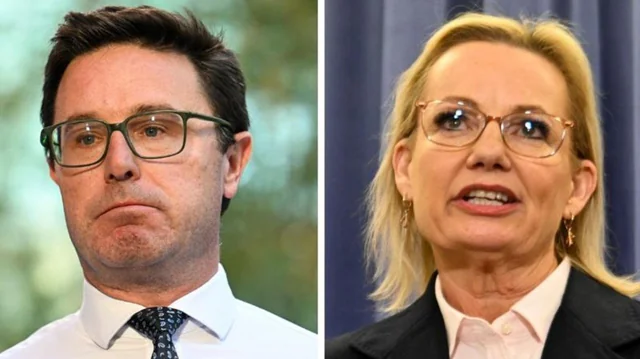
The Nationals’ decision to withdraw their senior figures from Sussan Ley’s shadow cabinet came after days of escalating tension. At the heart of the dispute was Ley’s insistence on shadow cabinet solidarity, a principle embedded in the Coalition agreement re-established last year. When three Nationals senators crossed the floor to oppose the hate speech bill, Ley accepted their resignations, arguing that discipline was non-negotiable. That response triggered a chain reaction, culminating in Nationals leader David Littleproud and his frontbench colleagues agreeing to resign en masse during late-night crisis talks.

The Coalition crisis has been described by senior opposition figures as the most severe internal rupture since the Coalition’s brief post-election split last year. Littleproud had warned Ley in writing that accepting the resignations would prompt a full withdrawal of Nationals ministers to uphold collective responsibility. His letter framed the walkout as a matter of principle rather than protest, asserting that the party room’s unified stance against the bill required shared accountability across the leadership team.
Ley, however, remained firm. In a statement issued on Wednesday, she reiterated that shadow cabinet solidarity “is not optional” and reminded colleagues that frontbenchers must either support agreed positions or step aside. Her response underscored the fragile balance she faces as leader, juggling internal discipline against the risk of destabilising an already weakened opposition. Poor polling and persistent internal criticism have amplified scrutiny of her leadership during this Coalition crisis.
The resignations followed a turbulent parliamentary week. The hate speech legislation passed the Senate late Tuesday night, granting the government expanded powers to designate organisations as hate groups, cancel visas, and impose harsher penalties on religious or spiritual leaders who incite violence. While Labor framed the bill as a necessary safeguard, opposition voices argued it risked overreach. The Nationals ultimately adopted a party room position opposing the bill, diverging from the shadow cabinet’s agreed approach to work with Labor.
Complicating matters, several Nationals frontbenchers in the lower house abstained from the vote, a move also considered a breach of the shadow cabinet position. Coalition sources indicated that the Nationals initially raised no objection during Sunday night discussions, with resistance hardening only the following afternoon. That shift fuelled frustration among Liberal MPs, some of whom privately accused their partners of undermining unity during a sensitive legislative moment.
One senior Liberal MP described the situation as deeply disappointing, suggesting the Nationals’ collective resignation risked shifting public attention away from Labor’s policy decisions and onto opposition disarray. Within hours, crisis meetings were convened across both parties. Ley met with senior Liberal figures, including Senate leaders Michaelia Cash and Anne Ruston, while the Nationals gathered separately to manage internal fallout and what one source termed “pastoral care” for colleagues facing intense scrutiny.
The three senators at the centre of the controversy defended their actions. Ross Cadell acknowledged he was prepared to step down from the frontbench if required, stating he understood the consequences of crossing the floor. Susan McDonald emphasised her support for the intent of the legislation while expressing gratitude for the opportunity to serve in senior roles. Bridget McKenzie maintained that her vote reflected genuine concerns rather than defiance, though critics within the Coalition argued the symbolism was damaging.
As the Coalition crisis deepened, commentators noted its echoes of last year’s standoff following the federal election. At that time, negotiations nearly collapsed after the Nationals pushed for commitments on nuclear energy, a regional future fund, and stronger supermarket regulation. Although unity was restored within days, the current rupture appears more entrenched, driven by competing interpretations of principle, discipline, and political strategy.
For Ley, the immediate challenge lies in rebuilding a functioning shadow cabinet while containing perceptions of weakness. She has asked Littleproud to nominate replacement Nationals members, but the prospect of a complete Nationals withdrawal looms over ongoing negotiations. A mass walkout would leave the Coalition frontbench severely diminished, reinforcing narratives of instability at a time when voters are seeking credible alternatives to government.

The Nationals, meanwhile, face their own dilemma. Standing firm against the legislation appeals to sections of their base concerned about civil liberties and regional representation. Yet the decision to escalate the dispute risks alienating moderate voters and weakening the broader opposition brand. Analysts warn that prolonged infighting could erode trust and distract from policy development ahead of the next election cycle.
Public reaction has been mixed. Some voters praised the Nationals for taking a principled stand, while others expressed frustration at perceived political theatrics. Social media commentary reflected broader anxieties about rising hate crimes and the balance between security and free expression. Within this charged environment, the Coalition crisis has become a focal point for debates extending beyond parliamentary procedure to the values shaping Australian democracy.
Looking ahead, the path to resolution remains uncertain. History suggests the Coalition has an instinct for reconciliation when electoral imperatives demand unity. However, the current dispute cuts to foundational questions about authority and autonomy within the alliance. Whether Ley and Littleproud can bridge those differences will determine not only the Coalition’s immediate stability but also its long-term viability as a governing alternative.
As parliament resumes, attention will remain fixed on how quickly, or whether, the opposition can restore cohesion. Until then, the Coalition crisis stands as a stark reminder of the fragility of political partnerships under pressure, and the high stakes involved when principle collides with pragmatism.
Related News:
 Andrew Hastie Emerges as Leadership Rival to Ley
 One Nation Stuns Australia With Historic Farrer Win
 Kinnock’s Rebuke Echoes Loudly as Corbyn Allies Launch Left-Wing Breakaway: “A Gift to Farage”
 UK and Norway Forge Stronger Ties Through Joint Sanctions and Enhanced Defence Cooperation
 Trump Administration Dismisses 17 Immigration Judges, Sparking Debate Over Judicial Independence
 UK Must Act with Courage and Clarity on Israel-Palestine Conflict, Says Foreign Affairs Committee Report
 Trump Threatens 100% Tariff on Nations Importing Russian Oil Amid India Standoff Over Ukraine War
 Radioactive Leak at UK’s Nuclear Warhead Base Sparks Outcry Over Safety and Secrecy
 Mutual Inconvenience: Why Alaska Was Chosen for the Trump-Putin Summit on Ukraine
 Hong Kong Summons UK and Australian Envoys Following Asylum Grants to Democracy Activists
 Is the UK Ready to Put Boots on the Ground in Ukraine? Assessing Military Capacity and Challenges
 Conservative Influencer Charlie Kirk Fatally Shot During University Debate
 Thousands Gather in London to Protest Donald Trump’s Second UK State Visit
 Channel Crossings Surge: Over 1,000 People Arrive in the UK in Small Boats in a Single Day
 Widow of Charlie Kirk Forgives Killer at Emotional Memorial Service
 Yvette Cooper Signals Global Momentum Towards Gaza Peace Deal Amid Humanitarian Crisis
 A Third of EU Citizens in UK Report Discrimination by Public Bodies Post-Brexit
 Public Trust in SNP Hits Historic Low Amid NHS Concerns
 Johnson Suggests Mandelson Linked to China Spy Controversy
 Rachel Reeves signals welfare reform ahead of key budget
 Ireland Votes as Two Women Compete for Presidency
 Russia’s Latest Push to Win US Favors Shows Deep Desperation
 BBC to Apologise Over Edited Trump Speech Amid Backlash
 Britain deploys RAF specialists to assist Belgium with drone threats
 Trump Urges Herzog to Grant Netanyahu Full Pardon
 Indian authorities demolish Kashmir home linked to Red Fort blast
 Greene Pushes Epstein Files Amid Trump Fallout
 Trump Deploys DHS to Charlotte in Major Arrest Operation
 December Run-Off in Chile as Election Produces No Winner
 Canada Passes Carney’s First Budget in Tight Parliamentary Vote
 Shadow Fleet at Sea: Europe’s Battle Against Illicit Oil Shipping
 India’s COP30 Delay Raises Global Climate Concerns
 Georgians Defy Government Crackdown After Year of Protests
 EU plans $105bn Ukraine aid using frozen Russian assets
 Liberal Turmoil Threatens Victorian Election Hopes
 Trump Policies Boost China’s Global Rise, Survey Finds
 Greenland Crisis Forces Europe to Draw a Line With Trump
 South Korea Jails Ex-President in Martial Law Ruling
 Historic Abu Dhabi Talks Bring US, Ukraine and Russia Together
 ‘Repatriate the Gold’: Germany Debates Bringing Reserves Home
 Thousands Protest ICE Operations in Nationwide US Day of Action
 Epstein Files Reveal Trump Officials’ Emails with Financier
 Starmer Condemns ‘Depraved’ Russian Strikes on Ukraine
 Herzog visit sparks protests across Australian cities
 Sydney Protest Escalates and Elderly Woman Suffers Severe Injury
 Tarique Rahman’s Rise Toward Bangladesh’s Top Job
 AFP Reviews Pauline Hanson Comments
 Duterte ICC Hearing Begins Amid Defiance
 Trump Tariffs Threat Spark UK and EU Alarm
 Marco Rubio Briefs Lawmakers as Iran Tensions Rise
 The Dangerous Rise of Remigration Across Modern Europe
 Trump’s Marathon Speech Fails to Mask a Growing National Disconnect
 US to offer passport services in West Bank settlements
 Health Funding Row Rocks US‑Africa Relations
 New UK-EU Reset Faces Criticism from Parliament
 Iran Defiance Grows Amid US-Israel War Pressure
 US Strikes on Iran Set for Most Intense Day Yet
 Danish Election Deadlock Shakes Frederiksen’s Grip
 Trump to Visit China in May After Iran War Delay
 Pope Rebukes Leaders for War as Middle East Tensions Rise
 Trump to Deploy “God Squad” Over Gulf Wildlife Protections
 Army Probes Apache Flyover at Kid Rock’s Nashville Estate
 Italian Town Buys Mussolini Villa to Keep Away Fascist Fans
 Report Says Pezzullo Acted ‘Recklessly’ in Dealings
 Trump Employs Nixon’s Madman Theory Amid Iran Crisis
 Hungary election: Orbán faces biggest test amid scandal
 Suspected Plot Targets Pipeline Before Hungary Vote
 Trump approval plunges amid Iran war fears
 Ohio’s Battle for Trust: Democrats Vying to Flip the Buckeye State
 US ‘Narco Boat’ Strikes Draw Global Outcry
 Afghan Families Left in Limbo Face Risk of Deportation
 US Awaits Iran Reply on New Ceasefire Proposal
 Tony Abbott Returns as New Liberal Party President
 Discontent grows around Putin amid war strain
 Starmer Leadership Under Pressure After Setbacks
 House Curbs Trump’s War Powers in Rare Rebellion
 New South Wales Premier Chris Minns Signals Tough Road Ahead for Labor
 Le Pen to Run for President Despite Embezzlement Conviction
 Ukraine Creates Long-Range Strike Command
 Houthis Strike Saudi Arabia as Middle East Tensions Rise