Published: 26 January 2026. The English Chronicle Desk. The English Chronicle Online.
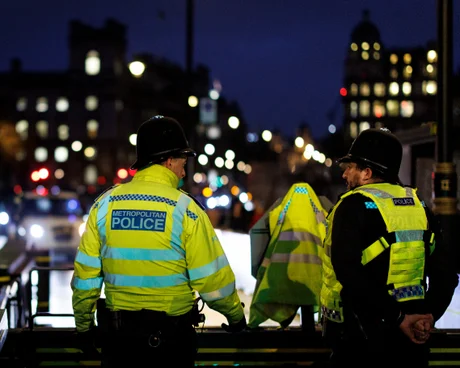
Police forces across England and Wales are set to face firm national standards on emergency responses, as ministers move to rebuild public confidence. The new framework places police response times at the centre of accountability, marking a decisive shift in how urgent incidents are handled. The Home Office says the measures respond to widespread concern about delays, missed opportunities, and eroding trust. For communities, the promise is simple: faster help when danger is immediate and harm is unfolding.
Under the plans due to be announced on Monday, officers attending the most serious incidents must arrive within defined limits. In urban areas, the expectation will be a response within fifteen minutes. In rural settings, where distance and geography matter, the limit will extend to twenty minutes. These thresholds will apply when there is a threat to life, ongoing violence, serious injury risk, or active crimes. By formalising police response times nationally, the government aims to replace uneven local practices with a single, transparent standard.
The home secretary, Shabana Mahmood, will present the changes as part of what officials describe as the largest policing overhaul in two centuries. She is expected to argue that consistency, clarity, and consequences have been missing for too long. While many forces already work to similar targets, there has been no effective mechanism to enforce them. Data collection has varied, scrutiny has been limited, and failure has rarely triggered intervention. The new approach seeks to close those gaps decisively.

At the heart of the proposal sits a new accountability system. Response data will be gathered using uniform methods across all forces. Performance will be assessed against the same benchmarks, allowing meaningful comparison. Where police response times fall persistently short, support teams from stronger forces will be deployed to advise on improvements. The Home Office insists this is about raising standards, not assigning blame, though pressure on underperforming areas will inevitably increase.
Mahmood has been blunt about the problem the reforms aim to fix. She has spoken of victims waiting hours, sometimes days, after reporting crimes. By then, suspects have disappeared and witnesses have moved on. In her words, neighbourhood policing has thinned, patrols have declined, and visibility has suffered. Restoring rapid responses, she argues, will deter offenders and reassure communities. Faster attendance, she believes, is essential to cutting everyday crime.
Public reaction to the announcement has been mixed but engaged. Neighbourhood Watch welcomed the clarity of national expectations, describing swift responses as a basic requirement of modern policing. Its chief executive, John Hayward-Cripps, said delays do more than frustrate victims. They create stress, undermine confidence, and weaken cooperation with officers. When trust fades, communities become less willing to report crime or share information, he warned.
However, warnings have also emerged from within policing leadership. Several police and crime commissioners have cautioned that meeting the new standards will be difficult without fresh investment. Matthew Scott in Kent and Clare Moody in Avon and Somerset both highlighted staffing pressures and ageing control room technology. They stressed that ambition must be matched by resources. Without additional officers and upgraded systems, they fear the targets could strain already stretched services.
The Home Office has responded by promising to cut bureaucracy that keeps officers behind desks. Mahmood has pledged to strip away unnecessary paperwork and administrative burdens. The intention is to free officers for patrols and rapid deployment. This drive aligns with a broader commitment to visible policing, which ministers see as crucial to public reassurance. Neighbourhood patrols are expected to increase as part of an expanded policing guarantee.
Beyond response targets, the reforms outline a sweeping structural vision. In an upcoming white paper titled “From local to national: a new model for policing,” the government will argue for a more streamlined system. The document is expected to suggest fewer police forces, with clearer lines between local duties and national threats. Everyday crimes like shoplifting would remain locally focused, while serious organised crime and terrorism would be led centrally.
The proposals go further, reshaping leadership and oversight. Home secretaries would gain powers to dismiss chief constables more easily. A national policing body, compared by some to the FBI, would coordinate responses to complex crimes. Every officer would be required to hold a licence to serve, introducing a new layer of professional regulation. Fast-track routes would allow specialists to enter senior roles, bringing external expertise into policing.

Other changes include appointing a dedicated commander for violent disorder and riots, reflecting lessons from recent unrest. A national forensics capability would support investigations into the most serious offences, including rape and murder. Supporters argue these steps will modernise policing for a changing criminal landscape. Critics worry that scale and speed could overwhelm forces already adapting to constant reform.
Among rank-and-file officers, reaction has been cautious. Some welcome clearer priorities and national backing. Others question whether structural change will address day-to-day realities on the ground. They point to call volumes, mental health incidents, and social care gaps that police often fill by default. Without wider public service reform, they argue, police response times alone cannot solve systemic pressures.
Political voices have also raised doubts. One Labour MP, who previously served at the Home Office, questioned the timing of such extensive reform. While acknowledging the long-term need, the former minister suggested voters may care more about visible street crime now. Offences like phone theft and shoplifting shape public perception quickly. Large-scale reorganisation, they warned, risks distraction during a sensitive political period.
Still, ministers appear determined to proceed. They argue that clear standards on police response times send a strong signal of seriousness. By setting expectations and backing them with oversight, the government hopes to rebuild credibility. Success will depend on delivery, funding, and sustained focus beyond headlines. For the public, the real test will come not in policy papers, but when the next urgent call is made.
Related News:
 It’s time to come clean on the China spy case
 Reform Councillor Defects to Tories Over ‘Uncomfortable’ Policies
 FBI Director Kash Patel Defends Girlfriend Amid Government Jet Claims
 French Taxi Driver Cleared in David Lammy Theft Case After Fare Dispute
 Company linked to Michelle Mone owes £39m in tax
 Met Police Culture Makes Racial Harm ‘Inevitable’
 Eleven Arrested After Pro-Palestine Protest at Villa Match
 Boris Johnson accused of undermining BBC leadership
 Remaining rebel Labour MPs have whip restored
 Second world war veterans honoured as King leads Remembrance Sunday
 ‘Reckless’ cuts to victims’ services will cost more than they save
 BBC Faces Backlash as Reform UK Withdraws from Film
 Wes Streeting Denies Leadership Plot Against Starmer
 British state supplied victims to ‘worst sex offender in history’
 UK Candidate Moved to Safe House After Election Threats
 Most Tories Expect to Support a Farage-Led Government
 BBC Chairman Faces Scrutiny Over Bias Claims
 Ex-Classmate Accuses Farage of Dishonesty on Racism Claims
 Ex-Brexit MEP Rejects Claim of Pro-Russia Payments
 Kent Reform Councillors Criticised Over Political Staff Spending
 ‘It’s a Complete Scandal’: Aristocrat’s Fight for Prison Children
 Tasers Introduced in UK Prisons to Combat Rising Violence and Protect Staff
 Mass Arrests in London as Protest Defies Ban on Palestine Action
 Urgent Action Needed on Windrush Compensation as Survivors Speak of “Waiting to Die”
 Zarah Sultana Seeks Legal Action After Bitter Clash with Jeremy Corbyn Over Party Membership Funds
 Kosovo agrees to host Britain’s refused asylum seekers
 Peterborough Mosques Tighten Security After Attack
 British Woman in Iran ‘Losing Hope’ Amid Ongoing Detention
 BBC Journalist Held and Interrogated in Vietnam
 Green Party Surges Past Labour in Latest UK Poll
 Celebrities and Charities Demand UK Government Act on Child Poverty
 Trump’s UK Ambassador Urges North Sea Drilling to Strengthen US Ties
 Experts Warn on Home Birth Risks, Call for Skilled Midwives
 UK Bans Fake Numbers: Scammers Lose Their Trick
 Just Stop Oil Protesters Convicted Amid Climate Defence Row
 Jailed UK climate protesters face extremist-style restrictions
 How to get help when a child goes missing – call 999 urgently
 Millionaires group urge Reeves to introduce wealth tax to ‘lift kids out of poverty’
 Starmer Faces Growing Dissent as Labour MPs Weigh Leadership Challenge
 Reeves rejects £1bn plea for NHS redundancy payouts
 Politics latest: Starmer ‘will fight any leadership coup’ as Streeting denies attempt to oust Labour PM
 Ukraine-Russia war latest: Putin’s troops exploit bad weather to force Kyiv withdrawal from multiple towns
 PM Condemns Leaks, Vows Loyalty to Ministers and Stability
 Major Rent Reform Ends No-Fault Evictions in England
 Peers Flood Assisted Dying Bill with 942 Amendments
 England’s Special Needs Support Faces Breaking Point
 Met Police Clarifies Scale of Grooming Gang Cases
 MoD warned over Excel risks before Afghan data breach
 Navy cuts scrap key landing upgrade for UK F-35B jets
 Greene Pushes Epstein Files Amid Trump Fallout
 UK Asylum Overhaul Sparks Debate Over Human Rights and Deportations
 Criminal Gangs Pose as Truckers to Hijack UK Supply Chains
 Mum Calls for New Licence Rules After Teen Road Death
 Mother Watches in Horror as Teen Daughter Dies on Tracks
 UK Warns China After MI5 Issues Espionage Alert
 Labour Faces Historic Decline in Wales
 Serial Rapist and Former Cop Found Guilty Again
 PM Highlights UK Business at G20 in South Africa
 Kate Forbes: Motherhood Harder Than Politics
 Venezuela Threatens Nobel Winner Machado with Fugitive Status
 Inside the Helpline Protecting Missing Children in the UK
 Labour MP claims devolution bill is ‘blatant discrimination’ against Cornwall
 Trump Envoy to Discuss Ukraine Peace at Kremlin
 Millions Face Higher Taxes Under Reeves New Budget
 Peers Get Extra Time to Debate Assisted Dying Bill
 Jordan Bardella: France’s Young Presidential Contender
 Starmer Says Labour’s Economic Plan Needs Years to Deliver
 Culture secretary to review Telegraph takeover by Daily Mail owner
 Plans to Limit Jury Trials Face Retreat After Mounting Opposition
 New Documentary Examines Teen’s Zombie Knife Murder
 Woman Jailed for Life After Killing E-Bike Rider in Tragic Mistaken Identity Case
 Right Must Unite After Jenrick Defection, Urges Rees-Mogg
 UK Ministers Drop Foreign Student Targets for Global Education Push
 MPs warn AI financial risks threaten UK stability
 MPs warn AI financial risks threaten UK stability
 No Gas Boiler Ban as UK Warm Homes Plan Backs Heat Pumps
 Hugh Grant Joins Call for Under-16 Social Media Ban in UK
 Shinzo Abe’s killer receives life sentence in Japan
 Lords Vote Piles Pressure on Starmer Over Social Media Ban
 Reform UK Health Plan ‘Would Cost £1.7bn’, Streeting Says