Published: 09 February 2026. The English Chronicle Desk. The English Chronicle Online.
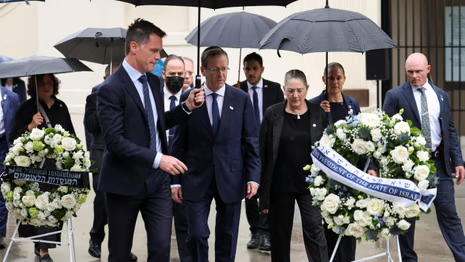
Israel’s president Isaac Herzog began his four-day tour of Australia amid grief, security, and political tension, as the Herzog visit drew both solemn ceremonies and large public demonstrations. The Herzog visit opened in Sydney, where the president met survivors and families affected by the Bondi terror attack and attended a memorial event near the shoreline. The trip quickly became one of the most debated diplomatic moments in recent Australian public life, with supporters welcoming his presence while critics organised mass protests in multiple cities.
The Herzog visit started with a wreath-laying ceremony at Bondi, where the attack shocked the country and deeply affected the Jewish community. Standing alongside New South Wales premier Chris Minns, Herzog honoured those killed and injured in the violence. He placed memorial stones brought from Jerusalem near the site, following Jewish mourning tradition and symbolising remembrance and continuity across generations. His remarks focused on shared grief, communal solidarity, and the need for unity against hatred and terror.

During his address, Herzog said that pain felt by one part of the Jewish community is shared across the world. He described the memorial stones as symbols of endurance and moral connection between the living and the dead. He said the gesture represented memory that does not fade and responsibility that does not weaken over time. Members of the local community stood nearby, some visibly emotional as prayers and reflections were delivered.
He also met survivors and relatives of victims in private gatherings arranged under tight security conditions. Photographs later released showed Herzog and his wife, Michal Herzog, embracing family members and listening to personal accounts. According to community representatives, those meetings were quiet, direct, and focused on support rather than politics. Organisers said many families valued the opportunity to speak directly with a visiting head of state.
The Executive Council of Australian Jewry described the visit as deeply meaningful for those still coping with trauma. Its leadership said the presence of a foreign president offered recognition and comfort to people who felt shaken by the attack. Community figures expressed hope that the visit would also strengthen diplomatic understanding between Australia and Israel during a sensitive period. They emphasised that symbolic gestures can matter greatly after targeted violence.
At the memorial event, Herzog named several victims and highlighted the wide age range among those killed. He spoke about a young child and an elderly Holocaust survivor among the dead, stressing the cruelty and randomness of extremist violence. He thanked Australian emergency responders and civilians who acted during the attack to save lives. He said such courage showed the moral strength of society when confronted by terror.
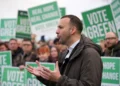
The Herzog visit, however, also triggered strong opposition from protest groups in Sydney and Melbourne. Large crowds gathered in central locations, carrying signs and chanting slogans critical of Israeli government policy and military actions. Protest organisers said their demonstrations focused on human rights concerns and international law. Several public figures and politicians attended, including independent and minor party representatives who voiced support for the rallies.
Some speakers at the protests argued that hosting the Israeli president sent the wrong message during an ongoing and contested international conflict. Others said the timing of the Herzog visit risked deepening divisions within Australia’s multicultural population. A number of Jewish signatories also published an open letter stating that the president did not represent their views. The letter appeared as paid advertisements in major newspapers and attracted significant public attention.
In response to criticism, Herzog said he arrived in goodwill and with respect for Australia and its democratic culture. He stated that protest is a legitimate democratic right but warned against rhetoric that questions a nation’s existence. He said disagreement should not become dehumanisation or collective blame. He rejected accusations made by some international critics and described legal cases against Israeli leadership as politically motivated.
Australian prime minister Anthony Albanese is scheduled to meet Herzog during the visit, along with the governor general and senior cross-party figures. Officials said the meetings will cover security cooperation, social cohesion, and bilateral relations. Government sources described the invitation as part of diplomatic engagement following the Bondi attack. They said it was intended to show solidarity with affected communities and reaffirm opposition to antisemitic violence.
Security arrangements around the Herzog visit have been extensive and highly visible. The New South Wales government authorised expanded police powers for the duration of the trip. Senior officers confirmed that hundreds of personnel were deployed across key Sydney locations. Some units were equipped with long-arm firearms as a precautionary measure linked to threat assessments. Legal challenges against these temporary powers were rejected by the state supreme court.
Premier Chris Minns urged calm and respectful behaviour from both supporters and protesters throughout the week. He said public safety remained the top priority and warned that violence or intimidation would not be tolerated. He also defended the scale of the security operation, saying it reflected risk evaluations rather than political preference. Civil liberties groups continue to debate whether such powers should be used for visiting dignitaries.
International reactions to the Herzog visit have also been mixed, reflecting broader global polarisation around Middle East issues. Some foreign commentators praised the focus on victims and interfaith solidarity. Others argued that official receptions should be reconsidered during periods of active conflict abroad. Diplomatic analysts noted that allied countries often maintain engagement even amid sharp disagreements, separating dialogue from endorsement.

Within Australia, the events surrounding the visit have reopened debate about balancing free expression, community safety, and diplomatic protocol. Jewish organisations report increased anxiety following the Bondi attack and say visible support from leaders is reassuring. Palestinian advocacy groups and their allies argue that protest remains necessary to keep humanitarian concerns in public view. Universities, faith leaders, and civic groups have called for dialogue to reduce social tension.
Observers say the Herzog visit illustrates how international conflicts increasingly shape domestic conversations in distant countries. Acts of violence, symbolic gestures, and political language now travel instantly through social and digital networks. That rapid spread intensifies emotional responses and shortens reaction time for governments and communities. Managing those pressures has become a defining challenge for modern democratic societies.
As the visit continues with events in Canberra and Melbourne, attention will remain divided between ceremony and dissent. Supporters will focus on remembrance, resilience, and diplomatic ties. Critics will continue to question policy, accountability, and moral responsibility. The coming days are likely to produce further debate, but officials hope they will pass without incident. Much will depend on restraint, respectful conduct, and clear communication from leaders.
Related News:
 British Woman in Iran ‘Losing Hope’ Amid Ongoing Detention
 BBC to Apologise Over Edited Trump Speech Amid Backlash
 Britain deploys RAF specialists to assist Belgium with drone threats
 US Justice Department Files Lawsuit Against California Over Partisan Voting Maps
 Greene Pushes Epstein Files Amid Trump Fallout
 Trump Deploys DHS to Charlotte in Major Arrest Operation
 December Run-Off in Chile as Election Produces No Winner
 Canada Passes Carney’s First Budget in Tight Parliamentary Vote
 Shadow Fleet at Sea: Europe’s Battle Against Illicit Oil Shipping
 Pentagon Officials in Ukraine to Discuss War End
 Venezuela Threatens Nobel Winner Machado with Fugitive Status
 Georgians Defy Government Crackdown After Year of Protests
 India’s Labour Law Overhaul Sparks Fierce Debate
 EU plans $105bn Ukraine aid using frozen Russian assets
 Global campaign launched to free Palestinian leader Barghouti
 Trump Policies Boost China’s Global Rise, Survey Finds
 Iran unrest slows under brutal crackdown and global tensions
 Pentagon Signals Reduced Role in Deterring North Korea
 Thousands Protest ICE Operations in Nationwide US Day of Action
 Epstein Files Reveal Trump Officials’ Emails with Financier
 Starmer Condemns ‘Depraved’ Russian Strikes on Ukraine
 Sydney Protest Escalates and Elderly Woman Suffers Severe Injury
 Tarique Rahman’s Rise Toward Bangladesh’s Top Job
 Glass Cliff Debate After Ley’s Ouster
 Japan Seizes Chinese Boat Amid Rising Tensions
 AFP Reviews Pauline Hanson Comments
 Duterte ICC Hearing Begins Amid Defiance
 Trump Tariffs Threat Spark UK and EU Alarm
 Difficult Grace Tame Label Ignites Fury and Debate Down Under
 The Dangerous Rise of Remigration Across Modern Europe
 Trump’s Marathon Speech Fails to Mask a Growing National Disconnect
 US to offer passport services in West Bank settlements
 Clinton Testimony Erupts in Fiery Exchange
 Health Funding Row Rocks US‑Africa Relations
 New UK-EU Reset Faces Criticism from Parliament
 Cuba charges six exiles for terrorism after speedboat raid
 US and Ecuadorian Forces Strike Drug Cartels Together
 Mojtaba Khamenei Chosen as Iran’s New Supreme Leader
 Mojtaba Khamenei Supporters Rally as Iranians Fear Repression
 Iran Defiance Grows Amid US-Israel War Pressure
 US Strikes on Iran Set for Most Intense Day Yet
 Iran Nuclear Stockpile Sparks US Special Forces Debate
 Queensland Protest Ban Sparks First Arrests
 China’s Ethnic Unity Law Set to Reshape Minority Schools
 Moscow Internet Blackouts Raise Censorship Fears
 Republicans Rebuke FCC Threat Over Iran War Coverage
 Oil Prices Surge as IEA Weighs Emergency Release
 Trump Nato threats expose Iran strategy vacuum
 UK Minister Denies Iran Missile Threat to Britain
 Danish Election Deadlock Shakes Frederiksen’s Grip
 Trump to Visit China in May After Iran War Delay
 Pope Rebukes Leaders for War as Middle East Tensions Rise
 Trump to Deploy “God Squad” Over Gulf Wildlife Protections
 Army Probes Apache Flyover at Kid Rock’s Nashville Estate
 Italian Town Buys Mussolini Villa to Keep Away Fascist Fans
 Report Says Pezzullo Acted ‘Recklessly’ in Dealings
 Trump Employs Nixon’s Madman Theory Amid Iran Crisis
 Trump Voices Frustration Over Nato Role in Iran Conflict
 Hungary election: Orbán faces biggest test amid scandal
 Suspected Plot Targets Pipeline Before Hungary Vote
 Trump Slams UK Ties and Threatens To Rewrite Trade Deal
 Southeast Asia Turns to Russia Amid Energy Crisis
 Capitalism ‘Suicidal’, Warns Petro at Climate Summit
 Judge halts deportation of Yemeni refugees in US
 Trump approval plunges amid Iran war fears
 Ohio’s Battle for Trust: Democrats Vying to Flip the Buckeye State
 US ‘Narco Boat’ Strikes Draw Global Outcry
 Afghan Families Left in Limbo Face Risk of Deportation
 Tensions Emerge in Netanyahu-Trump Alliance
 US Awaits Iran Reply on New Ceasefire Proposal
 Hormuz Talks Near Critical Stage
 Discontent grows around Putin amid war strain
 Starmer Leadership Under Pressure After Setbacks
 House Curbs Trump’s War Powers in Rare Rebellion
 Germany Summons Chinese Envoy Over Russian Troop Training
 New South Wales Premier Chris Minns Signals Tough Road Ahead for Labor
 Le Pen to Run for President Despite Embezzlement Conviction
 Ukraine Creates Long-Range Strike Command
 Le Pen’s Popularity Holds Despite Conviction
 Houthis Strike Saudi Arabia as Middle East Tensions Rise