Published: 11 February 2026. The English Chronicle Desk. The English Chronicle Online.
Speculation around a possible Streeting challenge has intensified inside Labour despite a strong public unity message. Senior figures have lined up behind Keir Starmer in public appearances this week. Private conversations across Westminster suggest the leadership question remains unsettled among several Labour MPs. The Streeting challenge narrative surfaced after allies claimed momentum could build within weeks. That claim arrived even as the health secretary repeated his full backing for the prime minister.
The latest turbulence follows a difficult period for the Labour leadership at Westminster. Internal frustration has grown after public criticism from senior party voices and sudden staffing changes. Starmer responded by declaring he would never step away from his national reform mission. He used a public platform to stress duty, mandate, and responsibility to voters. Supportive statements quickly followed from cabinet colleagues and prominent regional Labour leaders. Even so, private briefings indicate some MPs remain unconvinced about long term leadership stability.

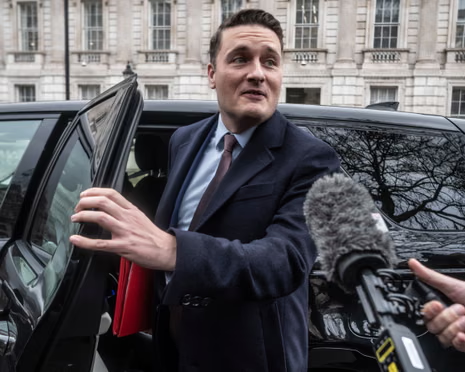
Allies close to Wes Streeting say he is still viewed by supporters as a potential successor. They believe a Streeting challenge could emerge after upcoming electoral tests facing the party. According to these figures, timing would be shaped by byelection and local election results. Internal polling worries and doorstep feedback are also influencing their strategic thinking. Several MPs reportedly see a narrowing window for any organised leadership intervention attempt. That pressure has kept the Streeting challenge discussion alive across parliamentary circles.
Streeting publicly rejected suggestions that he is preparing any leadership move against Starmer. In broadcast interviews, he praised the prime minister’s integrity and crisis leadership approach. He argued that unity is essential while the government faces serious domestic pressures. His office dismissed claims of active plotting as completely false and misleading. Loyalists say his media remarks were clear and left little room for interpretation. Still, sceptics inside the party believe ambition and timing can shift rapidly.
The prime minister has worked to project steadiness after days of internal political drama. He chaired extended cabinet discussions focused on performance, communication, and internal culture concerns. Participants described the tone as direct, serious, and unusually wide ranging in scope. Some ministers urged structural changes in advisory operations and message discipline going forward. Others warned that anonymous briefings against colleagues were damaging party credibility with voters. These concerns formed a central part of the private cabinet conversation.
At the same time, visible support came from major Labour figures outside central government roles. Andy Burnham publicly backed Starmer and called for collective focus on policy delivery goals. He also argued that the government should move faster and further on housing reform. That combination of loyalty and policy pressure reflects the current Labour internal mood. It shows backing for leadership alongside demands for sharper political and social direction. Such positioning complicates the Streeting challenge narrative but does not fully remove it.
Sources across Westminster disagree about whether recent events were coordinated or coincidental in timing. Some believe there was an attempted but poorly executed move to trigger leadership pressure. Others insist there was no organised plan linking critical statements and internal communications leaks. The disagreement highlights how fragmented internal interpretations remain within the parliamentary Labour Party. Each faction reads the same timeline through a different political and personal lens. That division itself adds fuel to ongoing Streeting challenge speculation among observers.
Comparisons have quietly been drawn with past leadership crises in British political history. Some ministers referenced earlier episodes where expected challengers ultimately decided not to run. Those examples are used to argue that rumours often exceed real organisational capacity. Launching a credible leadership bid requires numbers, discipline, and message control across many actors. Without that structure, even serious dissatisfaction rarely converts into a successful formal contest. That reality may limit any immediate Streeting challenge scenario.
Backbench MPs remain especially focused on voter reaction and local electoral signals in coming weeks. Many say doorstep conversations show softening trust toward the current Labour leadership brand. Policy decisions on welfare and cost support have featured heavily in those voter exchanges. If results in key contests disappoint, internal pressure could rise sharply and quickly. That electoral trigger is widely viewed as more decisive than media speculation or factional briefings. It is central to calculations around any possible Streeting challenge timing.
Streeting’s defenders argue that he is too politically experienced to move without certainty of success. They say he understands how failed challenges can permanently damage leadership prospects and party unity. According to them, his current strategy is visibility, delivery, and loyalty rather than confrontation. They also note he continued supportive messaging even during the height of recent controversy. That behaviour, they argue, contradicts the theory of an imminent Streeting challenge attempt. Critics respond that positioning can change once conditions appear favourable.

Downing Street figures have also pushed back against claims of organised internal rebellion. They describe recent events as overheated interpretation layered onto unrelated political developments. According to government insiders, no credible coordinated leadership move has materialised behind the scenes. They say focus remains on governing priorities and stabilising internal communications structures. The leadership team believes public unity displays reflect genuine cabinet level support for Starmer. Yet they recognise that rumours of a Streeting challenge will not disappear quickly.
The coming electoral calendar now carries unusual importance for Labour’s internal balance of power. Byelection outcomes and local authority results will be read as leadership confidence indicators. Strong performances would likely quiet talk of any Streeting challenge for the near future. Poor results could reopen the debate with greater urgency and broader parliamentary participation. That conditional mood defines the current political atmosphere surrounding the Labour leadership question. Stability or escalation will depend heavily on voter verdicts delivered at the ballot box.
For now, the party presents a united front while managing intense private disagreement behind closed doors. Public statements emphasise teamwork, reform goals, and long term national change commitments. Private conversations reveal anxiety about trajectory, message discipline, and leadership connection with voters. The Streeting challenge discussion sits exactly in that gap between message and mood. Whether it becomes reality or fades will depend on events unfolding over weeks, not days.
Related News:
 British Woman in Iran ‘Losing Hope’ Amid Ongoing Detention
 BBC Journalist Held and Interrogated in Vietnam
 Green Party Surges Past Labour in Latest UK Poll
 Celebrities and Charities Demand UK Government Act on Child Poverty
 Trump’s UK Ambassador Urges North Sea Drilling to Strengthen US Ties
 FBI Director Kash Patel Defends Girlfriend Amid Government Jet Claims
 French Taxi Driver Cleared in David Lammy Theft Case After Fare Dispute
 Rachel Reeves Set to Break Labour Pledge and Raise Income Tax
 MPs Press Rachel Reeves to Hike Gambling Taxes
 Boris Johnson accused of undermining BBC leadership
 ‘Reckless’ cuts to victims’ services will cost more than they save
 Millionaires group urge Reeves to introduce wealth tax to ‘lift kids out of poverty’
 Starmer Faces Growing Dissent as Labour MPs Weigh Leadership Challenge
 Reeves rejects £1bn plea for NHS redundancy payouts
 Farage appointee to lead Reform youth accused of anti-British views
 Politics latest: Starmer ‘will fight any leadership coup’ as Streeting denies attempt to oust Labour PM
 PM Condemns Leaks, Vows Loyalty to Ministers and Stability
 Major Rent Reform Ends No-Fault Evictions in England
 Peers Flood Assisted Dying Bill with 942 Amendments
 England’s Special Needs Support Faces Breaking Point
 MoD warned over Excel risks before Afghan data breach
 UK Unveils Fast-Track Deportation and Asylum Overhaul
 UK Asylum Overhaul Sparks Debate Over Human Rights and Deportations
 UK Asylum Reforms: Temporary Refugee Status and Faster Deportations
 UK Candidate Moved to Safe House After Election Threats
 Mahmood Defends Tough Overhaul of UK Asylum System
 UK Warns China After MI5 Issues Espionage Alert
 Westminster Advances Legacy Bill Amid Criticism
 UK Vulnerable to Attack, Defence Committee Finds
 Labour Faces Historic Decline in Wales
 Rama Rebukes Mahmood for Targeting Albanian Families
 Russian Vessel Used Lasers on RAF Pilots, UK Claims
 PM Highlights UK Business at G20 in South Africa
 Kate Forbes: Motherhood Harder Than Politics
 Welsh Government Christmas 2020 Lockdown Criticised
Reeves to Crack Down on Benefit Fraud While Lifting Two-Child Limit
Welsh Government Christmas 2020 Lockdown Criticised
Reeves to Crack Down on Benefit Fraud While Lifting Two-Child Limit
 Most Tories Expect to Support a Farage-Led Government
 Labour MP claims devolution bill is ‘blatant discrimination’ against Cornwall
 Millions Face Higher Taxes Under Reeves New Budget
 Peers Get Extra Time to Debate Assisted Dying Bill
 Planned Palestinian Flag Raising at Belfast City Hall Faces Delay Amid Legal Concerns
 Government righting decades-old injustice for miners
 Starmer Says Labour’s Economic Plan Needs Years to Deliver
 UK delays ruling on China embassy plan until January
 Culture secretary to review Telegraph takeover by Daily Mail owner
 Andy Burnham Apologises for Past LGBTQ+ Police Discrimination
 Reeves Slams Farage Over Two-Child Benefit Cap Opposition
 Mandelson Refuses Apology Over Epstein Ties
 Plans to Limit Jury Trials Face Retreat After Mounting Opposition
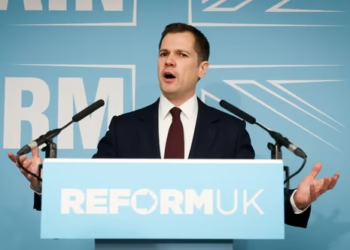 Jenrick Reform defection deepens Tory civil war
 China Dependence Threatens UK Energy Supply Chains and Jobs
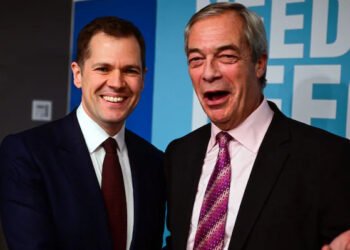 Right Must Unite After Jenrick Defection, Urges Rees-Mogg
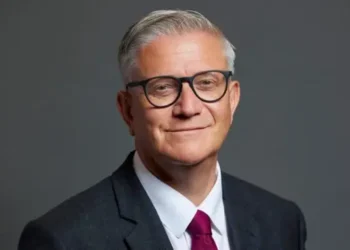 Romford MP Andrew Rosindell defects to Reform UK
 UK Ministers Drop Foreign Student Targets for Global Education Push
 MPs warn AI financial risks threaten UK stability
 MPs warn AI financial risks threaten UK stability
 No Gas Boiler Ban as UK Warm Homes Plan Backs Heat Pumps
 Hugh Grant Joins Call for Under-16 Social Media Ban in UK
 Shinzo Abe’s killer receives life sentence in Japan
 US Africa aid remarks spark anger after leaked State email
 Lords Vote Piles Pressure on Starmer Over Social Media Ban
 Judge-only trials plan fails to ease court backlog
 Planned Troubles Board Game Sparks Outrage in Northern Ireland
 Reform UK Health Plan ‘Would Cost £1.7bn’, Streeting Says
 Police response times face strict new national limits
 Labour policing overhaul sparks fears over growing central control
 Tories criticised after Braverman defection sparks mental health row
 Burnham Westminster return hopes fade amid Labour rift
 Starmer warns of toxic division politics in Reform challenge
 Starmer China visit raises human rights pressure on Beijing
 Labour Must Revive High Streets to Avoid Election Collapse
 Conservative Party Rejects Centrism Under Badenoch’s Leadership
 Calls Grow for King Charles to Apologise for Crown’s Role in Slavery
 Starmer Signals UK Return to EU Defence Pact Talks
 Starmer crisis deepens as Labour MPs turn on PM
 Palantir contracts face UK halt calls over transparency
 Labour Thinktank Row Deepens Over Journalist Probe Claims
 Morgan McSweeney downfall shocks Labour leadership
 Sarwar call shakes Labour as No 10 calms fears
 Starmer Aide Loses Lords Role in Doyle Whip Row