Published: 2 March 2026 . The English Chronicle Desk.
The English Chronicle Online
In what appears at first glance to contradict her hard‑right election rhetoric, Giorgia Meloni’s government has presided over a significant increase in both regular and irregular migrant inflows to Italy in recent years — a reality that has puzzled observers and reshaped the country’s migration narrative. Analysts argue that the phenomenon is not the result of a single misstep but a combination of strategic labour‑market decisions, demographic pressures and shifting enforcement priorities that together changed Italy’s migration dynamics.

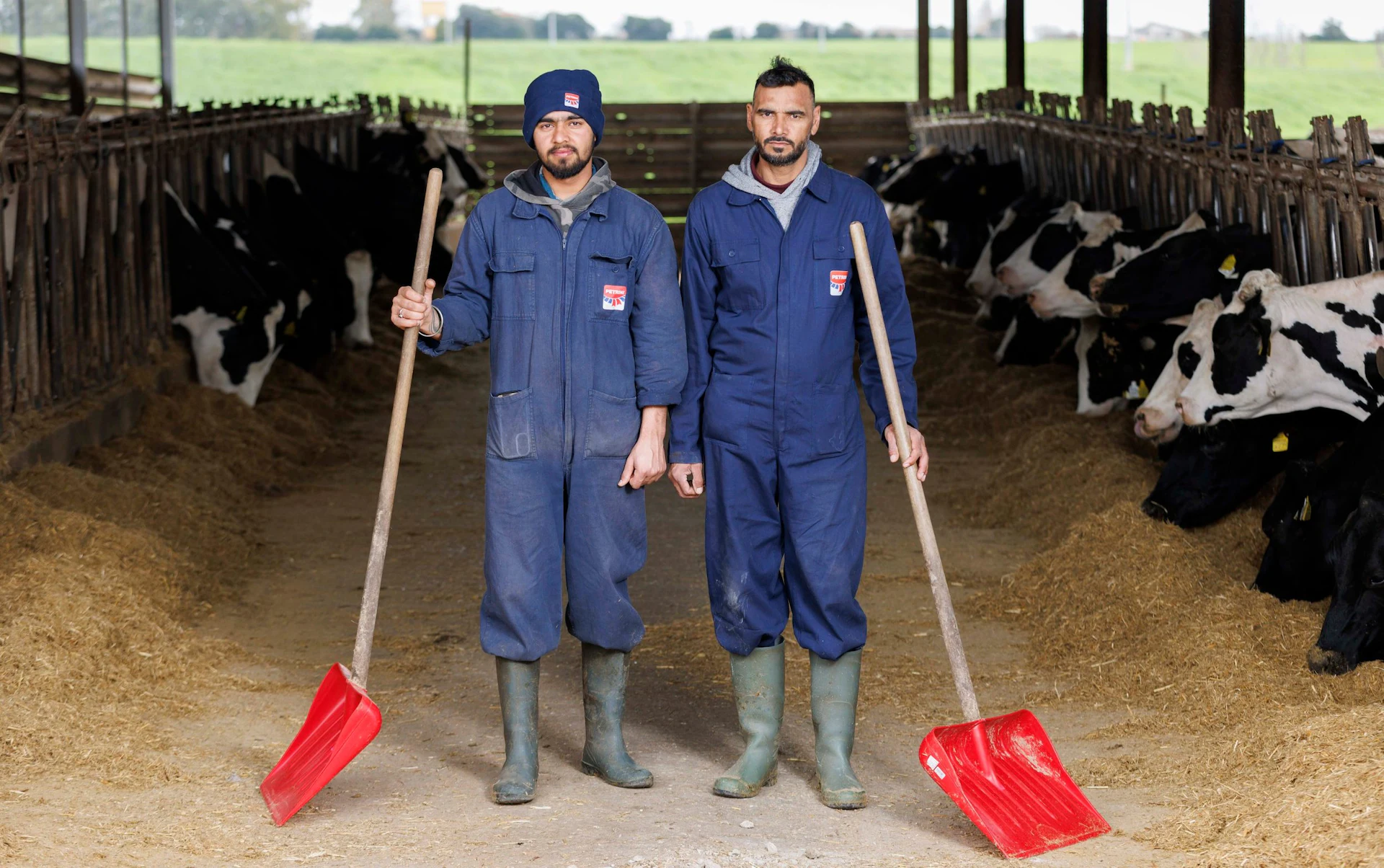
Central to understanding recent arrivals is Italy’s broader policy context. The Meloni administration struck a target to issue new legal work visas to hundreds of thousands of non‑EU migrants between 2026 and 2028 to address chronic workforce shortages amid a sharply ageing population and plummeting birth rate. This plan, quietly approved by the cabinet, reflects an implicit acknowledgment that importing labour capacity is necessary to sustain economic stability, even as the government sustains tough public posturing on irregular migration.
At the same time, irregular boat arrivals from North Africa — particularly via the central Mediterranean — have remained resilient. Despite occasional dips linked to bilateral agreements and external cooperation, thousands of migrants and asylum‑seekers have continued to attempt dangerous sea crossings toward Italy’s southern islands. Italy recorded significant numbers of migrant landings in recent years, with tens of thousands of people reaching Italian shores, even as government rhetoric emphasised border enforcement and deterrence.
Part of this dynamic reflects administrative and operational shifts. Rather than intercepting and returning migrants at sea, Italy’s coastguard and naval assets have increasingly focused on rescue operations followed by processing on Italian territory — often in crowded centres where backlog and legal proceedings can slow repatriation. Legal challenges in Italian and European courts have also blocked aspects of Meloni’s attempt to outsource processing to offshore facilities in Albania, leaving intercepted migrants in Italy when detention protocols fell afoul of domestic judicial scrutiny.
The strategic pivot toward more organised labour migration channels has also affected perception. While Meloni publicly champions strict enforcement against smugglers and illegal crossings, her government concurrently worked with the European Union and African partners to create standardised pathways for foreign workers. Critics argue this approach blurs the line between deterrence and de facto encouragement of migration, adding to the impression that Italy is “flooded” despite official policy aiming to control irregular inflows.
Demographic pressures have been a persistent reality obscuring political messaging. Italy faces one of the oldest populations in Europe and a shrinking workforce that cannot be sustained without imported labour. Employers across sectors — from agriculture to healthcare and construction — increasingly depend on non‑EU workers to fill jobs locals no longer seek. By issuing large volumes of legal work visas and negotiating labour agreements, the government aimed to align migration with economic need, even as it tightened asylum criteria and border controls.
Another consequence of Italy’s evolving approach has been a shift in the operational landscape for rescue NGOs. Tighter restrictions, increased fines and more complex port assignments have led some charities to reduce or suspend Mediterranean search‑and‑rescue missions. While the government paints these moves as necessary to prevent deaths at sea and break smuggling rackets, advocates argue it has the unintended effect of leaving more migrants to make perilous crossings with limited safety nets, inadvertently boosting numbers landing irregularly.
Domestic legal interpretations further complicate the picture. Italian courts have repeatedly challenged government measures aimed at expulsion or offshore processing, forcing the administration to reassess how and where migrants are held and processed. These rulings — in effect — have often kept migrants physically in Italy longer, reinforcing public perceptions of influx even when policy intentions were to restrict or redirect flows.
Critics of the government’s strategy also point to broader European trends. Italy, as a frontline state on the Mediterranean migration route, bears disproportionate pressure compared with inland EU countries. While Meloni has pushed for EU‑wide reforms to distribute responsibility more evenly and strengthen external border controls, consensus among member states has proven elusive. This has left Italy managing far more arrivals relative to its population and administrative capacity.
Public debate in Italy remains sharply divided. Supporters of Meloni’s approach argue that controlling and channeling migration through legal and cooperative frameworks is a pragmatic response to both humanitarian imperatives and economic necessity. Opponents contend that the government’s contradictions — tough rhetoric paired with large visa programmes and operational constraints — have inadvertently opened the door to higher migration flows than critics of the past.

What is clear is that the dynamics of migration into Italy under Meloni cannot be reduced to simple slogans about “floods” or “walls.” Demographic decline, economic labour needs, legal frameworks, external agreements, judicial scrutiny and NGO activity all play a part in shaping the country’s experience with migration. Whether future policy adjustments will reduce arrivals or further integrate migrants into Italy’s social and economic fabric will remain a central question for Rome and Brussels alike.
Related News:
 High-speed Spain train crash leaves nation in mourning
 EU weighs response amid Greenland tariff crisis with Trump
 EU Says US Ties Have Suffered ‘Big Blow’ After Greenland Crisis
 Thousands Left Without Heating in Ukraine Amid Russia Strikes
 Russia sanctions hit economy hard, says EU envoy
 Canada Dispatches Senior Officials to Open Greenland Consulate
 Portugal Election Delivers Socialist Win as Far Right Surges
 Macron Rebuked in Franco-German Defence Row
 Facing a Demographic Catastrophe, Ukraine Is Paying for Troops to Freeze Their Sperm
 Five Young People Die in Spain Apartment Block Fire
 The Russian Village That Lost Its Men to War
 US Trade Deficit Hits Fresh High Despite Trump’s Tariffs
 Zelensky Says Putin Has Started WW3, Must Be Stopped
 New Russia Sanctions on Hold as Hungary Blocks EU Package Ahead of Fourth Ukraine War Anniversary
 Ukraine war briefing: Russia exporting more oil now than before war despite sanctions – report
 Rob Jetten becomes Netherlands’ youngest ever prime minister
 Ukraine remembers its dead as war enters a fifth year
 German Chancellor Lands in Beijing for Inaugural China Trip
 Louvre Museum Director Resigns Months After High‑Profile Heist
 Canada Says U.S. Unlikely to Lift Tariffs Amid Ongoing Trade Tensions
 Orbán Accuses Ukraine of Disrupting Oil Supplies to Hungary
 Spain Declassifies Files on 1981 Attempted Coup in Effort to Dispel Conspiracy Theories
 Hungary Faces Political Tension Over the Ukraine Crisis
 UK Must Act with Courage and Clarity on Israel-Palestine Conflict, Says Foreign Affairs Committee Report
 Tottenham Takes On Newcastle
 Radioactive Leak at UK’s Nuclear Warhead Base Sparks Outcry Over Safety and Secrecy
 Terence Stamp, ’60s British Film Legend and Star of Superman, Dies at 87
 Hong Kong Summons UK and Australian Envoys Following Asylum Grants to Democracy Activists
 Is the UK Ready to Put Boots on the Ground in Ukraine? Assessing Military Capacity and Challenges
 Channel Crossings Surge: Over 1,000 People Arrive in the UK in Small Boats in a Single Day
 Macron Phones Trump Over Traffic Jam in New York
 Comey Indictment Deepens Fears of Political Retribution Under Trump
 Yvette Cooper Signals Global Momentum Towards Gaza Peace Deal Amid Humanitarian Crisis
 “It Was Very Tough, But I Love Life”: Former Israeli Hostage Rebuilds Life After Family Killed by Hamas
 Chaos at Ibrox as Martin’s Rangers Era Comes to an End
 Trump Claims Modi Has Agreed to Halt Russian Oil Imports Amid Heightened US Pressure
 Russia’s Latest Push to Win US Favors Shows Deep Desperation
 I’m a Celebrity 2025 line-up revealed: Osbourne joins
 BBC to Apologise Over Edited Trump Speech Amid Backlash
 Britain deploys RAF specialists to assist Belgium with drone threats
 Palace May Restore Hyphen to Andrew Mountbatten-Windsor’s Name
 Trump Urges Herzog to Grant Netanyahu Full Pardon
 Indian authorities demolish Kashmir home linked to Red Fort blast
 Greene Pushes Epstein Files Amid Trump Fallout
 December Run-Off in Chile as Election Produces No Winner
 Zelenskyy Signs Fighter Jet Deal Amid Russian Drone Attacks
 Canada Passes Carney’s First Budget in Tight Parliamentary Vote
 Shadow Fleet at Sea: Europe’s Battle Against Illicit Oil Shipping
 Tiny Curacao Makes History as Smallest Nation to Reach World Cup
 Deadly Russian Strikes Hit Western Ukraine, 20 Killed in Ternopil
 India’s COP30 Delay Raises Global Climate Concerns
 US Suspends Afghan Immigration After White House Shooting
 Georgians Defy Government Crackdown After Year of Protests
 ‘Extinct’ Antelope Returns to Sahara, Bringing Hope
 Facebook Slow to Remove Bondi Attack Praise, Anti-Hate Group Claims
 Trump Weighs Response to Iran Crackdown as Tehran Says Communication Open With US
 US Clears Nvidia AI Chip Sales to China in Policy Shift
 Gulf states warn Trump Iran strikes risk wider Middle East war
 Sydney Shark Attack Surge Shocks Australia Beaches
 UK New Car Discounts Near £6,000 as Prices Are Slashed
 Australian Families Leave Syrian Camp for Home
 Starmer Weighs Fast-Tracking Defence Boost
 Austrian Man Charged Over Foiled Taylor Swift Concert Attack Plot
 ‘I Would Scream in My Sleep’: Alawite Women from Syria Tell of Kidnap and Rape
 Snow and Rain Warnings as Cold Snap Continues in the UK
 Nine Arrested in France Over Death of Far‑Right Student
 Indian University Kicked Out of AI Summit for Claiming Chinese Robot Dog as Its Own Invention
 Epstein Eyed Record Label Investment to Access Women, Files Suggest
 How Do You Modernise Mango Farming? India’s Growers Urged to Innovate as Climate Change Hits
 Australian PM Says Former Prince Andrew Has Suffered ‘Extraordinary Fall’ but That Won’t Prompt Republic Referendum
 Farage Chagos Islands Row Sparks Fury
Storm Hernando: Edinburgh Airport Flights Cancelled in US Travel Chaos
Farage Chagos Islands Row Sparks Fury
Storm Hernando: Edinburgh Airport Flights Cancelled in US Travel Chaos
 Ukraine Negotiator Reveals What It Feels Like Facing Russia
 Chad Shuts Border With Sudan in Bid to Stop Conflict Spreading
 Drugs, Denial, Stigma: Fiji’s HIV Crisis Hits Children
 ‘We’ve been paying for happy endings for Andrew for years’: inside the royal disgrace, biographer says
 Hilary Knight speaks out on Trump’s recent hockey remarks
 American Citizen Killed in Cuba Boat Shooting, U.S. Officials Say
 Iran’s Regime Still Intact — Coming Days Will Test Its Survival
 In Maps: Strikes Across Iran and the Middle East