Published: 03 March 2026. The English Chronicle Desk. The English Chronicle Online.
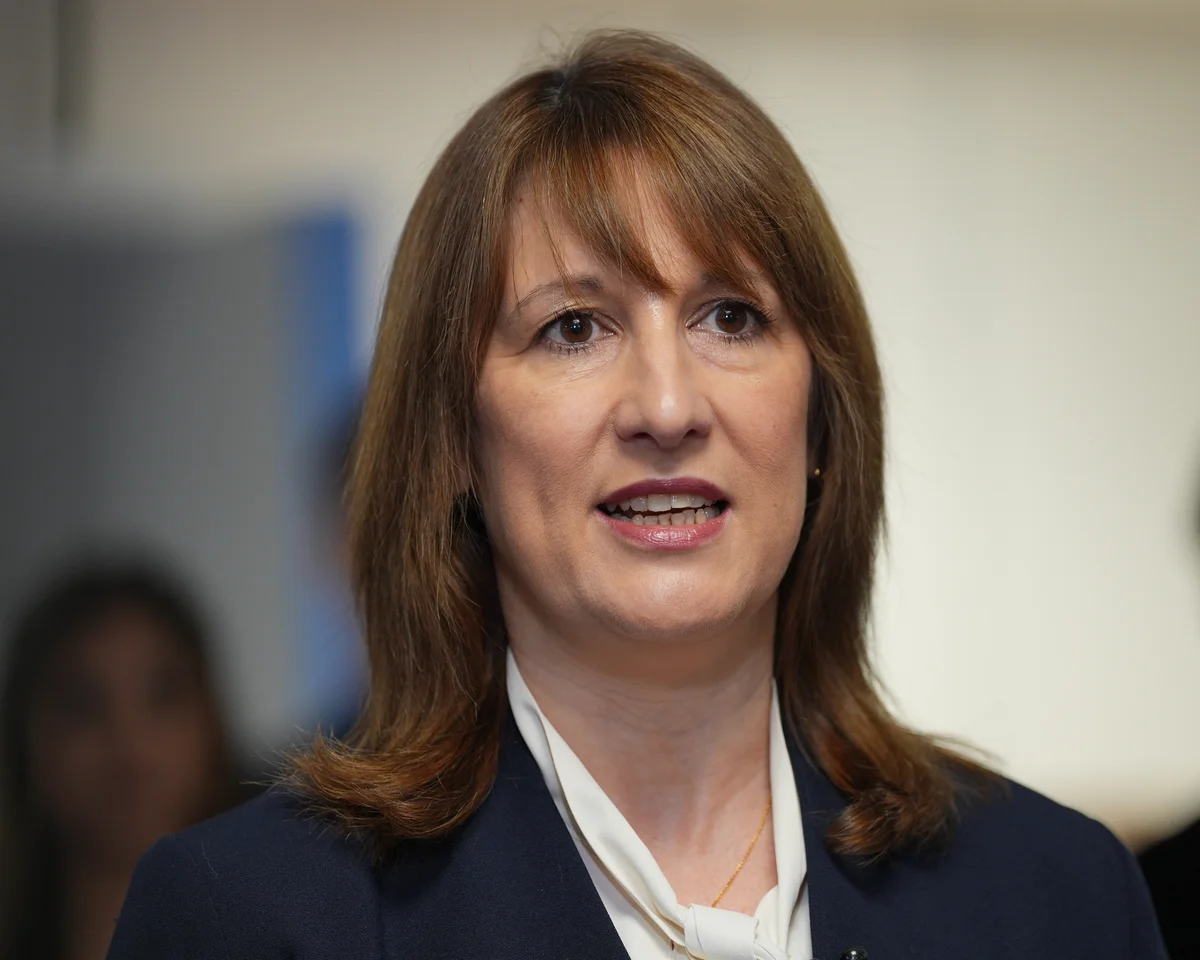
Rachel Reeves faces a defining moment as Middle East conflict rattles fragile economic optimism across Britain. The Middle East conflict has sent energy markets soaring, threatening her plans to tame inflation and revive growth. Economists warn that rising oil and gas prices could quickly derail the stability she hopes to project today. As the Chancellor prepares her spring forecast, global events are again reshaping the domestic agenda.
The renewed tensions follow a widening confrontation involving the United States and Iran, unsettling financial markets worldwide. Benchmark European gas prices jumped more than forty percent on Monday amid fears of supply disruption. The price of Brent crude rose sharply, fuelling concern about another sustained energy shock. Traders reacted swiftly, recalling the turmoil that followed Russia’s invasion of Ukraine in 2022.
In Westminster, attention now turns to how the Treasury will respond to these pressures. Rachel Reeves is expected to emphasise resilience when she addresses Parliament this afternoon. She will draw heavily on the latest projections from the Office for Budget Responsibility, which indicate the public finances are moving cautiously in the right direction. The Chancellor left herself a £22 billion fiscal buffer in November, designed to shield her fiscal rules from unexpected shocks.
Yet several analysts argue that the Middle East conflict may soon render those forecasts outdated. If energy prices remain elevated for months, inflation could climb once more. Households already feeling stretched would face renewed cost of living pressures. That prospect risks undermining one of the government’s central economic promises.

Mujtaba Rahman of the Eurasia Group described the situation as a severe external headwind. He noted that the government has limited control over geopolitical shocks of this magnitude. According to Rahman, the two areas ministers have highlighted most proudly are now vulnerable. Falling inflation and lower interest rates were intended to signal a turning point.
James Smith, chief economist at the Resolution Foundation, echoed those concerns in measured tones. He said the inflation outlook now appears less benign than previously anticipated. Prolonged instability in the Gulf could intensify price pressures across supply chains. Much depends on whether energy markets stabilise or continue climbing.
Before the recent escalation, investors expected the Bank of England to cut interest rates at its meeting on 19 March. Markets were pricing in roughly an eighty percent probability of a reduction. By Monday afternoon that likelihood had dropped to just above fifty percent. The shift reflects anxieties that renewed inflation would constrain policymakers.
For the Chancellor, lower borrowing costs have been central to her growth strategy. She and her advisers have argued that easing rates would encourage investment and consumer spending. A slowdown in rate cuts could stall that fragile recovery. Business leaders remain watchful, aware that confidence can evaporate quickly.
Chris Beauchamp, chief market analyst at IG, compared the current turbulence to 2022. That year saw dramatic spikes in oil and gas prices after Russia invaded Ukraine. He warned that another sustained surge could disrupt plans for further rate reductions. Policymakers may again face the delicate balance between inflation control and economic support.
Political debate has intensified as energy prices climb. The Liberal Democrats urged ministers to reconsider planned increases in fuel duty. Daisy Cooper, the party’s Treasury spokesperson, argued that families require immediate relief. She said pressing ahead with a September fuel duty rise would compound existing strains.
Government sources insist that stability remains their guiding principle. They highlight that inflation has fallen markedly from its peak. They also point to improving wage growth in several regions. Yet they acknowledge privately that external shocks complicate every forecast.
The Middle East conflict arrives at a delicate economic juncture. Growth in the final quarter of 2025 registered just 0.1 percent. That figure was weaker than earlier projections suggested. However, recent business surveys have indicated tentative signs of recovery.
Manufacturers reported improved order books at the start of 2026. Service sector firms also described a modest pickup in activity. These glimmers of optimism now face renewed uncertainty. Higher energy costs could erode margins and dampen hiring plans.
Financial markets responded swiftly to Monday’s developments. There was a modest sell-off in UK government bonds, known as gilts. Ten-year yields rose by five basis points to 4.28 percent. Although the move was limited, it underscored investor caution.
Lower gilt yields since November had provided welcome relief for the Treasury. Reduced borrowing costs ease pressure on the public finances. Any sustained rise in yields would narrow the Chancellor’s fiscal headroom. That reality looms large as she prepares to speak.
Energy analysts stress that supply disruptions remain a key risk. Shipping routes through the Strait of Hormuz are particularly sensitive. Any prolonged interruption could reverberate through global markets. European economies remain exposed to imported gas and oil.
British households remember vividly the surge in bills during 2022 and 2023. Government support packages cushioned some of the blow. Even so, many families accumulated debt or depleted savings. Another price spike would test resilience once again.
Retailers warn that consumer confidence is still fragile. Many shoppers remain cautious despite easing inflation. Higher petrol and heating costs could dampen discretionary spending. That would complicate efforts to stimulate broader growth.
Business groups are calling for clear communication from ministers. They argue that transparency helps maintain market confidence during turbulent periods. Investors seek reassurance that fiscal rules will be respected. At the same time, companies want flexibility if conditions deteriorate.
Rachel Reeves is likely to strike a careful balance in her statement. She must acknowledge the seriousness of the Middle East conflict. Yet she will aim to project calm and continuity. Her message will emphasise that the government has already taken difficult decisions.
The Chancellor’s allies argue that structural reforms are beginning to bear fruit. They cite improvements in labour market participation and planning reform progress. Critics counter that growth remains too sluggish. The coming months may determine which narrative prevails.
International observers are also watching Britain’s response closely. The UK economy is deeply integrated into global trade flows. External shocks can amplify domestic vulnerabilities quickly. Coordination with allies may prove essential.

As events unfold, much depends on diplomatic developments. A swift de-escalation could stabilise markets within weeks. Conversely, prolonged hostilities would entrench volatility. Economists caution against drawing firm conclusions prematurely.
For now, the Middle East conflict casts a long shadow over economic planning. It highlights the interconnected nature of modern economies. Decisions taken thousands of miles away reverberate in British households. The Chancellor’s challenge lies in navigating uncertainty without surrendering momentum.
Her spring forecast will attempt to chart that path. It will combine fiscal discipline with cautious optimism. Whether markets share that confidence remains uncertain. What is clear is that global instability has once again intruded upon domestic priorities.
In the coming days, attention will focus on the Bank’s policy meeting. Investors will scrutinise every signal from policymakers. Households will watch energy prices anxiously. The government hopes that resilience, not crisis, becomes the defining theme.
Related News:
 Reeves Faces Setback as Labour May Miss Homes Target
 Trump’s UK Ambassador Urges North Sea Drilling to Strengthen US Ties
 ABF May Split Primark from Food Division Amid Tough Market
 UPS Cargo Plane Crash in Kentucky Kills Seven
 M&S Profits More Than Halve After Cyber-Attack
 Tony Blair think tank warns Rachel Reeves must cut taxes if manifesto broken
 Oprah enjoys Meghan’s jam on English muffins
 Millionaires group urge Reeves to introduce wealth tax to ‘lift kids out of poverty’
 UK toy market enjoys bumper year as ‘kidults’ fuel demand
 Global markets drop amid tech sell-off and China slowdown
 PM Highlights UK Business at G20 in South Africa
 Mossmorran Plant Closure Hits Cowdenbeath Hard
 UK Taskforce Unveils Plan to Streamline Nuclear Reactor Rules
 Steel billionaire Lakshmi Mittal reportedly leaves UK
 Starmer Says Labour’s Economic Plan Needs Years to Deliver
 Virgin Media Fined £23.8m Over Telecare Safety Failures
 Rising Water Bills Lift Troubled Thames Back to Profit
 Sainsbury’s CEO leads business honours in New Year list
 Starmer Faces Parliamentary Battles Over UK-EU ‘Reset’ Plan
 Phoenixism Costs UK Taxpayers Millions in Recruitment Sector
 ScottishPower Tops List of Worst UK Energy Suppliers
 City & Guilds pay surge sparks backlash amid £22m cuts
 UK Government Borrowing Drops to £11.6bn in December
 AI job losses UK: Britain faces sharper employment shock
 Most young adults in UK fear uncertain jobs and economic future
 Royal Mail delivery delays affect 16 million during Christmas
 UK Housing Market Shows Early Recovery Signs
 UK economy struggles as growth stalls at 0.1% in late 2025
 Bank of England Urged to Cut Rates to Spur Growth
 UK Unemployment Rate Climbs to 5.2% Peak
 UK shelves £110m border project amid trade strain
 UK Inflation Surprise Sparks Early Rate Cut Hopes
 Progress on gender equality at top UK firms ‘achingly slow’
 Reeves Must Back Defence Plan or Face Dismissal, Says Unite Chief
 Switching Energy Deal Can Save £200 as Price Cap Falls
 OBR Reform Row Deepens Before Spring Forecast
 UK Hotel Data Sharing Probe Shakes Global Chains
 Grocery Inflation Rises Amid War Fears
 Peak Greggs fears as profits tumble sharply
 BrewDog sold Highland estate for knockdown price after abandoning reforestation plans
 Yorkshire Water Funding Sparks Debate Amid Fines and Pay Row
 John Lewis bonus returns after four years as profits rise
 New £10bn rescue plan offered for Thames Water
 UK Energy Reform Could Cut Bills by £200
 UK Doubles Steel Tariffs to 50% to Protect Domestic Plants
 Starmer Adviser Urges New Profit Cap on Energy Firms
 Hospitality Sector Teeters on Brink as Costs Surge
 Iceland Boss Offers Role to Sacked Waitrose Employee
 Student Loan Interest May Rise Despite 6% Cap
 Major Housebuilder Cuts Land Buying Amid Global Unrest
 City & Guilds Sale Sparks Fees and Pay Uproar
 Heathrow Chair Seeks Peace to Save Third Runway
Carillion Executives Banned After Reckless Misconduct
Heathrow Chair Seeks Peace to Save Third Runway
Carillion Executives Banned After Reckless Misconduct
 Labour Faces Internal Pressure for Bold Economic Shift
 Millionaires Back Higher Taxes to Save UK Public Services
 Crypto Tycoon Enters UK Rich List at Number Six
 UK Firms Freeze Spending as Iran Conflict Bites
 Summer Shock: British Energy Bills Set for Grim July Hike
 Reeves to Fast-Track Clean Energy Amid Iran Crisis
 M&S Boss Slates Food Price Caps as ‘Preposterous’
 UK Pushes for New EU Goods Trade Deal
 UK Urged to Build EU Rejoin Consensus, Says Miliband
 Tube Strike Brings Capital to a Standstill Over Shift Disputes
 BP Stands Firm on Amanda Blanc Amid Boardroom Storm
 Steel Tensions Rise Between United Kingdom and European Union
 UK House Prices Drop For Third Month Due To War Fears
 Top Chefs Back Andy Burnham to Save UK Hospitality Sector
 UK Steel Crisis: Jingye Demands Payout After Takeover
 Flutter to Cancel London Stock Exchange Share Listing
 AI Scams Push UK Investment Fraud Past £220m
 Whitehall Steps In: The Battle Over Thames Water Deepens
 Thames Water Nationalisation Pushes Closer After Rescue Objected
 John Lewis Invests £20m in Glasgow Store Upgrade
 Andy Burnham Enlists Economic Heavyweights for Leadership Bid
 Tories Clinch Shock Victory in Aberdeen South Byelection
 Rethinking the Blueprint for Youth Employment in Britain
 Sainsbury’s Boss Optimistic As Grocery Inflation Eases
 UK Households Suffer Squeeze As Disposable Incomes Drop
 Bank of England Eases Rules Despite Rising AI Risks
 BBC Faces Real Jeopardy as Licence Fee Income Declines