Published: 3 March 2026. The English Chronicle Desk. The English Chronicle Online
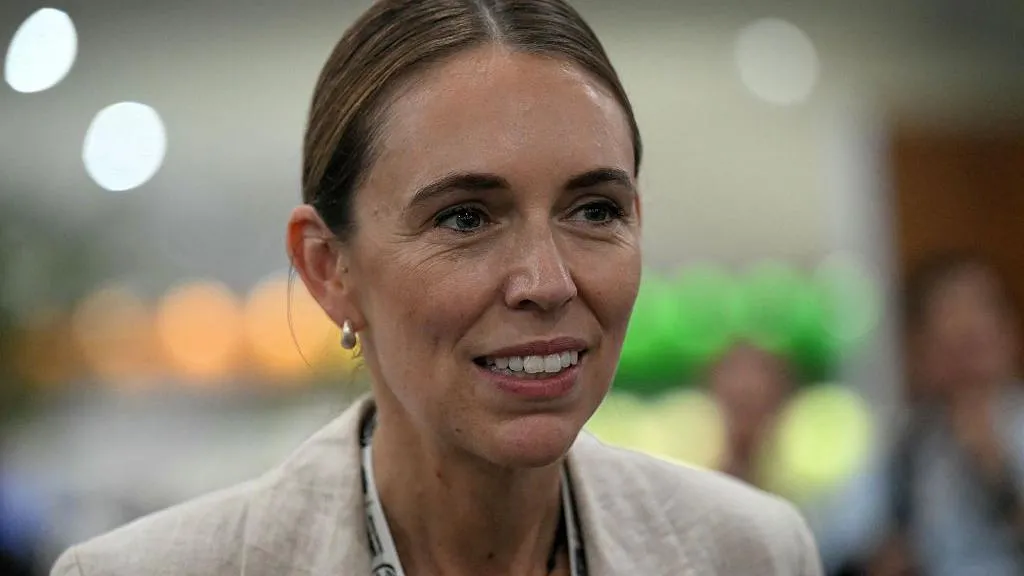
Former New Zealand prime minister Jacinda Ardern and her family have relocated to Australia, a move that has intensified discussion about New Zealand’s longstanding brain drain issue. Ardern, who served as the country’s leader from 2017 until her resignation in early 2023 citing burnout, is now based in Australia where she and her husband reportedly have work opportunities and can still spend time in New Zealand.

Ardern’s decision to live across the Tasman Sea follows a broader pattern of New Zealanders moving to Australia. In the year leading up to August 2025, tens of thousands of New Zealand citizens left the country, with the majority settling in Australia to take advantage of higher wages, more job opportunities and close cultural ties. The ease of relocation is facilitated by policies that allow New Zealanders to live and work in Australia without stringent visa requirements, contributing to long‑term demographic shifts.
Economists and social commentators say the migration trend represents more than just individual choices; it reflects structural issues in New Zealand’s economy including slower wage growth, rising living costs and limited high‑skilled employment prospects. Critics argue that losing talented professionals — from tech specialists to academics and health workers — could dampen economic competitiveness and innovation in New Zealand over time if the trend continues unchecked.
Supporters of greater mobility note that migration has long been part of the Trans‑Tasman relationship, and that people move for personal and professional reasons. Nonetheless, Ardern’s high profile has brought renewed public attention to the debate, highlighting how even prominent national figures find opportunities abroad appealing enough to prompt permanent relocation.
Policy responses remain a topic of debate among New Zealand politicians. Some call for increased investment in sectors that attract and retain talent, while others encourage strengthening regional economic ties and international mobility as mutually beneficial. The government has acknowledged the scale of emigration but says targeted measures to improve living standards and job opportunities are part of broader economic policy goals.

Ardern’s move has thus become a symbolic milestone in the discussion about New Zealand’s demographic and economic future, serving as a focal point for conversations on how to reverse or mitigate the long‑standing outward flow of skilled citizens.
Related News:
 Coalition crisis deepens after Nationals frontbench resignations
 Andrew Hastie Emerges as Leadership Rival to Ley
 Australian PM Says Former Prince Andrew Has Suffered ‘Extraordinary Fall’ but That Won’t Prompt Republic Referendum
 Security Threat Against Australian PM Linked to Banned Chinese Dance Group
 Security Threat Linked to Chinese Dance Group Triggers Bomb Scare for Australian PM
 Kinnock’s Rebuke Echoes Loudly as Corbyn Allies Launch Left-Wing Breakaway: “A Gift to Farage”
 UK and Norway Forge Stronger Ties Through Joint Sanctions and Enhanced Defence Cooperation
 Trump Administration Dismisses 17 Immigration Judges, Sparking Debate Over Judicial Independence
 UK Must Act with Courage and Clarity on Israel-Palestine Conflict, Says Foreign Affairs Committee Report
 Trump Threatens 100% Tariff on Nations Importing Russian Oil Amid India Standoff Over Ukraine War
 Radioactive Leak at UK’s Nuclear Warhead Base Sparks Outcry Over Safety and Secrecy
 Mutual Inconvenience: Why Alaska Was Chosen for the Trump-Putin Summit on Ukraine
 Hong Kong Summons UK and Australian Envoys Following Asylum Grants to Democracy Activists
 Is the UK Ready to Put Boots on the Ground in Ukraine? Assessing Military Capacity and Challenges
 Conservative Influencer Charlie Kirk Fatally Shot During University Debate
 Thousands Gather in London to Protest Donald Trump’s Second UK State Visit
 Channel Crossings Surge: Over 1,000 People Arrive in the UK in Small Boats in a Single Day
 Widow of Charlie Kirk Forgives Killer at Emotional Memorial Service
 Yvette Cooper Signals Global Momentum Towards Gaza Peace Deal Amid Humanitarian Crisis
 A Third of EU Citizens in UK Report Discrimination by Public Bodies Post-Brexit
 Public Trust in SNP Hits Historic Low Amid NHS Concerns
 Johnson Suggests Mandelson Linked to China Spy Controversy
 Rachel Reeves signals welfare reform ahead of key budget
 Ireland Votes as Two Women Compete for Presidency
 Russia’s Latest Push to Win US Favors Shows Deep Desperation
 Experts Warn Russia’s Burevestnik Missile Could Destabilise Arms Control
 BBC to Apologise Over Edited Trump Speech Amid Backlash
 Britain deploys RAF specialists to assist Belgium with drone threats
 Trump Urges Herzog to Grant Netanyahu Full Pardon
 US Justice Department Files Lawsuit Against California Over Partisan Voting Maps
 Indian authorities demolish Kashmir home linked to Red Fort blast
 Greene Pushes Epstein Files Amid Trump Fallout
 Trump Deploys DHS to Charlotte in Major Arrest Operation
 December Run-Off in Chile as Election Produces No Winner
 Canada Passes Carney’s First Budget in Tight Parliamentary Vote
 Shadow Fleet at Sea: Europe’s Battle Against Illicit Oil Shipping
 Pentagon Officials in Ukraine to Discuss War End
 India’s COP30 Delay Raises Global Climate Concerns
 Venezuela Threatens Nobel Winner Machado with Fugitive Status
 Georgians Defy Government Crackdown After Year of Protests
 EU plans $105bn Ukraine aid using frozen Russian assets
 Russia losses Ukraine war peace talks intensify amid rising deaths
 Albanese Opens Door to Bondi Royal Commission Amid Rising Pressure
 Trump Escalates Minnesota Immigration Surge Amid Rising Tensions
 Iran Protesters Defy Crackdown as Violent Clashes Intensify
 Trump Threatens Strong Action If Iran Executes Protesters
 Machado Trump medal gesture reshapes Venezuela power struggle
 EU weighs response amid Greenland tariff crisis with Trump
 Sydney Shark Attack Surge Shocks Australia Beaches
 Sussan Ley leadership milestone shakes Liberal future
 EU Says US Ties Have Suffered ‘Big Blow’ After Greenland Crisis
 Starmer China visit raises human rights pressure on Beijing
 Israel Moves to Bar MSF From Gaza Operations
 Fears of New Arms Race as US-Russia Nuclear Weapons Treaty Expires
 Australia’s Opposition Coalition Reunites After Rift
 Tarique Rahman’s Rise Toward Bangladesh’s Top Job
 After the Landslide: Can India Reset Ties with BNP Bangladesh?
 Australian Families Leave Syrian Camp for Home
 Starmer Weighs Fast-Tracking Defence Boost
 Macron Rebuked in Franco-German Defence Row
 Trump Attacks UK-California Energy Pact
 Nine Arrested in France Over Death of Far‑Right Student
 South Korea’s Ex-President Faces Death Penalty in Insurrection Trial
 Trump and Chagos Deal Rift Over Iran Strikes
 Andrew Arrest Sparks Republic Debate in Australia
 Global corruption crisis: Who Washington shields
 Musk Cuts Starlink Access for Russian Forces – Giving Ukraine an Edge at the Front
 Farage Chagos Islands Row Sparks Fury
 How South Korea’s Democracy Rebounded After Martial Law Attempt
 Ukraine Negotiator Reveals What It Feels Like Facing Russia
 Chad Shuts Border With Sudan in Bid to Stop Conflict Spreading
 French Minister Moves to Block US Envoy Kushner from Government Access
 Sydney kidnapping mystery deepens as grandfather’s remains found after mistaken abduction
 Trump Speech Sparks Intense Debate Across Divided America
 Has Europe truly learned from the failures of 2022?
 American Citizen Killed in Cuba Boat Shooting, U.S. Officials Say
 Liberal Review Shelved After Historic Election Loss
 Iran’s Regime Still Intact — Coming Days Will Test Its Survival
 Allies of US in the Gulf Bear Brunt of Iran Attacks
 Trump Faces Questions Over Iran Conflict Plan