Published: 3 March 2026. The English Chronicle Desk. The English Chronicle Online
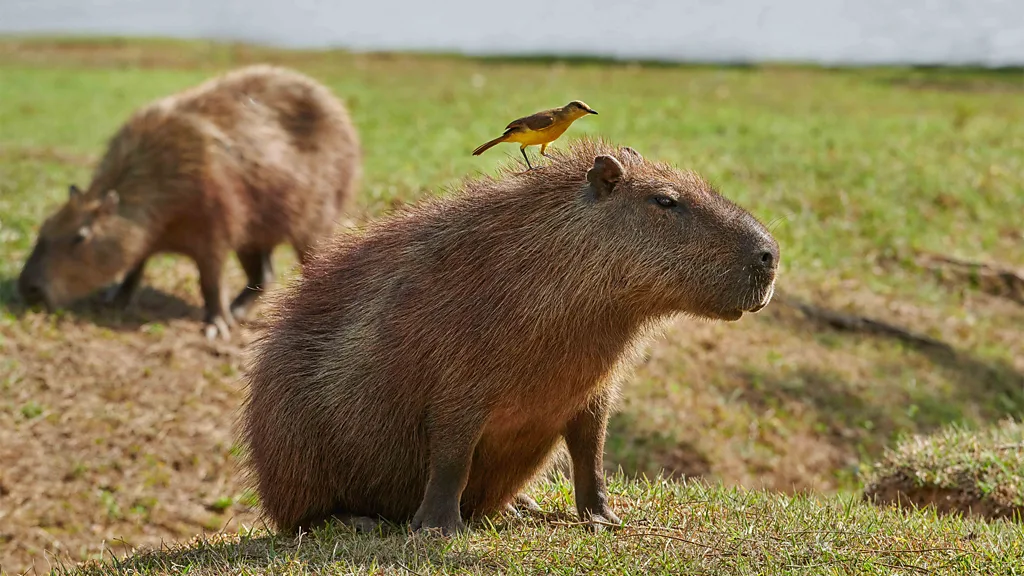
Far from the savannas of Africa, a vast grassland wilderness in northern South America — often dubbed the “Serengeti of South America” by travellers and nature writers — stretches across Guyana, Venezuela and neighbouring Brazil. This region’s sweeping tropical grasslands and savannas offer a spectacular yet little‑known wildlife experience that rivals the famous plains of East Africa in scale and biodiversity.

The most prominent of these South American grassland ecosystems is the Rupununi Savannah, a sprawling savanna plain in Guyana’s Upper Takutu‑Upper Essequibo region. Characterised by open grasslands, seasonally flooded wetlands and patches of rain‑forest, the Rupununi supports a remarkable variety of wildlife and bird species, making it a prime destination for ecotourism and wildlife enthusiasts. Indigenous communities such as the Wapishana and Makushi have lived here for centuries, preserving much of the area’s natural heritage.
The Rupununi’s biodiversity is striking: the region teems with approximately 250 bird species, including rare and endemic birds, and hosts jaguars, harpy eagles, giant anteaters and other large mammals typical of South American savannas. Its grasslands are dissected by rivers and wetlands that flood seasonally, creating dynamic landscapes that shift dramatically with the rains.
Ecologists and conservationists see the Rupununi as one of South America’s most intact grassland ecosystems, similar in ecological complexity to the African Serengeti’s expansive plains and seasonal migrations, though the specific species and ecological processes differ. South America’s grassland biomes — including the continent‑spanning Llanos across Colombia and Venezuela — also support rich communities of flora and fauna adapted to seasonal wet and dry cycles, contributing to the continent’s biodiversity and ecological significance.
Travel writers highlight the Rupununi’s remote beauty and relative lack of mainstream tourism, describing long stretches of open savanna punctuated by waterways, birdlife and the occasional jaguar track. Unlike the well‑trod safari routes of Africa, this region offers a quieter, more immersive encounter with nature for travellers willing to venture off the beaten path.

Despite its ecological value, the Rupununi faces pressures from development and agricultural expansion, raising concerns about preserving its wilderness character. Conservation efforts aim to balance sustainable ecotourism and the livelihoods of local communities with protecting this “hidden Serengeti” of South America for future generations.
Related News:
 Two Britons Among Three Dead in French Alps Avalanche
 Cuban Cigar Festival Cancelled Amid US-Linked Energy Crisis
 Jet2 Hands Passengers Life Ban After Mid‑Air Brawl
 Dual Nationals Face Scramble for UK Passports as New Rules Come Into Force
 Inland Australia Town Turns Streets into a Beach for Volleyball Contest
 Major 7.1 Earthquake Strikes Off Malaysian Tourist Coast
 Brit Killed in Horror Bus Crash as 18 Others Die and 25 Injured
 Storm Hernando: Edinburgh Airport Flights Cancelled in US Travel Chaos
Storm Hernando: Edinburgh Airport Flights Cancelled in US Travel Chaos
Storm Hernando: Edinburgh Airport Flights Cancelled in US Travel Chaos
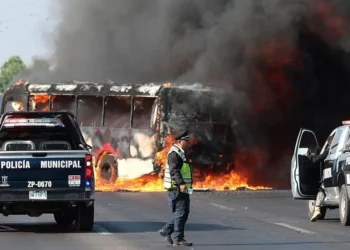 ‘Burned and Destroyed’: Locals and Tourists Describe Mexico Unrest
 Probe After Illness Kills 72 Tigers in Thailand
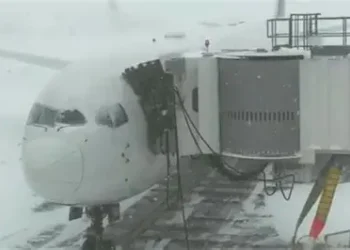 More Than 5,000 Flights Cancelled as US East Coast Digs Out of Record Snow
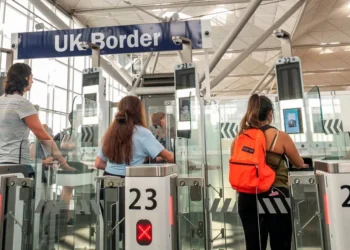 UK’s New Travel System: What It Is and How Dual Nationals Are Impacted
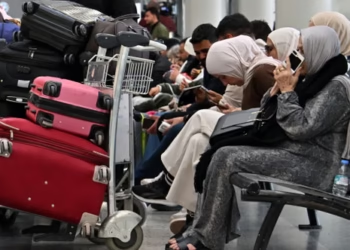 Middle East Airspace Crisis Strands Thousands
 Flights Cancelled and New Travel Warnings Issued After Iran Strikes
 Islanders Advised on Travel to Middle East Amid Escalation
 Australian GP Confident Amid Travel Disruption
 Limited Flights Leave UAE But Disruption Continues Amid Iran Strikes
 UK Must Act with Courage and Clarity on Israel-Palestine Conflict, Says Foreign Affairs Committee Report
 Tottenham Takes On Newcastle
 Radioactive Leak at UK’s Nuclear Warhead Base Sparks Outcry Over Safety and Secrecy
 Terence Stamp, ’60s British Film Legend and Star of Superman, Dies at 87
 Hong Kong Summons UK and Australian Envoys Following Asylum Grants to Democracy Activists
 Is the UK Ready to Put Boots on the Ground in Ukraine? Assessing Military Capacity and Challenges
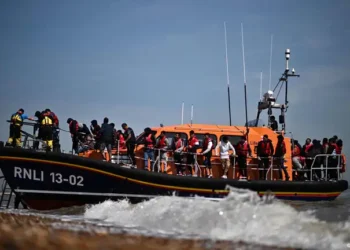 Channel Crossings Surge: Over 1,000 People Arrive in the UK in Small Boats in a Single Day
 Widow of Charlie Kirk Forgives Killer at Emotional Memorial Service
 Public Executions in Gaza City Captured on Video Amid Ongoing Conflict
 Macron Phones Trump Over Traffic Jam in New York
 Comey Indictment Deepens Fears of Political Retribution Under Trump
 Google at 27: The Untold Story of Ruth Kedar, the Woman Behind the Iconic Logo
 Yvette Cooper Signals Global Momentum Towards Gaza Peace Deal Amid Humanitarian Crisis
 “It Was Very Tough, But I Love Life”: Former Israeli Hostage Rebuilds Life After Family Killed by Hamas
 Chaos at Ibrox as Martin’s Rangers Era Comes to an End
 Trump Claims Modi Has Agreed to Halt Russian Oil Imports Amid Heightened US Pressure
 Russia’s Latest Push to Win US Favors Shows Deep Desperation
 BBC to Apologise Over Edited Trump Speech Amid Backlash
 Britain deploys RAF specialists to assist Belgium with drone threats
 Trump Urges Herzog to Grant Netanyahu Full Pardon
 Indian authorities demolish Kashmir home linked to Red Fort blast
 Greene Pushes Epstein Files Amid Trump Fallout
 December Run-Off in Chile as Election Produces No Winner
 Zelenskyy Signs Fighter Jet Deal Amid Russian Drone Attacks
 Shadow Fleet at Sea: Europe’s Battle Against Illicit Oil Shipping
 Tiny Curacao Makes History as Smallest Nation to Reach World Cup
 India’s COP30 Delay Raises Global Climate Concerns
 US Suspends Afghan Immigration After White House Shooting
 Georgians Defy Government Crackdown After Year of Protests
 ‘Extinct’ Antelope Returns to Sahara, Bringing Hope
 Facebook Slow to Remove Bondi Attack Praise, Anti-Hate Group Claims
 Trump Weighs Response to Iran Crackdown as Tehran Says Communication Open With US
 US Clears Nvidia AI Chip Sales to China in Policy Shift
 Gulf states warn Trump Iran strikes risk wider Middle East war
 Sydney Shark Attack Surge Shocks Australia Beaches
 EU Says US Ties Have Suffered ‘Big Blow’ After Greenland Crisis
 UK New Car Discounts Near £6,000 as Prices Are Slashed
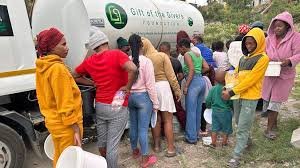 South Africa’s Garden Route Gem Faces Looming Water Crisis
 Portugal Election Delivers Socialist Win as Far Right Surges
 Australian Families Leave Syrian Camp for Home
 Starmer Weighs Fast-Tracking Defence Boost
 ‘I Would Scream in My Sleep’: Alawite Women from Syria Tell of Kidnap and Rape
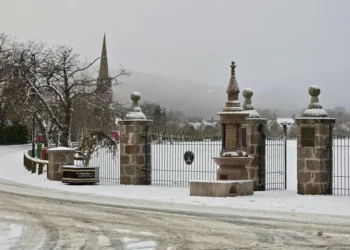 Snow and Rain Warnings as Cold Snap Continues in the UK
 Nine Arrested in France Over Death of Far‑Right Student
 Indian University Kicked Out of AI Summit for Claiming Chinese Robot Dog as Its Own Invention
 Epstein Eyed Record Label Investment to Access Women, Files Suggest
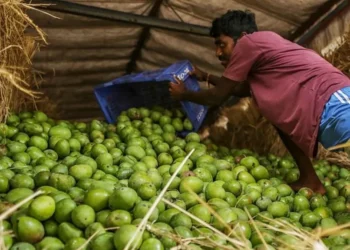 How Do You Modernise Mango Farming? India’s Growers Urged to Innovate as Climate Change Hits
 Australian PM Says Former Prince Andrew Has Suffered ‘Extraordinary Fall’ but That Won’t Prompt Republic Referendum
 Musk Cuts Starlink Access for Russian Forces – Giving Ukraine an Edge at the Front
 Farage Chagos Islands Row Sparks Fury
 Ukraine Negotiator Reveals What It Feels Like Facing Russia
 Chad Shuts Border With Sudan in Bid to Stop Conflict Spreading
 French Minister Moves to Block US Envoy Kushner from Government Access
 Drugs, Denial, Stigma: Fiji’s HIV Crisis Hits Children
 ‘We’ve been paying for happy endings for Andrew for years’: inside the royal disgrace, biographer says
 Louvre Museum Director Resigns Months After High‑Profile Heist
 Rolling Hills and Heritage: A Car-Free Break in Leicestershire
 Hilary Knight speaks out on Trump’s recent hockey remarks
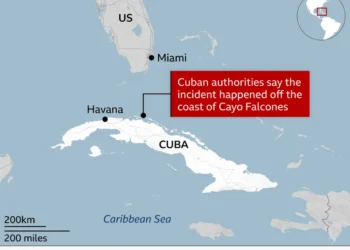 American Citizen Killed in Cuba Boat Shooting, U.S. Officials Say
 Iran’s Regime Still Intact — Coming Days Will Test Its Survival
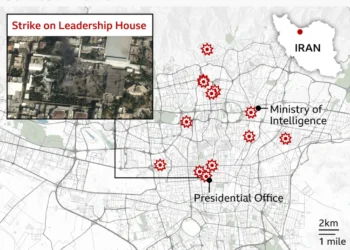 In Maps: Strikes Across Iran and the Middle East
 The Third Day of the US‑Israeli War With Iran