
Published: March 3, 2026 . The English Chronicle Desk . The English Chronicle Online
British pop icon Boy George has revealed that he is using the artificial intelligence tool ChatGPT as part of his creative process to write new songs — an unusual fusion of legacy music talent and cutting-edge technology that reflects broader shifts in how artists approach songwriting in the digital age. The singer, best known as the frontman of Culture Club, spoke candidly about his use of the AI platform while discussing his latest creative work on the Happy Place podcast hosted by Fearne Cotton.

At 64, the veteran musician said he enjoys having “fantastic conversations” with ChatGPT, prompting the AI with ideas and then refining the output based on his own instincts and lyrical style. Boy George described instructing the chatbot to generate lyric suggestions and then rejecting lines he doesn’t like, effectively training the model to better suit his artistic voice over time. “I have fantastic conversations with ChatGPT,” he told the podcast, adding that it works by offering drafts that he edits until they reflect his own creative sensibilities.
The Culture Club star said he’s not concerned about privacy or cybersecurity warnings sometimes associated with AI tools; when a podcast guest joked about the possibility of someone in China “listening in” through the technology, Boy George responded with indifference, noting that he has been successful as an artist and values creative experimentation. He pointed out that his recent work, including new Culture Club tracks, has reached number-one positions around the world, suggesting that blending traditional songwriting with AI assistance has not diminished his commercial appeal.
Boy George’s comments come amid wider debate in the music industry about the role of artificial intelligence in creative work. While some artists and producers embrace generative AI as a tool for inspiration and efficiency, others fear it may undercut human creativity or complicate copyright and revenue structures. Industry figures such as Universal Music Group’s Sir Lucian Grainge have previously expressed concern that AI-generated music could disrupt established norms for songwriting and artistic compensation.
In his podcast appearance, Boy George suggested that AI doesn’t replace his own creative identity. Instead, he uses it as a kind of conversational partner to spark ideas, then applies his own judgement to shape and polish the material. He said he appreciates not having to “worry about what anyone thinks” when prototyping ideas with the chatbot, a freedom he contrasts with conventional songwriting collaborations.

The development highlights how artists from across generations are experimenting with technology to expand their creative horizons. As generative AI tools improve and become more widely integrated into different creative industries, questions about artistic authenticity, intellectual property and the future of collaborative creation remain at the forefront of public discourse.
Related News:
 Pokémon to open world’s first theme park in Japan next year
 The Chinese AI App Sending Hollywood Into a Panic
 Anthropic Boss Rejects Pentagon Demand to Drop AI Safeguards
 A New Wrestling Revolution: Fox Nation Teams with Hulk Hogan and Eric Bischoff for Groundbreaking League
 India and US Collaborate to Launch Groundbreaking Satellite for Earth Observation
 Unseen Killers of the Deep Inside the UK Lab Uncovering the Silent Deaths of Sea Creatures
 Gen Z Embraces the Big, Bold ‘Fake’ Indian Wedding Party Trend
 Terence Stamp, ’60s British Film Legend and Star of Superman, Dies at 87
 Kneecap Pushes Forward with European Tour Despite Hungary Ban and Canceled Gigs
 British AI Startup Outshines Human Forecasters in Global Prediction Contest
 History Will Remember Who Showed Up: Pressure Mounts on Keir Starmer to Attend Cop30 Summit
 UK Fighter Jet Purchase Could Breach Nuclear Treaty, Warns CND
 Google at 27: The Untold Story of Ruth Kedar, the Woman Behind the Iconic Logo
 Russia repeatedly targets UK military satellites, warns Space Command chief
 Cooper Unveils £4m Cyber Plan Against Russian Hackers
 Fabio Wardley stuns Joseph Parker to earn Usyk title shot
 Experts Warn Russia’s Burevestnik Missile Could Destabilise Arms Control
 Top Christmas Books Reads: Classics to Cozy Romcoms
 I’m a Celebrity 2025 line-up revealed: Osbourne joins
 Britain deploys RAF specialists to assist Belgium with drone threats
 Night after night, Belgium is on high alert.
 Hitler’s DNA Confirms He Truly Had Only One Testicle
 Ukraine to Get 100 French Rafale Jets in Historic Deal
 Poll Reveals China Leads World in Trusting AI Technology
 Australia to Ban Social Media for Kids Under-16 Starting December
 Miss Mexico Wins Miss Universe After Walkout Drama
 US Clears Nvidia AI Chip Sales to China in Policy Shift
 Iran Signals Permanent Break From Global Internet, Activists Warn
 UK New Car Discounts Near £6,000 as Prices Are Slashed
 Musk Wants City on the Moon Within 10 Years
 Robert Duvall dies aged 95, Hollywood mourns
 Actor Robert Duvall, Who Starred in The Godfather, Dies Aged 95
 Netflix and Paramount Are Battling for Warner Bros. — Who Is Likely to Win?
 Indian University Kicked Out of AI Summit for Claiming Chinese Robot Dog as Its Own Invention
 China Shows Off Nunchuck‑Wielding Humanoid Robots for Lunar New Year
 How Do You Modernise Mango Farming? India’s Growers Urged to Innovate as Climate Change Hits
 Live Nation Sees Strong Ticket Sales as Monopoly Lawsuit Looms
 Bill Gates Pulls Out of India’s AI Summit Over Epstein Files Controversy
 Zuckerberg Defends Meta in Landmark Social Media Addiction Trial
 Etsy Sells Second‑Hand Fashion App Depop to eBay for $1.2bn
 Musk Cuts Starlink Access for Russian Forces – Giving Ukraine an Edge at the Front
 Urgent AI Threat Research Needed, Says Google Boss
 Met Police Using AI Tools Supplied by Palantir to Flag Officer Misconduct
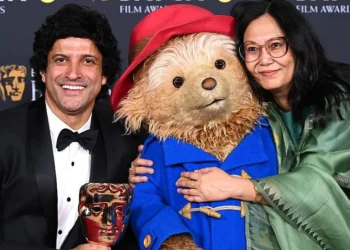 ‘We Pray for Peace’: Indian Filmmaker From Troubled State Who Won a BAFTA
 Man, 83, in Taylor Swift Video Had ‘No Idea Who She Was’
 Martin Short’s Daughter Katherine Dies at 42
 Toxic e-waste found in dolphins raises urgent health concerns
 Mediterranean Storms: A New Era of Climate Tragedies
 Anthropic AI Refuses Pentagon’s Safety Demand
 Netflix Drops Warner Bros Bid, Clearing Way for Paramount Takeover
 Social Media Trial: Woman Says Addiction Began at Six
Instagram Investigating AI Profiles ‘Fetishising’ Disabled People
Social Media Trial: Woman Says Addiction Began at Six
Instagram Investigating AI Profiles ‘Fetishising’ Disabled People
 Jack Dorsey’s Block Cuts Thousands of Jobs as It Embraces AI
 Brady Tkachuk Denies AI Video Claims After Olympic Gold
 Orbital Space Race Heats Up in Arctic North
 How AI Can Read Our Scrambled Inner Thoughts
 The Sad, Strange Story of the World’s Most Radioactive Paradise
 Why Russia Controls Its People With a Flick of a Switch
 South African TV Personality Who Planned to Take His Life Dies Aged 61
 Wellness Peptide Craze: Why People Are Injecting Drugs ‘Not for Human Consumption’
 The US Now Has the Medicine for Cheap Swarming Drone Attacks
 Ozzy Osbourne: The Prince of Darkness Bows Out, Leaving Behind a Legacy of Metal and Myth
 UK Must Act with Courage and Clarity on Israel-Palestine Conflict, Says Foreign Affairs Committee Report
 Yvette Cooper Signals Global Momentum Towards Gaza Peace Deal Amid Humanitarian Crisis
 Chaos at Ibrox as Martin’s Rangers Era Comes to an End
 Paedophile Singer Ian Watkins Dies After Prison Attack
 AI breast screening cuts later cancer diagnoses by 12%, study finds
 Most Statin Side-Effects Are Not Caused by Drugs, Study Confirms
 Portugal Election Delivers Socialist Win as Far Right Surges
 Australian Families Leave Syrian Camp for Home
 ‘I Would Scream in My Sleep’: Alawite Women from Syria Tell of Kidnap and Rape
 Epstein Eyed Record Label Investment to Access Women, Files Suggest
 AI Coding Firm’s ‘Pride’ at Business Award Win
 Meet Robert Aramayo: From Humble Beginnings in Hull to Juilliard and BAFTA Glory After Beating Timothée Chalamet
 Ukraine Negotiator Reveals What It Feels Like Facing Russia
 Drugs, Denial, Stigma: Fiji’s HIV Crisis Hits Children
 Stewart Brand on Musk, Bezos and a Life of Long Thinking
 Hilary Knight speaks out on Trump’s recent hockey remarks
 American Citizen Killed in Cuba Boat Shooting, U.S. Officials Say
 Tracey Emin Says My Bed Would Be ‘Tidy, Clean and Boring’ If Made Today