Published: 04 March 2026. The English Chronicle Desk. The English Chronicle Online.
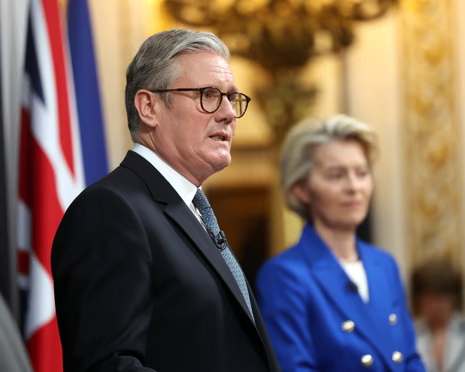
The British government faces a difficult challenge as it tries to navigate a complex post-Brexit world. Members of Parliament have recently expressed significant concerns regarding the current state of international relations. A new report suggests that the UK-EU reset lacks the necessary direction and drive to succeed. This assessment comes from the Foreign Affairs Committee after months of gathering expert witness testimony. The committee acknowledges that political relationships improved after the Lancaster House summit last May. However, they believe the government has failed to define its long-term strategic goals clearly. Without a clear destination, the UK risks falling behind its European neighbors in negotiations. Emily Thornberry serves as the chair of this influential cross-party parliamentary committee. She stated that the current reset appears to be languishing without a firm vision. The committee found that many areas of the government’s plan lack specific timelines. This absence of milestones makes it difficult to measure any real progress being made.
Strategic priorities are essential for the UK to achieve concrete results in Brussels. The report concludes that the European Union has made more progress than the UK. This imbalance suggests that British negotiators are not pushing their own specific demands effectively. The upcoming bilateral summit in July represents a critical moment for the Prime Minister. If the government does not provide a structure, it may repeat previous tactical mistakes. Last year, many officials hailed the May summit as a truly historic turning point. That meeting resulted in a formal agreement to improve the existing Brexit deal. The goals included a youth mobility scheme and rejoining the Erasmus student programme. There was also a strong focus on creating a new agriculture agreement for exporters. Reducing barriers for food exporters remains a top priority for many British businesses today. However, the committee notes that several key areas are still not on the table.

The regulation of chemicals and conformity of standards remain major points of contention now. Mutual recognition of professional qualifications is another area where progress has been very slow. Touring musicians are also waiting for concessions that would allow easier travel across Europe. So far, the only major announcement involves a new deal on the Erasmus programme. This lack of movement on other fronts has caused frustration among many industry leaders. The report also highlights how the European Union has recently changed its goalposts. Brussels is now demanding financial contributions to help lower-income member states develop their economies. This request was notably absent during the discussions held at the summit last year. Such unexpected demands create further friction in the ongoing UK-EU reset process today. Critics argue that these financial requests complicate an already sensitive and difficult negotiation.
Defence and security cooperation have become central themes in the current diplomatic landscape. The committee criticized the high price tag for participating in the Safe initiative. This defence procurement initiative costs the UK approximately two billion euros for participation. Parliament described this specific cost as exorbitant given the current domestic economic climate. Despite the high costs, the report welcomes the new security and defence partnership. It urges both sides to move much faster to ensure regional stability remains. Individual member states are also encouraged to strengthen their own bilateral ties with London. There are reports of talks regarding a second potential fund for Ukraine’s aid. This fund would help provide vital military equipment to those on the frontlines. It would also support budgetary matters like salaries for teachers and doctors abroad. This assistance is crucial for maintaining public services during times of international conflict.
The proposed ninety billion euro fund relies on the EU’s high credit rating. Loans would be repaid using reparations or frozen assets from the Russian state. The UK is reportedly prepared to contribute several hundred million pounds to this. This contribution would help cover interest payments on the massive international loan project. in exchange, British firms would likely receive significant contracts for producing modern arms. This arrangement shows a willingness to cooperate on urgent global security challenges today. However, the committee remains critical of the secrecy surrounding these high-level talks. They urge the government to publish a formal white paper on the matter. Transparency is seen as vital for maintaining public trust in the UK-EU reset. A white paper would allow for proper parliamentary scrutiny of the proposed plans. The report emphasizes that fortune favors the bold in these complex diplomatic efforts.
Economic stability depends on how well the UK manages its relationship with Europe. The UK-EU reset is intended to foster a partnership that is fit for the future. Many experts believe that a strategic vision is the only way forward now. Without this vision, the UK may find itself reacting to events rather than leading. The committee’s report is titled From a Common Understanding to Common Ground. It serves as a reminder that meaningful change requires more than just words. It requires a detailed roadmap with clear objectives and firm deadlines for delivery. The government must demonstrate that it has a plan to protect national interests. This involves balancing domestic needs with the realities of international trade and cooperation. Many voters are watching closely to see if the government delivers on promises. The July summit will be a major test for the Prime Minister’s leadership.
The political landscape in Westminster is often divided on matters of European policy. However, the need for a functional and productive relationship is widely accepted now. The UK-EU reset must address the concerns of both businesses and private citizens. Small companies are particularly affected by the various trade barriers currently in place. Improving the flow of goods and services is essential for long-term economic growth. The committee suggests that the government should be more ambitious in its negotiating stance. They believe that showing strength now will reap significant rewards in the years ahead. This approach requires a unified front and a clear set of national priorities. The report highlights that the current lack of drive is a major hindrance. Moving forward, the government must prove that it can handle these complex negotiations. Success will require a blend of diplomacy, economic strategy, and political willpower.
As the second bilateral summit approaches, the pressure on the government continues to mount. The UK-EU reset is a long-term project that requires constant attention and effort. Public perception of the deal will depend on visible improvements in daily life. For students, the return to Erasmus is a very positive and welcome development. For farmers, a reduction in export red tape would be a massive relief. These tangible benefits are what the public expects from a successful diplomatic reset. The committee’s findings serve as a constructive critique of the current administration’s path. It is a call to action for ministers to refine their strategic approach. By setting clear goals, the UK can negotiate from a position of clarity. This will help ensure that the final agreements are fair and balanced. The path to a stable partnership is rarely easy or straightforward for anyone.

International observers are also keeping a close eye on these British diplomatic developments. The UK-EU reset has implications for global trade and security alliances across the world. A strong and stable UK-EU relationship benefits the entire Western democratic alliance today. It provides a foundation for tackling global challenges like climate change and migration. Cooperation on these issues is more effective when built on a solid partnership. The report suggests that the UK has a unique opportunity to lead. However, this opportunity requires the government to act with more confidence and speed. Delaying key decisions only creates uncertainty for markets and the general public alike. The committee hopes that their report will spur the government into decisive action. Every month of delay is a missed opportunity for British businesses and citizens. The time for vague promises has passed and the time for action is here.
In conclusion, the path forward for the UK and the EU remains complicated. The UK-EU reset is a vital part of the nation’s post-Brexit foreign policy. While some progress has been made, much more work is still required now. The government must address the criticisms laid out by the Foreign Affairs Committee. By providing direction and drive, they can build a partnership that lasts. This will require transparency, ambition, and a clear sense of national purpose. The upcoming summit in July offers a chance to reset the current trajectory. It is an opportunity to move beyond the rhetoric and deliver real results. The English Chronicle will continue to follow these important developments very closely. Readers can expect further updates as the government responds to these significant findings. The future of the UK’s place in Europe depends on these decisions. A successful reset will pave the way for a more prosperous future.
Related News:
 BBC to Apologise Over Edited Trump Speech Amid Backlash
 Britain deploys RAF specialists to assist Belgium with drone threats
 US Justice Department Files Lawsuit Against California Over Partisan Voting Maps
 Greene Pushes Epstein Files Amid Trump Fallout
 Trump Deploys DHS to Charlotte in Major Arrest Operation
 December Run-Off in Chile as Election Produces No Winner
 Canada Passes Carney’s First Budget in Tight Parliamentary Vote
 Shadow Fleet at Sea: Europe’s Battle Against Illicit Oil Shipping
 Pentagon Officials in Ukraine to Discuss War End
 Venezuela Threatens Nobel Winner Machado with Fugitive Status
 Georgians Defy Government Crackdown After Year of Protests
 India’s Labour Law Overhaul Sparks Fierce Debate
 EU plans $105bn Ukraine aid using frozen Russian assets
 Global campaign launched to free Palestinian leader Barghouti
 Trump Policies Boost China’s Global Rise, Survey Finds
 Iran unrest slows under brutal crackdown and global tensions
 Pentagon Signals Reduced Role in Deterring North Korea
 Thousands Protest ICE Operations in Nationwide US Day of Action
 Epstein Files Reveal Trump Officials’ Emails with Financier
 Starmer Condemns ‘Depraved’ Russian Strikes on Ukraine
 Herzog visit sparks protests across Australian cities
 UK and US Drop in Global Corruption Index Rankings
 Sydney Protest Escalates and Elderly Woman Suffers Severe Injury
 Tarique Rahman’s Rise Toward Bangladesh’s Top Job
 Glass Cliff Debate After Ley’s Ouster
 Canberra Poster Seizure Sparks Free Speech Row
 Evo Morales Returns After Mysterious Absence
 AFP Reviews Pauline Hanson Comments
 Duterte ICC Hearing Begins Amid Defiance
 Trump Tariffs Threat Spark UK and EU Alarm
 The Dangerous Rise of Remigration Across Modern Europe
 Trump’s Marathon Speech Fails to Mask a Growing National Disconnect
 Jacinda Ardern Moves To Australia Following Her US Fellowships
 US to offer passport services in West Bank settlements
 Jacinda Ardern Move Sparks Kiwi Reflection
 Health Funding Row Rocks US‑Africa Relations
 Nick Greiner Warns Over Election Review Fallout
 Cuba charges six exiles for terrorism after speedboat raid
 US and Ecuadorian Forces Strike Drug Cartels Together
 Mojtaba Khamenei Chosen as Iran’s New Supreme Leader
 Mojtaba Khamenei Supporters Rally as Iranians Fear Repression
 Iran Defiance Grows Amid US-Israel War Pressure
 US Strikes on Iran Set for Most Intense Day Yet
 Iran Nuclear Stockpile Sparks US Special Forces Debate
 Queensland Protest Ban Sparks First Arrests
 China’s Ethnic Unity Law Set to Reshape Minority Schools
 Moscow Internet Blackouts Raise Censorship Fears
 Republicans Rebuke FCC Threat Over Iran War Coverage
 Oil Prices Surge as IEA Weighs Emergency Release
 Trump Nato threats expose Iran strategy vacuum
 Danish Election Deadlock Shakes Frederiksen’s Grip
 Trump to Visit China in May After Iran War Delay
 Pope Rebukes Leaders for War as Middle East Tensions Rise
 Trump to Deploy “God Squad” Over Gulf Wildlife Protections
 Army Probes Apache Flyover at Kid Rock’s Nashville Estate
 Italian Town Buys Mussolini Villa to Keep Away Fascist Fans
 Report Says Pezzullo Acted ‘Recklessly’ in Dealings
 Trump Employs Nixon’s Madman Theory Amid Iran Crisis
 Trump Voices Frustration Over Nato Role in Iran Conflict
 Hungary election: Orbán faces biggest test amid scandal
 Suspected Plot Targets Pipeline Before Hungary Vote
 Trump Slams UK Ties and Threatens To Rewrite Trade Deal
 Capitalism ‘Suicidal’, Warns Petro at Climate Summit
 Judge halts deportation of Yemeni refugees in US
 Trump approval plunges amid Iran war fears
 Ohio’s Battle for Trust: Democrats Vying to Flip the Buckeye State
 US ‘Narco Boat’ Strikes Draw Global Outcry
 Afghan Families Left in Limbo Face Risk of Deportation
 Tensions Emerge in Netanyahu-Trump Alliance
 US Awaits Iran Reply on New Ceasefire Proposal
 Hormuz Talks Near Critical Stage
 Discontent grows around Putin amid war strain
 Starmer Leadership Under Pressure After Setbacks
 House Curbs Trump’s War Powers in Rare Rebellion
 Germany Summons Chinese Envoy Over Russian Troop Training
 New South Wales Premier Chris Minns Signals Tough Road Ahead for Labor
 Le Pen to Run for President Despite Embezzlement Conviction
 Ukraine Creates Long-Range Strike Command
 Le Pen’s Popularity Holds Despite Conviction
 Houthis Strike Saudi Arabia as Middle East Tensions Rise