Published: March 5, 2026 | The English Chronicle Desk | The English Chronicle Online
The escalating conflict involving Iran, the United States and Israel has reshaped the geopolitical landscape of the Middle East, but it has also created an unexpected opportunity for France and its president, Emmanuel Macron. Once mocked internationally for France’s reluctance to support the US-led invasion of Iraq in 2003, Paris now appears to be regaining strategic credibility as the Iran crisis unfolds.

For many observers, the moment carries echoes of the early 2000s, when France’s opposition to the Iraq war triggered a wave of criticism in the United States. American politicians and media outlets famously mocked the French position, with restaurants symbolically renaming “French fries” as “freedom fries” in protest. The episode became a shorthand for accusations that France lacked the resolve to confront global security threats.
More than two decades later, however, the geopolitical tables appear to have turned. As tensions surged after American and Israeli strikes on Iranian targets, Macron moved quickly to position France as one of Europe’s most visible strategic actors in the unfolding crisis. Analysts say this assertive response has allowed the French leader to reclaim some of the authority and stature that critics once argued he lacked.
In the days following the initial strikes, France ordered significant military deployments to the eastern Mediterranean. The aircraft carrier Charles de Gaulle, accompanied by a strike group of escort vessels, was redirected toward the region. French naval forces were also dispatched near Cyprus, while officials began coordinating maritime security operations across key shipping routes.
French officials described these deployments as precautionary measures aimed at protecting French citizens and ensuring the security of vital international shipping lanes. The Strait of Hormuz and surrounding waterways remain among the world’s most critical energy corridors, carrying a substantial share of global oil exports. Ensuring the stability of these routes has become a priority for several Western and regional governments amid fears that the widening conflict could disrupt energy supplies.
Macron has simultaneously adopted a careful diplomatic balancing act. While France has strengthened its military posture in the region, the president has also openly criticised the legality of the initial US-Israeli strikes on Iran. Speaking during an emergency address and subsequent diplomatic engagements, Macron argued that the attacks were conducted outside the framework of international law, even as he blamed Iran for contributing to the broader escalation.
The dual approach—combining strategic military presence with calls for diplomacy—has allowed France to maintain its traditional emphasis on strategic autonomy while remaining broadly aligned with Western partners. Macron has repeatedly warned that the rapidly escalating conflict could spiral into a wider regional war if diplomatic channels fail.
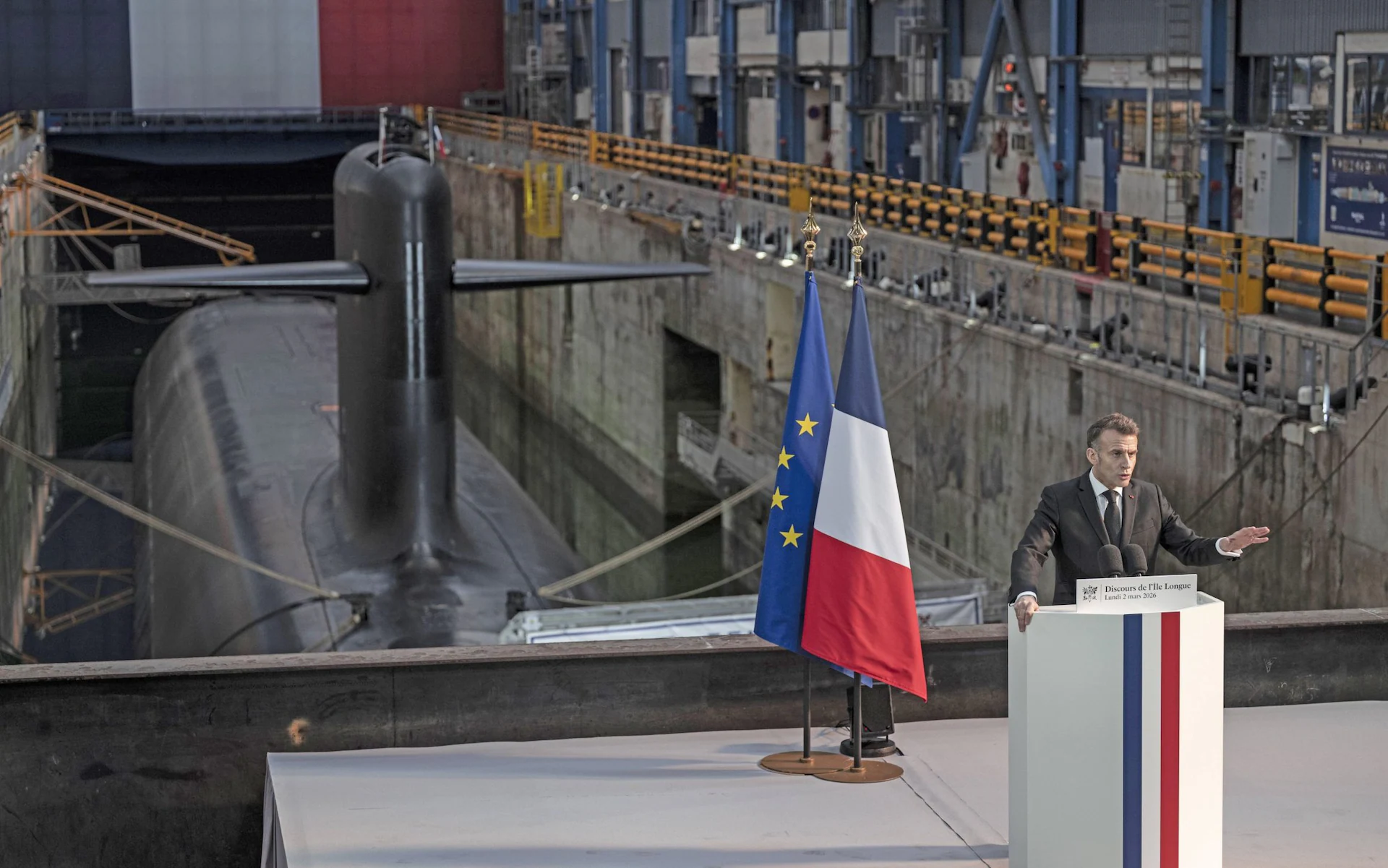
In one of his most forceful speeches since the crisis began, Macron delivered remarks at France’s Île Longue submarine base, home to the country’s nuclear deterrent. Standing before military personnel and strategic assets, he emphasised the importance of deterrence in an increasingly unstable global environment.
“To be free, one must be feared, and to be feared, one must be powerful,” the French president declared during the address, underscoring his argument that European security requires credible military capabilities.
Macron also proposed strengthening France’s nuclear deterrence posture and suggested that allied countries could benefit from enhanced security cooperation. While he emphasised that decisions regarding French nuclear weapons would remain strictly under national control, the speech signalled a shift toward a more assertive defence policy within Europe.
The developments have highlighted an emerging contrast between France and the United Kingdom in the early stages of the crisis. While London initially appeared cautious about the extent of its involvement in supporting US military operations, Paris moved rapidly to deploy assets and coordinate regional security initiatives. This difference in pace and posture has drawn attention from international observers assessing Europe’s strategic response.
Diplomatic analysts say the crisis has allowed Macron to revive a long-standing French tradition of independent global engagement, a strategy historically associated with former president Charles de Gaulle. For decades, France has sought to maintain a degree of autonomy in international affairs, sometimes diverging from Washington while still cooperating with Western allies.
The Iran conflict has therefore provided Macron with a platform to demonstrate that France remains a consequential geopolitical actor. Veteran diplomats argue that the French president has seized the opportunity to reassert his country’s influence at a moment when global security dynamics are rapidly shifting.
France has also taken steps to protect its citizens in the region. Evacuation operations have been organised for French nationals living in areas affected by the conflict, and emergency coordination centres have been established to monitor developments.
Meanwhile, Macron has called for urgent international dialogue to prevent further escalation. He urged global powers to pursue diplomatic negotiations addressing Iran’s nuclear programme, ballistic missile development and regional activities. According to the French president, only sustained diplomatic engagement can prevent the crisis from spiralling into a larger war that could destabilise the entire Middle East.
International reaction to France’s renewed activism has been mixed. Some Western leaders have welcomed the country’s efforts to stabilise maritime security and support diplomatic engagement. Others remain cautious about the implications of increased European military deployments in a region already crowded with competing strategic interests.
At home, Macron’s assertive stance has also reshaped perceptions of his leadership. The French president has faced significant domestic political challenges in recent years, including parliamentary divisions and widespread protests over economic reforms. Yet the Iran crisis appears to have shifted attention toward foreign policy, an arena where Macron has long sought to demonstrate France’s global influence.
Political analysts note that the renewed focus on strategic leadership could help Macron redefine his legacy during the final phase of his presidency. By combining diplomatic outreach with visible military readiness, he is attempting to present France as both a stabilising force and a credible security partner.
For a country once ridiculed during the Iraq War era, the moment carries symbolic weight. The phrase “freedom fries” may have represented a period when France was portrayed as hesitant on the global stage. Today, however, the geopolitical climate has changed significantly, and the same nation is positioning itself at the centre of a major international crisis.

Whether Macron’s strategy ultimately succeeds will depend on how the Iran conflict evolves in the coming weeks. If diplomatic initiatives gain traction and military tensions ease, France could emerge with renewed influence across Europe and the Middle East.
For now, the unfolding crisis has given Macron something that has often eluded him during his presidency: an opportunity to demonstrate decisive leadership on the world stage while navigating one of the most volatile geopolitical confrontations in recent years.
Related News:
 EU weighs response amid Greenland tariff crisis with Trump
 EU Says US Ties Have Suffered ‘Big Blow’ After Greenland Crisis
 Macron Rebuked in Franco-German Defence Row
 US Urges Iran to Make Deal as Military Presence Rises
 Trump’s Foreign Policy Dilemma Laid Bare by Iran Tensions
 Hamas Holds Vote to Choose New Interim Leader, Source Tells BBC
 Zelensky Says Putin Has Started WW3, Must Be Stopped
 New Russia Sanctions on Hold as Hungary Blocks EU Package Ahead of Fourth Ukraine War Anniversary
 US Partially Evacuates Beirut Embassy Amid Rising Iran Tensions
 Rob Jetten becomes Netherlands’ youngest ever prime minister
 Ukraine remembers its dead as war enters a fifth year
 Spain Declassifies Files on 1981 Attempted Coup in Effort to Dispel Conspiracy Theories
 Middle East Flights Halted After Iran Strikes
 Israel and Hezbollah Exchange Fire as Conflict Worsens
 Iran’s Regime Still Intact — Coming Days Will Test Its Survival
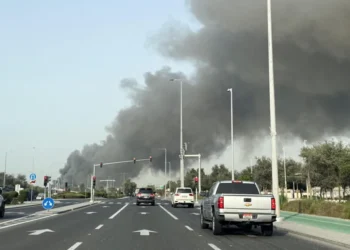 Allies of US in the Gulf Bear Brunt of Iran Attacks
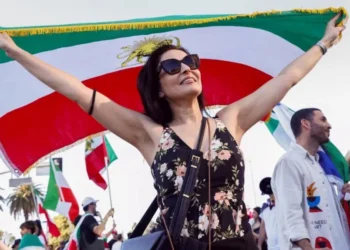 Hopes and Fears as US Iranians Take to Streets After Toppling of Supreme Leader
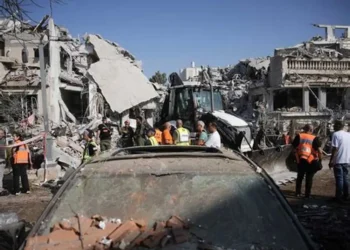 Retaliations Continue on Day Two of US-Israel Attacks on Iran
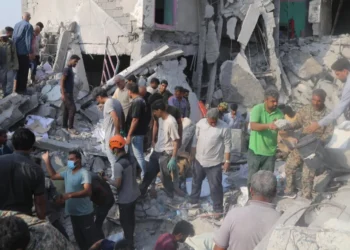 At Least 153 Dead After Reported Strike on School, Iran Says
 At Least 153 Dead After Reported Strike on School, Iran Says
 ‘It’s Eerie’ – Dubai on Edge as City Comes Under Attack
 BBC Reports from Beit Shemesh After Deadly Iranian Missile Strike
 Iran, the US, and a World Cup That Starts in Three Months
 Cooper: Joining US Strikes on Iran ‘Not in Britain’s Interest’
 Trump’s Iran Endgame Unclear After Mixed Messaging on War Aims
 Melania Trump Chairs UN Security Council Meeting on Children in Conflict Amid Iran Strikes
 Rubio Responds to Reported Strike on Iranian School
 Scots Caught Up in Middle East Crisis ‘Just Waiting for the Next Explosion’
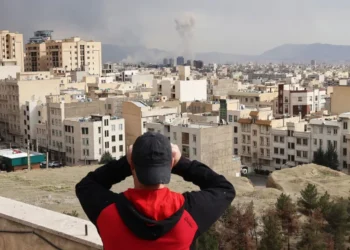 Why the US and Israel attacked Iran
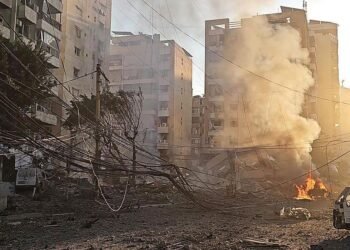 Israel Launches Fresh Strikes on Tehran & Beirut; US Warns “Hardest Hits” Ahead
 Three Days In, This War’s End Is Still Unclear
 US Has ‘Enough Weapons for Forever War,’ Trump Says
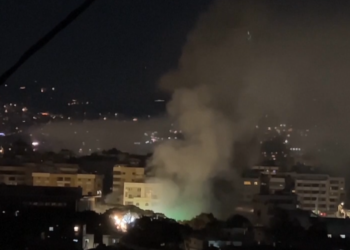 Israel Strikes Lebanon After Hezbollah Rocket Fire as Iran Conflict Widens
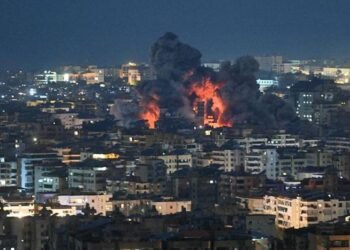 Israel’s New Airstrikes on Tehran & Beirut After US Embassy in Riyadh Is Hit
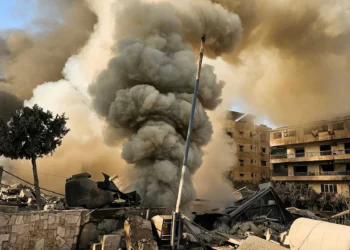 Israel Launches Ground Invasion of Lebanon Amid Widening Middle East War
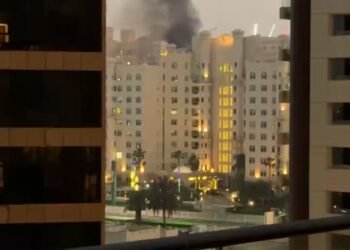 Iranian Rockets Are Testing the Resolve of Dubai’s Instagram Stars
 US Embassy in Riyadh Hit by Iranian Drones as Israeli Troops Enter Southern Lebanon
 US Senate Backs Trump War Powers Amid Iran Missile Barrage
 UK Must Act with Courage and Clarity on Israel-Palestine Conflict, Says Foreign Affairs Committee Report
 Radioactive Leak at UK’s Nuclear Warhead Base Sparks Outcry Over Safety and Secrecy
 Mutual Inconvenience: Why Alaska Was Chosen for the Trump-Putin Summit on Ukraine
 Hong Kong Summons UK and Australian Envoys Following Asylum Grants to Democracy Activists
 Is the UK Ready to Put Boots on the Ground in Ukraine? Assessing Military Capacity and Challenges
 Channel Crossings Surge: Over 1,000 People Arrive in the UK in Small Boats in a Single Day
 Widow of Charlie Kirk Forgives Killer at Emotional Memorial Service
 Yvette Cooper Signals Global Momentum Towards Gaza Peace Deal Amid Humanitarian Crisis
 Russia’s Latest Push to Win US Favors Shows Deep Desperation
 BBC to Apologise Over Edited Trump Speech Amid Backlash
 Britain deploys RAF specialists to assist Belgium with drone threats
 Trump Urges Herzog to Grant Netanyahu Full Pardon
 Indian authorities demolish Kashmir home linked to Red Fort blast
 Greene Pushes Epstein Files Amid Trump Fallout
 December Run-Off in Chile as Election Produces No Winner
 Shadow Fleet at Sea: Europe’s Battle Against Illicit Oil Shipping
 India’s COP30 Delay Raises Global Climate Concerns
 Georgians Defy Government Crackdown After Year of Protests
 Albanese Opens Door to Bondi Royal Commission Amid Rising Pressure
 Israel Moves to Bar MSF From Gaza Operations
 Portugal Election Delivers Socialist Win as Far Right Surges
 Australian Families Leave Syrian Camp for Home
 Starmer Weighs Fast-Tracking Defence Boost
 ‘I Would Scream in My Sleep’: Alawite Women from Syria Tell of Kidnap and Rape
 Nine Arrested in France Over Death of Far‑Right Student
 Andrew Arrest Sparks Republic Debate in Australia
 Australian PM Says Former Prince Andrew Has Suffered ‘Extraordinary Fall’ but That Won’t Prompt Republic Referendum
 Musk Cuts Starlink Access for Russian Forces – Giving Ukraine an Edge at the Front
 Farage Chagos Islands Row Sparks Fury
 Ukraine Negotiator Reveals What It Feels Like Facing Russia
 Chad Shuts Border With Sudan in Bid to Stop Conflict Spreading
 French Minister Moves to Block US Envoy Kushner from Government Access
 Louvre Museum Director Resigns Months After High‑Profile Heist
 Orbán Accuses Ukraine of Disrupting Oil Supplies to Hungary
 Has Europe truly learned from the failures of 2022?
 American Citizen Killed in Cuba Boat Shooting, U.S. Officials Say
 Trump Faces Questions Over Iran Conflict Plan
 In Maps: Strikes Across Iran and the Middle East
 The Third Day of the US‑Israeli War With Iran
 Herzog Asio meeting sparks security storm
 Civilian Deaths in Iran Pass 700 Amid Fear of Bombs and Regime Clampdown
 Iran-Iraq border airstrikes spark new tensions