Published: March 12, 2026
The English Chronicle Desk. The English Chronicle Online
The ongoing war in Ukraine has become a central issue in Hungary’s political landscape as the country heads toward a closely watched national election. Debates over security, economic stability and relations with both Russia and the European Union are now dominating the campaign, with rival parties offering sharply different visions of how Hungary should respond to the conflict unfolding just beyond its eastern border.

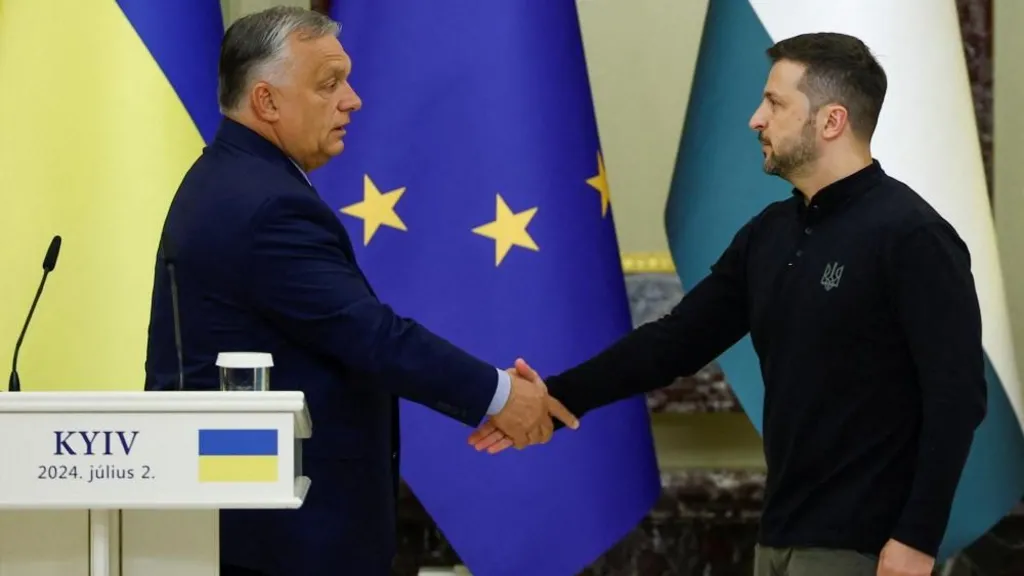
Prime Minister Viktor Orbán and his ruling Fidesz party have positioned themselves as advocates of a cautious and pragmatic approach to the war. Orbán has repeatedly argued that Hungary should avoid becoming directly involved in the conflict and has called for negotiations to bring about a ceasefire. His government has also resisted sending military assistance to Ukraine, insisting that protecting Hungary’s security and economic interests must remain the top priority.
Opposition parties, however, have accused the government of maintaining an overly friendly stance toward Moscow. Critics say Orbán’s policies risk isolating Hungary from its European allies at a time when the European Union and NATO members are largely united in supporting Ukraine. Opposition leaders argue that Hungary should align more closely with the EU’s position, including stronger sanctions against Russia and increased political backing for Kyiv.
The war’s economic consequences have also become a major campaign issue. Hungary has faced rising energy prices and inflation in recent years, challenges that economists link partly to disruptions caused by the conflict. Hungary remains heavily dependent on Russian energy imports, a factor that has complicated the government’s position on sanctions and EU policy toward Moscow.
For many voters, the question of national security is closely tied to economic stability. Some Hungarians fear that deeper involvement in the conflict could worsen energy shortages or trigger further economic pressures, while others believe the country should take a clearer stance in support of Ukraine and European solidarity.
The political debate has intensified as fighting in Ukraine continues and international tensions remain high. Analysts say Hungary’s geographic proximity to the war has made the conflict impossible to ignore in domestic politics. The country shares a border with Ukraine and has already received waves of refugees since the invasion began in 2022.
European officials are also watching the Hungarian election closely. Orbán’s government has frequently clashed with EU institutions over rule-of-law issues, migration policy and sanctions against Russia. The election could therefore influence not only Hungary’s domestic direction but also its relationship with Brussels and other European capitals.

Meanwhile, Ukrainian leaders have expressed hope that neighbouring countries will continue to support their struggle against Russian forces. Diplomatic relations between Budapest and Kyiv have at times been strained, particularly over the treatment of ethnic Hungarian minorities living in western Ukraine.
Political analysts say the outcome of the Hungarian vote may shape how the country positions itself within Europe during one of the continent’s most consequential geopolitical crises in decades. With voters weighing economic concerns, national security and international alliances, the war in Ukraine has effectively spilled into Hungary’s election campaign — turning foreign policy into one of the defining issues of the contest.
Related News:
 Ukraine remembers its dead as war enters a fifth year
 Putin Orders Evacuation at Iran Nuclear Plant Amid ‘Catastrophe’ Fears
 EU weighs response amid Greenland tariff crisis with Trump
 EU Says US Ties Have Suffered ‘Big Blow’ After Greenland Crisis
 Macron Rebuked in Franco-German Defence Row
 Zelensky Says Putin Has Started WW3, Must Be Stopped
 New Russia Sanctions on Hold as Hungary Blocks EU Package Ahead of Fourth Ukraine War Anniversary
 Ukraine Negotiator Reveals What It Feels Like Facing Russia
 Mandelson Arrested Amid Political Turmoil as Ukraine Marks Four Years of Conflict
 Rob Jetten becomes Netherlands’ youngest ever prime minister
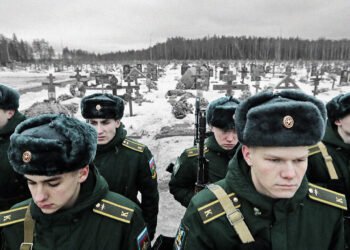 ‘Anyone who runs is shot’: Russian soldiers describe killings of troops who refuse orders
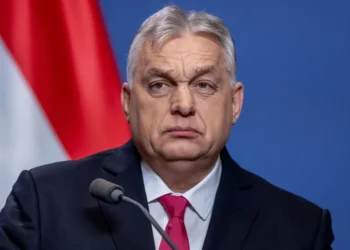 Orbán Accuses Ukraine of Disrupting Oil Supplies to Hungary
 Spain Declassifies Files on 1981 Attempted Coup in Effort to Dispel Conspiracy Theories
 Israel and Hezbollah Exchange Fire as Conflict Worsens
 Iran’s Regime Still Intact — Coming Days Will Test Its Survival
 Allies of US in the Gulf Bear Brunt of Iran Attacks
 Hopes and Fears as US Iranians Take to Streets After Toppling of Supreme Leader
 Retaliations Continue on Day Two of US-Israel Attacks on Iran
 At Least 153 Dead After Reported Strike on School, Iran Says
 At Least 153 Dead After Reported Strike on School, Iran Says
 ‘It’s Eerie’ – Dubai on Edge as City Comes Under Attack
 BBC Reports from Beit Shemesh After Deadly Iranian Missile Strike
 Iran, the US, and a World Cup That Starts in Three Months
 UK Will Allow US to Use Bases to Strike Iranian Missile Sites, PM Says
 Cooper: Joining US Strikes on Iran ‘Not in Britain’s Interest’
 Trump’s Iran Endgame Unclear After Mixed Messaging on War Aims
 Rubio Responds to Reported Strike on Iranian School
 Scots Caught Up in Middle East Crisis ‘Just Waiting for the Next Explosion’
 Why the US and Israel attacked Iran
 Israel Launches Fresh Strikes on Tehran & Beirut; US Warns “Hardest Hits” Ahead
 Three Days In, This War’s End Is Still Unclear
 US Has ‘Enough Weapons for Forever War,’ Trump Says
 Israel Strikes Lebanon After Hezbollah Rocket Fire as Iran Conflict Widens
 Israel’s New Airstrikes on Tehran & Beirut After US Embassy in Riyadh Is Hit
 Israel Launches Ground Invasion of Lebanon Amid Widening Middle East War
 Iranian Rockets Are Testing the Resolve of Dubai’s Instagram Stars
 US Embassy in Riyadh Hit by Iranian Drones as Israeli Troops Enter Southern Lebanon
 US Senate Backs Trump War Powers Amid Iran Missile Barrage
 Russia Blames Ukrainian Naval Drones as Tanker Sinks
 US Submarine Sinks Iranian Warship in Indian Ocean, Hegseth Says
 Iran Postpones Khamenei Funeral as US‑Israeli Bombardment Continues
 The Devastating Conflict Where Both Sides Have Reasons to Keep Fighting
 How Depleted Weapons Stockpiles Could Affect the Iran Conflict
 Iran Drones Hit Azerbaijan Airport as War Widens
 Macron Finds ‘Freedom Fries’ Redemption in Iran Crisis
 Ukraine Accuses Hungary of Taking Seven Bank Workers Hostage in Budapest
 Finland Plans to Lift Decades‑Old Ban on Hosting Nuclear Weapons
 UK Prepares Aircraft Carrier for Middle East Crisis
 Nine Days of Strikes Reshape the Middle East
 Istanbul Mayor Faces Corruption Trial Amid Political Storm
 Video Analysis Suggests US Missile Hit Base Near Iran School
 Middle East crisis live: Supreme leader ‘safe’, Iran and Israel escalate conflict
 UK Must Act with Courage and Clarity on Israel-Palestine Conflict, Says Foreign Affairs Committee Report
 Radioactive Leak at UK’s Nuclear Warhead Base Sparks Outcry Over Safety and Secrecy
 Hong Kong Summons UK and Australian Envoys Following Asylum Grants to Democracy Activists
 Is the UK Ready to Put Boots on the Ground in Ukraine? Assessing Military Capacity and Challenges
 Channel Crossings Surge: Over 1,000 People Arrive in the UK in Small Boats in a Single Day
 Yvette Cooper Signals Global Momentum Towards Gaza Peace Deal Amid Humanitarian Crisis
 Russia’s Latest Push to Win US Favors Shows Deep Desperation
 BBC to Apologise Over Edited Trump Speech Amid Backlash
 Greene Pushes Epstein Files Amid Trump Fallout
 December Run-Off in Chile as Election Produces No Winner
 Shadow Fleet at Sea: Europe’s Battle Against Illicit Oil Shipping
 India’s COP30 Delay Raises Global Climate Concerns
 Georgians Defy Government Crackdown After Year of Protests
 Portugal Election Delivers Socialist Win as Far Right Surges
 Australian Families Leave Syrian Camp for Home
 Starmer Weighs Fast-Tracking Defence Boost
 Nine Arrested in France Over Death of Far‑Right Student
 Australian PM Says Former Prince Andrew Has Suffered ‘Extraordinary Fall’ but That Won’t Prompt Republic Referendum
 Farage Chagos Islands Row Sparks Fury
 Chad Shuts Border With Sudan in Bid to Stop Conflict Spreading
 American Citizen Killed in Cuba Boat Shooting, U.S. Officials Say
 In Maps: Strikes Across Iran and the Middle East
 The Third Day of the US‑Israeli War With Iran
 Civilian Deaths in Iran Pass 700 Amid Fear of Bombs and Regime Clampdown
 ‘Every Day Feels Like a Month’: Iranians Describe Life Under ‘Constant’ US‑Israeli Strikes
 Thousands Protest Iran Strikes Outside US Embassy London
 Trump Pressures Congress Over Save America Act
 Iran War Puts Trump at Political Risk Amid Rising Prices