Published: 14 March 2026. The English Chronicle Desk. The English Chronicle Online
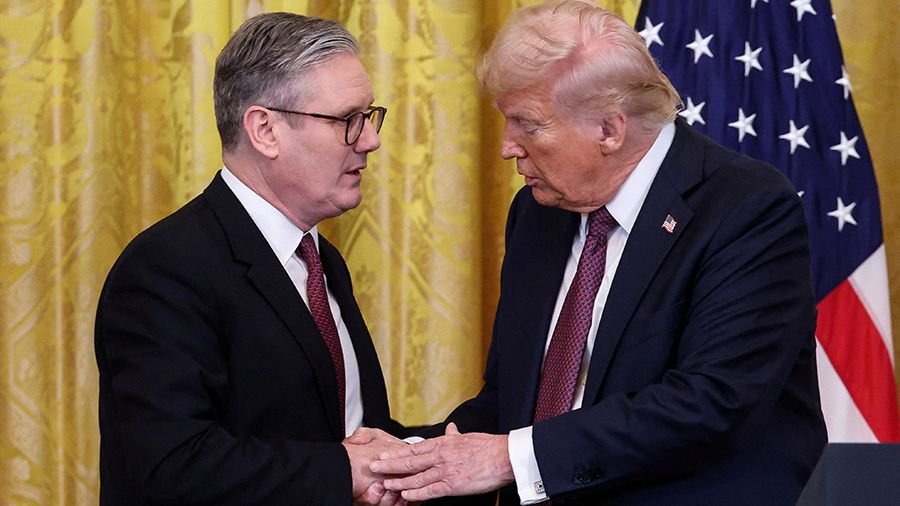
Keir Starmer has earned praise from his allies for refusing to automatically support US-led military strikes on Iran, a move that contrasts sharply with the positions of Nigel Farage and Kemi Badenoch. Labour figures argue that Starmer is on the right side of public opinion and history.
Emily Thornberry, chair of the Labour foreign affairs committee, said: “You’ve not had a British prime minister say no to an American president since Vietnam. This is a big deal.” Starmer’s approach has been to deny US access to British bases for offensive operations initially, while later permitting defensive action against Iranian missiles. This strategy has drawn public support in the UK and angered Donald Trump.

The decision has positioned Starmer as a politician guided by principle rather than automatic allegiance to the US. One Labour MP likened the stance to Robin Cook’s approach to foreign policy, contrasting it with Tony Blair’s.
By contrast, Farage and Badenoch initially urged full support for US strikes. As public opinion hardened against the war—six in ten Britons now oppose military action according to YouGov—both figures moderated their messaging. Farage staged a petrol station stunt promising a discount on fuel, framing opposition to involvement in Iran as economically necessary. Badenoch emphasized support limited to neutralizing Iranian missiles.
Senior Conservatives, including Andrew Mitchell, criticized Starmer for refusing Trump’s request, arguing it undermined the “special relationship” with the US. Meanwhile, Reform UK and the Henry Jackson Society maintain that Starmer was wrong to deny the use of UK bases.
Despite this, Downing Street insiders report internal polling showing strong public backing for Starmer’s measured approach. Labour officials highlight that the stance also aligns with concerns over the cost of living and energy prices, emphasizing the domestic impact of foreign conflicts.
Analysts note that the rightwing parties’ leadership inexperience and over-reliance on traditional pro-US messaging has weakened their position. Reform UK’s attempt to balance neoconservative stances with residual isolationist tendencies has led to mixed signals, while Farage struggles with an “America problem” as Trump 2.0 diverges from his campaign rhetoric.

Some cabinet members remain cautious about long-term impacts on UK-US relations, though Thornberry and other Labour allies believe that temporary disagreement does not endanger the strategic alliance. They argue that historical experience shows the UK can maintain close ties with the US while exercising independent judgment in foreign conflicts.
Starmer’s cautious approach reflects a broader public sentiment: initial enthusiasm for intervention often gives way to scrutiny of consequences at home and abroad. By prioritizing measured involvement, he has positioned Labour as a responsible, principled alternative, earning credibility in foreign policy at a time when the rightwing parties are struggling to maintain a coherent message.
Related News:
 UK Presses On With Chagos Handover Despite Trump Criticism
 Shinzo Abe’s killer receives life sentence in Japan
 HMS Dragon to Head to Cyprus Amid Rising Tensions
 British Woman in Iran ‘Losing Hope’ Amid Ongoing Detention
 Green Party Surges Past Labour in Latest UK Poll
 Celebrities and Charities Demand UK Government Act on Child Poverty
 Trump’s UK Ambassador Urges North Sea Drilling to Strengthen US Ties
 FBI Director Kash Patel Defends Girlfriend Amid Government Jet Claims
 French Taxi Driver Cleared in David Lammy Theft Case After Fare Dispute
 ‘Reckless’ cuts to victims’ services will cost more than they save
 Millionaires group urge Reeves to introduce wealth tax to ‘lift kids out of poverty’
 Starmer Faces Growing Dissent as Labour MPs Weigh Leadership Challenge
 Reeves rejects £1bn plea for NHS redundancy payouts
 Politics latest: Starmer ‘will fight any leadership coup’ as Streeting denies attempt to oust Labour PM
 PM Condemns Leaks, Vows Loyalty to Ministers and Stability
 Major Rent Reform Ends No-Fault Evictions in England
 Peers Flood Assisted Dying Bill with 942 Amendments
 England’s Special Needs Support Faces Breaking Point
 MoD warned over Excel risks before Afghan data breach
 Labour Faces Historic Decline in Wales
 PM Highlights UK Business at G20 in South Africa
 Most Tories Expect to Support a Farage-Led Government
 Labour MP claims devolution bill is ‘blatant discrimination’ against Cornwall
 Millions Face Higher Taxes Under Reeves New Budget
 Peers Get Extra Time to Debate Assisted Dying Bill
 Starmer Says Labour’s Economic Plan Needs Years to Deliver
 Culture secretary to review Telegraph takeover by Daily Mail owner
 Plans to Limit Jury Trials Face Retreat After Mounting Opposition
 US Senate rejects resolution limiting Trump military powers
 Machado Trump medal gesture reshapes Venezuela power struggle
 Trump Receives Machado’s Nobel Medal in White House Meeting
 Right Must Unite After Jenrick Defection, Urges Rees-Mogg
 US Considers Asylum for British Jews Amid Rising Antisemitism
 UK Ministers Drop Foreign Student Targets for Global Education Push
 MPs warn AI financial risks threaten UK stability
 MPs warn AI financial risks threaten UK stability
 Trump slams UK ‘stupidity’ over Chagos Islands, eyes Greenland takeover
 No Gas Boiler Ban as UK Warm Homes Plan Backs Heat Pumps
 Hugh Grant Joins Call for Under-16 Social Media Ban in UK
 Lords Vote Piles Pressure on Starmer Over Social Media Ban
 Reform UK Health Plan ‘Would Cost £1.7bn’, Streeting Says
 Police response times face strict new national limits
 Labour policing overhaul sparks fears over growing central control
 Tories criticised after Braverman defection sparks mental health row
 Burnham Westminster return hopes fade amid Labour rift
 Starmer warns of toxic division politics in Reform challenge
 Starmer China visit raises human rights pressure on Beijing
 Cambridge Faces Scrutiny Over Arms Investment Transparency
 Palantir contracts face UK halt calls over transparency
 Epstein UAE Emails Shake British Royal Andrew’s Legacy
 Labour Thinktank Row Deepens Over Journalist Probe Claims
 Labour Lord Doyle Apologises Over Paedophile Ties in Political Storm
 Cabinet Secretary Shake-Up Triggers Due Diligence Warning
 Starmer Faces Inquiry Calls Over Thinktank Probe
 Royal Mail Delivery Crisis Deepens Amid Weather Chaos
 Farage to Name Jenrick as Reform Chancellor Pick
 NHS Negligence Ruling Raises Payout Costs
 Civil Service Pay: Union Urges Ministers to End ‘Barking Mad’ Limits
 Antonia Romeo appointment sparks criticism
 Trump and Chagos Deal Rift Over Iran Strikes
 Farage Chagos Islands Row Sparks Fury
 Trump Tariffs Threat Spark UK and EU Alarm
 Gasfield Deal Sparks Debate Over Fracking in Lincolnshire
 Reform UK targets workers’ rights repeal
 Mandelson Denounces Arrest Over ‘Baseless’ Fleeing Claims
 Russian Trade Routed Through British Islands Exposed
 Mandelson Arrest: Met Apologises to Hoyle
 Palestine Action ban appeal moves forward
 Reeves Must Back Defence Plan or Face Dismissal, Says Unite Chief
 NHS Maternity Units Cover Up Harmful Childbirth Errors
 Green Party Stuns Labour in Gorton and Denton Byelection
 Refugee Status Overhaul Sparks UK Debate
 BBC Charter Reform Sparks Independence Battle
 Asylum Seekers to Work After Year-Long Wait
 Thousands Protest Iran Strikes Outside US Embassy London
 US Bombers Arrive at RAF Base Amid Rising Iran Tensions
 UK Prepares Aircraft Carrier for Middle East Crisis
 UK Oil and Gas Supplies Reassured Amid Middle East Concerns
 Proposed Law Leaves Gap for Children of Convicted Paedophiles
 Ministers Urged to Act Faster on Deepfakes Threat