Published: 14 March 2026. The English Chronicle Desk. The English Chronicle Online
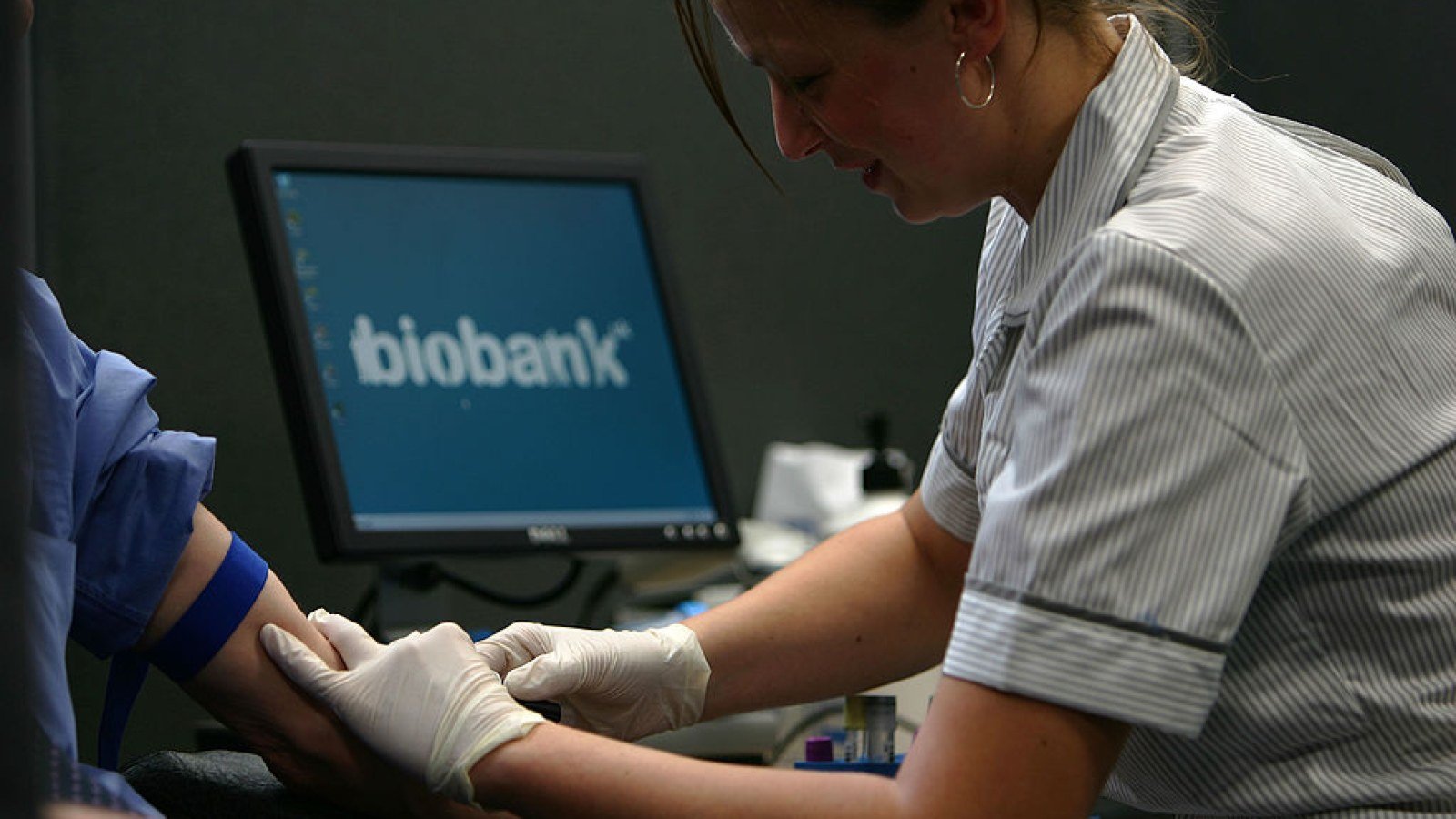
Confidential health data from the UK Biobank, one of the country’s largest medical research projects, has been exposed online on multiple occasions, according to a Guardian investigation. The Biobank, which holds medical records of 500,000 volunteers, has been instrumental in research on cancer, dementia, and diabetes.
Researchers with access to the data sometimes inadvertently posted it online, including on GitHub, while sharing analysis code for academic publications. Although the datasets do not contain names or addresses, they include sensitive information such as hospital diagnoses, dates of medical procedures, and sex, which experts warn could enable re-identification of participants.

One dataset discovered by the Guardian contained hospital diagnoses for more than 400,000 participants. Using details from a volunteer, including month and year of birth and a major surgery, the Guardian was able to locate that individual’s records. A data expert described the exposure as “a gross invasion of privacy.”
UK Biobank maintains that no participant has been re-identified and that identifying details such as names and addresses were never shared. Prof Sir Rory Collins, chief executive of UK Biobank, said: “We have never seen any evidence of any UK Biobank participant being re-identified by others.”
Founded in 2003, UK Biobank collects genomic data, scans, blood samples, and lifestyle information from volunteers. Until late 2024, researchers could download data directly to their own systems, which contributed to accidental leaks. Biobank now restricts access more strictly and provides training to approved users.
Between July and December 2025, UK Biobank issued 80 legal notices to GitHub to remove inadvertently posted datasets, resulting in approximately 500 repositories being taken down. Nevertheless, some data remains accessible on archive websites.
Experts warn that anonymisation is not foolproof. Dr Luc Rocher of the Oxford Internet Institute said that knowing details like a birthday and surgery date can be sufficient to identify participants and reveal sensitive information such as psychiatric diagnoses or HIV status. Prof Niels Peek of the University of Cambridge called the scale of the leaks “shocking” and highlighted the tension between enabling large-scale health research and protecting individual privacy.

While some volunteers expressed concern about the privacy implications, they also emphasised the importance of UK Biobank’s research. The organisation continues to take measures to safeguard data and ensure researchers comply with strict privacy standards, but questions remain about whether full control over inadvertently released datasets can be regained.
The incident underscores the challenges of balancing the ambitions of medical research with the legal and ethical imperative to protect participant privacy in an age of AI, social media, and data sharing.
Related News:
 Meningitis Cases in Kent Outbreak Rise to 27
 Hospice Cuts Raise Alarm Across England Amid Funding Crisis
 The diet that can significantly ease symptoms of IBS
 Celebrities and Charities Demand UK Government Act on Child Poverty
 Experts Warn on Home Birth Risks, Call for Skilled Midwives
 Experts Urge Legal Right to Timely Cancer Care
 Patients to Test Health at Home to Ease NHS Winter Pressure
 London’s Childlessness Crisis: Schools Closing as Families Shrink
 North Sea oil workers must lose weight or face job loss
 Crisis charity to become landlord amid UK housing emergency
 No link found between paracetamol in pregnancy and autism
 Shouting Works Best to Deter Gulls, UK Study Finds
 Reeves rejects £1bn plea for NHS redundancy payouts
 Leading doctors issue warning amid ‘bad’ flu season
 Stroke Patient Mistaken for Drunk, Care Delayed
 ‘Traumatic Wait’: Northern Ireland Women Face Breast Cancer Delays
 Welsh Government Christmas 2020 Lockdown Criticised
 Coffins Now Too Large to Cremate Amid Rising Obesity Crisis
 NHS paediatric leave parents waiting months for answers
 Catherine urges end to stigma around addiction
 Five-Year-Old Dies After Rare Tonsil Surgery Complication
 Fibromyalgia Patients Struggle as NHS Fails to Provide Care
 More Patients Now Contacting GPs Online, Data Shows
 Streeting launches review into mental health and ADHD diagnoses
 People in England’s Poorest Areas Face Higher Lung Health Emergencies
 Minor A&E Visits Surge Across England as Hospitals Face Pressure
 Children to Receive Home Vaccines as England Acts
 UK children to get chickenpox jab with MMRV vaccine
 UK Enforces Junk Food Ad Ban Before 9pm
 Patients Collapsing in NHS Corridors, Watchdog Warns
 Offenders to Receive Health Support During Probation Appointments
 NHS Violence Crisis: Staff Face Daily Assaults
 NHS corridor care crisis sparks fears over patient safety
 Jess’s Rule Urges GPs to Rethink Persistent Symptoms
 UK Glaucoma Rise Signals Looming Eye Health Crisis by 2060
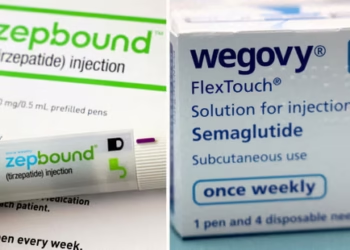 Small risk warning raised over weight-loss jabs in UK review
 Study Finds One in Seven England Takeaways Are Dark Kitchens
 Pneumonia Surge Pushes England Emergency Cases Higher
 Streeting moves on doctor pay to end strike dispute
 UK reports baby formula toxin poisoning cases across the country
 Children of Close-Relative Parents Face Higher Mortality Risk in England
 Campaign Demands NHS Action on Placenta Accreta Diagnosis
 NHS Bone Cement Shortage Threatens Surgeries
 Placenta Accreta Warning as Hunt Urges Action
 Half of Britons Avoid GP When Ill, Survey Reveals Growing Concern
 NHS Maternity Units Cover Up Harmful Childbirth Errors
 Drop in Overseas Workers Sparks ‘Car Crash’ for UK Hospitals
 Weight-loss drugs may transform heart attack recovery
 Cancer Death Rate in Britain Falls by Nearly a Third
 Palantir NHS Contract Sparks Fears Over Data Power
 UK Patients Face Long Journeys as Pharmacies Cut Hours
 NHS Plans to Cut Overseas Workers Labeled Overambitious
 Kent Meningitis Outbreak Claims Two Young Lives as Cases Rise
 Charity Watchdog Takes Control of Learning Disability Care Home
 NHS Staff Shortages Stifling Recovery for Stroke Survivors
 Wes Streeting Accuses Doctors of Torpedoing Pay Deal
 GSK cancer drug shows early promise in trials
 Private Profits From NHS Contracts Spark Urgent National Debate
 NHS Safety Fears as Nurses Cover Doctor Gaps
 New Scan Offers Hope for Faster Endometriosis Diagnosis
 New AI Tool To Target Obesity Risk And Transform NHS Care
 NHS Drug Deal Faces Legal Threat Over US Trade Agreement
 NHS Staffing Crisis Reaches Dangerous Levels
 Crisis in Care: Children Stuck in A&E for Days
 Empowering the Elderly or Shifting the Blame to Individuals?
 England Faces Rising Lyme Disease Cases Amid New Vaccine Hopes
 Record Spending Highlights Growing Crisis In National Health Service
 The Race for Radical Change in Westminster
 Clean Air Initiatives Spark Major Fall in London Hospital Admissions
 Swimming Champion Demands Urgent Action on Brain Cancer
 Nursing Workforce Crisis Leaves Disabled Patients at Risk
 UK Heatwave: Why Extreme Humidity is Making June Feel Unbearable
 Mortuary Crisis Exposed at Scandal-Hit NHS Trust
 The Hidden Revival of a Fatal Infection on British Soil
 NHS Urges Investigation For Irregular Periods
 BMA Faces Unprecedented Staff Cuts Amidst Severe Financial Turmoil
 Trump Immigration Cuts Threaten US Caregiver Stability
 Stricter Rules Proposed to Shield Children from Vaping
 UK Schools Struggle as Classrooms Top 40C
 London Tube Heat Reaches Dangerous Levels