Published: 22 March 2026. The English Chronicle Desk. The English Chronicle Online.
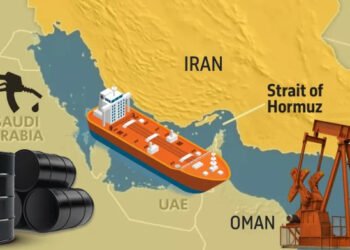
The geopolitical landscape of the Middle East has shifted into an incredibly precarious phase following a series of dramatic military escalations between Tehran and Washington. Iran has officially declared that it will irreversibly destroy essential infrastructure across the entire region if the United States proceeds with threatened attacks on its domestic energy sites. This stark warning emerged only hours after President Donald Trump issued a public ultimatum demanding the immediate reopening of the Strait of Hormuz. The American leader threatened to obliterate Iranian power plants if the vital maritime gateway remained closed for more than forty-eight hours. Such rhetoric has pushed the long-standing tensions to a breaking point that now risks a total regional conflict.
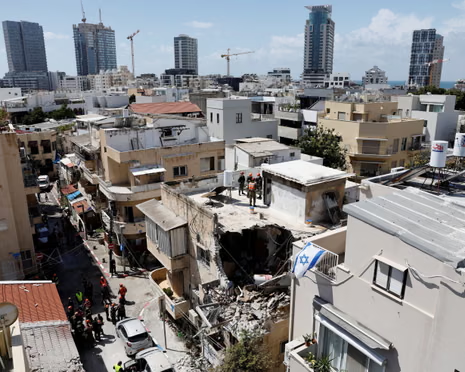
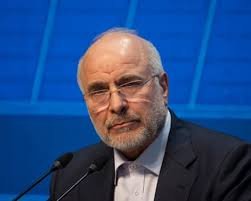
Recent developments signify a dangerous potential escalation of a war that has entered its fourth week of active combat. Overnight Iranian missiles struck two southern Israeli cities and caused significant injuries to dozens of civilians while shattering several apartment buildings. Mohammad Bagher Ghalibaf serves as the speaker of the Iranian parliament and he spoke firmly on Sunday regarding the current military stance. He stated that vital infrastructure and energy and oil facilities across the region are now considered legitimate targets. This policy would be enacted immediately if the sovereignty of the Iranian energy sector is compromised by foreign strikes. A statement released through state media cited a military spokesperson who echoed these aggressive and uncompromising sentiments.

The Iranian military suggests that any strike on their facilities will prompt retaliatory attacks on American and Israeli assets. These potential targets specifically include information technology hubs and desalination facilities which are crucial for regional stability and survival. On Saturday the United States president gave the Iranian government a strict deadline ending shortly before midnight on Monday. He insisted that the Strait of Hormuz must be opened to ensure the free flow of global oil supplies. If this demand is not met the United States military intends to hit and obliterate power plants. The President specifically noted that they would start with the largest Iranian power installations first to maximize the impact.
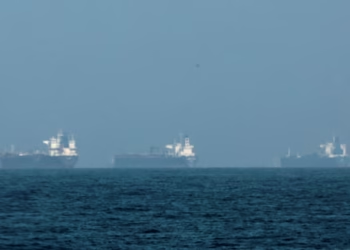
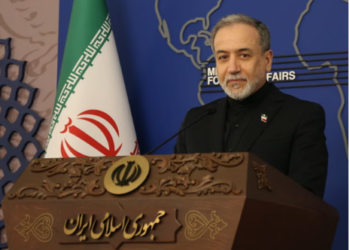
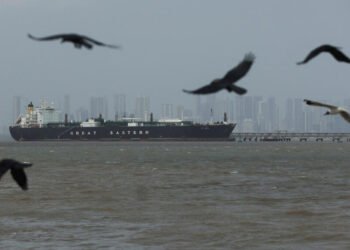
Ali Mousavi represents Iran at the International Maritime Organisation and he offered a slight clarification on the current naval blockade. He claimed on Sunday that the narrow strait remains open to all shipping except for those vessels. The restriction applies specifically to ships linked to the enemies of the Iranian state according to his briefing. Passage is still possible for other nations if they coordinate specific security arrangements directly with the Tehran government. However these Iranian attacks have effectively closed the narrow waterway which carries about one fifth of the global oil supply. The closure has also halted liquefied natural gas supplies and caused the worst oil crisis since the seventies.
European gas prices surged by as much as thirty five percent last week as markets reacted to the news. More than two thousand people have been killed since the end of February when this conflict began in earnest. The United States and Israel started their joint attacks on Iran while Tehran responded by striking various regional targets. Lebanon was also drawn into the fighting after the Iran backed Hezbollah group launched attacks against northern Israel. Air raid sirens sounded across Israel from the early hours of Sunday morning to warn of incoming missiles. These alarms followed reports of scores of people being injured during separate attacks on Arad and Dimona.
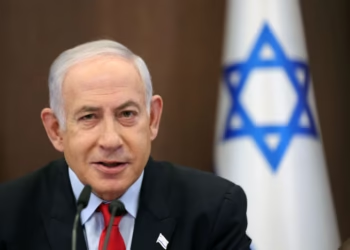
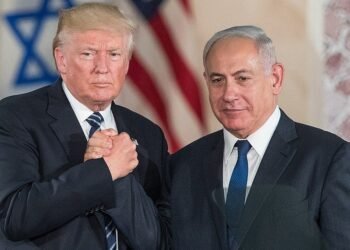
The Israeli army announced on Sunday morning that it would strike the city of Tehran in direct retaliation. Benjamin Netanyahu serves as the Israeli prime minister and he visited the wounded in the town of Arad today. He stated that senior commanders of the Iranian Revolutionary Guards would be personally pursued by the Israeli military forces. The Prime Minister emphasized that his government is going after the regime and the criminal IRGC gang. He promised to target their leaders and their installations along with their primary economic and strategic assets. Israel’s military admitted it could not intercept the specific missiles that hit the cities of Dimona and Arad.
These locations are the nearest large population centers to the Negev Desert nuclear research center in southern Israel. This facility is widely believed to house the only nuclear arsenal currently existing within the Middle East region. Israel has never officially admitted to possessing nuclear weapons and insists the site is strictly for scientific research. The recent strikes marked the first time that Iranian missiles successfully penetrated the advanced Israeli air defence systems. About two hundred people were wounded in these strikes including a twelve year old boy and a girl. Both children are reported to be in serious condition as medical teams work around the clock in hospitals.
The Israeli broadcaster Channel 13 reported early indications of possible deaths but official confirmation has not yet arrived. Iran claimed these attacks were a direct response to a strike on its main nuclear enrichment facility. This facility is located at Natanz and suffered a significant attack on Saturday according to reports from Tehran. Israel denied responsibility for that specific attack and the Pentagon in Washington has declined to comment further. In Tel Aviv fifteen more people were injured on Sunday morning during a separate attack involving a cluster bomb. These relentless attacks are adding mounting pressure on the sophisticated air defence systems used by the Israeli military.
Iranian strikes are increasingly testing the limits of these defensive capabilities as the volume of fire increases daily. The World Health Organization stated that the war has reached a perilous stage and called for immediate restraint. Tedros Adhanom Ghebreyesus serves as the head of the organization and warned of the risks to public health. He noted that attacks targeting nuclear sites create an escalating threat to both people and the regional environment. Tehran also fired long range missiles for the first time on Saturday according to the Israeli military chief. Eyal Zamir reported that two ballistic missiles with a range of four thousand kilometers were successfully launched.
These missiles were fired at the joint United States and British military base located at Diego Garcia. A British cabinet minister named Steve Reed said one missile fell short while the other was intercepted. He stated there was no current assessment backing claims that Iran was planning to strike targets in Europe. The Israel Defense Forces had previously suggested that Iran possessed missiles capable of reaching London Paris or Berlin. However Reed clarified that he was not aware of any assessment that they were trying to target Europe. He also added that Trump was speaking for himself when he threatened to obliterate the Iranian power plants.

Analysts believe the threat from Trump has placed a ticking time bomb over global energy and financial markets. They warn of a potential Black Monday involving plunging stock markets and surging prices unless the rhetoric is softened. At least six overnight attacks targeted a United States diplomatic and logistics center at the Baghdad airport. Saudi Arabia reported that three missiles had been detected over the city of Riyadh during the same period. The United Arab Emirates also said it responded to Iranian missile and drone attacks within its own borders. In southern Lebanon the Israeli military raided Hezbollah sites on Sunday and killed ten of their fighters.
Hezbollah responded by attacking several border areas in northern Israel throughout the morning and afternoon hours. One person was killed in an Israeli kibbutz according to reports provided by the local emergency services. Three Turkish nationals and three Qatari servicemen were killed after a helicopter crashed in the waters of Qatar. This tragic accident adds to the growing list of casualties as the regional stability continues to crumble. The international community remains on high alert as the forty eight hour deadline approaches for the Strait of Hormuz. Everyone is waiting to see if diplomacy can prevail or if the Middle East energy grid will fall.
Related News:
 Middle East Flights Halted After Iran Strikes
 US Iran Operation: Sixth Service Member Killed
 Hezbollah Anger Erupts as War Returns to Beirut
 Gaza Siege Deepens as Iran War Escalates
 Riyadh Drone Attack Escalates Regional War
 Middle East attacks intensify as Trump rejects Iran talks
 Iran-Iraq border airstrikes spark new tensions
 Iran-Iraq Border Strikes Spark New Front Fears
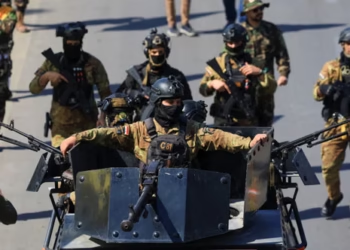 Iran-Backed Militias Escalate Attacks Across Middle East
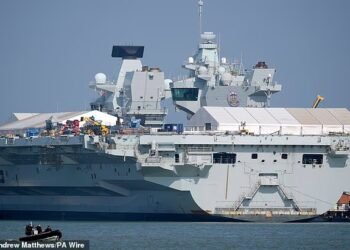 UK Prepares Aircraft Carrier for Middle East Crisis
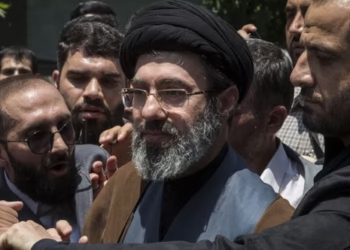 Mojtaba Khamenei Chosen as Iran’s New Supreme Leader
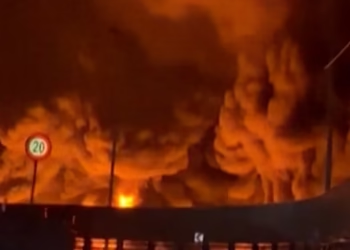 Tehran Oil Depot Strikes Darken City With Toxic Smoke
 Seventh US Service Member Killed in Iran Conflict Identified
 Mojtaba Khamenei Supporters Rally as Iranians Fear Repression
 Tehran Strikes Mark War’s Most Devastating Night
 Iran Defiance Grows Amid US-Israel War Pressure
 Hormuz Crisis Sparks Global Oil Market Fears
 Iranian Exile Factions Seek US Backing for Iran’s Future
 US-Israeli Strategy Shifts to Plan B in Iran War
 Injured Mojtaba Khamenei Elevated as Iran Leader
 US Missile Strike on Iran School Sparks Global Shock
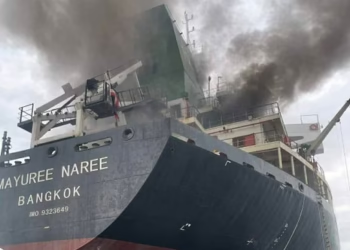 Iran Gulf attacks escalate as ships and airports targeted
 Iran Conflict: Trump’s Uncertain Path and Diplomatic Off-Ramp
 Ancient Heritage Sites Damaged in Recent Airstrikes
 Tehran Diary: Dark Days Under Relentless Bombardment
 British Tourist Charged Over Dubai Missile Strike Video
 Gaza Detainee Abuse: Israel Drops Charges Against Soldiers
 Trump Iran War Stance Hardens as Conflict Widens
 Lebanon Ground Campaign Raises Occupation Fears
 Gulf Tensions Rise as Iran Alleges Covert Support
 Kabul hospital strike sparks deadly blame row
 Ghalibaf Iran: Survivor Emerges in Shifting Power Game
 Gulf Distrust Grows Over Rumoured US-Iran Peace Talks
 WHO Warns of Health Crisis Unfolding in Middle East
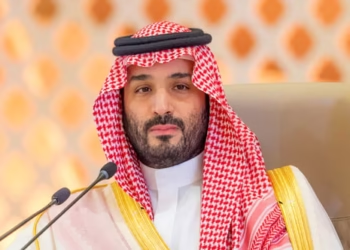 Saudi Arabia Urging US to Keep Up Iran Attacks
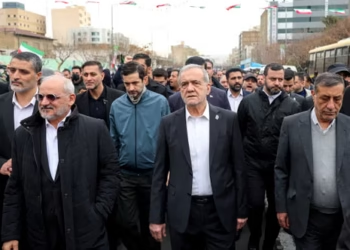 Iranian President’s Son Shares Wartime Hopes and Fears
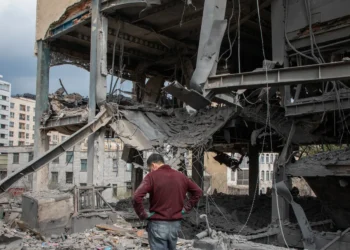 Iran Warns of US Ground Assault Amid Rising War Tension
 MAGA Anxiety and the Iran War: A Movement Divided at CPAC
 Trump Threatens Iran With Total Infrastructure Destruction
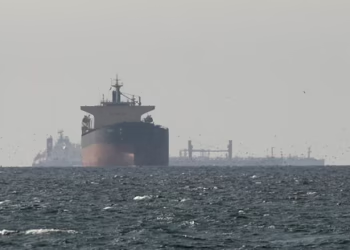 Iran Drone Strike Hits Kuwaiti Oil Tanker in Dubai Port
 Albanese to Address Nation as War Sparks Economic Crisis
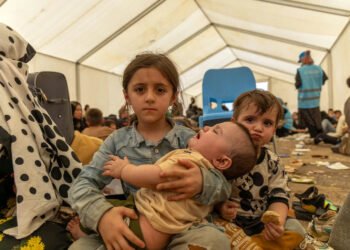 Death, displacement and military duties: children plunged into crisis
 Trump’s Six-Week Iranian War: The High Cost of Ignorance
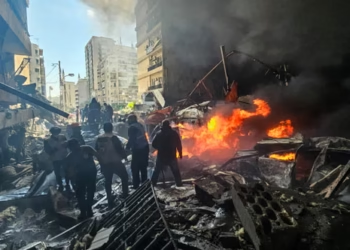 Beirut Under Fire: Massive Israeli Strikes Shaking Lebanon
 Middle East Analysis: The Cost of a Fragile Peace
 Lebanon Must Join Ceasefire to Prevent Escalation, Says Cooper
 Israel Launches Massive Airstrikes Across Lebanon
 Netanyahu Vows Continued Lebanon Strikes Amid Peace Talks
 Iran Crisis Tests Trump’s Global Leadership
 US and Iran Pursue Extension of Ceasefire via Pakistan
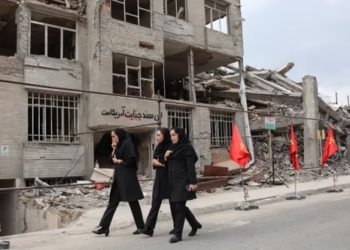 Uncertain Peace: Tehran Residents Face a Ruined Capital
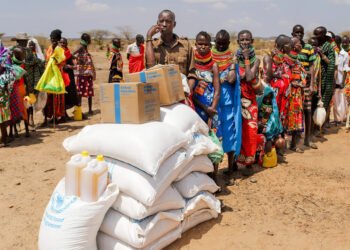 Aid Crisis Grows as Hormuz War Disrupts Supply
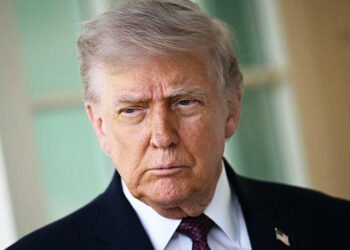 Trump likens US Navy actions to ‘pirates’
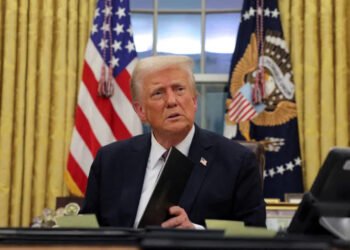 Global order shifts amid Trump-era turmoil
 Middle East Crisis Escalates as Oil Routes Shake Markets
 Tensions Emerge in Netanyahu-Trump Alliance
 Trump Rejects Tehran Peace Plan as Regional Truce Crumbles
 Netanyahu Calls Early Election Amid Coalition Turmoil
 Tensions Flare as Israeli Nationalists March in Jerusalem
 Gulf Crisis Deepens After Drone Attack Near Nuclear Facility
 Global Flotilla Intercepted in International Waters
 Israeli Strikes in Lebanon Kill 10 Amid Ceasefire Strain
 Hunger increasingly weaponised in global conflicts
 Former ICC prosecutor condemns US sanctions
 Trump Claims Iran Peace Deal Near Completion
 US Strikes Iranian Sites Amid Shaky Ceasefire Talks
 Israel Intensifies Lebanon Strikes to Crush Hezbollah
 Trump’s Iran Deal Plan Sparks Intense Alarm Across Israel
 US and Iran Trade Fresh Strikes, Threatening Ceasefire
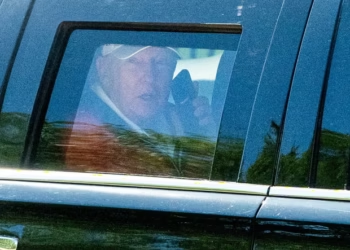 Trump Confronts Netanyahu in Explosive Beirut Phone Call
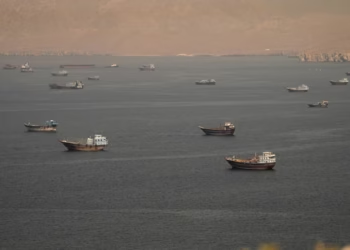 Iran To Propose New Shipping Fees In Strait Of Hormuz
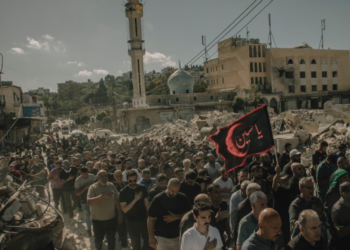 Grief and Devotion Amidst the Rubble of Nabatieh
 High Drama in Tehran Over Secret Nuclear Letters
 Houthis Strike Saudi Arabia as Middle East Tensions Rise
 The Kill Line: A Shifting Vision of the American Dream
 Oil Slides, Stocks Jump on Trump Peace Signals
 Artemis II: Humanity Returns to the Moon After Decades
 Italian Town Buys Mussolini Villa to Keep Away Fascist Fans
 The Price of Hubris: Trump, Netanyahu, and the ‘Easy’ War
 Trump and Tehran Find Common Ground in Landmark Ceasefire