Published: March 30, 2026. The English Chronicle Desk.
The English Chronicle Online—Providing trusted news and professional analysis for the UK and Europe.
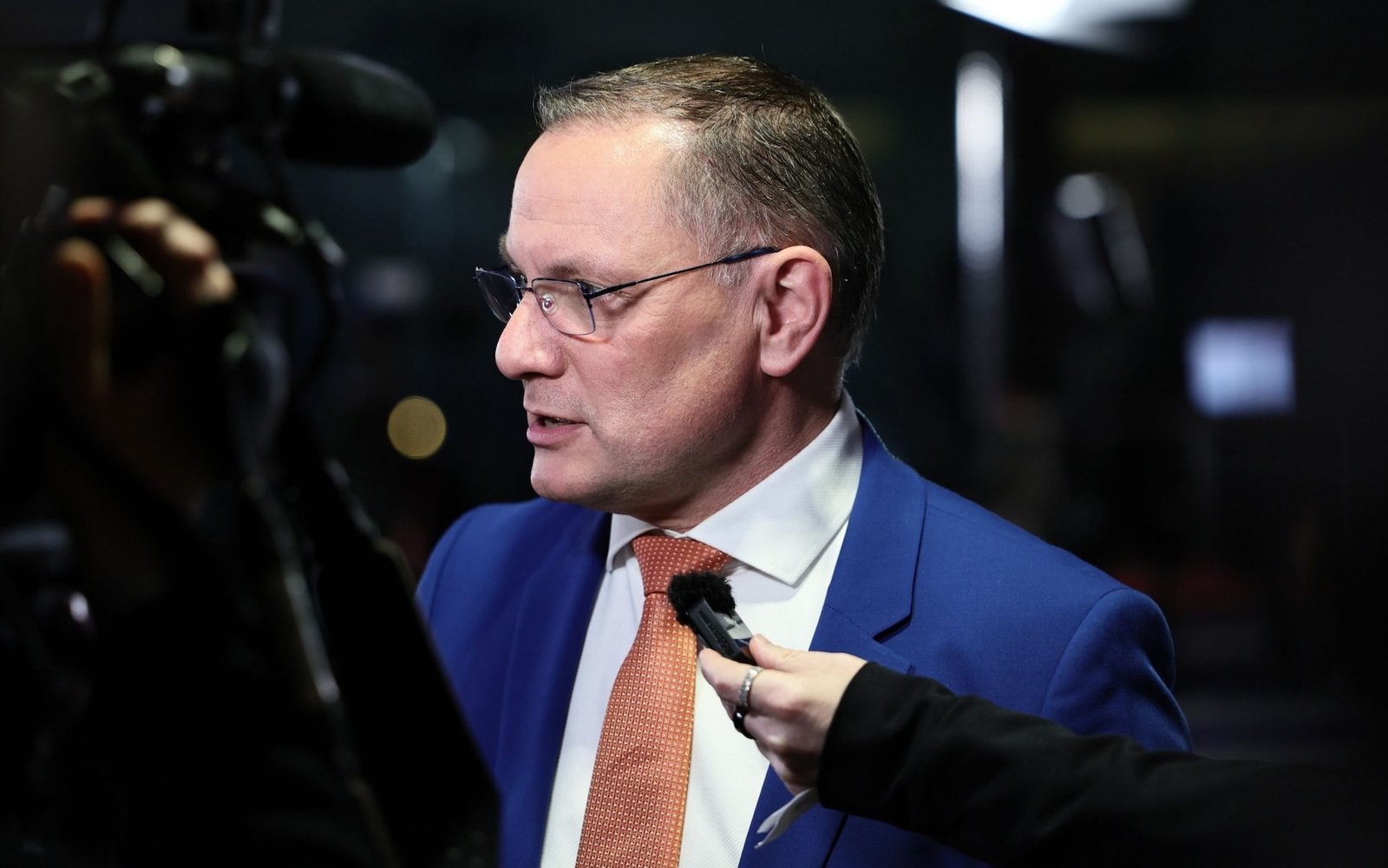
The co-leader of Germany’s Alternative for Germany (AfD) party, Tino Chrupalla, has ignited a fresh diplomatic firestorm by demanding the “complete and immediate” withdrawal of all US military personnel from German soil. Speaking at a high-stakes party congress in Saxony this past weekend, Chrupalla argued that the presence of roughly 38,000 American troops is a “legacy of occupation” that prevents Berlin from pursuing a truly sovereign foreign policy. The timing of the demand is particularly sensitive, coming as the AfD surges in the polls following a record-breaking 19.5% result in the Rhineland-Palatinate state elections—the very region that houses the strategically vital Ramstein Air Base.

Chrupalla’s rhetoric has shifted toward a model of “armed neutrality,” pointing to Spain’s recent restrictions on US base usage as a blueprint for Germany. “We must stop being the staging ground for wars that are not ours,” Chrupalla told a cheering crowd, specifically referencing the escalating US-Israeli conflict with Iran. The AfD’s official platform now explicitly calls for the removal of all allied forces and, crucially, the withdrawal of US nuclear weapons stationed at Büchel. This “Germany First” approach to defense is gaining traction among a segment of the electorate weary of being caught in the crossfire of a “New Cold War,” even as mainstream parties warn that such a move would dismantle the bedrock of NATO’s collective defense.
The demand for withdrawal is being echoed across the Atlantic, albeit for very different reasons. Reports from Washington suggest that President Trump is “seriously considering” a significant drawdown of forces in Germany, frustrated by what he perceives as Europe’s “free-riding” on defense. With the White House reportedly floating a new 5% GDP spending target for NATO members to retain voting rights, the AfD’s calls for an American exit are finding an unexpected, if accidental, ally in the “America First” administration. However, German Chancellor Friedrich Merz has dismissed Chrupalla’s demands as “dangerous populism,” moving instead to triple Germany’s defense budget to €153 billion by 2029 in a desperate bid to keep the Americans from leaving.

For the AfD, this anti-base stance is a central pillar of their 2029 “Strategy for Power.” By framing the US presence as “neocolonialism”—a term once reserved for the far-left but now effectively co-opted by Chrupalla—the party is attempting to build a broad nationalist coalition. As the oil price hits $116 and the Strait of Hormuz remains a flashpoint, the question of whether Germany remains a “loyal aircraft carrier” for the US or strikes out on an independent, and arguably more precarious, path has become the defining issue of German politics. With five regional elections looming later this year, the AfD’s “Yankee Go Home” message is no longer a fringe slogan; it is a direct challenge to the post-war European order.
Related News:
 Trump Administration Dismisses 17 Immigration Judges, Sparking Debate Over Judicial Independence
 Ministers Accused of Defamation Over Palestine Action Ban and Mass Arrests
 Father’s Tip Leads to Arrest in Charlie Kirk Murder Case
 Charlie Kirk Killing Used to Mobilise UK’s Largest Far-Right Rally in Decades
 Jailed Georgian Opposition Leaders Warn UK of Iranian Links to Ruling Party
 UK Extradition Law Change Sparks Fears Among Hong Kong Dissidents
 Shabana Mahmood Warns Border Failings Are Eroding Trust in States
 Johnson Approved China’s London ‘Super-Embassy’ in 2018
 China-critical UK academics face ‘extremely heavy’ pressure from Beijing
 Trump Urges Herzog to Grant Netanyahu Full Pardon
 US Justice Department Files Lawsuit Against California Over Partisan Voting Maps
 Trump Deploys DHS to Charlotte in Major Arrest Operation
 Congress Approves Release of Epstein Files, Trump Expected to Sign
 Texas Governor Faces Lawsuit From CAIR
 Chinese & Japanese Boats Clash Near Disputed Islands
 Putin Meets US Envoy Amid Key Ukraine Peace Talks
 Guterres Warns Global Cooperation Under Threat at UN’s 80th Year
 South Korea Jails Ex-President in Martial Law Ruling
 UK and EU Signal Fresh Push for Defence Cooperation Talks
 Emails Show Epstein Funded Mandelson’s Husband After Jail
 Thousands Protest ICE Operations in Nationwide US Day of Action
 Sydney Protest Clash Triggers Police Probe
 Nine Arrested in France Over Death of Far‑Right Student
 How Much Could Andrew’s Arrest Hurt the Royal Family?
 Ex‑Philippine President Duterte on Trial for Crimes Against Humanity: What You Need to Know
 Inside Kyiv’s resolve as conflict nears five‑year mark
 US Partially Evacuates Beirut Embassy Amid Rising Iran Tensions
 US Senate Vote Fails to Rein in Trump War Powers on Iran
 Trump Removes Kristi Noem From Homeland Security Role
 UK Must Obey International Law Over Iran, Says Thornberry
 Queensland Protest Laws Spark Free Speech Backlash
 China Approves ‘Ethnic Unity’ Law Requiring Minorities to Learn Mandarin
 Ecuador Deploys 75,000 Forces in Anti-Gang Drive
 Belarus Leader Gifts Rifle to Kim Jong Un

 Russia Expels British Diplomat for ‘Spying’ Amid Shadow Fleet Crackdown
 UK Must Act with Courage and Clarity on Israel-Palestine Conflict, Says Foreign Affairs Committee Report
 Radioactive Leak at UK’s Nuclear Warhead Base Sparks Outcry Over Safety and Secrecy
 Hong Kong Summons UK and Australian Envoys Following Asylum Grants to Democracy Activists
 Is the UK Ready to Put Boots on the Ground in Ukraine? Assessing Military Capacity and Challenges
 Tanni Grey-Thompson Faces Abuse Over Opposition to Assisted Dying Bill
 Channel Crossings Surge: Over 1,000 People Arrive in the UK in Small Boats in a Single Day
 Yvette Cooper Signals Global Momentum Towards Gaza Peace Deal Amid Humanitarian Crisis
 Russia’s Latest Push to Win US Favors Shows Deep Desperation
 BBC to Apologise Over Edited Trump Speech Amid Backlash
 Britain deploys RAF specialists to assist Belgium with drone threats
 Major Rent Reform Ends No-Fault Evictions in England
 Indian authorities demolish Kashmir home linked to Red Fort blast
 Greene Pushes Epstein Files Amid Trump Fallout
 December Run-Off in Chile as Election Produces No Winner
 Shadow Fleet at Sea: Europe’s Battle Against Illicit Oil Shipping
 India’s COP30 Delay Raises Global Climate Concerns
 Georgians Defy Government Crackdown After Year of Protests
 ICC to Rule on Duterte’s Provisional Release
 EU Says US Ties Have Suffered ‘Big Blow’ After Greenland Crisis
 Australia’s Opposition Coalition Reunites After Rift
 Australian Families Leave Syrian Camp for Home
 Starmer Weighs Fast-Tracking Defence Boost
 Civil Service Pay: Union Urges Ministers to End ‘Barking Mad’ Limits
 Epstein Eyed Record Label Investment to Access Women, Files Suggest
 Australian PM Says Former Prince Andrew Has Suffered ‘Extraordinary Fall’ but That Won’t Prompt Republic Referendum
 Farage Chagos Islands Row Sparks Fury
 Ukraine Negotiator Reveals What It Feels Like Facing Russia
 Chad Shuts Border With Sudan in Bid to Stop Conflict Spreading
 American Citizen Killed in Cuba Boat Shooting, U.S. Officials Say
 Iran’s Regime Still Intact — Coming Days Will Test Its Survival
 Herzog Asio meeting sparks security storm
 Police Scotland Pays £8m Compensation to Staff
 Finland Plans to Lift Decades‑Old Ban on Hosting Nuclear Weapons
 Minister Meets Crews Who Will ‘Take Out’ Iranian Drones
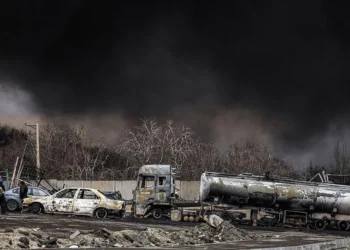 Nine Days of Strikes Reshape the Middle East
 Trump Pressures Congress Over Save America Act
 Iran War Puts Trump at Political Risk Amid Rising Prices
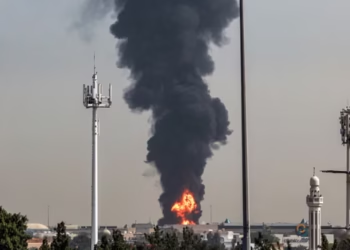 Trump Nato threats expose Iran strategy vacuum
 Trump’s Confidence Undimmed — But Every Iran Option Carries Risk
 Israel Says Iran Security Chief Larijani ‘Killed’
 Trump Facing Backlash from Epstein Survivors Over Files
 UK Forces Ready to Seize Russian Shadow Fleet Vessels
 US Lawmaker Demands Testimony Over Sarah Ferguson’s ‘Close Epstein Ties’
 Trump Considers Military Operation to Seize Iran’s Uranium