Published: March 30, 2026. The English Chronicle Desk.
The English Chronicle Online—Providing trusted news and professional analysis for the UK and World Affairs.
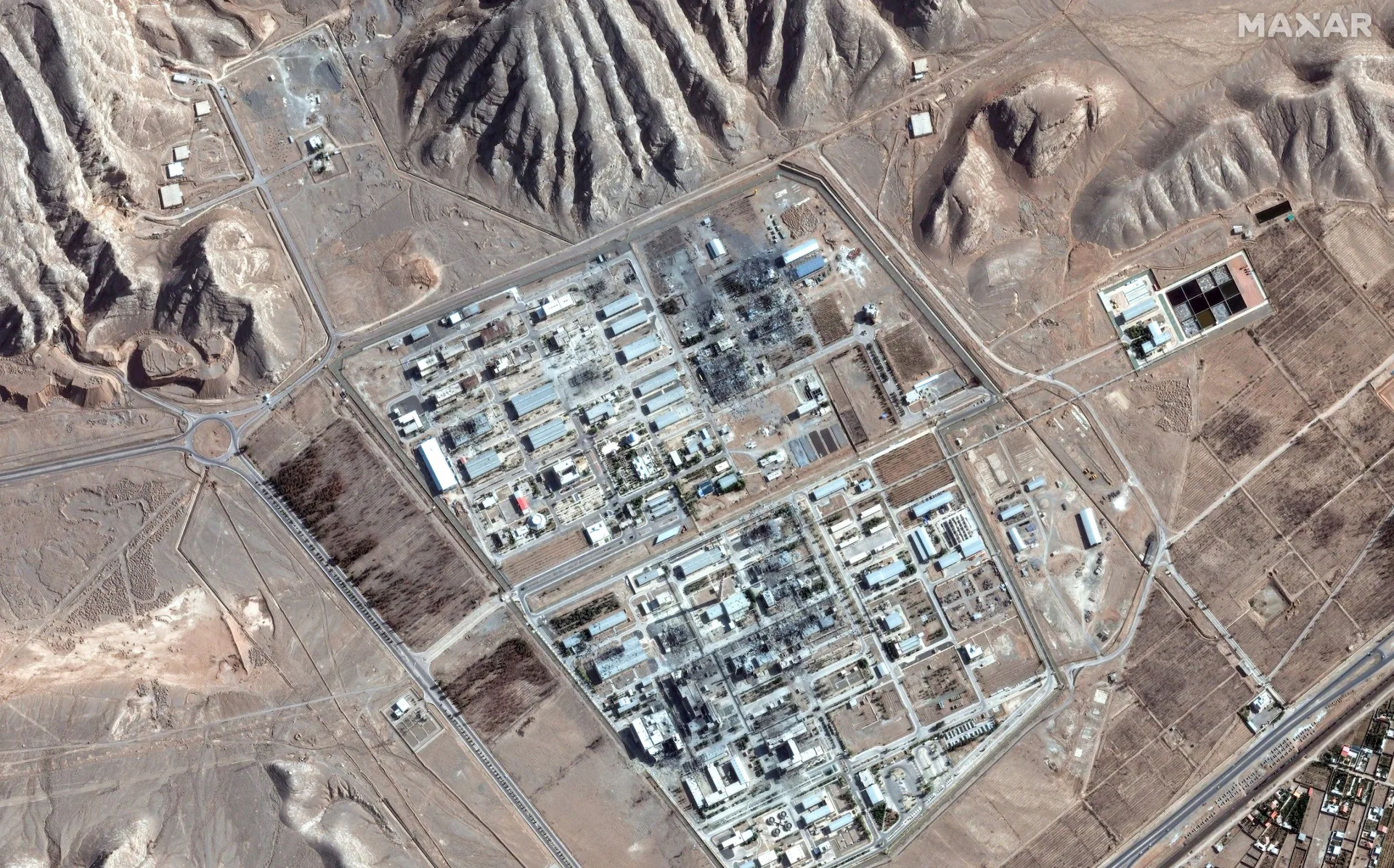
Reports are emerging from the frontlines of a “death-defying” operation by Ukrainian special forces that may have altered the course of the five-year-old conflict. Early this morning, a small, elite unit of Ukrainian “nuclear commandos”—specialists trained in high-stakes sabotage and radiation safety—reportedly breached the perimeter of a critical Russian-held energy node near the occupied Zaporizhzhia sector. While the Ministry of Defence in Kyiv has maintained a strategic “blackout” on the details, military bloggers and intercepted communications suggest the mission was a surgical strike designed to “neutralize” the Kremlin’s ability to use the nuclear plant as a site for its rumored “Perimeter” retaliatory system. If confirmed, the mission has effectively stripped Moscow of its most potent “nuclear blackmail” card just as the spring-summer offensives begin.

The operation, which allegedly took place under the cover of a localized IAEA-brokered ceasefire, involved an amphibious infiltration across the Dnipro River. Sources claim the commandos utilized “silent” underwater propulsion vehicles to bypass Russian thermal imaging and acoustic sensors. The objective was not the destruction of the plant—which would trigger a continental catastrophe—but the “digital decapitation” of its command structures. By severing the secure fiber-optic links that connect the Zaporizhzhia facility to Russia’s broader nuclear C2 (Command and Control) network, the unit has reportedly rendered the site useless as a staging ground for “Dead Hand” automated launches. “They went in to pull the plug, not blow the fuse,” noted one Western defense analyst.
The fallout from the mission is already being felt in the Kremlin. Vladimir Putin, who just weeks ago warned that any “nuclear element” introduced to the war would meet with “immediate retaliation,” has been uncharacteristically silent since the news broke. For the Russian military, which has struggled with “command and control” issues throughout the first quarter of 2026, the loss of this node is a strategic nightmare. Without the secure communications provided by the Zaporizhzhia hub, Russian forces in the southern “Fortress Belt” are now operating in a data vacuum, leaving them vulnerable to the “limited counterattacks” currently being launched by Ukrainian brigades in the Hulyaipole and Oleksandrivka directions.

As the oil price hovers at $116 and global markets react to the shifting power dynamics, the “Nuclear Commando” mission is being hailed as the most significant tactical success for Kyiv since the liberation of Kherson. By taking a “death-defying” gamble on a single, high-stakes infiltration, Ukraine has potentially forced Russia to the negotiating table on much humbler terms. While the risk of a Russian conventional escalation remains high, the “nuclear ghost” that has haunted the war for years may finally have been laid to rest. If this mission truly has disabled Putin’s ability to leverage Europe’s largest nuclear facility, the spring of 2026 could be remembered as the moment the “unwinnable war” finally found its exit ramp.
Related News:
 UK Fighter Jet Purchase Could Breach Nuclear Treaty, Warns CND
 Russia repeatedly targets UK military satellites, warns Space Command chief
 Experts Warn Russia’s Burevestnik Missile Could Destabilise Arms Control
 Britain deploys RAF specialists to assist Belgium with drone threats
 Night after night, Belgium is on high alert.
 Ukraine to Get 100 French Rafale Jets in Historic Deal
 Iran Signals Permanent Break From Global Internet, Activists Warn
 Bill Gates Pulls Out of India’s AI Summit Over Epstein Files Controversy
 Musk Cuts Starlink Access for Russian Forces – Giving Ukraine an Edge at the Front
 Why Russia Controls Its People With a Flick of a Switch
 Protesters Rally in San Francisco Against OpenAI Deal With Pentagon
 Baba Vanga’s Chilling World War 3 Prediction and Russia’s New Leader
 Iran Social Media Strategy Shifts to Information War
 Cluster Strikes Test Israel’s Missile Defences
 Zelensky Visits Saudi Arabia After Offering Drone Expertise
 Trump Considers Military Operation to Seize Iran’s Uranium
 Trump Building ‘Massive’ Military Bunker Under White House Ballroom
 UK Must Act with Courage and Clarity on Israel-Palestine Conflict, Says Foreign Affairs Committee Report
 Radioactive Leak at UK’s Nuclear Warhead Base Sparks Outcry Over Safety and Secrecy
 Mutual Inconvenience: Why Alaska Was Chosen for the Trump-Putin Summit on Ukraine
 Hong Kong Summons UK and Australian Envoys Following Asylum Grants to Democracy Activists
 Is the UK Ready to Put Boots on the Ground in Ukraine? Assessing Military Capacity and Challenges
 Conservative Influencer Charlie Kirk Fatally Shot During University Debate
 Channel Crossings Surge: Over 1,000 People Arrive in the UK in Small Boats in a Single Day
 Widow of Charlie Kirk Forgives Killer at Emotional Memorial Service
 Google at 27: The Untold Story of Ruth Kedar, the Woman Behind the Iconic Logo
 Yvette Cooper Signals Global Momentum Towards Gaza Peace Deal Amid Humanitarian Crisis
 Public Trust in SNP Hits Historic Low Amid NHS Concerns
 Johnson Suggests Mandelson Linked to China Spy Controversy
 Rachel Reeves signals welfare reform ahead of key budget
 Reform UK candidate fined £19,000 after using AI-generated cases to challenge election
 Russia’s Latest Push to Win US Favors Shows Deep Desperation
 BBC to Apologise Over Edited Trump Speech Amid Backlash
 Trump Urges Herzog to Grant Netanyahu Full Pardon
 Indian authorities demolish Kashmir home linked to Red Fort blast
 Greene Pushes Epstein Files Amid Trump Fallout
 December Run-Off in Chile as Election Produces No Winner
 Canada Passes Carney’s First Budget in Tight Parliamentary Vote
 Shadow Fleet at Sea: Europe’s Battle Against Illicit Oil Shipping
 India’s COP30 Delay Raises Global Climate Concerns
 Georgians Defy Government Crackdown After Year of Protests
 Albanese Opens Door to Bondi Royal Commission Amid Rising Pressure
 US Clears Nvidia AI Chip Sales to China in Policy Shift
 EU weighs response amid Greenland tariff crisis with Trump
 EU Says US Ties Have Suffered ‘Big Blow’ After Greenland Crisis
 UK New Car Discounts Near £6,000 as Prices Are Slashed
 Israel Moves to Bar MSF From Gaza Operations
 Australian Families Leave Syrian Camp for Home
 Starmer Weighs Fast-Tracking Defence Boost
 Nine Arrested in France Over Death of Far‑Right Student
 Indian University Kicked Out of AI Summit for Claiming Chinese Robot Dog as Its Own Invention
 Andrew Arrest Sparks Republic Debate in Australia
 How Do You Modernise Mango Farming? India’s Growers Urged to Innovate as Climate Change Hits
 Australian PM Says Former Prince Andrew Has Suffered ‘Extraordinary Fall’ but That Won’t Prompt Republic Referendum
 Farage Chagos Islands Row Sparks Fury
 Ukraine Negotiator Reveals What It Feels Like Facing Russia
 Chad Shuts Border With Sudan in Bid to Stop Conflict Spreading
 French Minister Moves to Block US Envoy Kushner from Government Access
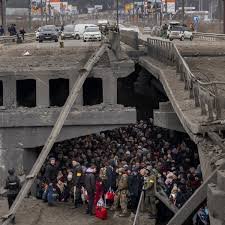 Has Europe truly learned from the failures of 2022?
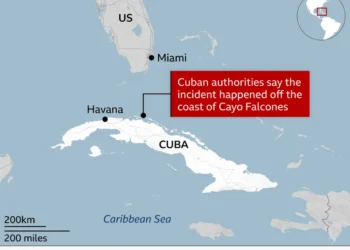 American Citizen Killed in Cuba Boat Shooting, U.S. Officials Say
 Social Media Trial: Woman Says Addiction Began at Six
 Iran’s Regime Still Intact — Coming Days Will Test Its Survival
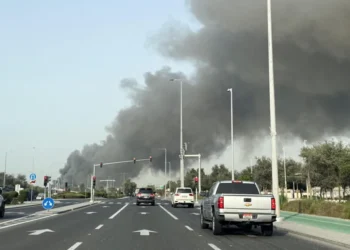 Allies of US in the Gulf Bear Brunt of Iran Attacks
 Trump Faces Questions Over Iran Conflict Plan
 Herzog Asio meeting sparks security storm
 Finland Plans to Lift Decades‑Old Ban on Hosting Nuclear Weapons
 Minister Meets Crews Who Will ‘Take Out’ Iranian Drones
 Nine Days of Strikes Reshape the Middle East
 Trump Pressures Congress Over Save America Act
 Iran War Puts Trump at Political Risk Amid Rising Prices
 Iranian Football Squad Asylum Drama Shocks Australia
 Ukraine War Becomes Flashpoint in Hungarian Election
 Queensland Protest Laws Spark Free Speech Backlash
 Yvette Cooper: UK Must Follow Principles, Not US Pressure
 Trump Nato threats expose Iran strategy vacuum
 Trump’s Confidence Undimmed — But Every Iran Option Carries Risk
 Israel Says Iran Security Chief Larijani ‘Killed’
 Philippines energy emergency sparks coal power surge
 Trump Facing Backlash from Epstein Survivors Over Files
 UK Forces Ready to Seize Russian Shadow Fleet Vessels